
Unveiling the World's Most Dangerous Animals
Beyond the Roar: The Surprising Truth About Earth's Deadliest Creatures
Key Insights into Deadly Animals
- Disease Carriers Reign Supreme: The animals responsible for the most human deaths are often not large predators, but tiny creatures like mosquitoes that transmit deadly diseases.
- Humans are a Significant Threat (to Ourselves): Sadly, humans rank high on the list of deadliest animals due to violence and conflict.
- Danger Varies by Region and Interaction: An animal's danger level isn't solely based on its inherent capabilities but also on its proximity to human populations and the nature of interactions.
When we think of the world's most dangerous animals, images of powerful predators like lions, tigers, or sharks often come to mind. While these creatures are undoubtedly capable of causing harm, the reality of which animals are truly the deadliest to humans is often surprising. The animals responsible for the highest number of human fatalities each year are frequently those that pose a threat not through direct attack, but through the transmission of deadly diseases or other less obvious means.
The Unseen Killers: Disease Vectors
The most significant threat from the animal kingdom comes from creatures that act as vectors for pathogens. These animals, often small and seemingly harmless, carry and transmit viruses, bacteria, and parasites that cause widespread illness and death in human populations.
Mosquitoes: The Undisputed Champion of Deadly Animals
Ranking consistently as the deadliest animal to humans, the mosquito is responsible for hundreds of thousands, and by some estimates, up to a million deaths annually. Their danger lies in their ability to transmit diseases such as malaria, dengue fever, West Nile virus, yellow fever, Zika, and chikungunya. Female mosquitoes feed on blood, and in doing so, can pick up pathogens from an infected individual and transmit them to others with their next bite. This makes them incredibly efficient, albeit unwitting, agents of death on a global scale.
An Orient mosquito, a notorious disease vector.
Other Deadly Disease Carriers
While mosquitoes are at the top, other animals also contribute significantly to disease-related human deaths:
Freshwater Snails
Freshwater snails are responsible for transmitting schistosomiasis, a parasitic disease that affects millions globally and can lead to chronic health problems and death.
Assassin Bugs
Assassin bugs, particularly the kissing bug, can transmit Chagas disease through their feces. This disease can cause severe heart and digestive issues if left untreated.
Tsetse Flies
Tsetse flies in sub-Saharan Africa are vectors for trypanosomes, the parasites that cause sleeping sickness, a debilitating and often fatal illness.
Mammalian Threats: Beyond the Bite
While not as deadly as disease vectors on a global scale, several mammals pose a significant threat to humans through direct attacks or the transmission of rabies.
Humans: The Deadliest Primate to Ourselves
Tragically, humans themselves are one of the deadliest animals, with hundreds of thousands of deaths each year attributed to violence, conflict, and homicide. Our capacity for organized aggression and the development of lethal weapons makes us a significant threat to our own species.
Dogs: Man's Best Friend, with a Deadly Secret
While generally beloved companions, dogs are responsible for tens of thousands of human deaths annually, primarily due to rabies transmission. Rabies is a viral disease that affects the nervous system and is almost always fatal once symptoms appear. Widespread vaccination efforts have significantly reduced rabies deaths in many parts of the world, but it remains a major concern in areas with less access to veterinary care.
African Wild Dogs, while not the primary carriers of rabies to humans, are a reminder of the potential for disease transmission in mammals.
Large and Powerful Animals
Certain large mammals, due to their size, strength, and sometimes unpredictable nature, are responsible for a notable number of human fatalities each year:
Snakes
Venomous snakes are a major cause of death, with over 100,000 fatalities annually worldwide. The potency of their venom and the availability of antivenom vary greatly depending on the species and geographical location.
Crocodiles
Crocodiles, particularly saltwater and Nile crocodiles, are apex predators with incredibly powerful bites. They are responsible for around 1,000 human deaths each year, often in areas where human settlements are close to their habitats.
Hippopotamuses
Despite their herbivorous diet, hippos are highly territorial and aggressive animals. They are considered one of the most dangerous animals in Africa, known for charging and attacking boats and humans who encroach on their territory.
Elephants
While generally peaceful, elephants can be dangerous if they feel threatened, particularly by poachers or when their young are perceived to be in danger. They can cause fatalities through trampling or goring.
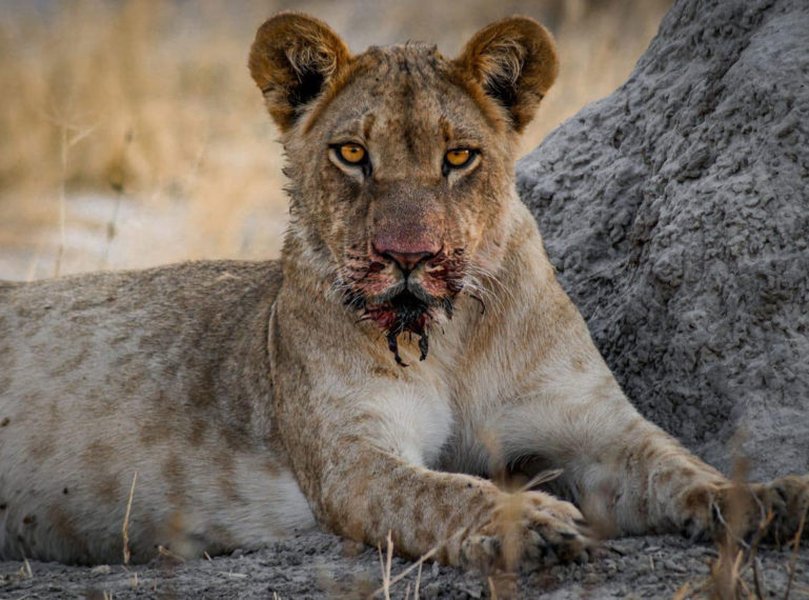
Lions
Lions are powerful predators, and while attacks on humans are less frequent than with some other animals on this list, they do occur, particularly in areas where their natural prey is scarce or human settlements are expanding into their territory.
Other Dangerous Creatures
Beyond disease vectors and large mammals, other animals pose a threat through venom, stings, or direct attacks.
Insects and Arachnids
Scorpions
Certain species of scorpions possess venom that can be lethal to humans, especially in vulnerable populations like children and the elderly. Scorpion stings cause thousands of deaths annually.
Bees, Wasps, and Hornets
While a single sting is rarely fatal, allergic reactions to the venom of bees, wasps, and hornets can cause anaphylactic shock, leading to death in susceptible individuals. Swarms can also pose a significant threat.
Marine Animals
Box Jellyfish
Considered one of the most venomous marine animals, the box jellyfish's sting can cause excruciating pain, paralysis, and death within minutes.
Sharks
Despite their fearsome reputation, shark attacks on humans are relatively rare compared to deaths caused by many other animals. On average, sharks are responsible for a small number of fatalities each year.
Annual Human Fatalities by Animal
The following table provides a snapshot of estimated annual human fatalities attributed to various animals. It's important to note that these figures can vary depending on the source and methodology used for data collection, and some numbers are more difficult to track accurately than others.
| Rank | Animal | Estimated Annual Human Fatalities |
|---|---|---|
| 1 | Mosquitoes | 725,000 - 1,000,000+ |
| 2 | Humans | ~400,000+ (homicides) |
| 3 | Snakes | ~138,000 |
| 4 | Dogs (primarily rabies) | ~59,000 |
| 5 | Freshwater Snails (schistosomiasis) | ~20,000 |
| 6 | Assassin Bugs (Chagas disease) | ~10,000 |
| 7 | Scorpions | ~2,600 |
| 8 | Crocodiles | ~1,000 |
| 9 | Hippopotamuses | ~500 |
| 10 | Elephants | 100 - 600 |
| 11 | Lions | ~200 |
| 12 | Bees/Wasps/Hornets (anaphylaxis) | ~60+ |
| 13 | Tigers | ~50 |
| 14 | Jellyfish | ~40+ |
| 15 | Sharks | ~6-10 |
Understanding and Mitigating Risk
Understanding which animals pose the greatest threat is crucial for implementing effective strategies to reduce human-animal conflict and prevent disease transmission. Public health initiatives focused on mosquito control, vaccination programs for rabies, and education about safe practices in areas with dangerous wildlife are essential steps in minimizing fatalities.
This video provides a visual overview of some of the most dangerous animals in the world, complementing the data presented.
While the raw numbers highlight the deadliest animals in terms of fatalities, it's also important to consider the concept of "dangerous" in a broader sense, which can include factors like aggression, unpredictability, and the likelihood of encountering the animal. A scientific scale, like the proposed Crespo scale, attempts to rank animal danger based on both population size and mortality rate, offering a more nuanced perspective.
FAQ
What is the single most dangerous animal in the world?
Based on the number of human deaths caused each year, the most dangerous animal in the world is the mosquito, due to its role in transmitting deadly diseases like malaria.
Are large predators like lions and sharks the biggest threat to humans?
While large predators are capable of causing fatalities through direct attacks, they are responsible for far fewer human deaths annually compared to disease-carrying animals like mosquitoes.
Why are humans considered one of the deadliest animals?
Humans are considered one of the deadliest animals due to the high number of deaths caused by violence, conflict, and homicide among our own species.
How can I protect myself from dangerous animals?
Protection strategies vary depending on the animal and location. For disease-carrying insects, this includes using repellents and preventing breeding grounds. For larger animals, it involves respecting their space, understanding their behavior, and taking precautions when in their habitats.
Are there different ways to define "dangerous"?
Yes, the term "dangerous" can be defined in various ways, including the number of fatalities caused, the potency of venom, aggression levels, and the likelihood of encounter. Different ranking systems may use different criteria.
References

Last updated May 12, 2025