
Beyond the Veil: Unveiling the World's Most Chillingly Haunted Locations
Explore sites where history's echoes linger and whispers of the supernatural persist into 2025.
Across the globe, certain places resonate with tales of the unexplained. Steeped in tragic history, eerie legends, and countless reports of paranormal activity, these locations capture the human imagination, drawing both fear and fascination. From ancient fortresses echoing with spectral footsteps to abandoned hospitals where shadows linger, join us as we delve into some of the world's most renowned haunted destinations as of April 26, 2025.
Highlights: Encounters with the Eerie
- Historical Trauma as a Catalyst: Many globally recognized haunted locations share histories marked by intense human suffering, such as battles, executions, imprisonment, or widespread disease, believed to contribute to lingering spiritual energy.
- Consistency in Phenomena: Reports across diverse sites often include similar types of paranormal activity, including apparitions (full-body or shadow figures), disembodied voices, unexplained noises (footsteps, whispers), and physical sensations (cold spots, being touched).
- Global Phenomenon: Hauntings are not confined to one region; notorious sites span continents, including castles in Europe, forests in Asia, prisons in North America, and cemeteries in South America, each with unique local lore.
Epicenters of the Unexplained: A Global Tour
Certain locations consistently top lists of haunted places due to the volume and nature of paranormal reports, combined with their often dark and compelling histories. Here are some of the most prominent examples:
The Tower of London, England
Centuries of Royal Ghosts and Tragic Ends
Perhaps one of the most famous haunted landmarks, the Tower of London's history stretches back to 1066. It has served as a royal palace, fortress, prison, and execution site. Its stones are imbued with centuries of turmoil, making it a prime location for spectral sightings. The most famous alleged ghost is that of Anne Boleyn, Henry VIII's second wife, beheaded on the Tower Green in 1536. Her headless apparition is reportedly seen near the Chapel Royal of St. Peter ad Vincula, where she is buried, and sometimes walking the corridors. Other reported spirits include the "Princes in the Tower"—Edward V and his younger brother Richard—who disappeared within the Tower in 1483, presumed murdered. Their small figures are sometimes seen holding hands in the White Tower. The sheer weight of history, involving countless imprisonments and executions, contributes to its reputation as England's most haunted site.
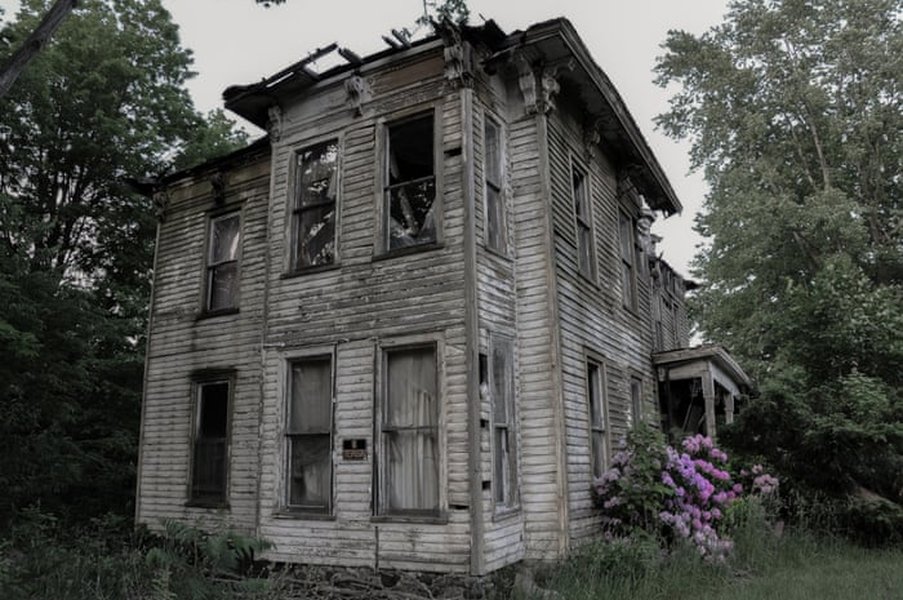
Historic sites often carry legends of hauntings linked to past events.
Eastern State Penitentiary, Pennsylvania, USA
Solitary Confinement and Lingering Spirits
Opened in 1829, Eastern State Penitentiary was revolutionary for its time, emphasizing solitary confinement (the "Pennsylvania System") intended to inspire penitence. However, this extreme isolation is believed by many to have driven inmates to madness and contributed to the site's intense paranormal activity. Now a historical site, visitors and investigators report encountering shadowy figures darting down cellblocks, disembodied laughter echoing in Cell Block 12, ghostly whispers, and sudden, inexplicable cold spots. Al Capone, its most famous inmate, reportedly claimed to be tormented by the ghost of James Clark, one of the men killed in the St. Valentine's Day Massacre. The decaying grandeur and oppressive atmosphere of the prison amplify its chilling reputation.
Bhangarh Fort, Rajasthan, India
A Cursed Fortress Shrouded in Legend
Often cited as India's most haunted location, the ruins of Bhangarh Fort date back to the 17th century. Legend holds that a sorcerer cursed the fort after being rejected by a princess, proclaiming that the settlement would be destroyed and its inhabitants would perish, never to be reborn. Another tale involves a holy man who allowed the fort's construction on the condition that its shadow never touched his dwelling; when it did, he cursed the town. Regardless of the specific legend, the fort was abandoned and remains largely uninhabited. It is notorious for paranormal activity, with reports of strange noises, apparitions, and an overwhelming sense of unease, particularly after dark. The Archaeological Survey of India legally prohibits entry between sunset and sunrise, adding to its mystique and reinforcing local beliefs about lingering spirits.
Aokigahara Forest, Japan
The Sea of Trees and Its Somber Reputation
Located at the northwest base of Mount Fuji, Aokigahara, also known as the "Sea of Trees," holds a profoundly somber reputation. Unfortunately, it has become known as a site where many individuals have chosen to end their lives. This tragic association has led to widespread beliefs that the forest is haunted by yūrei, the restless spirits of the deceased. Visitors report an eerie silence, compasses malfunctioning (likely due to rich magnetic iron deposits), disembodied screams or whispers, and fleeting apparitions among the dense trees. The forest's dense canopy blocks sunlight and muffles sound, creating a naturally unsettling atmosphere that fuels the paranormal legends.
Waverly Hills Sanatorium, Kentucky, USA
Echoes of Illness and Despair
Opened in 1910 to combat a tuberculosis outbreak, Waverly Hills Sanatorium witnessed immense suffering and death, with estimates ranging into the thousands. The sheer scale of death has cemented its reputation as one of America's most haunted places. Paranormal claims are numerous and varied, including sightings of shadow figures, unexplained footsteps, disembodied voices calling for help, and apparitions of former patients and staff. Room 502 is infamous, allegedly the site where nurses met tragic ends. The "death tunnel" or "body chute," an underground passage built to transport deceased patients discreetly from the hospital, is another hotspot for reported activity. The imposing, derelict building itself evokes a sense of dread and sorrow.

Abandoned hospitals and sanatoriums are frequent subjects of paranormal investigation.
Comparing the Chill Factor: Haunted Hotspots
While hauntings are subjective, we can compare some of the most famous locations based on factors commonly associated with paranormal reputation. This chart provides a speculative comparison based on historical accounts, reported phenomena, and public perception.
This chart visualizes perceived levels (on a scale potentially up to 10, starting from 3 for clarity) of factors contributing to the haunted reputation of these sites. 'Historical Tragedy' reflects the scale of death or suffering associated with the location. 'Reported Apparitions' and 'Auditory Phenomena' gauge the frequency of visual and sound-based paranormal claims. 'Physical Sensations' covers reports like cold spots or being touched. 'Media Fame' indicates how much popular culture has amplified the site's reputation, and 'Visitor Accessibility' reflects how easily the public can visit (legally and practically).
Mapping the Supernatural: Types of Haunted Locales
Haunted places aren't monolithic; they span various types of structures and natural environments. This mindmap categorizes common types of haunted locations and provides prominent examples for each.
This visualization connects specific haunted locations discussed (and others frequently mentioned) to broader categories like 'Castles & Fortresses', 'Prisons & Asylums', 'Hotels & Houses', 'Natural Sites', and 'Cemeteries'. It highlights how diverse environments can become associated with paranormal phenomena, often linked to their historical use or significant events.
A Glimpse into Global Haunts: Video Overview
For a broader look at various haunted locations around the world and the stories associated with them, the following video provides a compilation of some of the creepiest and most intriguing sites known for paranormal activity. It touches upon several locations mentioned here and introduces others, offering a visual and narrative journey into the world's alleged haunts.
This overview showcases the global nature of haunted folklore, featuring diverse locations from abandoned islands and eerie castles to infamous houses and forests. Compilations like this often highlight the blend of historical fact, local legend, and eyewitness accounts that contribute to a place's haunted reputation.
Other Notable Haunts Around the Globe
Beyond the most famous examples, numerous other locations worldwide are reputed to be haunted:
Americas
- The Stanley Hotel (Colorado, USA): Famous inspiration for Stephen King's "The Shining," known for phantom parties, ghostly children, and apparitions in specific rooms like 217.
- La Recoleta Cemetery (Buenos Aires, Argentina): An elaborate city of the dead, home to famous figures like Eva Perón, with tales of ghostly groundskeepers and mysterious apparitions among the mausoleums.
- The Queen Mary (California, USA): A retired ocean liner turned hotel, reportedly haunted by numerous spirits, including sailors, passengers, and a "lady in white."
- Lizzie Borden House (Massachusetts, USA): Site of the infamous 1892 unsolved double homicide, now a B&B where guests report paranormal experiences attributed to the Borden family.
- Emily Morgan Hotel (San Antonio, Texas, USA): Overlooking the Alamo plaza and formerly a medical facility, known for unexplained noises, apparitions on specific floors (particularly those once used for surgery and psychiatric care), and objects moving on their own.
- Winchester Mystery House (California, USA): A sprawling mansion with bizarre architecture (stairs leading nowhere, doors opening onto walls), allegedly built continuously by Sarah Winchester to appease spirits of those killed by Winchester rifles.
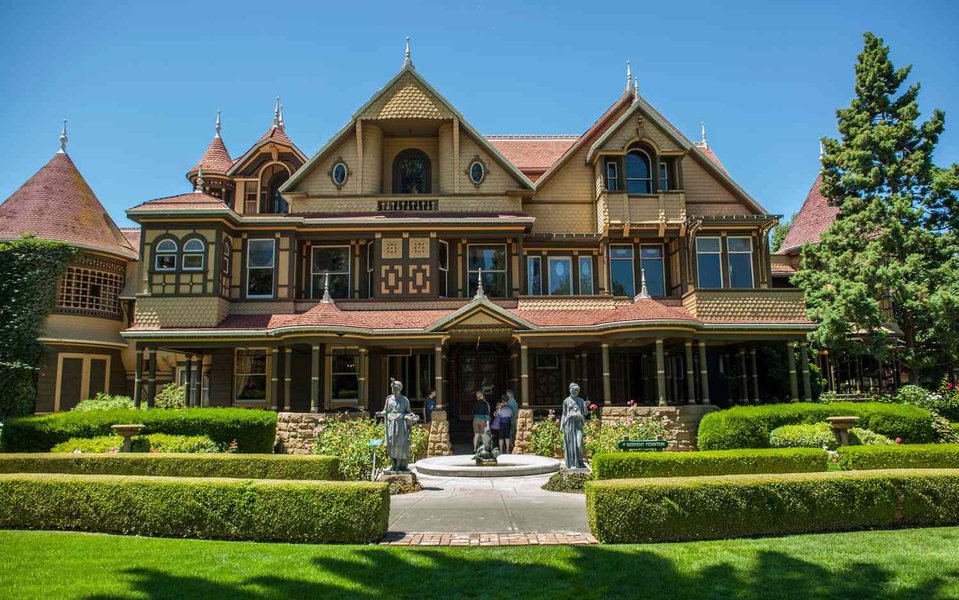
The unusual architecture of the Winchester Mystery House fuels its haunted legends.
Europe
- Poveglia Island (Venice, Italy): Used as a plague quarantine station and later a mental hospital, the island is strictly off-limits but infamous for legends of tormented spirits, screams, and the ghost of a cruel doctor.
- Hoia Baciu Forest (Cluj-Napoca, Romania): Known as the "Bermuda Triangle of Romania," famous for UFO sightings, strange lights, electronic malfunctions, and physical effects on visitors (rashes, anxiety), alongside ghost sightings.
- Zvíkov Castle (Czech Republic): An ancient castle associated with legends of supernatural beings and paranormal phenomena, including technical malfunctions, strange animal behavior, and apparitions.
- Catacombs of Paris (France): Underground ossuaries holding the remains of millions, renowned for eerie encounters, disembodied voices, and the feeling of being followed or touched in the dark tunnels.
- Akaroa, Île Sainte-Marie (Madagascar - technically Africa but historically linked to European pirates): Not explicitly listed in answers but fits the theme of pirate history possibly leading to haunted lore on islands. (Context added for geographic diversity, though not directly from source answers).
Asia & Elsewhere
- Lawang Sewu (Semarang, Indonesia): "Thousand Doors," a former Dutch colonial building used as headquarters during WWII and allegedly a site of torture and execution, known for headless spirits and other apparitions.
- Petra, Jordan: While primarily an archaeological wonder, the ancient city carved into rock is sometimes described as having an eerie atmosphere, with local legends of djinn (spirits) inhabiting the desolate ruins.
- Castle of Good Hope (Cape Town, South Africa): One of South Africa's oldest colonial buildings, with reports of a ghostly black dog, a "Lady in Grey" weeping, and phantom soldiers from its military past.
Summary of Select Haunted Locations
The table below provides a quick reference for some of the frequently cited haunted locations discussed:
| Location | Country | Type | Key Haunting Reports | Notable Ghosts/Legends |
|---|---|---|---|---|
| Tower of London | United Kingdom | Castle/Fortress/Prison | Apparitions, cold spots, whispers | Anne Boleyn, Princes in the Tower |
| Eastern State Penitentiary | USA | Prison | Shadow figures, disembodied voices, laughter | Inmate spirits, Ghost of James Clark (reported by Capone) |
| Bhangarh Fort | India | Fortress/Ruins | Apparitions, strange noises, unease | Cursed by sorcerer/holy man |
| Aokigahara Forest | Japan | Forest | Yūrei (ghosts), whispers, compass malfunction | Spirits of suicides (yūrei) |
| Waverly Hills Sanatorium | USA | Hospital/Sanatorium | Apparitions, voices, screams, shadow figures | Former patients, Nurse from Room 502, Child named Timmy |
| The Stanley Hotel | USA | Hotel | Ghostly children, phantom piano music, apparitions | Flora Stanley (original owner), Lord Dunraven (former land owner) |
| La Recoleta Cemetery | Argentina | Cemetery | Apparitions, cold winds, feeling watched | David Alleno (gravedigger), Rufina Cambaceres (buried alive legend) |
| Poveglia Island | Italy | Island (Former Quarantine/Asylum) | Screams, shadow figures, feeling of dread | Plague victims, mental patients, asylum doctor |
Frequently Asked Questions (FAQ)
What typically makes a location considered "haunted"?
Locations often gain a reputation for being haunted due to a combination of factors:
- Tragic History: Sites associated with significant death, suffering, violence, or tragedy (like battles, executions, murders, accidents, or epidemics) are frequently linked to hauntings. The idea is that strong emotions or unfinished business anchors spirits to the location.
- Reported Paranormal Activity: Consistent eyewitness accounts of unexplained phenomena like apparitions, strange noises, moving objects, cold spots, or feelings of being watched contribute significantly.
- Folklore and Legends: Local stories, urban legends, and cultural beliefs about spirits, curses, or supernatural events tied to a place solidify its haunted status over time.
- Atmosphere: Certain environments (old buildings, isolated locations, cemeteries, forests) naturally evoke feelings of unease or spookiness, making people more receptive to interpreting unusual events as paranormal.
- Media Portrayal: Books, films, and television shows featuring a location can amplify its reputation, attracting more visitors and potential reports.
Can people visit these haunted locations?
Accessibility varies greatly:
- Tourist Attractions: Many famous haunted locations like the Tower of London, Eastern State Penitentiary, The Stanley Hotel, The Queen Mary, and the Winchester Mystery House operate as museums, hotels, or tourist sites offering regular tours, including specific ghost tours.
- Restricted Access: Some locations, like Bhangarh Fort (at night) and Poveglia Island, have legal restrictions on access due to safety concerns or preservation efforts. Waverly Hills Sanatorium often requires booking specialized tours.
- Public Spaces: Places like Aokigahara Forest or La Recoleta Cemetery are generally accessible to the public during daylight hours, though visiting with paranormal investigation intentions might be sensitive or discouraged.
- Private Property: Some haunted houses (like the Lizzie Borden House) operate as B&Bs, while others remain private residences where access is not permitted.
Is there scientific proof of ghosts or hauntings?
Currently, there is no widely accepted scientific evidence that proves the existence of ghosts or confirms that locations are haunted in the supernatural sense. Paranormal investigation often relies on anecdotal evidence, personal experiences, and readings from equipment (like EMF meters, thermometers, audio recorders) whose correlation with supernatural phenomena is debated and not scientifically validated.
Many reported experiences can potentially be explained by natural phenomena, psychological factors, or environmental conditions:
- Psychological Factors: Pareidolia (seeing patterns in random stimuli), confirmation bias (interpreting events to fit beliefs), suggestion (being told a place is haunted influences perception), and fear responses.
- Environmental Factors: Infrasound (low-frequency sound below human hearing range, which can cause feelings of unease or dread), electromagnetic fields, drafts causing cold spots or moving objects, structural settling noises in old buildings.
- Misinterpretation: Mistaking natural occurrences (animals, wind, plumbing noises) for paranormal activity, especially in unfamiliar or unsettling environments.
Recommended Reading
- What are the psychological explanations behind ghost sightings and paranormal experiences?
- How did the isolation practices at Eastern State Penitentiary contribute to its haunted reputation?
- What are the specific legends and historical accounts surrounding the curse of Bhangarh Fort?
- Which famously haunted locations around the world offer overnight stays or investigations for visitors?
References
Last updated April 26, 2025