
Computational vs Experimental Wound Healing Studies
A deep dive into methodologies shaping modern wound healing research
Highlights
- Integration of Approaches: Combining computational models with experimental data enhances predictive accuracy and clinical relevance.
- Complementary Strengths: Computational studies offer mechanistic insights and cost-effective simulations, while experimental methods provide real-world validation.
- Innovative Trends: Advances in multi-scale modeling and in silico clinical trials are paving the way for personalized wound healing therapies.
Introduction to Wound Healing Research
Wound healing is an intricate biological process involving the restoration of a damaged tissue to its normal state. The process integrates a series of coordinated biochemical and biophysical events, including inflammation, tissue formation, remodeling, and in some cases, angiogenesis. Over the years, researchers have employed both computational and experimental studies to deepen their understanding of wound repair mechanisms, with each approach shedding light on distinct aspects of the healing process.
The integration of these methodologies allows for a more thorough investigation by combining the predictive power and mechanistic insights of computational models with the empirical validation available through experimental studies. By mapping the commonalities and unique contributions of each method, researchers have developed robust frameworks for investigating wound healing, optimizing treatment protocols, and ultimately designing better therapeutic strategies.
Computational Wound Healing Studies
Overview of Computational Approaches
Computational models are built on mathematical equations and algorithms that simulate the various stages of wound healing. They capture cellular behaviors, mechanical forces, and biochemical reactions, effectively enabling researchers to visualize and predict how wounds evolve over time. These simulations provide a unique lens through which researchers can examine the dynamics of healing without repeatedly resorting to invasive experimental procedures.
Mechanistic Insights
One of the primary advantages of computational studies is the ability to delve into the underlying mechanics of wound healing. By formulating models that describe cell migration, matrix deposition, and tissue contraction, these studies yield mechanistic insights that are difficult to quantify experimentally. Such insights include understanding the influence of mechanical forces on cell movement and the role of various signaling pathways during the healing process.
Predictive Modeling and Simulations
Predictive modeling is a standout feature of computational studies. By manipulating different parameters, models can simulate diverse scenarios ranging from normal wound healing to pathological cases such as chronic wounds. This type of modeling is invaluable in hypothesis testing, allowing researchers to virtually assess the outcomes of different therapeutic interventions before clinical or animal studies are performed. Additionally, in silico techniques pave the way for personalized medicine by predicting individual patient responses based on specific biological data.
Advantages and Cost-effectiveness
Computational studies come with several inherent advantages. The major benefits include reduced cost and time compared to running extensive experimental protocols. Once the models are developed and validated, they can quickly run simulations that would otherwise require lengthy experimental setups. Additionally, computational approaches allow exploration of controlled environments where variables can be finely tuned, offering an ideal scenario to dissect complex interactions that occur during healing.
Challenges and Limitations of Computational Models
Despite their many benefits, computational models are not without limitations. One of the chief challenges is the reliance on precise and accurate input data. The validity of these models is heavily dependent on how well the underlying parameters reflect the actual biological system. Any simplifications or assumptions made during model development can lead to discrepancies when generalizing results to real-world scenarios.
Moreover, while computational models simulate many aspects of wound healing, they may overlook the biophysical complexities inherent to human tissues. For instance, the unique structural properties of human skin and variations within the healing microenvironment can be difficult to capture entirely in simulations. Therefore, models require continuous refinement and validation against experimental data.
Experimental Wound Healing Studies
Overview of Experimental Approaches
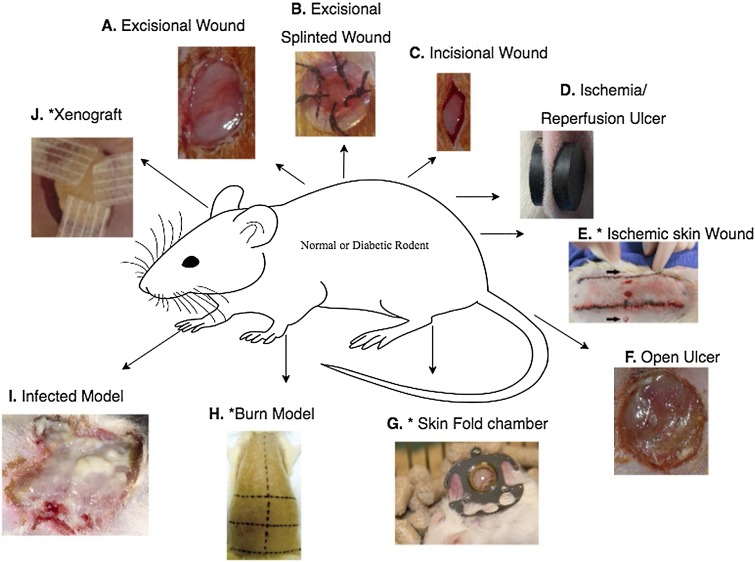
Experimental studies offer direct observation and measurement of wound healing, typically through in vivo and in vitro models. These approaches include the use of animal models such as mice, rats, pigs, and zebrafish, as well as tissue culture systems that mimic the wound environment. Experimental techniques allow for real-time monitoring of wound repair, providing critical empirical evidence that is essential to validate and refine computational predictions.
Empirical Data Collection
One of the hallmark strengths of experimental studies is the collection of empirical data that represents the complex biological processes happening during wound tissue repair. Techniques such as wound tracing, photographic documentation, and high-resolution imaging enable detailed observation of the progression of wound closure, re-epithelialization, and granulation tissue formation. These studies also examine the role of inflammation, angiogenesis, and extracellular matrix remodeling during the healing process.
Real-world Complexity and Biological Relevance
Experimental models provide an environment that closely mimics the in vivo conditions of wound healing. This is critical for understanding how varying biological factors such as genetic variability, immune responses, and the microenvironment contribute to the overall healing process. In animal models, wounds are inflicted in a controlled manner, enabling researchers to compare healing trajectories under different conditions and treatment regimens. In vitro models further allow detailed study at the cellular level, focusing on specific interactions between cells and their matrix.
Practical Challenges and Ethical Considerations
Although experimental studies offer essential insights, they are not free from challenges. Variability is inherent in any biological experiment, and differences in the experimental conditions or animal strains can lead to inconsistent results. Additionally, continuous monitoring of wound healing can sometimes interfere with the natural process, necessitating careful planning of the study design. Ethical considerations, particularly with animal studies, mean that researchers must adhere to strict regulatory guidelines to ensure responsible use of biological models.
Integrative Perspectives: Combining Computational and Experimental Approaches
Synergy Between the Two Methodologies
The inherent limitations of both computational and experimental approaches have led researchers to adopt an integrated strategy. This fusion of methodologies leverages the strengths of both: computational models provide predictive insights that can be refined through the empirical data obtained from experimental studies, and experimental work benefits from the detailed predictions of computational simulations.
The feedback loop created by integrating these approaches facilitates the constant refinement of both models and experimental protocols. For instance, computational simulations offer initial predictions that can be used to design more precise animal or cell culture experiments. Conversely, the outcomes of these experiments enable researchers to calibrate the models more accurately, ensuring that the simulations better reflect the biological realities. This iterative process enhances the overall reliability of the research and expedites the development of new treatment techniques.
Case Studies and Applications
In modern research, several case studies have demonstrated the effectiveness of combining computational and experimental strategies in wound healing studies. One notable area of application is in the design and testing of novel scaffolds for tissue engineering. Computational models help predict the mechanical properties and biocompatibility of these scaffolds, while experimental studies verify how these materials interact with biological tissues.
Additionally, in silico clinical trials are emerging as a revolutionary concept in personalized medicine. By simulating patient-specific wound healing processes, these studies allow clinicians to predict the efficacy of various treatment protocols without subjecting patients to experimental risk. Such integrative approaches are indeed paving the way for new research and clinical treatment paradigms that are both innovative and less invasive.
Comparative Analysis of Methodologies
Table of Comparative Advantages and Limitations
| Aspect | Computational Models | Experimental Studies |
|---|---|---|
| Advantages |
|
|
| Limitations |
|
|
This table summarizes both the complementary strengths and intrinsic limitations associated with computational models and experimental studies. Understanding these contrasts underpins the modern approach where one strategy bolsters the other.
Emerging Trends and Future Directions
One of the most promising future directions in wound healing research lies in the further integration of computational models with experimental validation. As computational power increases along with advances in imaging, data collection, and bioinformatics, multi-scale models that can capture the intricacies of both cellular and tissue-level dynamics are swiftly emerging. These models not only simulate the mechanical aspects of wound closure but also incorporate aspects such as inflammation, angiogenesis, and extracellular matrix remodeling.
Furthermore, the trend towards personalized medicine is increasingly reliant on the ability to predict patient-specific healing outcomes. In silico clinical trials, which use computational models to simulate wound healing based on individual biological data, are streamlining the translation of research into clinical practices. By tailoring treatment protocols to individual patient needs, these integrative studies are set to revolutionize therapeutic strategies and improve outcomes for patients with chronic or complex wounds.
Additionally, advancements in machine learning and data analytics are being harnessed to optimize both computational and experimental approaches. Machine learning algorithms assist researchers in identifying patterns within large datasets gathered from both in vitro and in vivo studies, further refining the parameters used in simulations. This synergy holds the promise of more adaptive and dynamic models that can continuously improve as new data become available.
Conclusion
In conclusion, the study of wound healing processes through computational and experimental methodologies provides a comprehensive framework to understand and innovate in the field. Computational models deliver valuable predictive capabilities and mechanistic insights while offering a cost-effective means to explore numerous hypotheses with precision. On the other hand, experimental studies ensure that the complexities and real-world dynamics of wound healing are faithfully replicated and validated. The future of wound healing research hinges on the integration of these methodologies, leveraging their respective strengths to not only understand the cellular and biomechanical intricacies of healing but also to facilitate the development of tailored therapies.
As research continues to evolve, integrative approaches are likely to lead to breakthroughs in personalized medicine and in silico clinical trials, making wound healing studies more predictive, efficient, and ultimately, clinically relevant. The ongoing iterative feedback between computational predictions and experimental validation remains central to this progress, ensuring that models are continually refined to mirror the true biological behavior. This synergy plays a critical role in translating research findings into advanced therapeutic interventions that could significantly improve patient outcomes in clinical settings.
References
- Computational and Experimental Analysis of Wound Healing Processes - Typeset
- Computational and Experimental Analysis of Wound Healing Processes - Wiley Online Library
-
Computational and Experimental Study of the Mechanics of Embryonic Wound Healing - NCBI
-
Experimental Models and Methods for Cutaneous Wound Healing Assessment - PMC
-
Wound Healing Models: A Systematic Review of Animal and Non-animal Studies - ScienceDirect
-
Computational Modeling of Inflammation and Wound Healing - NCBI
Recommended Queries
Last updated February 26, 2025