
Crafting a Bestselling Children's Book: A Comprehensive Guide
Unlock the Secrets to Writing Stories That Captivate Young Readers and Climb the Charts
Key Highlights for Aspiring Children's Book Authors
- Understanding Your Audience: Tailoring your story and language to a specific age range is crucial for resonance and marketability.
- Developing Compelling Characters and Plot: Strong, relatable characters and a well-structured plot, often incorporating repetition and rhythm, are essential for engaging young minds.
- The Importance of Illustrations: Visuals are integral to children's books, working hand-in-hand with the text to tell the story and capture attention.
Writing a children's book that not only captures the imagination of young readers but also achieves bestseller status is a rewarding endeavor. While it may seem simpler than writing for adults, children's literature requires a unique understanding of your audience, engaging storytelling techniques, and often, compelling illustrations. The children's book market has seen significant growth, and with the right approach, aspiring authors can find their place on the bestseller lists.
Understanding Your Audience: The Foundation of Success
Before you even put pen to paper (or fingers to keyboard), it's vital to understand who you are writing for. Children's literature is categorized by age range, and each category has its own characteristics and expectations.
Targeting the Right Age Group
Identifying your target age range is a fundamental first step. This decision will influence everything from your vocabulary and sentence structure to the complexity of your plot and themes. Different age groups have different attention spans, reading abilities, and interests.
Common Children's Book Age Categories:
- Picture Books (Ages 0-8): These rely heavily on illustrations and often have simple, repetitive text. The word count is typically low, often under 500 words. The story is told through the interplay of words and pictures.
- Early Readers (Ages 5-9): Designed for children just beginning to read independently, these books have slightly more complex sentences and plots than picture books, but still include illustrations.
- Chapter Books (Ages 7-10): These books have fewer illustrations and are divided into chapters. The stories are longer and more complex, with developing characters and plotlines.
- Middle Grade (Ages 8-12): Targeting older elementary and middle schoolers, these books deal with more mature themes and have more intricate plots and character development. Illustrations are less common.
- Young Adult (Ages 12+): While technically children's literature, YA novels often explore complex themes and issues relevant to teenagers. They are similar in structure to adult novels but feature teenage protagonists.
Reading widely within your target age range is one of the best ways to understand the conventions, styles, and themes that resonate with that audience. Familiarize yourself with popular books in your chosen category to see what is currently successful and identify potential gaps in the market.
 A child immersed in reading, highlighting the importance of engaging content for young readers.
Crafting a Compelling Story
Once you have a clear understanding of your audience, the next step is to develop a captivating story with memorable characters and an engaging plot.
Developing Relatable Characters
Children connect with characters they can relate to or are fascinated by. Your main character should be someone who will resonate with your target readers. Think about their motivations, their flaws, and their journey throughout the story. Unique and funny-looking characters can also be particularly appealing to younger children.
Structuring Your Plot
Even simple children's stories benefit from a clear structure. Many successful children's books follow a pattern similar to fairy tales, with a beginning, a problem, attempts to solve the problem, and a resolution. Repetition and rhyme can be powerful tools, especially in picture books, making the story more engaging and memorable for young children.
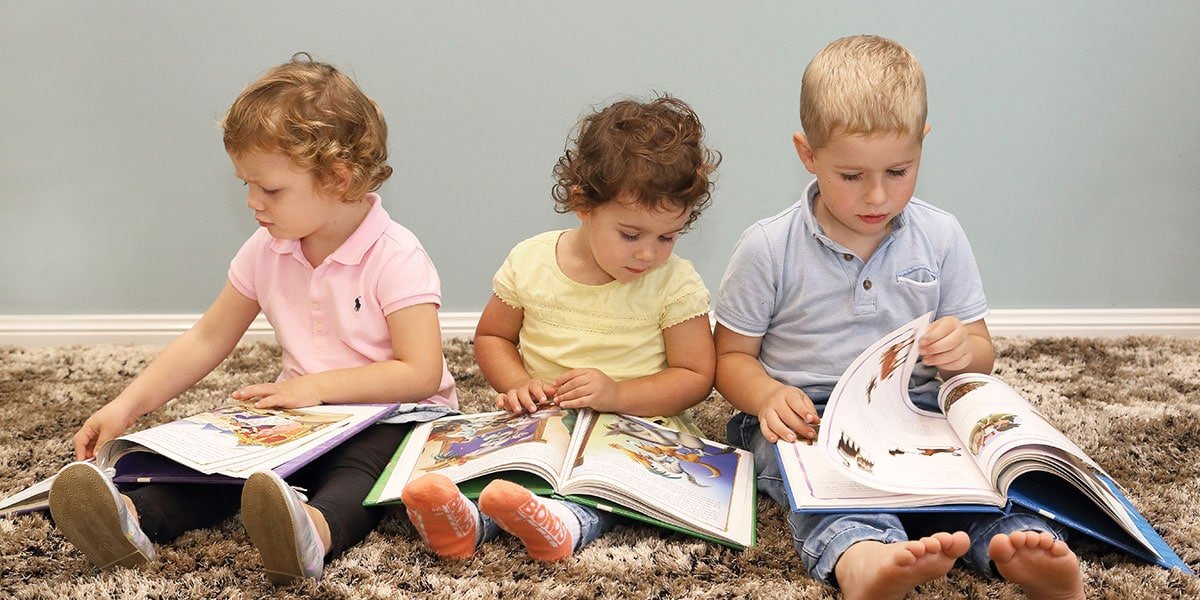 Shared reading experiences are key to a children's book's success.
Key Plot Elements to Consider:
- The Hook: Grab the reader's attention from the very beginning.
- The Problem: Introduce a conflict or challenge that the characters must face.
- Rising Action: Build suspense and lead the characters through events related to the problem.
- Climax: The peak of the story where the problem is confronted.
- Falling Action: The events that follow the climax, leading to the resolution.
- Resolution: The conclusion of the story where the problem is solved.
For chapter books and middle grade novels, outlining the entire story and individual chapters can help ensure a cohesive narrative.
Writing Engaging Prose
The language you use is critical. It should be appropriate for your target age group, engaging, and flow well when read aloud. Many successful children's books are meant to be read aloud, so practicing reading your manuscript can help you identify awkward phrasing or rhythm issues. Be descriptive enough to allow children to visualize the characters and settings.
The Power of Illustrations
For many children's book categories, particularly picture books, illustrations are not merely supplementary; they are integral to the storytelling. The interplay between text and visuals is what brings the story to life for young readers.
Working with an Illustrator
Unless you are both a writer and an illustrator, you will likely need to collaborate with an artist. Finding an illustrator whose style complements your story is crucial. You will need to communicate your vision clearly, often through a manuscript that includes notes on where illustrations should appear and what they should depict.
 Illustrations play a vital role in captivating young readers.
Visual Storytelling
The illustrations should enhance the text, add depth to the characters and setting, and help convey emotions and plot points. In picture books, the illustrations often carry much of the narrative weight, sometimes even showing things that are not explicitly stated in the text.
Refining Your Manuscript and Seeking Feedback
Writing the first draft is just the beginning. Revision is a critical part of the process, and getting feedback can help you identify areas for improvement.
The Importance of Revision
Read and reread your manuscript. Look for ways to tighten your language, improve the pacing, and strengthen your characters. Consider the rhythm and flow, especially if your book is intended to be read aloud. Ensure consistency in tense and narrative voice.
Seeking Feedback
Share your manuscript with trusted readers, ideally those who are familiar with children's literature or work with children. Pay attention to their feedback and be open to making changes. Professional editors specializing in children's books can provide invaluable guidance.
Navigating the Publishing Landscape
Once your manuscript is polished, you'll need to consider how you want to publish your book. The two primary paths are traditional publishing and self-publishing.
Traditional Publishing
This involves submitting your manuscript to literary agents and publishers. If your book is accepted, the publisher will handle editing, illustration (if needed), production, marketing, and distribution. This path can be competitive, and it often takes a significant amount of time to get a book published.
Self-Publishing
Self-publishing gives you more control over the publishing process, including editing, design, and distribution. Platforms like Amazon Kindle Direct Publishing (KDP) have made self-publishing more accessible. While self-publishing offers greater speed and control, it also means you are responsible for all aspects of getting your book to readers, including marketing.
Marketing Your Children's Book
Even a fantastic children's book needs effective marketing to reach its audience. It's important to remember that while children are the readers, adults (parents, grandparents, teachers, librarians) are typically the buyers.
Identifying Your Buying Audience
Understand the demographics and interests of the adults who will be purchasing your book. Where do they spend their time online and offline? What influences their purchasing decisions?
Effective Marketing Strategies
Leveraging online platforms is essential in today's market. Social media, author websites, and email lists can help you connect with potential buyers. Consider targeting specific online communities where your target audience gathers. Offline marketing can include book signings, school visits, and partnering with libraries and bookstores.
 Engaging directly with children can be a powerful marketing tool.
Analyzing Bestselling Children's Books
Studying successful children's books can provide valuable insights into what resonates with readers and buyers. Looking at all-time bestsellers and recent hits can reveal common characteristics.
What Makes a Bestseller?
While there's no guaranteed formula, bestselling children's books often share certain qualities:
-
Relatability: Stories and characters that children can see themselves in or understand.
-
Engaging Storytelling: A clear plot, good pacing, and language that captures attention.
-
Memorable Characters: Characters that are well-developed and appealing.
-
Strong Illustrations: Visuals that enhance the story and are aesthetically pleasing.
-
Read-Aloud Appeal: Books that are enjoyable for adults to read and for children to listen to.
-
Timeless Themes: Stories that explore universal concepts like friendship, family, courage, and kindness.
-
Uniqueness: A fresh perspective or a unique angle on a familiar theme.
Examples of Enduring Bestsellers:
The landscape of bestselling children's books includes enduring classics that have sold millions of copies over decades.
| Title | Author | Approximate Copies Sold (as of relevant data) |
|---|---|---|
| The Little Prince | Antoine de Saint-Exupéry | 200,000,000 |
| Harry Potter and the Philosopher's Stone | J.K. Rowling | 120,000,000 |
| Goodnight Moon | Margaret Wise Brown | Millions |
These books, while different in style and target age, share a fundamental ability to connect with readers and offer something memorable and meaningful.
Common Mistakes to Avoid
Writing for children comes with its own set of potential pitfalls. Being aware of common mistakes can help you avoid them.
Overcomplicating the Story
Children, especially younger ones, have shorter attention spans. Keep your plot clear and focused. Avoid too many subplots or complex vocabulary that will lose your target audience.
Preachiness or Didacticism
While children's books often convey lessons or morals, they should do so subtly through the story and characters, rather than explicitly lecturing the reader.
Underestimating Your Audience
Conversely, don't talk down to children. They are capable of understanding and appreciating engaging stories with depth, provided the language and themes are appropriate for their age.
Ignoring the Visuals
For picture books, failing to consider how the illustrations will work with the text is a major mistake. The words and pictures must complement and enhance each other.
Dedication and Persistence
Becoming a bestselling children's author rarely happens overnight. It requires dedication, persistence, and a willingness to learn and grow.
Writing Regularly
Set aside dedicated time for writing, even if it's just 15 minutes a day. Consistent writing helps maintain momentum and improve your craft.
Embracing the Journey
The path to publication can be challenging, with rejections and revisions. View these as opportunities for growth and improvement. Be curious, read widely, and savor the revision process.
FAQ: Writing Bestselling Children's Books
How long should a children's book be?
The length of a children's book varies significantly depending on the target age group. Picture books are typically very short, often under 500 words, while middle grade and young adult novels can be tens of thousands of words long.
Do I need to be an illustrator to write a children's book?
No, you do not need to be an illustrator. Many authors collaborate with illustrators to bring their stories to life, particularly for picture books.
How important is the read-aloud factor?
The read-aloud factor is very important, especially for younger age groups. Books that are enjoyable for adults to read aloud and engaging for children to listen to often have greater success.
What is the best way to market a children's book?
Effective marketing involves understanding your buying audience (usually adults) and reaching them where they are. This includes online strategies like social media and email marketing, as well as offline methods like author visits and engaging with libraries and bookstores.
Is it harder to write a children's book than an adult book?
Writing for children presents unique challenges, such as needing to convey complex ideas simply and engagingly for a specific age group. While the length may be shorter for some categories, the craft required to write a compelling children's book is significant.
Additional Resources
Explore strategies for generating and refining children's book ideas in this helpful video.This video provides valuable insights into the initial stages of writing a children's book, focusing on generating and verifying ideas. It's a great starting point for aspiring authors looking to build a strong foundation for their story.
References
 amazon.com
Last updated April 24, 2025