
Crafting SEO-Optimized, Deeply Meaningful Articles with AI Prompts
Unlocking the Power of AI for High-Quality, Problem-Solving Content
In the evolving landscape of digital content, creating articles that are not only deeply meaningful and problem-solving but also highly visible in search results is a key objective for writers and content creators. This requires a strategic approach that combines compelling narrative with robust Search Engine Optimization (SEO) techniques. With the advent of sophisticated AI models, crafting prompts that generate such content is becoming increasingly feasible. This guide explores how to formulate effective prompts to produce fully formatted, insightful, and SEO-optimized articles that address specific issues within a given topic.
Key Highlights for Effective Prompting
- Specificity is Paramount: To generate a relevant and deeply meaningful article, your prompt must clearly define the topic, the specific issue to be addressed, the target audience, and the desired outcome or solution.
- Integrate SEO Requirements: Explicitly include instructions for SEO elements such as target keywords, desired article structure (headings, subheadings), meta description requirements, and potential inclusion of visual elements or data.
- Specify Tone and Style: Guide the AI on the desired tone (e.g., authoritative, empathetic, instructional) and writing style to ensure the article resonates with the intended audience and feels authentically "deep and meaningful."
Understanding the Core Elements of a Powerful Prompt
A truly effective prompt for generating a comprehensive and SEO-friendly article goes beyond a simple request. It acts as a blueprint, guiding the AI to produce content that meets specific criteria for quality, relevance, and search engine visibility. Think of it as providing the AI with a detailed creative brief and a set of technical specifications.
Defining the Article's Purpose and Topic
The first step in crafting your prompt is to clearly articulate the article's purpose and the specific topic it will cover. Instead of a broad topic, narrow it down to a particular issue or question within that topic that the article will aim to solve or address. This focus is crucial for creating a "deep and meaningful" piece.
Identifying the Problem to Solve
What specific challenge, question, or gap in understanding will this article address? Be as precise as possible. For example, instead of "writing about climate change," focus on "explaining the impact of climate change on coastal erosion in [specific region]" or "providing practical steps individuals can take to reduce their carbon footprint."
Defining the Target Audience
Knowing who you are writing for is essential for both the depth and relevance of the content, as well as its SEO effectiveness. Specify the audience's level of understanding of the topic, their potential questions, and their likely search intent.
Incorporating SEO Considerations into Your Prompt
SEO is not an afterthought; it should be woven into the fabric of your prompt to ensure the generated article has the best chance of ranking well. This involves specifying keywords, structure, and other on-page optimization elements.
Strategic Keyword Integration
Provide the AI with a list of primary and secondary keywords that the article should target. Instruct the AI to integrate these keywords naturally throughout the content, including in headings, subheadings, and the body text. Avoid keyword stuffing, emphasizing natural language and readability.
For instance, you could include in your prompt: "Target primary keyword: 'sustainable urban gardening techniques'. Secondary keywords: 'small space gardening', 'organic pest control urban', 'container gardening for beginners'."
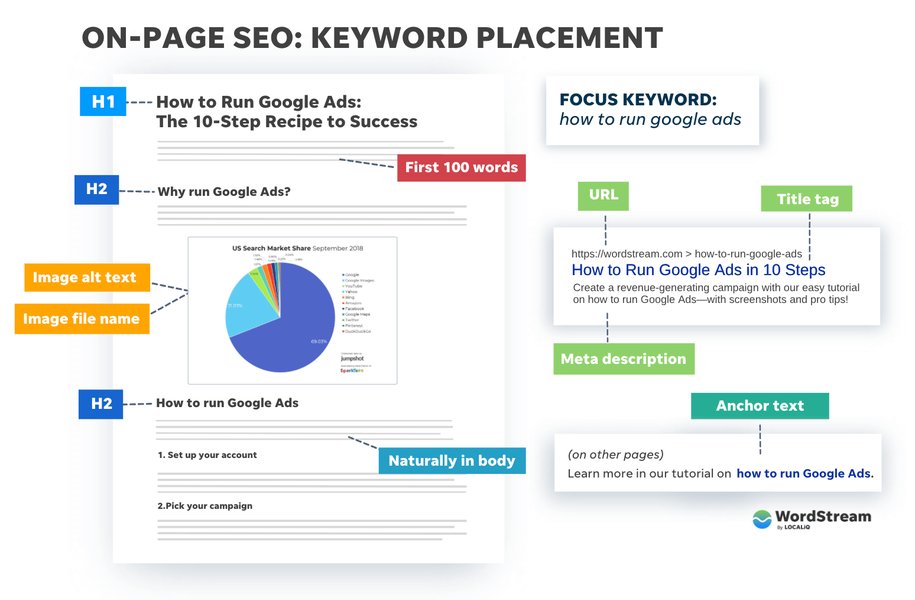
Key areas for strategic keyword placement in an article.
Structuring for Readability and SEO
Request a specific structure for the article, utilizing HTML heading tags (H1, H2, H3, H4) to break up the content logically. This improves readability for users and helps search engines understand the article's hierarchy and topics covered.
Your prompt might include: "Structure the article with a clear introduction, followed by H2 headings for main sections, H3 headings for subsections, and use bullet points or numbered lists where appropriate. Include a concluding summary."
Crafting Compelling Meta Descriptions and Titles
Instruct the AI to generate several options for a compelling title tag and meta description. Specify character limits for these elements and ensure they include the primary keyword and accurately reflect the article's content to encourage clicks from search results.
Guiding the AI Towards Depth and Meaning
Beyond structure and keywords, prompting for depth and meaning requires guiding the AI to generate insightful, original, and engaging content that truly addresses the user's issue.
Providing Context and Background
Include any necessary background information or context that the AI might need to understand the nuances of the issue. This could involve summarizing the problem's history, its current impact, or different perspectives on the issue.
Requesting Specific Angles or Perspectives
To ensure the article is not generic, ask the AI to explore specific angles or incorporate particular perspectives. For a problem-solving article, this could mean requesting a focus on practical solutions, expert opinions, or case studies.
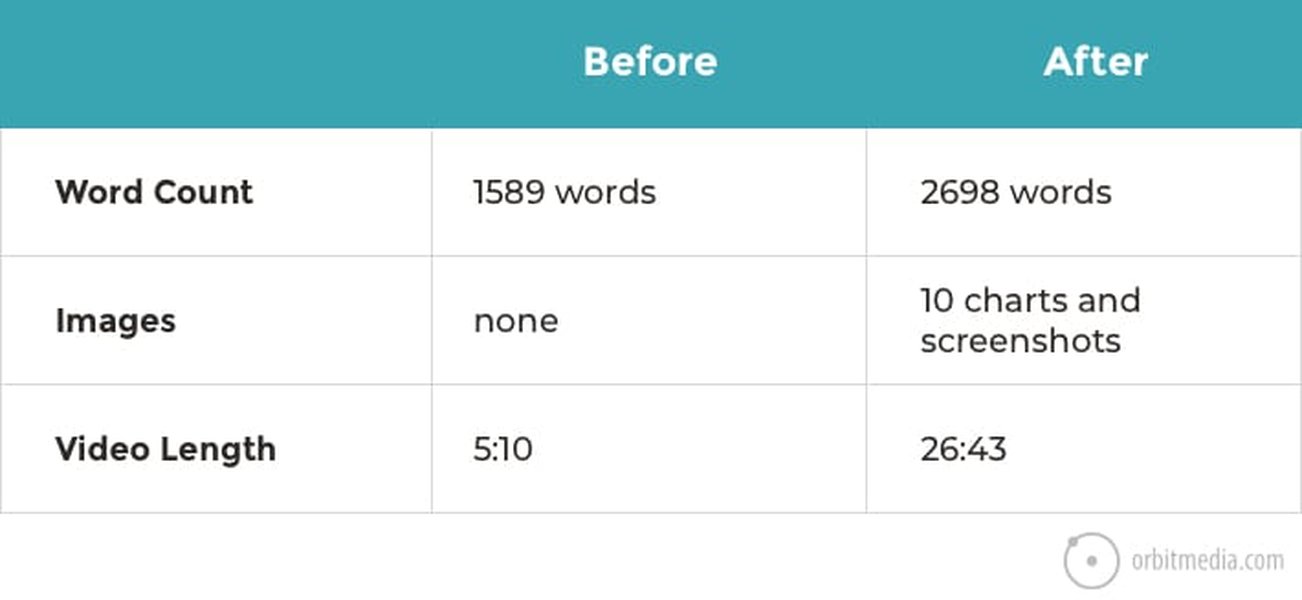
Visualizing the potential impact of SEO optimization on website visibility.
Emphasizing Originality and Insight
While AI models are trained on vast datasets, you can encourage more original output by asking for unique insights, unconventional solutions, or a synthesis of information in a novel way. Prompt the AI to "think critically" about the issue.
Specifying Tone and Style
Describe the desired tone (e.g., informative, persuasive, empathetic, encouraging) and writing style (e.g., formal, conversational, accessible). This helps the AI align the content's voice with your brand and target audience.
Incorporating Visual and Data Elements
Rich content often includes visual aids and data to support the narrative and make the article more engaging. While AI text models primarily generate text, you can prompt for descriptions of relevant visuals or requests for specific types of data to be included.
Suggesting Relevant Imagery
Include prompts like: "Suggest relevant images or types of visuals (e.g., infographics, charts, photos) that would enhance this section." While the AI won't create the images, it can identify where visuals would be beneficial.
Requesting Data or Statistics
If relevant, ask the AI to include statistics, data points, or examples to support its claims. You might prompt: "Include recent statistics on the impact of [issue] in [region]" or "Provide examples of successful [solution] implementations."
Structuring Your Prompt for Clarity and Effectiveness
The way you structure your prompt significantly impacts the AI's ability to understand and fulfill your request. A well-organized prompt is clear, concise, and comprehensive.
Using Clear Headings or Sections within the Prompt
If your prompt is long, consider using headings or bullet points within the prompt itself to separate different instructions (e.g., "Topic and Issue," "SEO Requirements," "Content Depth," "Formatting").
Iterative Prompting
Sometimes, the best results are achieved through a series of prompts. Start with a general outline, then use subsequent prompts to refine specific sections, improve SEO elements, or deepen the analysis.
This video discusses using ChatGPT to write longer, SEO-optimized content, which is highly relevant to crafting prompts for comprehensive articles.
This embedded video provides a practical example of how users are leveraging AI, specifically ChatGPT, to generate extensive, SEO-friendly articles. It demonstrates techniques and strategies for prompting the AI to produce longer-form content that aligns with SEO best practices, offering valuable insights for anyone looking to create detailed and optimized articles using AI tools.
Example Prompt Structure
Here's a possible structure for a comprehensive prompt:
    Generate a fully formatted, deeply meaningful, and SEO-optimized article addressing the issue of [Specific Issue] within the topic of [Broader Topic].

    Target Audience: [Describe your target audience, e.g., small business owners, students, general consumers].

    Article Goal: To [Explain the purpose, e.g., educate readers, provide solutions, raise awareness] about [Specific Issue] and offer actionable insights/solutions.

    Key Problem to Solve: [Clearly state the specific problem or challenge the article will address].

    SEO Requirements:
    - Primary Keyword: "[Your Primary Keyword]"
    - Secondary Keywords: "[Secondary Keyword 1]", "[Secondary Keyword 2]", "[Secondary Keyword 3]"
    - Article Title: Suggest 3 engaging, SEO-friendly title options (under 60 characters).
    - Meta Description: Suggest 3 compelling meta description options (under 160 characters) that include the primary keyword.
    - Structure: Use H2 headings for main sections and H3 headings for subsections. Include an introduction and a conclusion.
    - Keyword Placement: Naturally integrate keywords throughout the text, including headings where appropriate. Avoid keyword stuffing.
    - URL Suggestion: Suggest a concise and SEO-friendly URL slug.

    Content Requirements:
    - Depth: Explore the issue in depth, providing context, causes, impacts, and potential solutions.
    - Meaningfulness: Offer insightful analysis and relatable perspectives. Aim to resonate with the reader's experience.
    - Problem-Solving Focus: Dedicate significant portion to practical solutions, strategies, or advice for addressing the issue.
    - Originality: Present information and solutions in a fresh or unique way, if possible.
    - Tone: [Specify desired tone, e.g., informative, authoritative, empathetic].
    - Style: [Specify desired style, e.g., clear, concise, engaging].
    - Length: Aim for an article length of [Specify desired word count range, e.g., 1000-1500 words].

    Formatting Requirements:
    - Use HTML heading tags (h1, h2, h3) for structure.
    - Use paragraph tags (<p>) for body text.
    - Use unordered (<ul>) or ordered (<ol>) lists where appropriate.
    - Bold (<b>) or italicize (<i>) for emphasis as needed.

    Visuals (Suggest only):
    - Suggest types of visuals that would be relevant for key sections.

    Additional Notes:
    - Ensure the language is easy to understand for the target audience.
    - Provide clear and actionable takeaways.
Refining and Editing the AI's Output
While AI can generate a strong draft, it's crucial to review and edit the output. Human oversight is necessary to ensure accuracy, enhance the depth and nuance, verify factual claims, and refine the language to perfectly match your desired tone and style. You may need to add personal anecdotes, expert quotes (if available), or more specific examples to truly make the article "deep and meaningful."
Advanced Prompting Techniques
For even better results, consider these advanced techniques:
Providing Examples
If you have examples of articles that you admire in terms of depth, style, or structure, you can reference them in your prompt (if the AI has access to external information) or describe their qualities that you want the AI to emulate.
Role-Playing
Ask the AI to assume a specific persona, such as an expert in the field or a seasoned journalist, to influence the tone and depth of the response.
Frequently Asked Questions about AI Article Generation
Can AI truly write a "deep and meaningful" article?
AI can generate content that is informative and well-structured, drawing on vast amounts of data. However, true depth and meaning often come from personal experience, unique insights, and emotional intelligence, which currently require human input and refinement. AI can provide a strong foundation, but human editing is essential for adding genuine depth and meaning.
How accurate is the information provided by AI?
AI models can sometimes generate incorrect or fabricated information. It is critical to fact-check all data, statistics, and claims presented in the AI-generated article before publishing.
Will using AI-generated content negatively impact SEO?
Google's guidelines emphasize helpful, reliable, people-first content. While AI can assist in content creation, directly publishing unedited AI output that is repetitive, low-quality, or lacks originality may negatively impact your search rankings. Using AI as a tool for drafting, outlining, and generating initial ideas, followed by significant human editing and enhancement, is a safer and more effective approach for SEO.
How important are keywords in AI-generated content for SEO in 2025?
Keywords remain important for SEO in 2025, helping search engines understand the topic of your content. However, the focus is shifting towards topical authority and understanding user search intent. Your AI prompt should aim for natural keyword integration within comprehensive and valuable content, rather than simply focusing on keyword density.
References
Last updated May 8, 2025