
Mastering the Art of Article Writing
A Comprehensive Guide to Crafting Engaging and Effective Articles
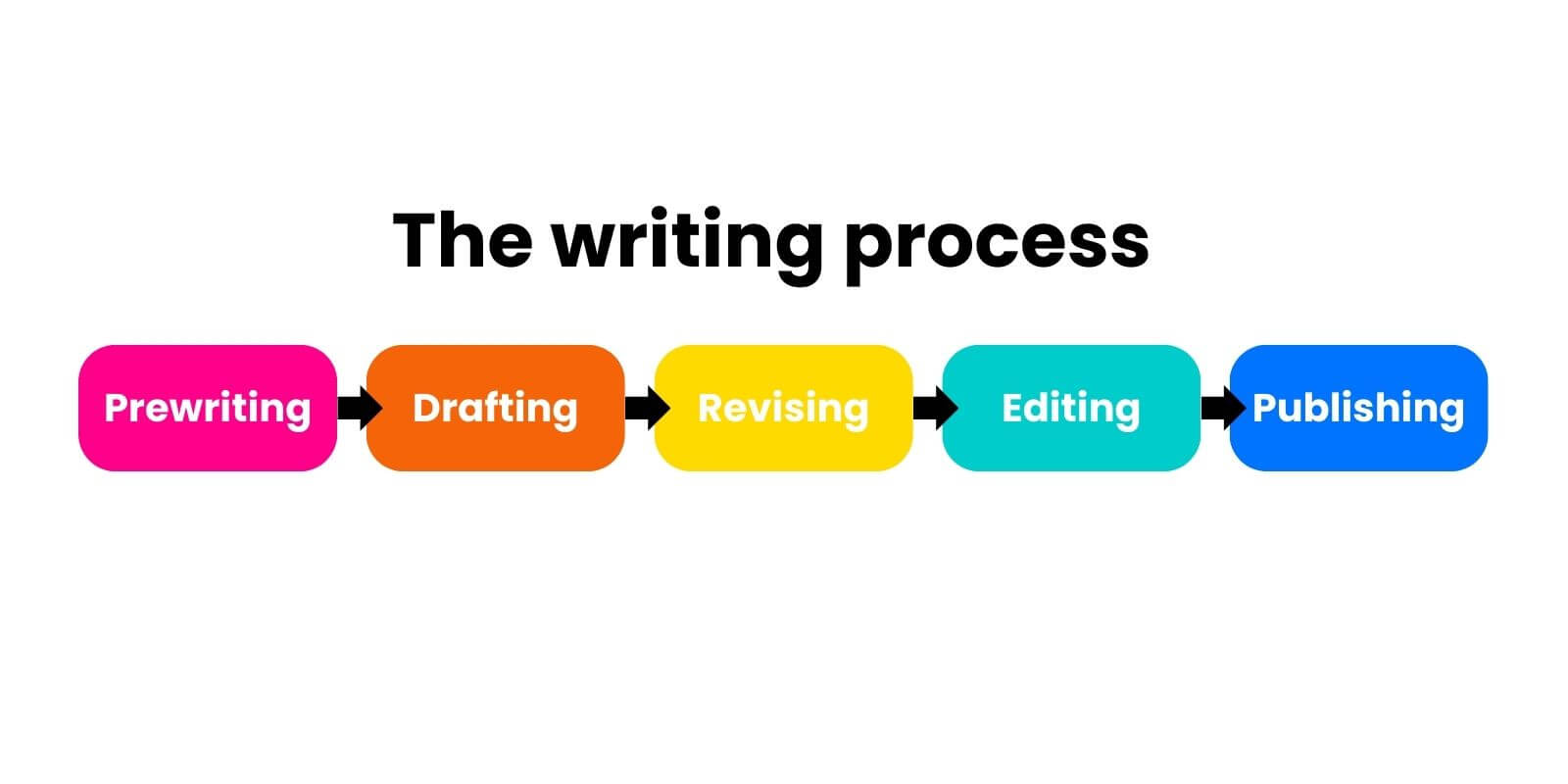
Key Takeaways
- Structured Planning: A well-defined structure is crucial for organizing ideas effectively.
- AI Integration: Leveraging AI tools can enhance content quality and streamline the writing process.
- Audience-Centric Approach: Understanding and targeting your audience ensures relevance and engagement.
Introduction
Article writing is a fundamental skill in the realms of education, marketing, and content creation. Whether you're a seasoned writer or a novice, understanding the intricacies of crafting compelling articles can significantly impact your ability to communicate ideas effectively. This guide delves into the essential steps and best practices for writing articles that captivate and inform your audience.
Choosing a Topic and Defining Your Audience
Selecting a Relevant Topic
The foundation of any great article lies in its topic. Selecting a subject you're passionate about or one that resonates with your intended audience ensures sustained interest and enthusiasm throughout the writing process.
Tips for Choosing a Topic:
- Identify areas where you possess expertise or a keen interest.
- Research trending subjects within your niche to tap into current interests.
- Consider the needs and preferences of your target audience to ensure relevance.
Understanding Your Audience
Tailoring your article to meet the expectations and interests of your audience is paramount. An audience-centric approach not only enhances engagement but also ensures that your content provides genuine value.
Strategies to Define Your Audience:
- Analyze demographic information such as age, gender, and location.
- Understand the educational background and knowledge level of your readers.
- Identify the problems or questions your audience seeks to address through your article.
Research and Planning
Conducting Comprehensive Research
Effective article writing is underpinned by thorough research. Gathering accurate information, statistics, and expert opinions lends credibility to your content and provides a solid foundation for your arguments.
Research Techniques:
- Utilize reputable sources such as academic journals, industry reports, and authoritative websites.
- Collect data and statistics to support your claims.
- Incorporate quotes and insights from subject matter experts to add depth.
Creating an Outline
An organized outline serves as a roadmap for your article, ensuring a logical flow of ideas and preventing writer's block.
Components of an Effective Outline:
- Title: Craft a compelling and descriptive headline that encapsulates the essence of your article.
- Introduction: Present the topic and engage readers with a hook that piques their interest.
- Body: Divide the main content into sections with clear subheadings, each addressing a specific aspect of the topic.
- Conclusion: Summarize key points and provide a call to action or final thought.
Developing a Strong Structure
Crafting a Compelling Headline
The headline is the first point of contact with your readers. A well-crafted title not only attracts attention but also sets the tone for the entire article.
Tips for Creating Effective Headlines:
- Be clear and concise, avoiding ambiguity.
- Incorporate keywords to enhance search engine optimization (SEO).
- Create a sense of urgency or curiosity to encourage clicks.
Writing an Engaging Introduction
The introduction should hook your readers and provide a snapshot of what the article will cover. It sets the stage for the detailed discussion that follows.
Elements of a Strong Introduction:
- Hook: Start with a surprising fact, a rhetorical question, or a compelling anecdote.
- Context: Provide background information to help readers understand the significance of the topic.
- Thesis Statement: Clearly state the main purpose or argument of the article.
Organizing Main Points
The body of your article should systematically explore the main points outlined in your introduction. Each section should flow logically to maintain coherence and readability.
Structuring the Body:
- Use subheadings to break down complex information into digestible sections.
- Incorporate bullet points or numbered lists to highlight key information.
- Provide evidence and examples to substantiate your claims.
Including Supporting Evidence
Backing up your statements with credible sources enhances the reliability of your article. Ensure that all data and quotes are accurately cited to maintain integrity.
Crafting a Meaningful Conclusion
The conclusion should encapsulate the main insights of your article and leave a lasting impression on the reader.
Strategies for an Effective Conclusion:
- Summarize the key points discussed in the article.
- Provide a call to action, encouraging readers to engage further.
- End with a thought-provoking statement or question to foster reflection.
Writing the Draft
Starting Strong
Begin your draft with a captivating introduction that draws readers in and sets the tone for the rest of the article.
Effective Opening Techniques:
- Start with a compelling statistic or fact.
- Pose a rhetorical question to engage readers.
- Share a relevant anecdote or personal story.
Developing Body Content
Elaborate on each main point with clarity and depth, ensuring that your arguments are well-supported and logically presented.
Best Practices for Body Content:
- Maintain a consistent tone and style throughout.
- Use clear and concise language to convey your message effectively.
- Incorporate transitions between paragraphs to enhance flow.
Ending with a Call to Action
A strong conclusion not only summarizes your points but also motivates readers to take desired actions, such as sharing the article or exploring related topics.
Editing and Proofreading
Reviewing for Clarity and Coherence
Thorough editing ensures that your article is free of errors and that the content flows smoothly, making it more enjoyable and easier to understand for your readers.
Editing Techniques:
- Read the article aloud to catch awkward phrasing and inconsistencies.
- Ensure that each paragraph transitions logically to the next.
- Eliminate redundant words and phrases to enhance conciseness.
Utilizing AI Writing Tools
AI-powered tools can assist in refining your article by suggesting improvements in grammar, style, and structure. They serve as valuable assistants in the editing process.
Popular AI Writing Tools:
| Tool | Features | Website |
|---|---|---|
| Simplified | Generates full articles from topics, SEO-friendly content | simplified.com |
| Smodin | Free AI writer for articles, website copy, and social media | smodin.io |
| GravityWrite | Generates unique, high-quality articles instantly | gravitywrite.com |
| Grammarly | Improves grammar, tone, and formality; AI-assisted writing | grammarly.com |
Proofreading Carefully
After editing for content and structure, meticulously proofread your article to eliminate grammatical errors, typos, and formatting issues.
Proofreading Tips:
- Use grammar checking tools to identify and correct errors.
- Double-check all facts and figures for accuracy.
- Ensure consistent use of spelling and punctuation throughout the article.
Leveraging AI Assistance Tools
Benefits of AI in Article Writing
AI tools can significantly enhance the efficiency and quality of your article writing process by automating repetitive tasks and providing intelligent suggestions.
Advantages of Using AI Tools:
- Accelerate the content generation process.
- Enhance grammar and style consistency.
- Provide SEO optimization to increase article visibility.
Integrating AI Tools into Your Workflow
Seamlessly incorporate AI tools into your writing routine to maximize productivity and maintain high standards of content quality.
Steps to Integrate AI Effectively:
- Identify the stages of your writing process that can benefit from automation.
- Select AI tools that align with your specific needs and preferences.
- Continuously evaluate the performance of AI tools and adjust usage accordingly.
Publishing and Distribution
Choosing the Right Platform
Selecting the appropriate platform for publishing your article ensures that it reaches your target audience effectively.
Popular Publishing Platforms:
- Personal or company blogs
- Online magazines and journals
- Content-sharing platforms like Medium
- Social media channels
Optimizing for SEO
Implementing SEO best practices increases the discoverability of your article, driving more organic traffic to your content.
SEO Optimization Strategies:
- Incorporate relevant keywords naturally within the content.
- Use descriptive meta titles and descriptions.
- Optimize images with appropriate alt tags.
- Ensure mobile-friendly formatting.
Promoting Your Article
Effective promotion amplifies the reach of your article, attracting a wider audience and fostering engagement.
Promotion Techniques:
-
Share the article across social media platforms.
-
Engage with relevant online communities and forums.
-
Collaborate with influencers or industry experts to widen your reach.
-
Utilize email marketing to notify subscribers of new content.
Conclusion
Mastering the art of article writing involves a blend of strategic planning, effective research, and the utilization of advanced tools. By understanding your audience, structuring your content thoughtfully, and leveraging AI assistance, you can create articles that not only inform but also engage and inspire your readers. Continuous practice and refinement of your writing process will further enhance your ability to produce high-quality content that stands out in the digital landscape.
References
Last updated February 6, 2025