
Crafting Effective Customer Letters: A Comprehensive Guide
Mastering the Art of Customer Communication for Lasting Relationships
Key Insights into Powerful Customer Letters
- Personalization is Paramount: Always address the customer by name to create an immediate connection and ensure your message feels tailored, not generic.
- Clarity and Conciseness Rule: Get straight to the point, use plain language, and organize information with headings and bullet points for easy readability.
- Purpose-Driven Communication: Every customer letter should have a clear objective, whether it's to express gratitude, address a concern, announce a new product, or request an action.
In today's dynamic business landscape, effective communication with customers is not just a courtesy but a strategic imperative. A well-crafted letter can significantly impact customer relationships, fostering loyalty, resolving issues, and even driving sales. From initial welcomes to addressing complaints and expressing appreciation, various types of customer letters serve distinct purposes, each requiring a tailored approach to ensure clarity, professionalism, and empathy.
The Essence of Customer Communication
Customer letters are a fundamental form of business communication, acting as a direct line between a company and its clientele. These documents can be delivered via traditional mail or email, adapting to the preferences of the modern consumer. The primary goal is to convey information effectively while maintaining a positive and professional tone, thereby strengthening the bond between the business and its customers.
Foundational Elements of Any Customer Letter
Regardless of the letter's specific purpose, several universal elements contribute to its effectiveness:
- Professional Letterhead: A high-quality letterhead featuring your company's name or logo immediately establishes credibility and professionalism.
- Date: Always include the current date in a standard format, such as "June 2, 2025," for clarity and record-keeping.
- Recipient's Information: Accurately include the customer's full name, address, and any relevant details like PO Box or office suite. Spelling the name correctly is crucial for personalization.
- Personalized Salutation: Begin with a greeting that includes the customer's name, like "Dear [Customer's Name]," to make the letter personal from the outset. Avoid generic salutations like "Dear Valued Customer" unless absolutely necessary for a mass communication where individual names are impractical.
- Clear Purpose in Introduction: State the reason for the letter directly in the opening paragraph. This helps the customer understand the main message immediately.
- Concise and Clear Body: The main section of the letter should provide detailed information without unnecessary jargon. Use everyday language and, where appropriate, employ headings and bullet points to break down large chunks of text and improve readability. Stick to one idea per sentence for maximum clarity.
- Professional Closing: Use a polite and professional closing, such as "Sincerely" or "Regards," followed by your name, title, and company name. Hand-signing the letter, ideally in a different color ink, can add a personal touch.
- Contact Information: Provide clear contact details (phone number, email address) in case the customer has further questions or needs assistance.
Navigating Diverse Customer Letter Scenarios
Customer letters serve a multitude of functions. Understanding the nuances of each type ensures your message hits the mark and achieves its intended outcome.
Customer Appreciation and Thank You Letters
Expressing gratitude is a powerful way to build and maintain strong customer relationships. Thank you letters can acknowledge new customers, celebrate long-term loyalty, or show appreciation for feedback or purchases. These letters should be sincere, conveying warmth and valuing the customer's business. They can even gently promote products or services, like offering a discount on a future purchase, but the primary focus should remain on gratitude.
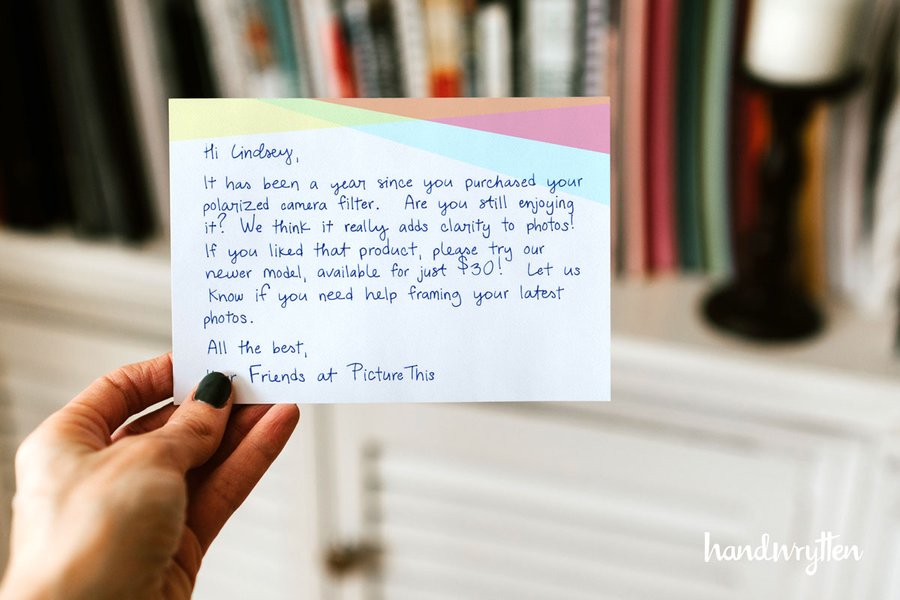
Expressing gratitude through a handwritten thank you card strengthens customer bonds.
Addressing Customer Complaints and Concerns
When a customer has a complaint, a prompt, clear, and empathetic response is crucial. The letter should acknowledge the issue, express regret for any inconvenience, explain the steps taken or planned to resolve the problem, and offer a clear resolution. It's vital to remain polite and reasonable, as the individual reading the letter may not have caused the problem but can be instrumental in resolving it. Including options for feedback reinforces a commitment to customer satisfaction.
Here's a breakdown of how to structure a complaint response:
- Acknowledge Receipt: Confirm that you have received and understood their complaint.
- Empathize: Show that you understand their frustration or inconvenience.
- State the Issue Clearly: Briefly reiterate the problem to confirm mutual understanding.
- Explain Resolution: Detail the steps you are taking to resolve the issue or the solution you are offering.
- Next Steps and Contact: Inform them of any further actions required from them or what they can expect next, and provide direct contact information for follow-up.
Sales and Promotional Letters
Sales letters are designed to convince customers to invest in a product or service. They should be personal and informal in tone, inviting readers to explore an offer. Key components include a compelling headline or hook, highlighting the value proposition, explaining benefits, and a clear call to action. Introducing a timeline for a deal can heighten urgency and encourage immediate engagement.
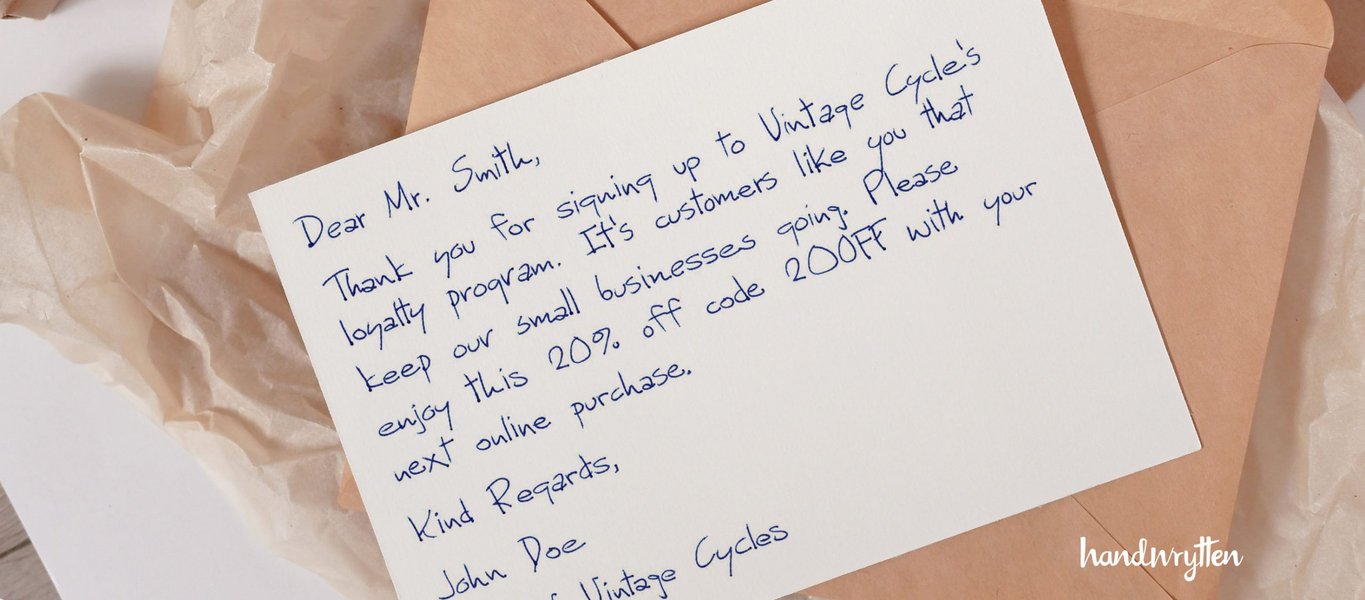
Handwritten sales letters can add a unique, personal touch to outreach.
For sales letters, focus on:
- Identifying Pain Points: Show that you understand your potential customer's needs and challenges.
- Highlighting Solutions: Explain how your product or service provides a clear solution.
- Compelling Call to Action: Make it easy for the customer to take the next step, whether it's visiting a link or making a purchase.
Customer Service Cover Letters
While not a direct letter to a customer, a customer service cover letter is an essential document for individuals seeking roles where customer interaction is central. It demonstrates the applicant's ability to communicate effectively with customers. Such a letter should highlight skills like problem-solving, active listening, and communication, often through specific examples of resolving customer issues or exceeding expectations. Personalization to the specific company and role is vital, showcasing genuine interest and alignment with company culture.
This video provides valuable insights into crafting a compelling customer service cover letter, a crucial skill for anyone aiming for a customer-facing role.
This video delves into the specifics of how to write a customer service cover letter, offering a roadmap for creating a document that stands out. It emphasizes the importance of tailoring your letter to the specific job, highlighting relevant skills and experiences, and expressing genuine enthusiasm for the role. Mastering the art of cover letter writing is a foundational communication skill that translates directly into effective customer interactions.
Other Important Customer Letter Types
- Welcome Letters: For new customers, these letters express excitement about their choice and provide initial guidance or resources.
- Information Update Letters: Used to inform customers about changes in service, terms, or to request updated contact information. Clarity and a clear subject line are essential.
- "We Miss Your Business" Letters: Aimed at regaining former customers, these letters should be human, helpful, and genuine, often addressing the reasons for their departure and offering incentives to return.
Key Elements for Customer Letter Effectiveness
To ensure your customer letters resonate and achieve their purpose, consider these crucial aspects:
Tone and Language
The tone of your letter should always remain professional, yet it can be adjusted to be more informal or casual depending on your relationship with the specific customer. Using clear, concise language free of jargon or acronyms unfamiliar to the reader is paramount. The active voice generally establishes a more assertive and direct tone, enhancing clarity.
Structure and Readability
A well-structured letter is easy to read and understand. Beyond the introduction, body, and conclusion, employing headings and bullet points for large chunks of information significantly improves readability. Ensuring that only relevant details describing the problem and desired resolution are included, especially in complaint letters, maintains focus and clarity.
The Power of Personalization
Personalization goes beyond just using the customer's name. It involves tailoring the content to the specific situation and the customer's unique needs or history with your company. This ensures the letter is relevant, professional, and personable, making the customer feel valued rather than just another recipient of a mass mailing.
Consider the contrast:
    // Less Effective (Generic)
    Dear Valued Customer,
    We are pleased to announce updates to our services.

    // More Effective (Personalized)
    Dear Ms. Johnson,
    We hope this message finds you well. To ensure we continue providing you with the best service, please take a moment to update your contact information.
Analyzing Communication Impact: A Radar Chart Perspective
To visualize the impact of different communication strategies in customer letters, the following radar chart illustrates key performance indicators (KPIs) based on opinionated analysis. This chart compares a "Generic Approach" versus a "Personalized & Strategic Approach" across several crucial aspects of customer communication.
As the radar chart illustrates, a Personalized & Strategic Approach to customer letters consistently outperforms a Generic Approach across critical metrics like customer engagement, issue resolution, brand perception, retention, conversion, and overall satisfaction. This visual representation underscores the importance of thoughtful, tailored communication in building strong and lasting customer relationships.
Comparative Overview of Customer Letter Types
This table summarizes various customer letter types, highlighting their primary purpose, key characteristics, and ideal tone to guide effective communication.
| Letter Type | Primary Purpose | Key Characteristics | Ideal Tone |
|---|---|---|---|
| Appreciation/Thank You | Express gratitude, build loyalty | Sincere, personalized, may include small offer | Warm, appreciative, friendly |
| Complaint Response | Address issues, offer resolution, maintain trust | Empathetic, clear explanation of steps, solution-oriented | Apologetic, professional, reassuring |
| Sales/Promotional | Drive conversions, introduce products/services | Compelling headline, value proposition, clear call to action | Persuasive, informative, exciting |
| Welcome Letter | Onboard new customers, provide initial guidance | Enthusiastic, informative, supportive | Friendly, welcoming, helpful |
| Information Update | Communicate changes, request data updates | Clear subject line, concise details, actionable request | Formal, informative, direct |
| "We Miss Your Business" | Re-engage dormant customers | Human, empathetic, potentially offer incentive | Genuine, understanding, inviting |
| Customer Service Cover Letter | Secure customer-facing job roles | Highlights relevant skills, personalized to company/role, examples of service excellence | Enthusiastic, professional, confident |
Frequently Asked Questions About Customer Letters
What is the most important element of a customer letter?
How can I make my customer letters more personal?
Should customer letters always be formal?
What should I do if a customer has multiple complaints?
Conclusion: The Art of Connecting Through Correspondence
Writing effective letters to customers is an art form that blends professional communication with genuine empathy and strategic intent. Whether you're thanking a loyal client, addressing a complex complaint, or launching a new product, the principles of clarity, personalization, and purpose remain paramount. By adhering to established formats, choosing the right tone, and focusing on the customer's perspective, businesses can transform simple correspondence into powerful tools for building and nurturing strong, lasting relationships. In an increasingly digital world, a thoughtful, well-crafted letter can truly stand out, demonstrating a commitment to excellent customer service and fostering invaluable loyalty.
Recommended Further Reading
- How to write an effective customer appreciation email?
- What are the best practices for handling customer complaints via written communication?
- How should I structure a compelling sales letter for new product launches?
- What are some tips for personalizing business communication with clients?