
Unlocking Workplace Performance: Your Deep Dive into the DDDLP Qualification
Discover how Singapore's leading program transforms learning design and development professionals.
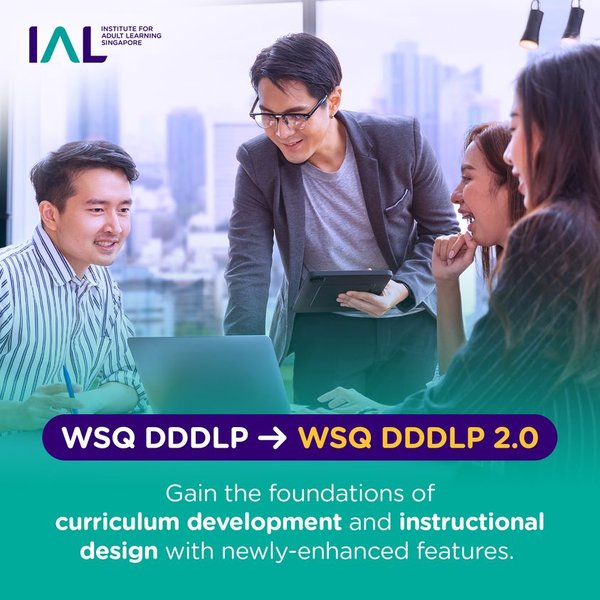
The DDDLP 2.0 program, designed for the evolving needs of adult educators.
Essential Insights into DDDLP
- Comprehensive Qualification: The WSQ Diploma in Design and Development of Learning for Performance (DDDLP) is a premier Singaporean qualification for professionals aiming to master curriculum development and instructional design, with a strong emphasis on creating impactful blended learning solutions.
- Future-Ready Skills: DDDLP equips individuals with creative and analytical capabilities to design learner-centric experiences that directly address authentic workplace learning and performance needs, aligning with the Skills Framework for Training and Adult Education (SFw TAE).
- Flexible Learning with DDDLP 2.0: Launched from May 2025, DDDLP 2.0 introduces enhanced flexibility through modular and cohort-based pathways, making it more accessible for working adults and integrating contemporary tools, including generative AI, into the learning design process.
Decoding DDDLP: A Comprehensive Overview
The acronym "DDDLP" stands for the Workforce Skills Qualifications (WSQ) Diploma in Design and Development of Learning for Performance. This program, administered by the Institute for Adult Learning (IAL) in Singapore, is meticulously designed to cultivate skilled professionals capable of architecting and implementing effective learning solutions tailored to enhance performance in the workplace.
It has replaced the former WSQ Diploma in Adult and Continuing Education (DACE), signaling a refreshed focus on performance-driven learning design. The DDDLP is a cornerstone qualification for individuals aspiring to excel in the dynamic field of adult education and corporate training, emphasizing practical application and innovative instructional strategies.
Core Mission and Program Objectives
The primary goal of the DDDLP is to develop creative and analytical blended learning designers. Participants are trained to:
- Conduct thorough learning needs and performance analyses to identify skill gaps and organizational requirements.
- Design user-centered, blended curricula that seamlessly integrate various learning modalities (classroom, online, workplace-based).
- Develop engaging and effective learning resources and courseware.
- Apply reflective practice for continuous professional growth and improvement of instructional methods.
- Adapt to the rapidly changing business landscape and technological advancements in education.
Who is the Ideal Candidate for DDDLP?
The DDDLP program is tailored for a diverse range of professionals, including:
- Trainers and Assessors: Individuals looking to expand their expertise into curriculum and courseware design.
- Curriculum Developers: New or practicing professionals, especially those working within the WSQ framework or aspiring to.
- Instructional Designers: Those seeking to deepen their skills in creating impactful learning experiences.
- Learning and Development (L&D) Professionals: Individuals responsible for designing and managing training programs within organizations.
- Subject Matter Experts (SMEs): Experts in various domains who wish to translate their knowledge into effective learning programs.
- Adult Educators: Professionals involved in adult and continuing education who want to enhance their design and development capabilities.
Delving into DDDLP 2.0: The Enhanced Program
Recognizing the evolving demands of the modern workplace and the adult learning landscape, the Institute for Adult Learning (IAL) has introduced DDDLP 2.0, which commenced in May 2025. This revised program builds upon the strengths of its predecessor while offering greater adaptability and relevance.

DDDLP attracts professionals from diverse backgrounds aiming to specialize in learning design.
Key Enhancements in DDDLP 2.0
Enhanced Flexibility and Accessibility
One of the most significant updates in DDDLP 2.0 is the introduction of dual learning pathways:
- Cohort-Based Pathway: A structured approach where participants progress through the modules with a peer group, typically completed in approximately 12 months.
- Modular Pathway: A self-paced option allowing learners to complete modules individually, offering greater flexibility to balance studies with work and personal commitments. The maximum candidature period for completion is 2 years from the course start date.
This dual-pathway system caters to the varied needs and schedules of working adults, making the qualification more accessible.
Integration of Modern Tools and Pedagogies
DDDLP 2.0 places a strong emphasis on incorporating contemporary educational technologies and instructional strategies. This includes exploring the use of tools like generative AI to assist in the design and development of learning materials, ensuring graduates are equipped with future-ready skills.
Reduced Prerequisites
While maintaining the program's rigor and high standards, some prerequisites have been minimized in DDDLP 2.0 to broaden accessibility without compromising the quality of learning outcomes.
Continued Alignment with Industry Standards
The program remains firmly aligned with the Skills Framework for Training and Adult Education (SFw TAE), ensuring that the competencies developed are directly relevant to industry needs and recognized nationally.
Program Structure and Core Competencies
The DDDLP program is typically structured around 220 learning hours. Its curriculum is designed to build a comprehensive skill set in learning design and development, focusing on practical application and learner-centric principles. The curriculum is often organized into Learning Pillars (LPs) or modules, each targeting specific competencies.
Key Learning Areas
- LP1: Apply Reflective Practice for Professional Mastery: This foundational component focuses on analyzing learning and development trends, enhancing professional identity, building a career portfolio, and fostering lifelong learning. It encourages educators to adapt to evolving industry demands through self-reflection.
- LP2: Perform Learning and Performance Needs Analysis: Participants learn to conduct thorough needs analyses to identify performance gaps in the workplace and design targeted, user-centered learning solutions.
- LP3: Design User-Centered Blended Curriculum: This area covers the creation of curricula that effectively integrate various blended learning elements (face-to-face, online, workplace learning, digital resources) to meet authentic learning needs and enhance engagement.
- Learning Resource Development: Focuses on creating high-quality instructional materials, including digital content, that align with blended learning methodologies and pedagogical best practices.
Competency Development Focus
The DDDLP program aims to develop a range of critical competencies. The radar chart below visualizes the emphasis placed on key skill areas within the program, reflecting both the core curriculum and the demands of the modern L&D landscape.
This chart illustrates how DDDLP focuses on developing a well-rounded L&D professional, emphasizing skills like Blended Learning Expertise, Learner-Centric Approach, and Technology Integration, which are also highly sought after in the industry.
Navigating the DDDLP: Key Concepts Visualized
To better understand the interconnected components of the DDDLP program, the following mindmap outlines its core structure, features, target audience, and outcomes. This visualization helps to quickly grasp the breadth and depth of the qualification.
Modular & Cohort Pathways"] id3b["Reduced Prerequisites"] id3c["Integration of Modern Tech (e.g., Generative AI)"] id3d["Adaptation to Evolving Business & Learning Needs"] id4["Ideal Participants"] id4a["Trainers & Assessors"] id4b["Curriculum Developers (New & Practicing)"] id4c["Instructional Designers"] id4d["L&D Professionals"] id4e["Subject Matter Experts (SMEs)"] id5["Key Curriculum Pillars"] id5a["Learning & Performance Needs Analysis"] id5b["User-Centered Blended Curriculum Design"] id5c["Learning Resource Design & Development"] id5d["Apply Reflective Practice for Professional Mastery"] id5e["Instructional Strategies for Diverse Environments"] id6["Anticipated Outcomes & Benefits"] id6a["Attainment of a Nationally Recognized WSQ Diploma"] id6b["Enhanced Professional Credibility & Marketability"] id6c["Advanced Skills in Designing Modern Learning Solutions"] id6d["Improved Employability in L&D and Adult Education Roles"] id6e["Capability to Lead & Manage Adult Learning Programs"]
This mindmap showcases how various elements, from the foundational philosophy to the specific curriculum components and learner outcomes, contribute to making DDDLP a comprehensive qualification for aspiring and practicing learning design professionals.
Eligibility, Policies, and Practicalities
Entry Requirements
To enroll in the DDDLP program, prospective participants generally need to meet the following criteria:
- English Language Proficiency: Effective verbal and written communication skills in English are essential. This is typically demonstrated by a minimum B4 grade in English at GCE 'O' Level or its equivalent (e.g., Workplace Literacy Level 7 or above under the WSQ Employability Skills framework).
- Information Technology (IT) Skills: Good proficiency in IT is required, including the use of web browsers, word processing software, presentation tools, and basic online research skills.
Important Program Policies
- Reassessment: In the event a participant is assessed as "Not-Yet-Competent" (NYC) for a module, a one-time reassessment opportunity is usually available. This typically must be requested within a specified timeframe (e.g., 5 working days from the original assessment) and may involve a reassessment fee (e.g., $160 before GST, as per some policies noted).
- Maximum Candidature Period: Participants are generally required to complete the entire program within a maximum period of 2 years from their course start date.
- Certification: Upon successful completion of all required modules and assessments, participants are awarded the WSQ Diploma in Design and Development of Learning for Performance. This certificate is nationally recognized and can often be accessed via the MySkillsFuture Portal.
Funding and Support
For eligible individuals and sponsoring employers, funding support may be available. This can include Course Fee Funding and Absentee Payroll Funding through SkillsFuture Singapore (SSG) schemes. It is advisable to check the latest funding information on official portals like SkillsFuture for Business or the IAL website.
Gaining Insights: DDDLP in the SkillsFuture Context
The DDDLP plays a significant role within Singapore's broader SkillsFuture movement, which aims to foster a culture of lifelong learning and skills mastery. Understanding how DDDLP aligns with national training initiatives can provide valuable context for aspiring adult educators.
The video below, while general to teaching SkillsFuture courses, touches upon the importance of qualifications like DDDLP for trainers and courseware developers seeking accreditation within this framework. It offers a glimpse into the ecosystem where DDDLP-qualified professionals operate.
Video discussing aspects of teaching WSQ SkillsFuture courses, relevant for understanding the context of DDDLP.
This video provides a broader perspective on the SkillsFuture landscape, where the skills and qualifications gained through DDDLP are highly valued. Professionals with DDDLP are well-positioned to contribute to the development of high-quality training programs that meet the standards and objectives of national skills development initiatives.
Program Benefits and Career Advancement
Completing the WSQ DDDLP offers substantial benefits, both in terms of professional development and career opportunities.
Key Advantages of DDDLP Certification
Enhanced Professional Credibility
The WSQ Diploma is a nationally recognized qualification, significantly boosting a professional's standing in the Training and Adult Education (TAE) sector.
Advanced Skill Set
Graduates acquire in-demand skills in learning needs analysis, blended curriculum design, development of engaging learning resources, and reflective practice.
Improved Employability
The DDDLP opens doors to a variety of roles in educational institutions, corporate training departments, and human resource development.
Potential Career Roles for DDDLP Graduates
The comprehensive skills developed through the DDDLP program prepare graduates for a range of specialized roles within the learning and development field. The following table summarizes some key career paths that DDDLP holders can pursue:
| Career Role | Description of Responsibilities |
|---|---|
| Curriculum Developer | Designs and develops comprehensive learning curricula, ensuring alignment with learning objectives and industry standards. Focuses on structuring content logically and effectively. |
| Instructional Designer | Creates engaging and effective learning experiences and materials using various instructional methodologies, including blended and online learning. Focuses on the pedagogy and user experience of learning. |
| Learning and Development (L&D) Manager / Specialist | Oversees or contributes to the organization's training strategy, identifies learning needs, and manages the design, delivery, and evaluation of training programs. |
| Corporate Trainer / Facilitator | Delivers training programs to employees, often specializing in particular subject areas. May also be involved in customizing or developing training content. |
| Courseware Developer | Focuses specifically on creating learning materials, which can include digital content, e-learning modules, workbooks, and multimedia assets. |
| Adult Educator | Works in various adult learning settings, designing and delivering educational programs for adult learners, often with a focus on vocational skills or continuing education. |
Participants often describe the DDDLP journey as intensive yet highly fulfilling, equipping them with practical skills that are directly applicable to their professional roles and contribute to significant career development opportunities.
Frequently Asked Questions (FAQ)
What does DDDLP stand for? +
DDDLP stands for the WSQ Diploma in Design and Development of Learning for Performance. It is a professional qualification in Singapore focused on curriculum development and instructional design for adult learning.
Who should consider enrolling in the DDDLP program? +
The DDDLP is ideal for trainers, assessors, curriculum developers, instructional designers, L&D professionals, and subject matter experts who wish to enhance their skills in designing and developing effective blended learning solutions for workplace performance.
What is the typical duration of the DDDLP program? +
The DDDLP program consists of approximately 220 learning hours. With DDDLP 2.0, the cohort-based pathway typically takes around 12 months, while the modular pathway allows completion at a self-paced manner within a maximum candidature period of 2 years.
What are the key skills developed in the DDDLP program? +
Key skills include conducting learning needs analysis, designing learner-centric blended curricula, developing engaging learning resources, applying reflective practice for professional development, and integrating technology into learning solutions.
Is the DDDLP qualification recognized? +
Yes, the WSQ Diploma in Design and Development of Learning for Performance is a nationally recognized qualification under the Singapore Workforce Skills Qualifications (WSQ) framework. It is aligned with the Skills Framework for Training and Adult Education (SFw TAE).
What are the main differences with DDDLP 2.0? +
DDDLP 2.0, available from May 2025, offers increased flexibility with modular and cohort-based pathways, has reduced prerequisites, and incorporates the latest technology tools and instructional strategies, including an introduction to generative AI in learning design.
Recommended Further Exploration
To deepen your understanding of related topics, consider exploring these queries:
- What are the core principles of blended learning design?
- How does the Skills Framework for Training and Adult Education (SFw TAE) impact L&D professionals in Singapore?
- What is the role of learning needs analysis in effective workplace training?
- How is generative AI being used in instructional design and curriculum development?
References
Last updated May 8, 2025