
Ultimate Travel Guide to Xiahe
Explore the cultural and natural wonders of Little Tibet
Key Takeaways
- Rich Cultural Heritage: Experience the grandeur of Labrang Monastery and immerse yourself in Tibetan Buddhist practices.
- Breathtaking Natural Scenery: Discover pristine grasslands, unique geological formations, and serene lakes that capture the spirit of the plateau.
- Practical Travel Tips: Get detailed information on transportation, local activities, and insider advice for a hassle-free journey.
Introduction to Xiahe
Located in Gannan Tibetan Autonomous Prefecture of Gansu Province, Xiahe is renowned as “Little Tibet” or the “Eastern Vatican.” This culturally vibrant destination offers travelers a rare blend of historical architecture, traditional Tibetan culture, and natural landscapes that range from expansive grasslands to serene lakes and dramatic cliff formations. In this comprehensive travel guide, we explore the must-see attractions, a variety of activities to engage in, and effective strategies for getting to and around Xiahe.
Must-See Attractions in Xiahe
Labrang Monastery
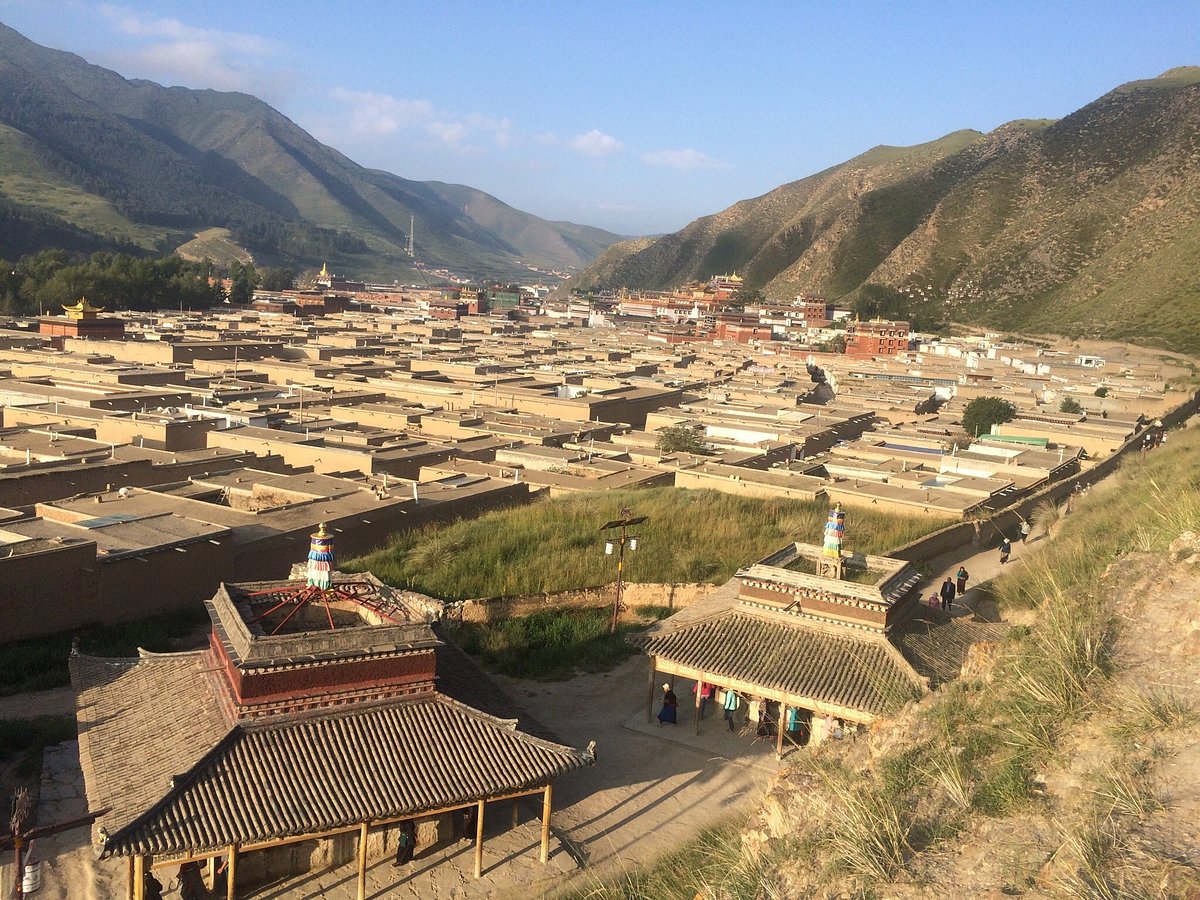
Labrang Monastery is arguably the centerpiece of Xiahe’s cultural heritage. Founded over three centuries ago and regarded as one of the major Tibetan Buddhist academies, the monastery is famed for its elaborate architecture, sacred scriptures, and vibrant daily rituals. Visitors often witness engaging debates among monks, absorbing prayer routines, and the ancient practice of circumambulation around the temple complex. This spiritual hub allows travelers to understand Tibetan Buddhism’s profound influence on the region.
Natural Landscapes
Xiahe’s natural scenery is just as compelling as its cultural landmarks. A stroll across the Sangke Grassland reveals vast expanses with rolling hills, grazing yaks and sheep, and a horizon that stretches into the distance. The landscape offers an unparalleled opportunity for activities like horseback riding and photography. Another highlight is the stunning Darzong Lake, a tranquil body of water encircled by lush forests and mountains. The lake’s reflective surface and the surrounding prayer flags enhance its mystical ambiance.
White Stone Cliffs and Ganjia Secret Realm
The White Stone Cliffs provide a dramatic natural setting that contrasts the spiritual calm of the monasteries. These cliffs, with intricate geological formations and hidden cave temples, offer a serene retreat for those looking to explore nature and art combined. Similarly, the Ganjia Secret Realm, with its rugged terrain, invites adventurous souls to witness the interplay between nature and history.
Things to Do in Xiahe
Participate in Monastic Rituals and Cultural Practices
A visit to Xiahe would be incomplete without engaging in the daily rituals at Labrang Monastery. Take the opportunity to walk the kora (a prayer circuit around the monastery) where you may spin traditional prayer wheels inscribed with sacred texts. This practice is believed to accumulate spiritual blessings and offers an intimate glimpse into Tibetan Buddhist life. Visitors are encouraged to partake in respectful observation—dressing modestly and excusing themselves for quiet participation in the rituals.
Experience Traditional Tibetan Festivals and Local Markets
Throughout the year, Xiahe hosts several local festivals and cultural events that provide insights into Tibetan traditions. The lively celebrations of Tibetan New Year, complete with music, dance, and ritual ceremonies, offer a glimpse into the community’s vibrant culture. Moreover, the local markets are treasure troves of handmade textiles, unique jewelry, and traditional handicrafts. Shopper and cultural enthusiasts alike will appreciate the opportunity to interact with local artisans and purchase authentic souvenirs.
Adventure and Nature Activities
Besides cultural immersion, Xiahe is a haven for nature lovers and outdoor adventurers. Horseback riding across the endless expanse of Sangke Grassland is a popular activity, allowing visitors to gallop freely and experience the nomadic lifestyle. Hiking along the rugged paths near White Stone Cliffs and Darzong Lake provides unforgettable vistas and quiet moments of reflection. For those with a creative flair, participating in traditional Tibetan Thangka art workshops can be a rewarding cultural experience.
Capture the Magic through Photography
The interplay of natural light, ancient architecture, and the ever-changing moods of the sky makes Xiahe a photographer's paradise. Whether it’s the early morning glow over the grasslands or the dramatic shadows across centuries-old murals in the monasteries, every scene in Xiahe tells a story. Guided photographic tours are available for both amateur and professional photographers who wish to capture these unique moments.
How to Get to and Around Xiahe
Reaching Xiahe: Transportation Options
Xiahe is conveniently accessible through a number of transportation options, each suited to different travel preferences and budgets. One of the most popular gateways to Xiahe is via Lanzhou, the capital of Gansu Province, which is well-connected to major cities across China. Once in Lanzhou, travelers can opt for buses, trains, or private transfers to reach Xiahe.
By Air
The nearest major airport is Lanzhou Zhongchuan International Airport. From here, several bus services and taxis can ferry you to Xiahe. Additionally, direct flights to smaller regional airports like the Gannan Xiahe Airport are available from select cities, providing quicker access to the destination.
By Train
Train travel is another efficient mode of transportation. Frequent trains connect Lanzhou to key transit points in Gansu Province, and from these cities, bus services or local taxis provide the last leg of the journey to Xiahe. The train ride itself offers breathtaking views, setting the mood for your cultural adventure.
By Bus or Car
Direct bus services from Lanzhou or other neighboring cities, such as Xining and Chengdu, offer an affordable and scenic route to Xiahe. For those seeking flexibility, renting a private car with GPS navigation or joining an organized tour can provide a more personalized travel experience. These options are particularly useful when exploring attractions in the wider Xiahe region.
Local Transportation Options within Xiahe
Once in Xiahe, the town’s compact size makes it easy to navigate by walking, but there are several local transport services for visitors wishing to explore further afield. Taxis are affordable and readily available for short distances; local buses connect main attractions like Labrang Monastery, the grasslands, and lakes; and bike rentals provide an efficient and eco-friendly option for those who prefer self-guided tours. Organized tours or private car hires are also highly recommended for visiting remote geographical features such as the Ganjia Secret Realm and White Stone Cliffs.
Comparison of Transport Methods
The table below provides a quick overview of the transportation modes available to visitors traveling to and around Xiahe.
| Mode of Transport | Pros | Cons |
|---|---|---|
| Air Travel | Fastest; often direct flights; well-connected with major cities | May require transfers; regional airports offer limited flights |
| Train Travel | Scenic routes; efficient; comfortable seating | Limited direct connections; additional transfers may be needed |
| Bus Services | Cost-effective; flexible schedules; local experience | Longer travel time; may be less comfortable during peak seasons |
| Private Car Rental/Tours | Flexible itineraries; personalized service; ideal for remote attractions | Higher cost; requires familiarity with local routes |
Practical Travel Tips for Xiahe
To make your visit as rewarding and stress-free as possible, consider the following practical tips. First, the best time to visit Xiahe is during the warmer summer months when the grasslands are lush and festivals abound. While the altitude may cause slight temperature fluctuations, packing layers of clothing will ensure your comfort during sudden changes. Respect local customs by dressing modestly and observing silence or low conversations in sacred places.
When visiting Labrang Monastery, remember to move slowly along the prayer wheel corridors, preserving the sanctity of ritual practices. Engage with local vendors at markets with an open mind and courteous demeanor to gain authentic insights into Tibetan lifestyle. Lastly, planning your itinerary in advance—whether self-guided or through a local tour operator—will help you experience the best of both cultural and natural attractions.
Where to Stay in Xiahe
Xiahe caters to a range of travelers with diverse accommodation options. From luxury hotels to traditional Tibetan-style homestays, visitors can choose the lodging that best suits their budget and desired level of cultural immersion. Luxury hotels provide modern comforts and often incorporate local aesthetics in their design, while homestays offer an intimate glimpse into everyday Tibetan life and offer a more personalized travel experience.
Accommodation Options
Many hotels are conveniently positioned near major attractions such as Labrang Monastery and local markets, allowing easy access to the highlights of the city. For travelers seeking a more immersive experience, staying with a local Tibetan family can provide authentic insights into regional traditions, culinary practices, and daily routines.
Culinary Delights in Xiahe
No travel guide is complete without a taste of local cuisine. Xiahe offers a variety of dining options ranging from street food to cozy local eateries. Traditional Tibetan dishes, such as butter tea, yak meat specialties, and Tsampa-based recipes, are staples here. Many restaurants near the monastery and market areas serve authentic meals prepared with locally sourced ingredients. Trying these regional dishes provides not only sustenance but also an understanding of the cultural traditions nurtured in this high-altitude region.
Cultural and Recreational Experiences
Aside from temple visits and scenic tours, Xiahe also offers a variety of recreational activities that highlight its rich cultural identity. Visitors have the unique opportunity to attend traditional Tibetan festivals, which feature vibrant music, dance, and ritual ceremonies that have been passed down through generations. Moreover, art enthusiasts can participate in Thangka painting workshops—an intricate art form recognized as part of China’s national intangible cultural heritage. Creating your own Thangka not only hones your creativity but also provides a lasting souvenir of your journey.
Customized Tour Options
For travelers with specific interests or time constraints, many local agencies offer customized tours. These tours can include special arrangements such as private guide services, off-the-beaten-path treks, and tailored cultural exchanges with local Tibetan communities. Whether your interests lie in cultural immersion, adventure tourism, or leisurely exploration, a customized tour ensures that every aspect of your visit corresponds to your personal interests.
Conclusion
Xiahe is a destination that captivates with its enchanting blend of spiritual heritage and awe-inspiring natural beauty. From the majestic Labrang Monastery that offers insights into centuries-old Tibetan practices to the boundless expanses of Sangke Grassland ideal for outdoor adventures, every visitor finds something uniquely rewarding in this Tibetan enclave. Whether you choose to explore ancient temples, participate in local cultural events, or simply take in the soothing landscape, Xiahe promises an enriching travel experience that leaves a lasting memory. Begin your journey with proper planning and immerse yourself deeply in the wonders of this mystical region.
References
Please explore the following links for additional information and insights on Xiahe:
- 2025 Xiahe Travel Guide: Must-see attractions, popular food, hotels... - Trip.com
- THE 10 BEST Things to Do in Xiahe County (2025) - Tripadvisor
- Xiahe Travel Guide: Attractions, Hotels, Itinerary, etc. - ChinaCultureTour
- Xiahe County, China: All You Must Know Before You Go (2025) - Tripadvisor
- Activities in and around Xiahe - Nirvana Hotel Xiahe
- Xiahe - Xiahe Travel Guide, Map, History, Attractions, Transportation - SilkRoadTourCN
- A Journey Through Lanzhou, Xiahe, and Labrang Monastery - BabaGoeschina
- Things to Do in Xiahe in 2025 - Trip.com
- Top 6 Best Things to Do in & around Xiahe: Circumanbulating ... - ChinaCultureTour
- Xiahe Travel Guide - China Discovery
- Xiahe Attractions - Travel China Guide
- Xiahe Travel Guide - Expedia
Learn More
Last updated February 18, 2025