
Understanding the Leading Manufacturer and Their Iconic Electric Instrument
Explore how a global leader has shaped modern music through innovative electric instruments
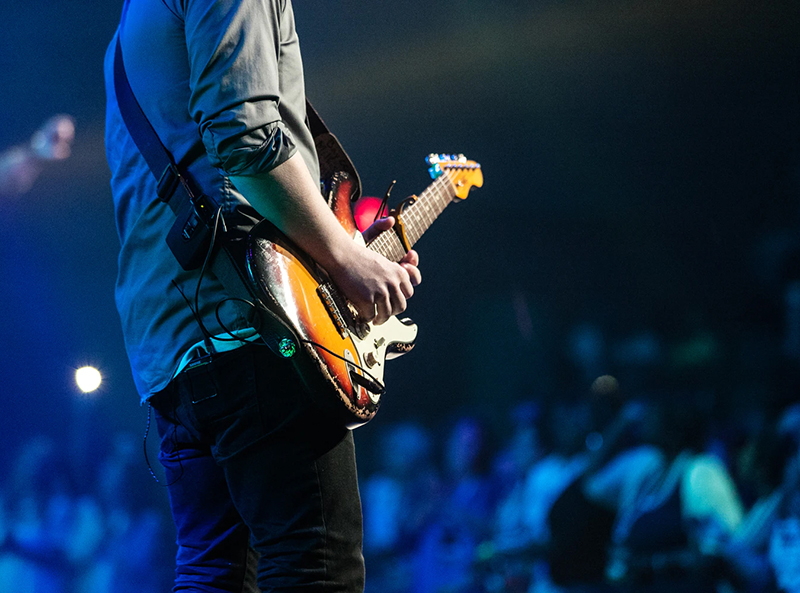
Key Takeaways
- Yamaha Corporation's Dominance: Yamaha is recognized as the world's largest manufacturer of musical instruments, a status that spans across various categories including electric instruments.
- Electric Guitar as a Ubiquitous Instrument: The electric guitar is widely considered an iconic instrument used across multiple music genres such as rock, pop, jazz, and more.
- Instrument Versatility and Cultural Impact: The electric guitar has not only a significant presence in live and recorded music but also holds a symbolic place in the evolution of modern musical culture.
Introduction
In modern musical trends, the role of electric instruments has become undeniably significant. Among these, one instrument has gained large-scale prominence for its versatility, distinctive sound, and cultural impact: the electric guitar. Vast segments of the musical world, from rock legends and pop icons to jazz virtuosos, choose the electric guitar as their medium of expression. Complementing this fact is the role of Yamaha Corporation, whose extensive manufacturing portfolio and status as the world's largest musical instrument producer have firmly placed the company at the forefront of this evolution.
In this detailed analysis, we will delve into the prominence of the electric guitar in various music genres, explore Yamaha Corporation’s impact as a leading instrument manufacturer, and consider the instrument’s historical, cultural, and technological legacy. This comprehensive review integrates multiple perspectives to articulate why Yamaha is widely recognized for manufacturing this ubiquitous instrument and how it continues to influence the modern soundscape.
Overview of Yamaha Corporation's Dominance
Yamaha Corporation has grown into an internationally renowned brand with profound influence in the world of music and musical instruments. Since its inception, Yamaha has developed a reputation not only for quality and innovation but also for its wide-ranging product catalog that touches on nearly every aspect of the musical instrument spectrum. The company's extensive portfolio includes electric pianos, keyboards, electronic drums, and notably the electric guitar. Over the years, Yamaha's reputation has been built on consistent innovation, rigorous quality control, and a passion for musical craftsmanship.
Manufacturing Excellence and Global Reach
Yamaha Corporation’s manufacturing excellence begins with a long history of blending traditional craftsmanship with cutting-edge technology. Their production lines integrate modern robotics and human expertise to achieve impeccable precision and consistency. This blend ensures that each instrument – whether a high-precision electronic keyboard or a finely crafted electric guitar – meets stringent quality standards.
Yamaha’s global reach is unparalleled. With facilities spread across continents and distribution channels that reach almost every corner of the world, Yamaha has managed to create a brand synonymous with reliability and musical excellence. The company’s commitment to innovation is clearly reflected in their diverse product lineup, which includes instruments that cater to beginner musicians, professionals, and even institutions of musical education. As such, Yamaha's status as the world's largest manufacturer of musical instruments supports the view that their role in shaping global music cannot be overemphasized.
The Electric Guitar: A Ubiquitous Electric Instrument
When one considers electric instruments in modern music, the electric guitar often takes center stage. Its sound, which ranges from crisp and clean to distorted and high-energy, is an essential element in constructing the soundscapes of several music genres. The versatility of the electric guitar has made it a staple in rock, pop, jazz, blues, and beyond. From the soulful solos that define rock anthems to the unique textural layers in pop compositions, the electric guitar adapts to various styles and demands an ever-growing following among musicians and enthusiasts alike.
Historical Evolution and Cultural Impact
Historically, the electric guitar emerged as an innovative solution to overcome the limitations of acoustic guitars, particularly in live performance settings. In the mid-20th century, as musical performances grew larger and venues more expansive, the acoustic guitar struggled to maintain its presence in sound. The introduction of the electric guitar transformed live music, allowing electric signals to be amplified, colored by electronic effects, and molded into distinct sounds that captured the imagination of audiences globally.
This transformation not only revolutionized performance practices but also led to a significant cultural shift in the perception of musical instruments. The electric guitar quickly assumed a dual role: as an instrument with technical prowess and as a cultural icon symbolizing passion, rebellion, and artistic expression. It became the medium through which musical genres like rock, blues, and punk expressed their identity and challenged social norms.
Technical and Aesthetic Qualities
The electric guitar’s design incorporates a complex interplay of engineering and artistry. Its technical design — which encompasses pickups, frets, bridges, and electronic circuitry — is the result of decades of iterative innovation. Pickup technology, for instance, converts the vibration of the strings into electrical signals that can be amplified and modulated to produce various sound effects. This capability allows the electric guitar to produce tones and textures that emulate a range of musical expressions.
Besides its technical specifications, the aesthetic appeal of the electric guitar contributes significantly to its iconic status. The instrument is often seen as a work of art, with sleek lines and sometimes flamboyant designs that express individuality and personal style. Musicians often personalize their electric guitars, making each instrument an extension of their artistic persona. In essence, the electric guitar’s technical virtues are matched by its expressive potential, making it an ideal tool for artists seeking ever-evolving sonic landscapes.
Yamaha’s Role in Shaping the Electric Guitar
Yamaha Corporation has played a critical part in shaping both the production and evolution of electric guitars. While other companies in the music industry have indeed forged influential instruments, Yamaha’s contribution to the electric guitar stands out due to its consistent approach to quality and technological innovation.
Design and Innovation
YAMAHA's design philosophy emphasizes both aesthetic beauty and functional versatility. Their electric guitars are engineered to cater to a wide range of musical styles. Each instrument reflects Yamaha's commitment to blending traditional design elements with modern technological advances. Innovations in materials and electronic components enable Yamaha guitars to deliver a balanced tone, excellent durability, and robust performance both in studio recordings and live performances.
Diversification Within the Electric Instruments Category
Although Yamaha is associated with a wide array of instruments (such as electric pianos, keyboards, and electronic drums), their manufacturing prowess in the electric guitar sector is particularly noteworthy. Numerous electric guitars produced by Yamaha have found their way into the repertoires of both amateur and professional musicians. The diversity in Yamaha's product lineup ensures that regardless of the musical context—whether it is a high-energy rock concert or an intimate jazz ensemble—the electric guitar finds a perfect expression of sound and playability.
Global Influence and Market Leadership
Yamaha’s market leadership can be largely attributed to its ability to seamlessly integrate market trends with consumer preferences. The company’s strategies in product development have historically aligned with the evolving needs of modern musicians. Their electric guitars are engineered to meet the demands of an ever-changing music industry, making Yamaha synonymous with reliability and performance.
Comparative Analysis: Yamaha's Electric Guitar in the Global Marketplace
To further understand Yamaha's distinguished role in the market for electric instruments, it is instructive to consider a comparative analysis of Yamaha with other prominent manufacturers. Although many companies have made significant contributions, Yamaha’s expansive presence and technological advancements have solidified its position.
Market Overview
Global musical instrument manufacturing is a competitive landscape populated by firms that have specialized expertise in various niches. Among these, Yamaha’s diversified product portfolio gives it a unique competitive edge. Yamaha’s electric guitar offerings are recognized for their broad appeal, encapsulating both high-end instruments for professionals and well-crafted options for enthusiasts and learners.
Technological Integration and Product Range
The manufacturing techniques and technological integrations within Yamaha’s electric guitars contribute to their market success. For instance, innovations involving digital signal processing, enhanced amplifier compatibility, and the incorporation of ergonomic designs all point to an ongoing evolution in instrument design. This continuous improvement cycle keeps Yamaha at the forefront of the market, ensuring that the electric guitar remains adaptable to the creative needs of musicians in various genres.
Table: Comparative Features of Leading Electric Guitars
| Feature | Yamaha Electric Guitar | Other Leading Brands |
|---|---|---|
| Build Quality | High, with robust construction and innovative materials | Varies; excellent quality often seen but balanced by niche specialization |
| Sound Versatility | Engineered for multiple genres, offering clean and distorted tones | Often specialized; may excel in specific genres but lack cross-genre versatility |
| Technological Integration | Cutting-edge technology integrated with classic design | Significant, though sometimes focused on either vintage or modern sounds |
| Market Reach | Global presence with outstanding product diversity | Generally strong, though may be region-specific or genre-oriented |
Synthesizing the Impact: Yamaha and the Electric Guitar
Bringing together these detailed insights, it is evident that Yamaha Corporation stands as the leading manufacturer when it comes to the production of one of the most ubiquitous electric instruments: the electric guitar. While there are many manufacturers that contribute greatly to the field of electronic musical instruments, Yamaha’s unparalleled production capacity, integration of modern technology, and commitment to crafting high-quality products secure its position as the foremost name in this essential domain of music.
The electric guitar, due to its adaptability across genres and its culturally transformative role in music, serves as a paramount example of how musical instruments can transcend mere functionality to become symbols of artistic expression. Yamaha's commitment to continuously advancing the design and functionality of their electric guitars has enabled them to capture the hearts and ears of millions around the world.
This alignment of manufacturing leadership and instrumental innovation underscores Yamaha’s claim as the single manufacturer responsible for the production of an instrument that is deeply integrated into the fabric of global music culture. As a result, Yamaha's electric guitars are not only technical products but also cultural artifacts that influence musical styles, performance practices, and the creative expressions of countless musicians.
Yamaha's Continuous Innovation: Future Prospects
Looking ahead, Yamaha Corporation continues to invest in research and development for its line of electric guitars and other electronic instruments. The company is dedicated to exploring new frontiers in digital amplification, signal processing, and materials science. This ongoing commitment ensures that Yamaha remains at the forefront of meeting the evolving needs of musicians as they experiment with innovative techniques and styles.
In parallel, the fusion of classic design with modern technological enhancements will likely give rise to new generations of electric guitars that cater to a broader spectrum of musical genres. Yamaha's proactive approach in harnessing new trends – such as the integration of digital interfaces, Bluetooth connectivity, and advanced effects processing – paves the way for a future where electric guitars serve both as traditional instruments and as hubs for digital creativity.
Conclusion
In conclusion, Yamaha Corporation emerges as the clear leader in manufacturing electric instruments across multiple genres, with the electric guitar standing out as the most ubiquitous example. Yamaha’s robust legacy, marked by innovation, superior craftsmanship, and global influence, has positioned the company as a pivotal force in shaping the soundtracks of modern life. The electric guitar, with its dynamic range, adaptability, and cultural significance, remains at the heart of musical evolution, symbolizing the integration of technological progress and artistic vision.
Yamaha’s unwavering commitment to quality and innovation underscores why it is viewed as the single dominant manufacturer producing this iconic electric instrument. As the music industry continues to evolve, Yamaha’s electric guitars are poised to remain central to musical expression, influencing both established genres and emerging creative landscapes.
References
- What Is the World's Best Selling Musical Instrument? - Orchestracentral
- Top 10 Musical Instruments Companies in the World - Medium
-
Electric Instruments: A Comprehensive Guide to Instruments that Use Electricity - Brian Coale
- What Is the Most Popular Instrument in the World? - Height Industry
- Yamaha Corporation - Wikipedia
Recommended Further Queries
Last updated February 22, 2025