
Being Responsible in Two Worlds
Navigating Responsibilities at School and Home
Key Takeaways
- Understanding the distinct responsibilities at school and home.
- Recognizing the overlaps and unique aspects of each environment.
- Developing effective strategies to balance and fulfill responsibilities in both settings.
Introduction
Good morning, Year 4! Today, we're going to embark on an exciting journey to understand what it means to be responsible both at school and at home. Imagine living in two different worlds every day—one where you learn and play with friends, and another where you relax and help your family. Although these worlds are different, being responsible is a superpower that helps you navigate both with ease and confidence.
Understanding Responsibility
Responsibility is all about being dependable and trustworthy. It means doing what you're supposed to do without being told every time. Whether you're at school or at home, being responsible helps create a positive environment where everyone can thrive.
What Does Responsibility Look Like?
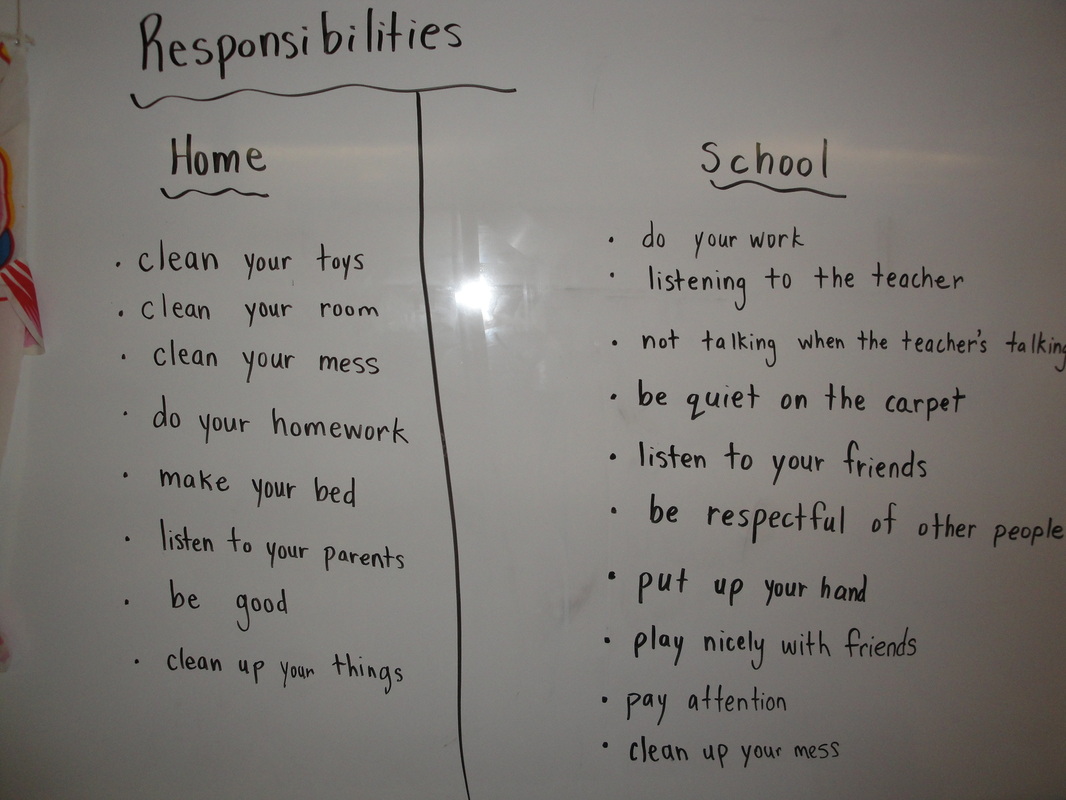
At School
- Arriving on time for classes.
- Completing and submitting homework on schedule.
- Listening attentively to teachers and peers.
- Keeping your classroom clean and organized.
- Helping classmates understand lessons.
- Following school rules and guidelines.
At Home
- Making your bed every morning.
- Helping with household chores like setting the table or cleaning up.
- Caring for pets by feeding them or taking them for walks.
- Assisting younger siblings with their tasks.
- Keeping your personal space tidy and organized.
- Respecting family members and their space.
Responsibility at School
At school, responsibility plays a crucial role in ensuring that everyone can learn effectively and enjoy their time. When you're responsible at school, you contribute to a positive learning environment and help your classmates succeed alongside you.
Key Responsibilities at School
- Punctuality: Being on time shows respect for your teachers and classmates. It ensures that you don't miss out on important instructions or activities.
- Homework and Assignments: Completing your homework on time helps reinforce what you've learned in class and prepares you for upcoming lessons.
- Classroom Behavior: Listening to teachers, following instructions, and engaging positively with peers create a harmonious classroom atmosphere.
- Taking Care of School Property: Looking after school materials and facilities ensures that everyone can use them effectively.
- Helping Others: Assisting classmates who may be struggling with a subject fosters a supportive learning community.
Interactive Segment: Short Skit
Let's watch a short skit that demonstrates responsible behavior at school.
Scene: The Morning Routine
Teacher: "Good morning, everyone! Have you all brought your homework today?"
Student A: "Yes, Mrs. Smith! I finished it last night and brought it with me."
Teacher: "Great job, Alex! Your responsibility helps keep our class running smoothly."
Student B: "I forgot my homework, but I'll make sure to bring it tomorrow."
Teacher: "Thank you for letting me know, Jamie. Remember, it's important to stay on top of your assignments."
Responsibility at Home
Just as responsibility is important at school, it's equally vital at home. Being responsible at home helps your family function smoothly and fosters a loving and supportive environment.
Key Responsibilities at Home
- Chores: Helping with household tasks like washing dishes, vacuuming, or tidying up common areas.
- Personal Tasks: Making your bed, organizing your room, and taking care of your belongings.
- Assisting Family Members: Helping parents with shopping, cooking, or taking care of pets.
- Time Management: Balancing schoolwork with household responsibilities to ensure everything gets done.
- Respect: Being considerate of your family's time and space, and communicating effectively.
Interactive Segment: Group Discussion
Let's discuss how you can show responsibility at home. Think about the tasks you do every day and how they help your family.
Comparing and Contrasting Responsibilities
Responsibilities at school and home share many similarities, but there are also key differences. Understanding these can help you navigate both environments more effectively.
Similarities
- Dependability: In both settings, being reliable is crucial. Whether it's turning in homework or doing chores, others depend on you.
- Organization: Keeping track of your tasks and managing your time helps you stay on top of responsibilities both at school and home.
- Respect: Showing respect to teachers, parents, and peers is important in creating positive relationships.
- Integrity: Being honest and doing the right thing, even when it's challenging, is valued in both worlds.
Differences
-
Structure: School responsibilities are often more structured with set schedules and deadlines, while home responsibilities can be more flexible.
-
Authority Figures: At school, teachers guide your responsibilities, whereas at home, parents or guardians take on this role.
-
Nature of Tasks: School tasks are primarily academic, focusing on learning and personal development, whereas home tasks tend to be more about maintenance and support.
-
Environment: The school environment is designed for learning and social interaction, while the home environment is more personal and relaxed.
Visual Comparison: Responsibility in School vs. Home
| Aspect | School | Home |
|---|---|---|
| Authority | Teachers and school staff | Parents and family members |
| Tasks | Homework, class participation, projects | Chores, personal care, family duties |
| Structure | Fixed schedules, deadlines | Flexible routines, varying tasks |
| Environment | Classrooms, playgrounds | Home spaces like bedrooms, kitchens |
| Goals | Academic achievement, social skills | Family harmony, personal responsibility |
Interactive Activities
Engaging in activities helps reinforce the concept of responsibility and allows you to practice these skills in a fun and interactive way.
Role-Playing Scenarios
Let's participate in some role-playing scenarios to see how we can demonstrate responsibility in different situations.
Scenario 1: Helping a Classmate
Situation: A classmate is struggling with a math problem. What can you do to help?
Response: Offer to explain the problem, encourage them, or ask the teacher for additional support materials.
Scenario 2: Completing Household Chores
Situation: It's dinner time, and the dishes are piling up. How can you contribute?
Response: Help set the table, wash the dishes, or assist in preparing the meal.
Scenario 3: Managing Time
Situation: You have homework due tomorrow and a family movie night tonight. How do you manage your time?
Response: Complete your homework first to ensure it's done on time, then enjoy the movie with your family.
Group Discussion
After each scenario, let's discuss how acting responsibly can make a positive difference both at school and at home.
Real-Life Examples
Hearing real-life stories can inspire and motivate you to embrace responsibility in your own life.
Story 1: Emma's Balanced Life
Emma is a Year 4 student who excels both academically and at home. At school, she consistently completes her assignments on time and helps her classmates understand difficult concepts. At home, Emma takes pride in keeping her room tidy and assists her parents with cooking dinner. Her balanced approach to responsibilities has made her a role model for her peers.
Story 2: Liam's Initiative
Liam noticed that the recycling bin at school was always full. He took the initiative to organize a recycling program, encouraging his classmates to be more mindful of their waste. At home, Liam helps with garden maintenance, showing care for the environment both at school and at home.
Story 3: Ava's Support
Ava helps her younger siblings with their homework, ensuring they understand their lessons. At school, Ava leads study groups that help her classmates prepare for tests. Her willingness to support others highlights the impact of being responsible in multiple settings.
Strategies for Managing Responsibilities
Balancing responsibilities at school and home can sometimes be challenging. Here are some effective strategies to help you manage your duties efficiently:
1. Time Management
Organize your day by creating a schedule that allocates specific times for homework, chores, and leisure activities. Prioritizing tasks ensures that important responsibilities are addressed first.
2. Setting Goals
Set achievable goals for both school and home. For example, aim to complete all your homework before watching TV, or set a goal to help with specific chores each week.
3. Staying Organized
Keep a planner or use checklists to track your responsibilities. Being organized helps you remember what needs to be done and reduces the chances of forgetting important tasks.
4. Communicating Effectively
Talk to your parents and teachers about your responsibilities and any challenges you might be facing. Clear communication can lead to better support and understanding.
5. Taking Initiative
Don't wait to be asked to do something. Taking the initiative to complete tasks shows maturity and a proactive attitude towards your responsibilities.
Conclusion
Today, we've delved deep into the importance of being responsible both at school and at home. We've learned that while the environments may differ, the essence of responsibility—being dependable, organized, and respectful—remains constant. By understanding and embracing our responsibilities, we not only contribute to our own growth but also to the harmony of our communities. Remember, responsibility isn't just about fulfilling duties; it's about building character and becoming a trustworthy individual.
Let’s all strive to be the best version of ourselves in both worlds, ensuring that our actions positively impact those around us. Whether you're helping a friend understand a math problem at school or assisting your family with household chores, your responsible actions make a significant difference. Keep up the great work, and continue to shine as responsible students and family members!
References
Last updated February 15, 2025