
Understanding Why a Single Leaf May Turn Yellow
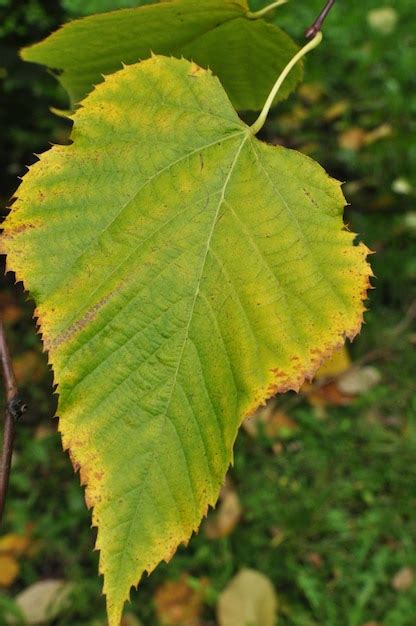
Natural Aging
One of the most common and benign reasons for a single leaf turning yellow is natural aging. As plants grow, older leaves near the base or the center of the plant may yellow and eventually fall off. This process allows the plant to allocate energy and resources to new growth, ensuring overall plant health and vigor.
Nutrient Deficiencies
Nutrient deficiencies can cause yellowing in leaves, including individual ones. Essential nutrients play critical roles in various physiological processes, and their absence can manifest in specific symptoms:
Nitrogen Deficiency
Nitrogen is vital for chlorophyll production, which gives leaves their green color. A deficiency often results in overall yellowing of older leaves first, as the plant reallocates nitrogen to newer growth.
Magnesium Deficiency
Magnesium is a central component of the chlorophyll molecule. A shortage typically causes yellowing between the veins of older leaves, a condition known as interveinal chlorosis.
Iron Deficiency
Iron is essential for chlorophyll synthesis. Iron deficiency usually causes yellowing between the veins of younger leaves, which may remain green, creating a mottled appearance.
Potassium Deficiency
Potassium helps regulate various plant processes, including water uptake and enzyme activation. A lack of potassium can lead to yellowing or browning of leaf edges, with the inner parts of the leaf retaining their green color.
Sulfur Deficiency
Sulfur is important for protein synthesis and enzyme function. Sulfur deficiency often results in uniform yellowing of the newest leaves, as sulfur is relatively immobile within the plant.
| Nutrient | Symptoms | Solutions |
|---|---|---|
| Nitrogen (N) | Overall yellowing of older leaves. | Apply a nitrogen-rich fertilizer or use organic compost. |
| Magnesium (Mg) | Yellowing between leaf veins on older leaves. | Incorporate Epsom salts (magnesium sulfate) into the soil. |
| Iron (Fe) | Yellowing between veins of young leaves (interveinal chlorosis). | Use iron chelate supplements or apply foliar sprays. |
| Potassium (K) | Yellow or brown edges on leaves. | Apply potassium-rich fertilizers, such as potassium sulfate. |
| Sulfur (S) | Uniform yellowing of new leaves. | Add sulfate-containing fertilizers or elemental sulfur to the soil. |
Watering Issues
Proper watering is crucial for plant health. Both overwatering and underwatering can stress a plant and cause yellowing of leaves:
Overwatering
Excessive moisture can lead to root rot, depriving the plant of necessary oxygen and nutrients. Signs include yellowing leaves, wilting despite wet soil, and a generally unhealthy appearance.
Underwatering
Insufficient water hampers the plant's ability to absorb nutrients, resulting in yellowing and limp leaves. The soil may feel dry and pull away from the edges of the pot.
Solutions:
- For Overwatering: Ensure proper drainage, reduce watering frequency, and allow the soil to dry out between waterings.
- For Underwatering: Increase the frequency of watering, ensure even moisture distribution, and consider mulching to retain soil moisture.
Environmental Factors
Plants are sensitive to their surrounding environment, and various factors can lead to yellowing leaves:
Light Issues
Both excessive and insufficient light can stress plants:
- Too Much Sunlight: Can cause leaf scorch, leading to yellow patches or browning edges.
- Insufficient Light: Reduces photosynthesis, resulting in yellowing leaves and leggy growth.
Temperature Extremes
Sudden changes or prolonged exposure to extreme temperatures can stress plants:
- High Temperatures: May cause leaves to wilt and turn yellow.
- Low Temperatures: Can lead to frost damage, resulting in yellowing or browning leaves.
Humidity Levels
Low humidity can cause leaves to dry out and yellow, especially in tropical plants that thrive in moist environments.
Soil pH Issues
The pH level of the soil affects the availability of nutrients. If the soil pH is too high (alkaline) or too low (acidic), certain nutrients become less accessible to the plant, leading to deficiencies and yellowing leaves.
Solutions:
- Testing Soil pH: Use a soil testing kit to determine the pH level.
- Adjusting pH:
- To Lower pH: Add elemental sulfur or aluminum sulfate.
- To Raise pH: Incorporate lime (calcium carbonate) into the soil.
Pests and Diseases
Pests and diseases can cause localized damage to leaves, resulting in yellowing:
Insect Pests
Common pests like aphids, spider mites, and whiteflies suck sap from leaves, leading to yellow spots, stippling, and overall discoloration.
Fungal and Bacterial Diseases
Diseases such as powdery mildew, root rot, and leaf spot can cause yellowing patches, irregular spots, and other discolored areas on leaves.
Solutions:
- For Pests: Introduce natural predators like ladybugs, use insecticidal soaps, or apply neem oil.
- For Diseases: Ensure proper plant spacing for airflow, remove affected leaves, and apply appropriate fungicides or bactericides.
Root Damage
Healthy roots are essential for nutrient and water uptake. Damage to the roots can impair these functions, leading to yellowing leaves:
Causes of Root Damage
- Physical Injury: Accidental damage during planting or maintenance.
- Root Rot: Caused by overwatering and poor drainage, leading to decayed roots.
- Compacted Soil: Restricts root growth and reduces oxygen availability.
Solutions:
- For Root Rot: Improve drainage, reduce watering, and remove affected roots.
- For Compacted Soil: Aerate the soil and consider repotting with a looser soil mix.
- General Care: Handle roots gently during planting and avoid over-fertilizing, which can damage roots.
Physical Damage and Trauma
Physical damage to a leaf, such as tearing, bruising, or scorching, can result in localized yellowing as the plant responds to the injury.
Solutions:
- Protect plants from harsh physical conditions like wind and frost.
- Handle plants carefully during maintenance to avoid tearing or breaking leaves.
Diagnosing the Cause
To effectively address a single yellowing leaf, consider the following steps:
1. Examine the Leaf and Plant
- Check if other leaves are showing similar symptoms.
- Look for signs of pests, such as tiny insects or webbing.
- Inspect the leaf for patterns of yellowing, spots, or browning.
2. Assess Watering Practices
- Determine if the soil is too wet or too dry.
- Adjust watering frequency and ensure proper drainage.
3. Check Nutrient Levels
- Use a soil test kit to evaluate nutrient content and pH levels.
- Apply appropriate fertilizers based on deficiencies identified.
4. Evaluate Environmental Conditions
- Ensure the plant is receiving adequate but not excessive light.
- Monitor temperature and humidity levels to prevent stress.
5. Inspect for Pests and Diseases
-
Look for visible signs of pests or disease organisms.
-
Apply targeted treatments if necessary.
Preventive Measures
Maintaining overall plant health can prevent yellowing leaves:
- Provide balanced nutrition through regular fertilization.
- Ensure proper watering techniques, avoiding both drought and waterlogging.
- Maintain optimal environmental conditions, including appropriate light, temperature, and humidity.
- Regularly inspect plants for signs of pests or diseases and address issues promptly.
- Use well-draining soil and appropriate pots to prevent root health issues.
When to Seek Expert Help
If a single yellow leaf persists despite addressing common issues, or if you observe additional symptoms indicating a more serious problem, consulting a gardening expert or a plant pathologist is advisable. They can provide a precise diagnosis and recommend specialized treatments to ensure the continued health of your plant.
Conclusion
A single leaf turning yellow is often a normal aspect of a plant's life cycle, particularly due to natural aging. However, it can also indicate underlying issues related to nutrient deficiencies, watering practices, environmental stress, soil pH imbalances, pests, diseases, root damage, or physical trauma. By systematically assessing the plant's overall condition and environment, you can identify and address the specific cause, ensuring the health and vitality of your plant.
Last updated December 31, 2024