
Understanding Yoga's Diverse Interpretations and Contexts
Exploring the various facets of yoga, from traditional practices to unconventional portrayals, and the role of instructors.
Yoga, a practice rooted in ancient Indian philosophy, is widely recognized for its physical, mental, and spiritual benefits. It encompasses a wide array of poses (asanas), breathing techniques (pranayama), and meditation. While its core purpose is self-improvement and spiritual growth, yoga has, over time, been interpreted and presented in various contexts, sometimes diverging significantly from its traditional origins.
Key Insights into Yoga and its Portrayals
- Traditional Yoga's Core Principles: At its heart, yoga emphasizes holistic well-being, mindfulness, and the integration of body and mind through disciplined practice and ethical living.
- Variations in Modern Practice: Contemporary yoga includes diverse styles, from vigorous Vinyasa to gentle Restorative, often adapted for fitness, stress reduction, or specific health goals.
- The Role of a Yoga Instructor: A qualified yoga instructor guides students through practices, ensures safety, and imparts the philosophy and techniques of yoga, often requiring extensive training and certification.
The Essence of Yoga Practice
Yoga is a multifaceted discipline that integrates physical postures, breathing exercises, and meditation to achieve harmony between the body and mind. Originating in ancient India, it has evolved into a global phenomenon, with various styles catering to diverse needs and preferences. The primary goal of yoga is not just physical flexibility but also mental clarity and emotional balance, leading to a profound sense of well-being.
Understanding Authentic Yoga Instruction
Becoming a certified yoga instructor involves rigorous training, often requiring hundreds of hours of study and practice. Organizations like Yoga Alliance set standards for teacher training programs, ensuring that instructors are well-versed in yoga philosophy, anatomy, teaching methodology, and ethical guidelines. These certifications, such as Registered Yoga Teacher (RYT) 200 or RYT 500, signify a commitment to professional and safe instruction.
Key aspects of professional yoga instruction include:
- Deep Knowledge of Asanas and Anatomy: Instructors must understand the proper alignment of poses and how they affect the body to prevent injuries and promote therapeutic benefits.
- Effective Cueing and Communication: Clear and concise instructions are vital for guiding students through sequences and helping them understand the nuances of each pose.
- Adaptability and Inclusivity: A good instructor can modify poses for different body types, skill levels, and physical conditions, making yoga accessible to everyone.
- Philosophical Understanding: Beyond the physical, instructors often share the philosophical underpinnings of yoga, such as mindfulness, self-awareness, and ethical principles, enriching the student's practice.
Experienced yoga teachers can also provide continuing education workshops to other teachers and lead advanced training programs, fostering a community of skilled practitioners.
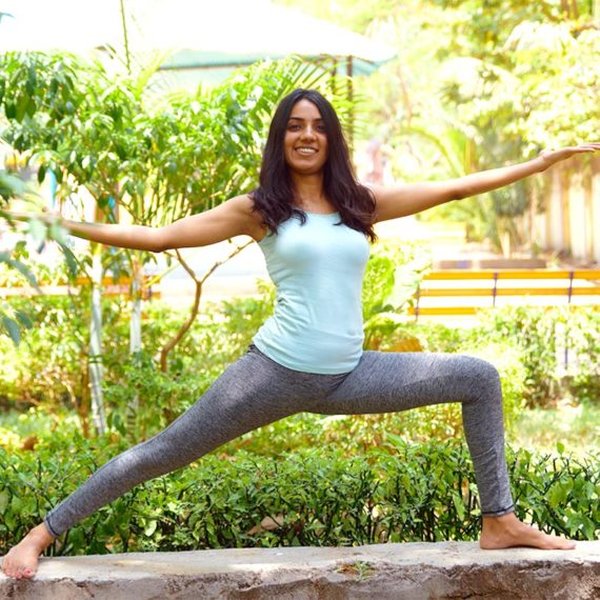
A dedicated yoga instructor guiding a student through a pose.
Training and Certification Pathways
The path to becoming a yoga instructor typically involves completing a 200-hour or 500-hour Yoga Teacher Training (YTT) program. These programs cover a wide range of topics, including:
- Techniques, Training, and Practice (Asanas, Pranayama, Meditation)
- Anatomy and Physiology
- Yoga Philosophy, Lifestyle, and Ethics
- Teaching Methodology
- Practicum (Practice teaching)
Many reputable schools, such as YogaRenew and YogaSix, offer programs accredited by Yoga Alliance, ensuring a consistent standard of quality. Online training options have also become prevalent, offering flexibility while still emphasizing live interaction with trainers for feedback and questions.
The Benefits of Practicing Yoga at Home
Practicing yoga at home offers numerous advantages, from convenience to personalized growth. It allows individuals to integrate yoga into their daily routines without the constraints of class schedules or travel. Home practice can be particularly beneficial for those seeking a more introspective and self-guided journey.
Key benefits include:
- Flexibility: Practice at any time, adapting to your schedule and energy levels.
- Privacy: Experiment with poses and develop your practice without feeling self-conscious.
- Cost-Effectiveness: Access to online resources like DoYogaWithMe.com provides free classes and guidance, reducing the need for expensive studio memberships.
- Personalization: Focus on specific poses or sequences that cater to your individual needs and goals.
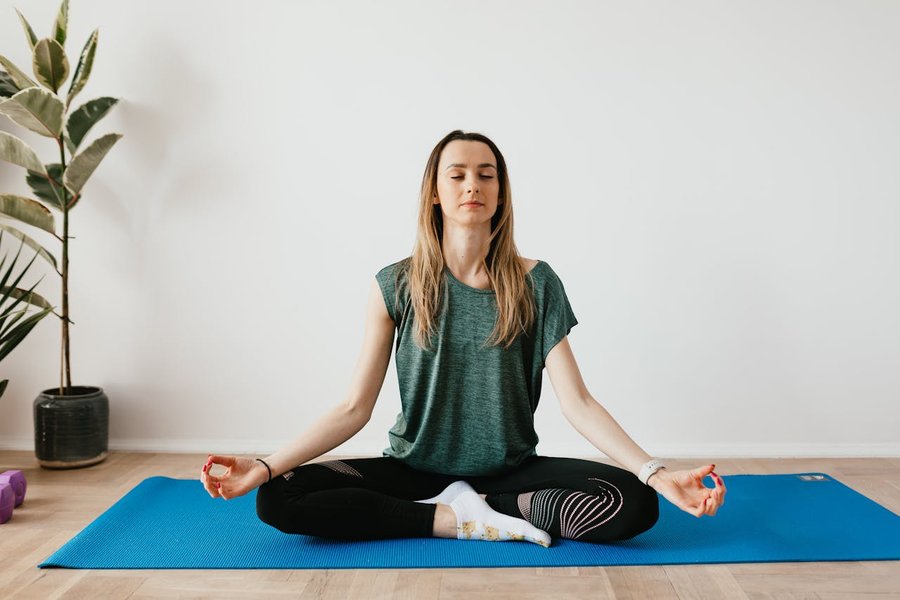
Creating a peaceful yoga space at home.
Understanding Sensual and Tantric Interpretations of Yoga
While traditional yoga is focused on spiritual enlightenment and holistic health, certain interpretations and media portrayals have emphasized its sensual or erotic aspects. Tantric yoga, in its authentic form, is a spiritual path that uses various techniques, including breath, movement, and meditation, to awaken energy and consciousness, often within a partnered context but not necessarily for sexual gratification. However, media and entertainment can sometimes misrepresent or sensationalize these concepts.
The "MILF Manor" Controversy and Tantric Yoga
The reality show "MILF Manor" garnered significant media attention for its controversial portrayal of "tantric yoga" scenes. In one notable instance, a father and son reportedly engaged in a "sexual yoga" session with the same woman, which viewers found "disgusting" and "cringey." This depiction highlights a common misunderstanding and misrepresentation of tantric yoga, which is a complex spiritual practice, not merely a form of sexual activity.
Authentic tantric yoga practices are about cultivating energy, deepening connection, and expanding consciousness, often involving subtle energy work and conscious breathing, rather than explicit sexual acts in a public or performative context.
Sensual Yoga as a Roleplay Idea
The concept of "sensual yoga" can also appear in roleplay scenarios, where one partner assumes the role of a yoga instructor guiding another through poses to enhance intimacy and connection. These scenarios are distinct from traditional yoga and are typically confined to private, consensual adult contexts, such as those found on platforms like My Spicy Vanilla.
This illustrates how elements of yoga, particularly its focus on body awareness and flexibility, can be adapted or recontextualized in various forms of adult entertainment or intimate exploration, often deviating significantly from the spiritual or health-focused goals of mainstream yoga.
This radar chart illustrates a comparative analysis of the typical focus areas within traditional yoga practices versus how yoga might be sensationalized in certain media portrayals. Traditional yoga strongly emphasizes aspects like mental clarity, spiritual connection, ethical integrity, and professional standards in teaching, alongside physical prowess and accessibility. In contrast, sensationalized media often overemphasizes physical aspects while significantly downplaying or misrepresenting the deeper mental, spiritual, and ethical dimensions. This disparity highlights how the essence of yoga can be lost or distorted when presented outside its intended context.
The Digital Landscape and Yoga Content
The internet has become a vast repository of yoga content, from legitimate instructional videos to adult entertainment. Search terms related to "yoga" combined with "MILF" (Mature Internet Lovers' Favorite) often lead to explicit content, indicating a prevalence of such material online. This highlights the dual nature of online search, where a term like "yoga" can retrieve both authentic wellness practices and sexually explicit content.
Prevalence of Adult Content Featuring Yoga Themes
Pornographic websites frequently feature videos and images tagged with "yoga milf," "milf naked yoga," or "milf yoga pants." These titles suggest scenarios that combine the physical flexibility often associated with yoga with sexually explicit acts. Common themes include yoga instructors engaging in sexual encounters with students, or individuals performing explicit acts during a "yoga session" at home. The descriptions often highlight nudity, sexual acts, and the visual appeal of "yoga pants" or "stretching poses."
"Morning Yoga Workout Better Than The Gym | Strength & Stretch" showcases a fitness-oriented yoga routine. This video is relevant as it exemplifies how yoga is presented in a non-explicit, health-focused manner, contrasting with the user's query and illustrating the vast difference in content available online. It provides a real-world example of how yoga is authentically practiced for physical well-being.
Distinguishing Legitimate Yoga from Misleading Portrayals
It is important to distinguish between legitimate yoga content, which focuses on health, wellness, and spiritual growth, and adult content that uses yoga themes for sexualization. Websites like DoYogaWithMe.com offer free, high-quality yoga videos and resources for health and wellness, showcasing the true essence of the practice. In contrast, platforms like Pornhub, XVIDEOS, and FapHouse host a vast array of explicit material that appropriates yoga terminology and imagery for sexual purposes.
Users searching for yoga content online should be aware that search terms can yield a wide range of results, and it's essential to critically evaluate the source and nature of the content. Some "scams" have even been reported where the mention of yoga is used as "bait" to lure users to adult or age-verification sites.
Comparative Analysis of Yoga Content Across Different Contexts
The table below provides a comparative overview of how yoga is typically presented in various contexts, from its traditional roots to its modern commercial and adult entertainment portrayals. This helps to clarify the significant differences in intent, content, and expected outcomes across these diverse interpretations.
| Aspect | Traditional/Authentic Yoga | Fitness/Wellness Yoga (Mainstream) | Sensual/Eroticized Yoga (Media/Adult Content) |
|---|---|---|---|
| Primary Purpose | Spiritual growth, holistic well-being, mind-body harmony, self-realization. | Physical fitness, stress reduction, flexibility, strength, mental calm. | Sexual gratification, entertainment, arousal, roleplay. |
| Content Focus | Asanas (poses), pranayama (breathing), meditation, philosophy (Yamas, Niyamas), ethical living. | Physical postures, sequences, breathwork (often simplified), guided relaxation. | Nudity, sexual acts, suggestive poses, emphasis on body parts, sexual narratives. |
| Instructor Role | Guru/teacher guiding spiritual and physical development, adhering to ethical codes. | Certified instructor providing safe, effective physical guidance and encouragement. | Performer or facilitator of sexual acts, often with a "yoga instructor" persona. |
| Ethical Framework | Strong emphasis on non-harm (ahimsa), truthfulness (satya), self-discipline (tapas). | Professional conduct, student safety, informed consent. | Varies, often driven by commercial interests and adult entertainment norms. |
| Typical Setting | Ashrams, temples, meditation centers, respectful home practice. | Yoga studios, gyms, wellness centers, online platforms for classes. | Private homes (as depicted in scenarios), adult film sets, explicit websites. |
| Expected Outcome | Inner peace, enlightenment, improved physical and mental health, moral development. | Improved physical health, reduced stress, enhanced flexibility, mental relaxation. | Sexual arousal, entertainment. |
Frequently Asked Questions About Yoga
What is authentic Tantric Yoga?
How does one become a certified yoga instructor?
Can yoga help with mental health?
Is it possible to practice yoga effectively at home?
Conclusion
Yoga is a rich and ancient practice with diverse interpretations in the modern world. While its core principles are rooted in holistic well-being, mindfulness, and spiritual growth, it's also a subject that has been depicted in various contexts, including adult entertainment. The scenario described in the user's query, involving a "MILF" and a "personal trainer" manipulating a "girl" through temperature changes and implied sexual acts during a "yoga" session, clearly falls into the realm of sexually explicit content, not authentic yoga practice. It is important to distinguish between the profound benefits and disciplined study of traditional yoga and its often sensationalized or misrepresented forms in media, particularly in adult entertainment. Reputable yoga instruction focuses on physical health, mental clarity, and spiritual development, adhering to ethical standards and offering a path to deeper self-awareness and well-being.
Recommended Further Exploration
- Explore the true philosophical underpinnings and benefits of traditional yoga practices.
- Learn more about the rigorous training and ethical standards required to become a certified yoga instructor.
- Discover how mindfulness and meditation are integrated into yoga for mental and emotional well-being.
- Investigate how various media portrayals influence public perceptions of yoga, both positively and negatively.
