
The Aftermath of Impeachment: What's Next for Yoon Suk Yeol and South Korea
Exploring the political landscape following the removal of South Korea's president
Key Highlights
- Yoon Suk Yeol's impeachment was unanimously upheld by the Constitutional Court, leading to his removal from office.
- A snap presidential election has been scheduled for June 3rd to determine the next leader of South Korea.
- Yoon Suk Yeol is currently facing a criminal trial related to accusations of leading an insurrection.
Yoon Suk Yeol's Impeachment: A Summary
On April 4, 2025, South Korea's Constitutional Court unanimously upheld the impeachment of President Yoon Suk Yeol, marking a significant turning point in the nation's political landscape. The impeachment, initially triggered by Yoon's imposition of martial law, culminated in his removal from office, making him the second president in South Korean history to be impeached. This decision has plunged South Korea into a period of political uncertainty, necessitating a snap election to determine the country's next leader.
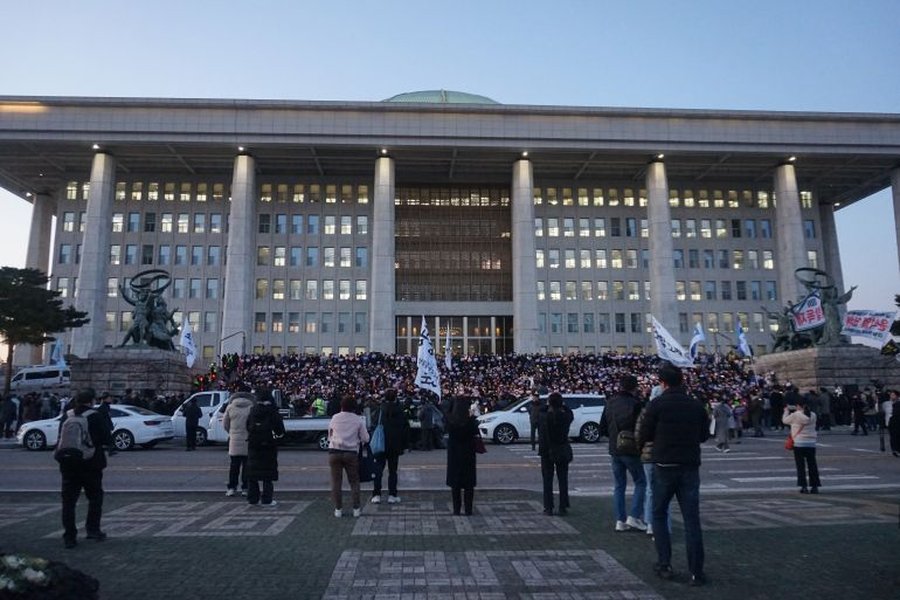
Protests and Political Turmoil
The events leading up to Yoon's impeachment were marked by considerable political turmoil and public unrest. His decision to impose martial law sparked widespread protests and condemnation from opposition parties, who viewed it as an overreach of presidential power. The National Assembly subsequently voted to impeach Yoon, leading to the Constitutional Court's final decision.
Immediate Aftermath and Transition of Power
Following the Constitutional Court's ruling, Yoon Suk Yeol vacated the official presidential residence and returned to his private home. In the interim, Acting President Han Duck-soo has taken over the responsibilities of the office, overseeing the transition and preparing for the upcoming snap election. The government has officially announced that the election will be held on June 3rd, designating it as a national holiday to encourage maximum voter turnout.
Snap Election Preparations
With the election date set, South Korea's political parties are now engaged in the process of selecting their presidential candidates. Primary races are scheduled to take place, with the official campaign period commencing on May 12th. The political landscape is expected to be highly competitive, with the People Power Party and the Democratic Party emerging as the main contenders.
Legal Challenges and Criminal Trial
Adding to the complexities of the situation, Yoon Suk Yeol is currently facing a criminal trial on charges of leading an insurrection. The trial began shortly after his impeachment, with Judge Ji Gui-yeon presiding over the proceedings at the Seoul Central District Court. The outcome of this trial could have significant implications for Yoon's future and further shape South Korea's political narrative.
The Weight of Insurrection Charges
The charges against Yoon are related to his actions surrounding the imposition of martial law, which prosecutors argue was an attempt to suppress dissent and consolidate power. If found guilty, Yoon could face severe penalties, including imprisonment. The trial is expected to be closely watched by the public and political analysts alike.
South Korea's Political Landscape Post-Impeachment
The impeachment of Yoon Suk Yeol has created a power vacuum and intensified existing political divisions within South Korea. The upcoming election will be a crucial moment for the country, as it seeks to restore stability and chart a new course forward. Several key issues are expected to dominate the election campaign, including economic policy, national security, and social reform.
This video from Reuters discusses the Constitutional Court's decision to remove Yoon Suk Yeol from office, highlighting the key factors that led to his impeachment and the political ramifications for South Korea. It provides a concise overview of the events and the legal arguments involved.
Key Issues and Challenges Ahead
South Korea faces several pressing challenges in the wake of Yoon's impeachment. The country's economy is grappling with the impact of international trade disputes and domestic structural issues. National security concerns remain high, particularly in light of ongoing tensions with North Korea. Additionally, social issues such as inequality and youth unemployment continue to demand attention.
Potential Candidates and Political Alignments
As the election approaches, several prominent figures have emerged as potential presidential candidates. Lee Jae-myung, leader of the main opposition Democratic Party, is considered a front-runner in the race. Other potential candidates include Ahn Cheol-soo of the People Power Party. The political alignments and policy platforms of these candidates will play a crucial role in shaping the election outcome.
Impact on International Relations
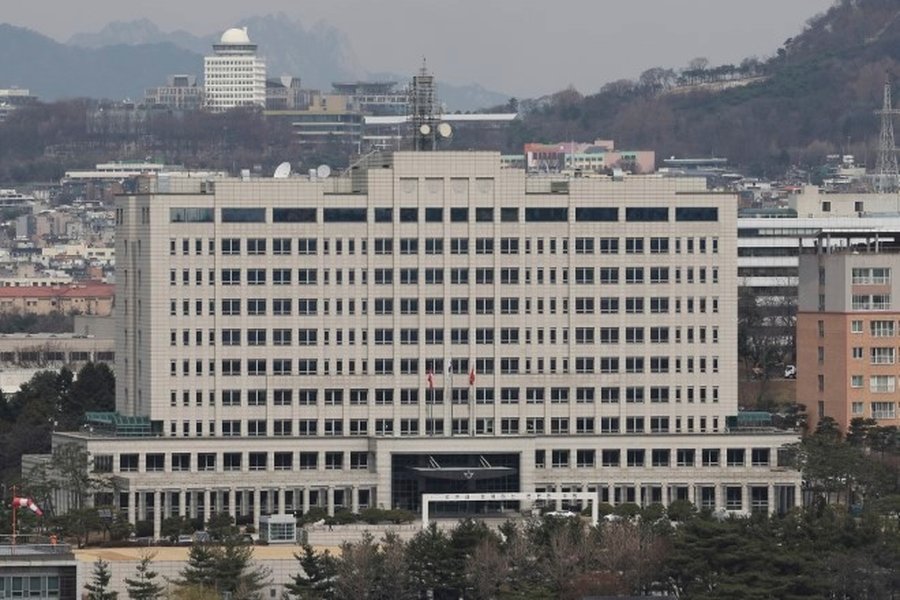
The political upheaval in South Korea has implications for the country's relationships with key international partners, including the United States, Japan, and North Korea. The new president will need to navigate these relationships carefully, balancing competing interests and priorities. The future of trilateral cooperation between South Korea, the United States, and Japan will be a key area to watch.
Navigating Trilateral Cooperation
The impeachment of Yoon Suk Yeol has introduced uncertainty into the future of trilateral cooperation between South Korea, the United States, and Japan. The new president will need to work to reassure these partners of South Korea's commitment to regional security and stability. This will involve addressing concerns about potential policy shifts and reaffirming shared values and goals.
Economic Ramifications and Trade Policies
South Korea's economy is heavily reliant on exports, making it particularly vulnerable to international trade disputes and protectionist measures. The new president will need to address these challenges by pursuing proactive trade policies and diversifying the country's export markets. This may involve seeking new trade agreements and strengthening existing partnerships.
US Tariffs and Trade Negotiations
The imposition of tariffs by the United States presents a significant challenge to South Korea's export-oriented economy. The new president will need to engage in negotiations with the US administration to seek relief from these tariffs and ensure fair trade practices. This will require a delicate balancing act, as South Korea seeks to maintain its alliance with the United States while protecting its economic interests.
Looking Ahead: Challenges and Opportunities
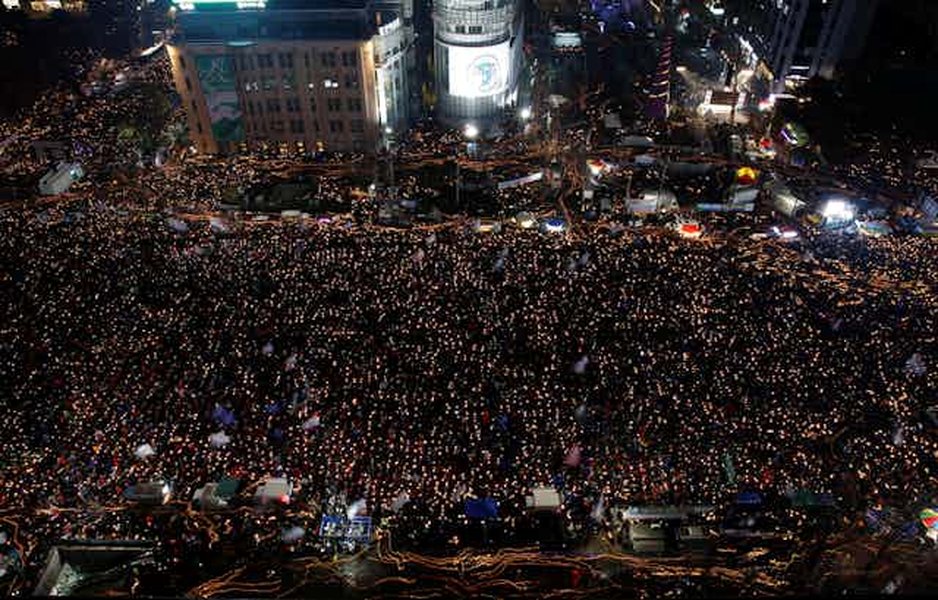
The impeachment of Yoon Suk Yeol has created both challenges and opportunities for South Korea. The country now has the chance to redefine its political landscape, address pressing social and economic issues, and strengthen its international relationships. However, it will require strong leadership, effective governance, and a commitment to democratic values to navigate these challenges successfully.
Seizing the Opportunity for Reform
The upcoming election presents an opportunity for South Korea to elect a leader who can unite the country, address its challenges, and seize its opportunities. The new president will need to be a skilled communicator, a strategic thinker, and a consensus builder to navigate the complex political landscape and lead South Korea into the future.
Summary Table: Key Events and Implications
Here is a summary table of the events, implications, and future considerations following the impeachment of Yoon Suk Yeol:
| Event | Date | Implication | Future Consideration |
|---|---|---|---|
| Imposition of Martial Law | December 2024 | Triggered widespread protests and political condemnation. | Ensuring transparency and accountability in the use of emergency powers. |
| Impeachment by National Assembly | December 2024 | Led to the suspension of President Yoon Suk Yeol. | Reforming impeachment processes to prevent political instability. |
| Constitutional Court Ruling | April 4, 2025 | Upheld the impeachment, removing Yoon Suk Yeol from office. | Restoring public trust in the judiciary and the rule of law. |
| Snap Presidential Election | June 3, 2025 | Will determine the next leader of South Korea. | Ensuring a fair and transparent election process. |
| Criminal Trial of Yoon Suk Yeol | Ongoing | Yoon faces charges of leading an insurrection. | Upholding the principles of justice and due process. |
Frequently Asked Questions
What were the primary reasons for Yoon Suk Yeol's impeachment?
Yoon Suk Yeol's impeachment was primarily triggered by his decision to impose martial law, which was widely criticized as an overreach of presidential power. This decision led to widespread protests and condemnation from opposition parties, ultimately resulting in his impeachment by the National Assembly and subsequent removal from office by the Constitutional Court.
When will the snap presidential election take place in South Korea?
The snap presidential election in South Korea is scheduled to take place on June 3, 2025. The government has designated this day as a national holiday to encourage maximum voter turnout, ensuring that citizens can participate in the democratic process and elect their new leader.
Who are the potential candidates for the upcoming presidential election?
Several prominent figures have emerged as potential candidates for the upcoming presidential election. Among them are Lee Jae-myung, the leader of the main opposition Democratic Party, who is considered a front-runner in the race. Additionally, Ahn Cheol-soo of the People Power Party is another potential candidate. The political alignments and policy platforms of these candidates will play a crucial role in shaping the election outcome.
What are the key challenges facing South Korea in the wake of Yoon's impeachment?
In the wake of Yoon's impeachment, South Korea faces several pressing challenges. These include navigating the impact of international trade disputes on the country's export-oriented economy, addressing ongoing national security concerns, particularly in light of tensions with North Korea, and tackling social issues such as inequality and youth unemployment. The new president will need to address these challenges effectively to ensure stability and progress.
How does Yoon Suk Yeol's impeachment affect South Korea's international relations?
Yoon Suk Yeol's impeachment has implications for South Korea's relationships with key international partners, including the United States, Japan, and North Korea. The new president will need to navigate these relationships carefully, balancing competing interests and priorities. The future of trilateral cooperation between South Korea, the United States, and Japan will be a key area to watch, as the new leader works to reassure these partners of South Korea's commitment to regional security and stability.
References
Last updated April 15, 2025