
Unveiling Zaheer udin Babar: Mughal Founder or Modern Scholar?
Exploring the lives of the prominent figures known as Zaheer udin Babar.
The name "Zaheer udin Babar" primarily refers to the celebrated founder of the Mughal Empire in India. However, it's also the name of a distinguished contemporary academic. This exploration delves into the lives and legacies of these key individuals.
Highlights
- Zahir-ud-din Muhammad Babur (1483-1530): The most famous figure, founder of the Mughal Empire, known for his military genius, strategic conquests (like the Battle of Panipat), and the autobiographical Baburnama.
- Professor Zaheer-Ud-Din Babar: A contemporary, globally recognized academic specializing in pharmaceutical policy, practice, and healthcare systems, with significant contributions to research and policy-making.
- Distinct Legacies: One shaped the course of South Asian history through empire-building, while the other influences global health through academic research and policy expertise.
Zahir-ud-din Muhammad Babur: Founder of the Mughal Empire
Early Life and Noble Lineage
Zahir-ud-din Muhammad, famously known as Babur (meaning "lion" or "tiger"), was born on February 14, 1483, in Andijan, located in the Fergana Valley, modern-day Uzbekistan. He hailed from a prestigious lineage, embodying a confluence of Central Asia's greatest conquerors. On his father's side, through Umar Sheikh Mirza, the ruler of Fergana, Babur was a Timurid, a direct descendant of Timur (Tamerlane). On his mother's side, Qutlugh Nigar Khanum, he descended from Genghis Khan. This formidable ancestry instilled in him ambitions of conquest and effective governance from a young age.
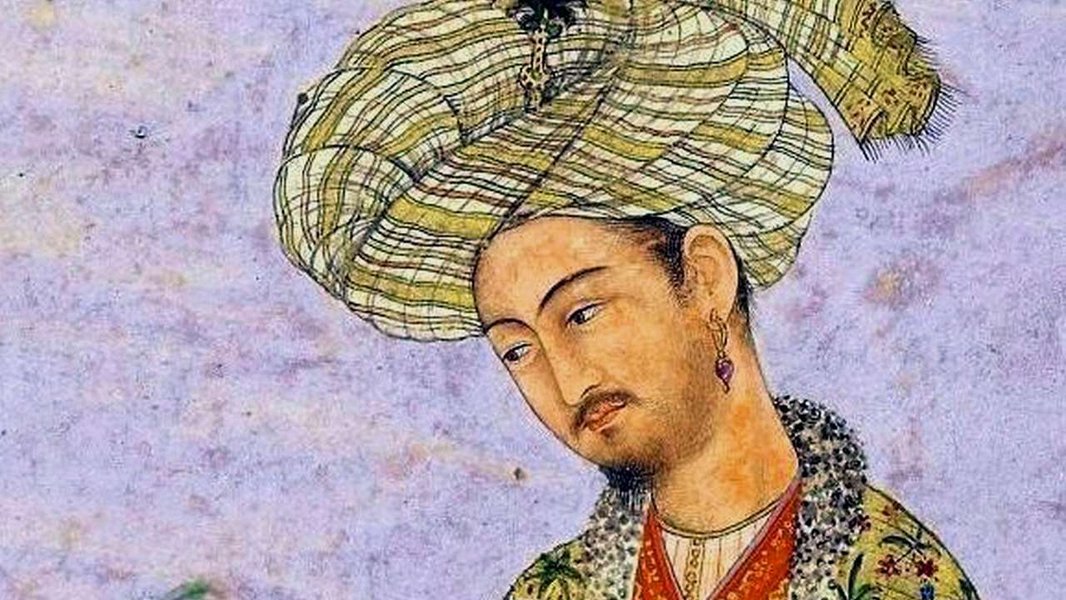
Zahir-ud-din Muhammad Babur, founder of the Mughal Dynasty.
Turbulent Beginnings and Rise to Power
Babur's early life was tumultuous. He inherited the throne of Fergana at the tender age of 12 following his father's death in 1494. His reign was immediately challenged by relatives and rival Uzbek chiefs. He experienced cycles of loss and recapture of his territories, including the prized city of Samarkand, Timur's former capital. These setbacks forced him to look beyond Fergana. In 1504, he captured Kabul, establishing a secure base in present-day Afghanistan. This strategic move provided him the platform from which to launch his campaigns towards the Indian subcontinent.
Conquest of India and Establishing an Empire
Babur's ambition turned towards the weakening Delhi Sultanate, then ruled by Ibrahim Lodi. Leveraging superior military tactics, including the effective use of gunpowder firearms and artillery (relatively new to Indian warfare at the time), and disciplined cavalry formations, Babur achieved remarkable victories against larger forces.
The First Battle of Panipat (1526)
This battle, fought on April 21, 1526, was a turning point in Indian history. Babur, with a significantly smaller army (estimated around 12,000), faced Sultan Ibrahim Lodi's massive force (estimated up to 100,000 men and numerous elephants). Babur employed the *tulguhma* (flanking) tactic and effectively used cannons positioned behind a barricade of carts tied together (*araba*), inspired by Ottoman techniques. Lodi was defeated and killed, allowing Babur to occupy Delhi and Agra, laying the foundation for Mughal rule.
The Battle of Khanwa (1527)
Consolidating his rule required defeating other powerful regional forces. In 1527, Babur faced a formidable Rajput confederacy led by Rana Sanga of Mewar at Khanwa. Despite facing a large and motivated Rajput army, Babur's strategic use of artillery, combined with a rousing speech invoking religious duty to bolster his troops' morale, led to a decisive victory. This triumph secured Mughal dominance over North India.
Ruler, Poet, and Author
Beyond his military achievements, Babur was a cultured and multifaceted individual. He was an accomplished poet in Chagatai Turkic and a keen observer of the natural world. His most significant literary contribution is the *Baburnama* (Memoirs of Babur), his autobiography. Written with remarkable candor and detail, it provides invaluable insights into his life, campaigns, thoughts, and the societies, geography, flora, and fauna of the lands he encountered. The *Baburnama* is considered a masterpiece of Turki literature and a crucial historical source. As a ruler, he aimed to establish an administration blending Central Asian traditions with local practices, though his reign was too short to fully realize these plans.
Death and Enduring Legacy
Babur's time as emperor in India was brief. He died on December 26, 1530, in Agra at the age of 47. The exact cause of his death remains debated, though illness is the most likely reason. He was initially buried in Agra but, according to his wishes, his remains were later moved to Kabul, Afghanistan, to a garden known as Bagh-e Babur. He was succeeded by his eldest son, Humayun. Babur's legacy is immense; he founded one of the most powerful and culturally rich empires in South Asian history, which profoundly influenced the region's art, architecture, cuisine, and administration for over three centuries.
Professor Zaheer-Ud-Din Babar: A Modern Scholar
Distinct from the historical emperor, Professor Zaheer-Ud-Din Babar is a prominent contemporary figure in the field of pharmacy and healthcare policy. He has built an internationally recognized academic career across several countries.
Academic Profile and Expertise
Professor Babar holds significant academic positions, including Professor of Clinical Pharmacy and Practice at the College of Pharmacy, Qatar University, and a Visiting Professorship at the University of Huddersfield, UK. Previously, he served as Professor in Medicines and Healthcare and Director of the Pharmaceutical Policy and Practice Research Centre at Huddersfield (2017-2023) and Head of Pharmacy Practice at the University of Auckland, New Zealand. He holds BPharm, MPharm, and PhD degrees focused on pharmaceutical policy and practice and is a Senior Fellow of the Higher Education Academy (SFHEA).
Research Focus and Global Impact
Professor Babar is globally renowned for his research in pharmaceutical policy and practice. His work primarily focuses on medicines pricing, availability, affordability, access to medicines, pharmaceutical regulation, and healthcare system reforms, particularly in low- and middle-income countries. He has an extensive publication record with thousands of citations.
Key Contributions
- Extensive research on drug pricing policies and their impact on access.
- Acting as a consultant for major international organizations like the World Health Organization (WHO), Health Action International, and the International Pharmaceutical Federation (FIP).
- Founding Editor and Editor-in-Chief of the BMC *Journal of Pharmaceutical Policy and Practice*.
- Recipient of the University of Auckland's Research Excellence Award (2012).
- Active research collaborations with leading universities worldwide.
Professor Babar's work significantly contributes to shaping evidence-based pharmaceutical policies aimed at improving global health equity.
Comparing Key Attributes
While sharing a name, the historical Babur and the contemporary Professor Babar represent vastly different fields and legacies. The radar chart below offers a visual comparison based on the predominant attributes associated with each figure. Note that this is an illustrative comparison of their perceived strengths and areas of influence, not a quantitative measure.
This chart highlights the Mughal founder's immense historical, political, and military significance, alongside his cultural contribution via the Baburnama. In contrast, Professor Babar excels in academic research and global health policy impact within the contemporary world.
Mindmap: The Worlds of Zaheer udin Babar
This mindmap illustrates the distinct spheres and key achievements associated with the two prominent individuals named Zaheer udin Babar.
(1483-1530)"] id1a["Mughal Empire Founder"] id1b["Military Leader"] id1b1["Battle of Panipat (1526)"] id1b2["Battle of Khanwa (1527)"] id1b3["Use of Artillery"] id1c["Author & Poet"] id1c1["Baburnama (Memoirs)"] id1d["Lineage"] id1d1["Descendant of Timur"] id1d2["Descendant of Genghis Khan"] id1e["Legacy"] id1e1["Shaped South Asian History"] id1e2["Mughal Dynasty"] id2["Professor Zaheer-Ud-Din Babar
(Contemporary)"] id2a["Academic & Researcher"] id2b["Field: Pharmacy"] id2b1["Pharmaceutical Policy"] id2b2["Medicines Access & Pricing"] id2b3["Healthcare Systems"] id2c["Positions"] id2c1["Qatar University"] id2c2["University of Huddersfield (UK)"] id2c3["University of Auckland (NZ)"] id2d["Global Impact"] id2d1["Consultant (WHO, FIP)"] id2d2["Editor: Journal of Pharmaceutical Policy and Practice"] id2d3["Research Excellence Award"]
Key Events in Babur's Conquest of India
The establishment of the Mughal Empire was marked by several pivotal military engagements and strategic moves. This table summarizes some of the key events during Babur's campaigns in the Indian subcontinent.
| Event | Year | Opponent(s) | Significance |
|---|---|---|---|
| Capture of Kabul | 1504 | Local rulers | Established a secure base for future campaigns towards India. |
| First Battle of Panipat | 1526 | Ibrahim Lodi (Delhi Sultanate) | Decisive victory; marked the end of the Delhi Sultanate and the beginning of Mughal rule. Led to the occupation of Delhi and Agra. |
| Battle of Khanwa | 1527 | Rana Sanga (Rajput Confederacy) | Defeated a major rival power; consolidated Mughal control over Northern India and secured the new empire. |
| Battle of Ghaghra | 1529 | Eastern Afghan Confederates & Sultanate of Bengal | Further suppressed opposition and secured territories in Eastern India (Bihar). |
Visualizing Babur's Era
To gain a better understanding of Zahir-ud-din Muhammad Babur's life and the founding of the Mughal Empire, visual resources can be very helpful. The video below provides insights into his story and historical context.
This video discusses the early life and rise of Babur, highlighting his resilience from a young age and the beginnings of his journey towards establishing one of history's great empires.
Frequently Asked Questions (FAQ)
Who was Zahir-ud-din Muhammad Babur? +
What is Babur most famous for? +
What is the Baburnama? +
Who is Professor Zaheer-Ud-Din Babar? +
References
- Babur - Wikipedia
- Babur | Biography & Achievements - Britannica
- Biography of Babur, Founder of the Mughal Empire - ThoughtCo
- Babar Biography, History and Facts - Maps of India
- Zaheer-Ud-Din BABAR | Professor | PhD | Qatar University, Doha | College of Pharmacy | profile - ResearchGate
- Zaheer Babar - BioMed Central
- Emperor Babur | Overview, Reign & the Baburnama - Study.com
Recommended
 amazon.com
 juniorjoharcampus.files.wordpress.com
Last updated April 24, 2025