
Zeaxanthin's Vital Shield: Unveiling Its Protective Actions Within Your Eyes
Discover how this powerful carotenoid diligently works to safeguard your vision and maintain ocular health.
Zeaxanthin, a naturally occurring carotenoid pigment, plays a remarkably specialized and crucial role within the human eye. Concentrated primarily in the macula, the central part of the retina responsible for sharp, detailed vision, its physiological actions are fundamental to protecting our sight from daily environmental stressors and the aging process. This detailed exploration, current as of May 6, 2025, delves into the specific mechanisms by which zeaxanthin benefits the human eyeball.
Key Insights: Zeaxanthin's Impact on Eye Health
- Selective Blue Light Filtration: Zeaxanthin acts as an internal filter, absorbing damaging high-energy blue light before it can harm sensitive retinal cells.
- Potent Antioxidant Defense: It neutralizes harmful free radicals, thereby reducing oxidative stress, a key factor in many age-related eye conditions.
- Macular Health and Visual Enhancement: By accumulating in the macula, zeaxanthin contributes to macular pigment density, which is linked to improved visual acuity, contrast sensitivity, and reduced glare.
The Journey and Concentration of Zeaxanthin in the Eye
Selective Uptake and Macular Accumulation
Zeaxanthin, along with its isomer lutein and their metabolic product meso-zeaxanthin, is not produced by the human body and must be obtained through diet or supplementation. Once ingested, it is absorbed in the digestive system and transported via lipoproteins in the bloodstream. The eye, particularly the retina, exhibits a remarkable ability to selectively take up and concentrate these carotenoids.
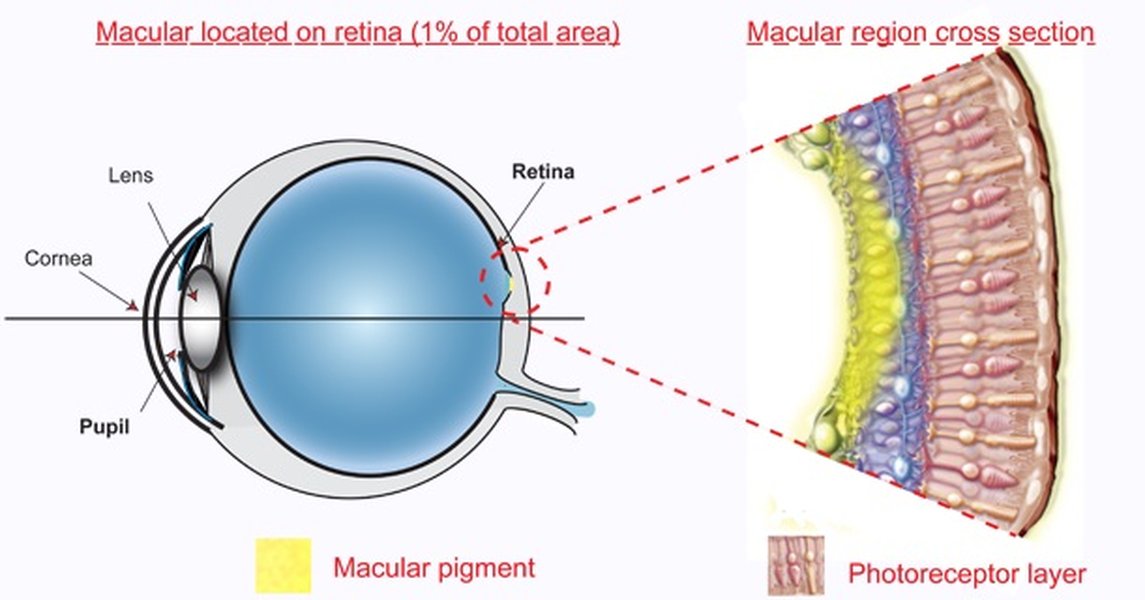
The highest concentration of zeaxanthin is found in the macula lutea (the "yellow spot"), specifically within the fovea, the very center of the macula responsible for the sharpest central vision. This selective accumulation is critical, as the macula is an area of high metabolic activity and intense light exposure, making it particularly vulnerable to oxidative damage.
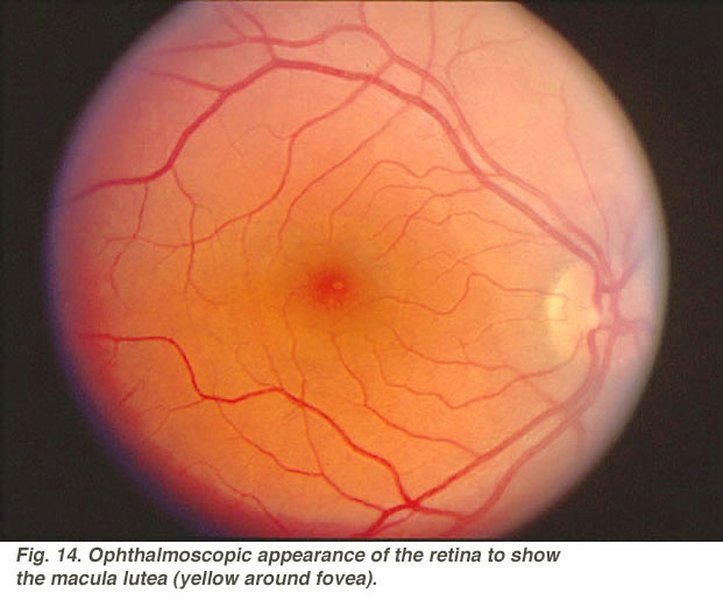
The macula lutea, where zeaxanthin concentrates to protect central vision.
Within retinal cells, zeaxanthin is thought to bind to specific proteins, such as glutathione S-transferase (GSTP1), which may help stabilize its presence and enhance its protective functions. This unique localization forms the macular pigment, a yellow shield that is vital for visual health.
The Triad of Macular Carotenoids
Zeaxanthin, lutein, and meso-zeaxanthin are the three carotenoids that constitute the macular pigment. While lutein is typically more dominant in the peripheral macula, zeaxanthin (and meso-zeaxanthin, which can be formed from lutein within the retina) is more concentrated in the central macula. This specific distribution pattern is believed to optimize their protective functions according to the varying light exposure and metabolic demands across the macula.
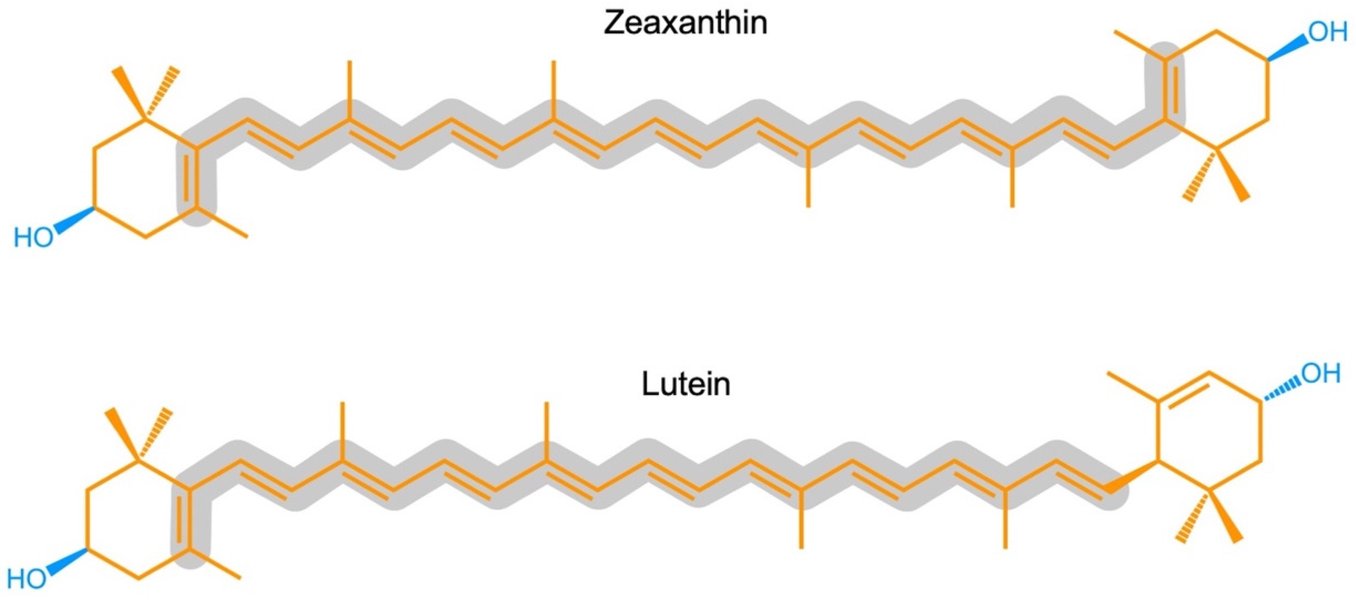
Chemical structures of the macular carotenoids: lutein, zeaxanthin, and meso-zeaxanthin.
Zeaxanthin's Protective Mechanisms
Filtering Harmful High-Energy Blue Light
One of zeaxanthin's most critical physiological actions is its ability to filter high-energy visible (HEV) light, commonly known as blue light (wavelengths approximately 400–500 nm). This portion of the light spectrum can penetrate deep into the eye and reach the retina, potentially causing phototoxic damage to photoreceptor cells and the retinal pigment epithelium (RPE).
By absorbing a significant portion of this blue light, zeaxanthin acts like internal sunglasses, reducing the amount of damaging light that reaches the delicate underlying retinal structures. This photoprotective mechanism is crucial for:
- Minimizing light-induced oxidative stress.
- Reducing glare and visual discomfort.
- Potentially improving chromatic contrast (the ability to distinguish between colors).
Zeaxanthin helps reduce glare and protect against light-induced strain.
Potent Antioxidant and Anti-Inflammatory Actions
The retina is a highly metabolic tissue with significant oxygen consumption and constant light exposure, making it exceptionally susceptible to oxidative stress. Oxidative stress arises from an imbalance between the production of reactive oxygen species (ROS), or free radicals, and the body's ability to neutralize them. These highly reactive molecules can damage vital cellular components like lipids, proteins, and DNA.
Neutralizing Free Radicals
Zeaxanthin is a powerful antioxidant. It can quench singlet oxygen and scavenge various free radicals, effectively neutralizing their damaging potential. This antioxidant capacity helps to protect retinal cells, particularly photoreceptors and RPE cells, from oxidative injury, thereby preserving their structure and function.
Reducing Inflammation
Beyond direct antioxidant effects, zeaxanthin also exhibits anti-inflammatory properties. Chronic low-grade inflammation is implicated in the pathogenesis of several eye diseases. Zeaxanthin can modulate inflammatory pathways, potentially by inhibiting the production of pro-inflammatory cytokines and reducing the activation of inflammatory cells. This helps to maintain a healthier microenvironment within the ocular tissues.
Enhancing Visual Performance and Eye Health
The accumulation of zeaxanthin and lutein forms the macular pigment, and the density of this pigment (Macular Pigment Optical Density, or MPOD) is a key indicator of retinal health and is linked to various aspects of visual performance.
Improvements in Visual Function
Higher MPOD, contributed to by adequate zeaxanthin levels, has been associated with:
- Improved Visual Acuity: Sharper, clearer vision, especially in distinguishing fine details.
- Enhanced Contrast Sensitivity: Better ability to discern objects from their background, particularly in low-light conditions or against glare.
- Reduced Glare Disability and Photostress Recovery: Less visual discomfort from bright lights and quicker recovery of vision after exposure to intense light sources. This is partly due to the blue light filtering and scattering reduction properties of the macular pigment.
- Reduced Chromatic Aberration: By filtering blue light, which is more prone to scattering within the eye, macular pigment can reduce optical distortions, leading to a clearer retinal image.
Visualizing Zeaxanthin's Multifaceted Impact
The following chart illustrates the relative perceived importance and efficacy of zeaxanthin's various physiological actions within the human eye. These are qualitative assessments based on the body of scientific evidence, highlighting the broad spectrum of benefits this carotenoid provides.
This chart underscores zeaxanthin's significant contributions, particularly in shielding the eye from blue light, defending against oxidative damage, and protecting the vital photoreceptor cells.
Protection Against Age-Related Eye Diseases
The combined actions of blue light filtering, antioxidant defense, and anti-inflammatory effects make zeaxanthin a key player in protecting against the development and progression of certain age-related eye diseases.
- Age-Related Macular Degeneration (AMD): AMD is a leading cause of vision loss in older adults, affecting the macula. Zeaxanthin's protective roles directly combat the oxidative stress and light-induced damage implicated in AMD. Higher dietary intake and higher MPOD are associated with a reduced risk of developing advanced AMD.
- Cataracts: Cataracts involve the clouding of the eye's lens, often due to oxidative damage to lens proteins. As an antioxidant, zeaxanthin may help protect the lens from this damage, potentially delaying the onset or progression of cataracts.
Furthermore, zeaxanthin supports overall retinal cell health by contributing to the stability of mitochondrial function in RPE cells, which is crucial for their energy supply and survival, thus supporting long-term retinal integrity.
Visualizing Zeaxanthin's Network of Actions
The physiological actions of zeaxanthin are interconnected, creating a comprehensive protective system within the eyeball. This mindmap illustrates the primary ways zeaxanthin contributes to eye health:
This mindmap highlights how zeaxanthin’s presence in the macula underpins its light-filtering capabilities, while its chemical properties enable potent antioxidant and anti-inflammatory actions, all contributing to better vision and protection against common eye ailments.
Summary of Zeaxanthin's Key Actions and Benefits
The following table provides a concise summary of zeaxanthin's primary physiological actions on the human eyeball and the resulting benefits for eye health and vision:
| Physiological Action | Primary Benefit in the Eye | Specific Location/Mechanism |
|---|---|---|
| Blue Light Filtration | Protects retina from high-energy visible (HEV) light damage, reduces glare | Macular pigment (containing zeaxanthin) absorbs blue light before it reaches photoreceptors |
| Antioxidant Activity | Neutralizes free radicals, reduces oxidative stress to retinal cells and lens | Scavenges ROS in retinal cells (photoreceptors, RPE), protects lipids, proteins, and DNA |
| Anti-inflammatory Effects | Reduces inflammation in ocular tissues, mitigating a factor in chronic eye diseases | Modulates inflammatory pathways, protects RPE cells from inflammatory damage |
| Macular Pigment Enhancement | Improves visual acuity, contrast sensitivity, and reduces glare disability | Increases Macular Pigment Optical Density (MPOD) in the fovea and parafovea |
| Retinal Cell Health Support | Maintains integrity and function of photoreceptors and RPE cells | Stabilizes cell membranes, supports visual cycle processes, protects mitochondria |
| Protection against Eye Diseases | May reduce risk or slow progression of AMD and cataracts | Combats oxidative damage and light-induced stress, key factors in these conditions |
Further Insights on Lutein and Zeaxanthin
Lutein and zeaxanthin are often discussed together due to their similar structures and complementary roles in eye health. This video provides an overview of their importance for the eyes, touching upon many of the physiological actions discussed.
The video explains how these carotenoids accumulate in the eye and contribute to its protection. Understanding their combined benefits reinforces the significance of zeaxanthin's specific contributions to filtering harmful light and acting as an antioxidant, thus preserving visual function over a lifetime.
Frequently Asked Questions (FAQ)
What is zeaxanthin?
Zeaxanthin is a type of carotenoid, specifically a xanthophyll, which is a yellow-colored pigment found naturally in many plants and microorganisms. In humans, it is a crucial nutrient for eye health, known for its antioxidant properties and its role in filtering blue light.
Where in the eye does zeaxanthin primarily act?
Zeaxanthin is most highly concentrated in the macula, which is the central part of the retina responsible for sharp, detailed central vision and color perception. Within the macula, it is particularly dense in the fovea. It, along with lutein and meso-zeaxanthin, forms the macular pigment.
How does zeaxanthin protect against blue light?
Zeaxanthin's molecular structure allows it to absorb high-energy blue light wavelengths. By doing so, it acts as a natural filter, preventing a significant portion of this potentially harmful light from reaching and damaging the sensitive photoreceptor cells in the underlying retina.
Is zeaxanthin an antioxidant?
Yes, zeaxanthin is a potent antioxidant. It helps to neutralize harmful free radicals (reactive oxygen species) that are generated by metabolic processes and light exposure in the eye. This action protects retinal cells from oxidative damage, which is implicated in various eye conditions.
Can zeaxanthin improve vision?
Zeaxanthin can contribute to improved visual performance. Higher levels of macular pigment, which includes zeaxanthin, are associated with better visual acuity (sharpness), enhanced contrast sensitivity (ability to distinguish objects from backgrounds), reduced glare disability, and faster recovery from photostress (exposure to bright light).
Recommended Further Exploration
- What are the best dietary sources of zeaxanthin and lutein for eye health?
- How does macular pigment optical density relate to visual performance and AMD risk?
- What is the difference between lutein, zeaxanthin, and meso-zeaxanthin in eye protection?
- Are there recommended daily intakes for zeaxanthin for optimal eye health?
References
Last updated May 6, 2025