
Exploring Extensions of Zermelo’s Paired Comparisons Ranking Model
Delving into features like brackets, seeding, scheduling, and more in ranking systems
Key Insights
- Integration of Tournament Features: While Zermelo’s original model (1929) focuses on probabilistic rankings based on pairwise data, modern extensions incorporate practical tournament features such as seeding and brackets.
- Operational versus Theoretical Aspects: The theoretical underpinnings of ranking by paired comparisons are extended to include real-world functionalities like match scheduling and customization, which cater to operational needs.
- Enhanced Data and Economic Considerations: Extensions to Zermelo’s model facilitate deeper data integration, user engagement, and even assessments of economic impact, bridging mathematical theory with practical applications.
Overview of Zermelo’s Model and Its Extensions
Originally introduced by Ernst Zermelo in 1929, Zermelo’s ranking model was developed as a probabilistic framework to establish rankings based on the outcomes of paired comparisons. The primary aim of this model was to handle incomplete or variable paired data to yield a unique ordering of items or competitors in specific scenarios.
While Zermelo’s model provides elegant solutions for determining relative strengths or positions using an outcome matrix, it does not inherently define operational features common in tournament management such as brackets format, seeding mechanisms, match scheduling, and others. In later extensions and applications, these practical components are systematically integrated to adapt the mathematical model to real-world environments. The need to combine robust ranking logic with operational, economic, and user-driven features has led to a series of enhancements in the applied framework.
Features in Modern Extensions: Detailed Breakdown
1. Brackets Format
Concept and Implementation
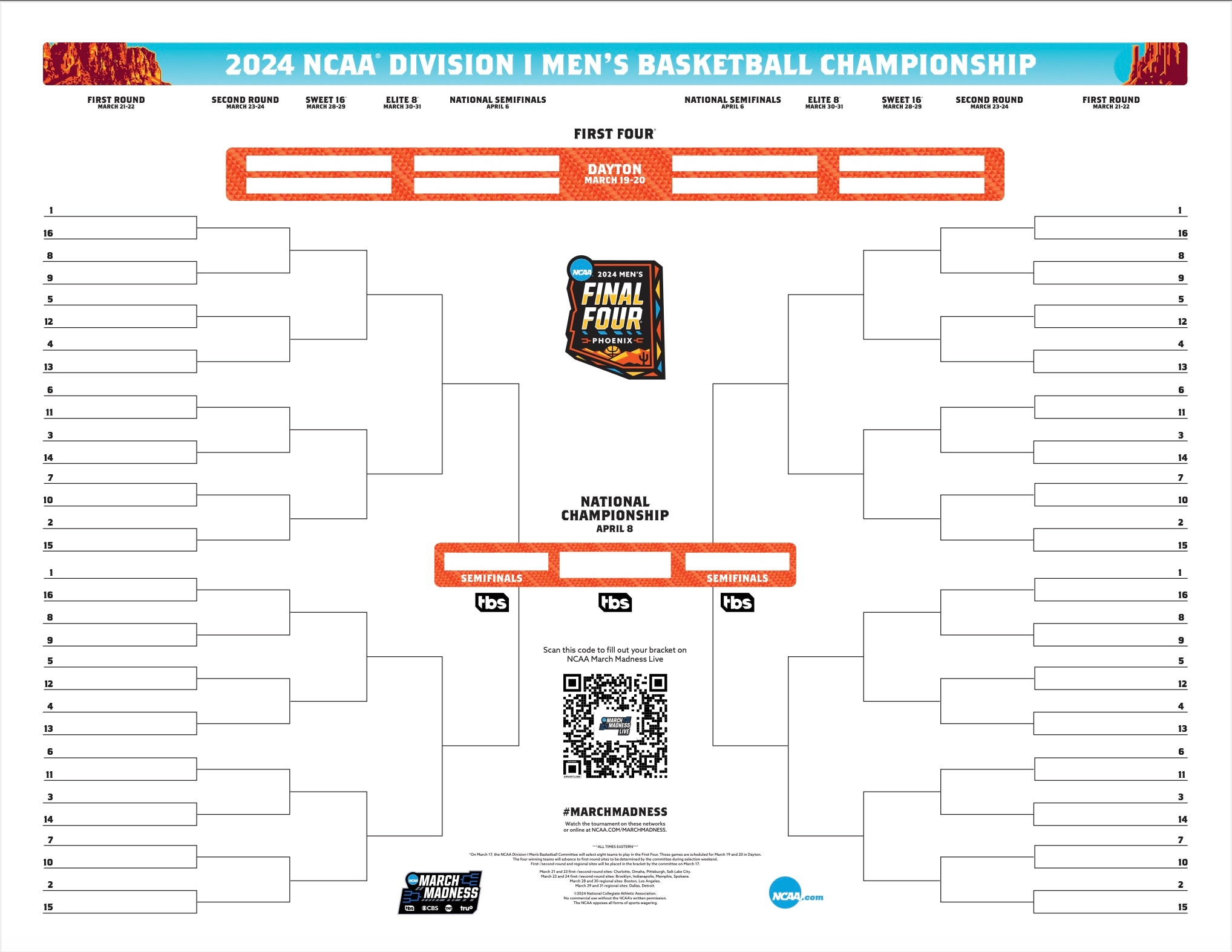
The brackets format, widely recognized in sports and competitive tournaments, involves structuring the competition in a systematic elimination or advancement style. Although Zermelo’s original work does not explicitly include a brackets system, it is a natural extension when adapting the model for tournaments.
In practical implementations, brackets enable the visualization of match progressions, where competitors advance based on outcomes determined by their paired comparisons. Here, the ranking generated by the model can be used to initialize bracket seedings, thereby leading the tournament into its operational phase.
2. Seeding Mechanism
Adapting Rankings to Tournament Dynamics
Seeding in tournaments assigns positions to competitors based on their expected performance. Although Zermelo’s approach focuses on probabilistic rankings, extensions of the model apply these rankings to influence the seeding process. The highest ranked competitors, as determined by the paired comparison outcomes, are usually placed against the lowest-ranked ones in early rounds to balance competitive encounters.
The integration of a seeding mechanism offers a pre-arranged order that can prevent early eliminations of strong competitors and maintain engagement by promising more balanced matchups throughout the competition.
3. Match Scheduling
Optimization Through Algorithmic Timing
Match scheduling is a critical operational aspect that ensures events are conducted seamlessly. While Zermelo’s model originally does not incorporate category-based scheduling, extensions integrate scheduling algorithms that consider factors such as participant availability, logistics, and fairness. Ranking data informs the schedule, ensuring that key match-ups occur in strategically planned time slots.
This dynamic scheduling not only optimizes the flow of tournaments but also greatly affects viewer engagement, providing timely updates that align with the competitive progress.
4. Engagement Features
Boosting Interactive and Spectator Experiences
Engagement features, though not originally a part of Zermelo’s probabilistic framework, are an essential component in modern tournament systems. Enhancements may include live updates, interactive brackets, social media integrations, and real-time odds based on ranking probability.
These features not only raise spectator interest but also support a more immersive experience by fostering a sense of participation among audiences and competitors alike.
5. Customization
Tailoring the Ranking System
Modern extensions of Zermelo’s model allow for a high degree of customization. Tournament organizers can adjust parameters such as weighting of different types of matches, introduce additional ranking criteria, or even modify the statistical distribution assumptions inherent in the original model.
Customization caters to the specific needs of different competitions, whether they are sports tournaments, debate matches, or other contexts involving head-to-head comparisons. This adaptability ensures that the model remains relevant across various domains with differing competitive dynamics.
6. Data Integration
Consolidating Diverse Data Sets
Data integration is critical when extending a theoretical model to practical scenarios. In the context of paired comparisons, integration involves compiling results from multiple matches or even diverse competition formats into a cohesive dataset that the model can analyze.
By incorporating additional data streams, such as historical performance records, real-time updates, and external metrics (e.g., audience engagement or economic indicators), modern iterations of Zermelo’s model can leverage a richer context for improved accuracy in rankings.
7. Economic Impact
Assessing Financial and Market Implications
Although Zermelo’s original model does not address economic factors directly, its extensions can inform economic impact analyses in competitive environments. For example, ranking systems that integrate detailed outcome data can predict merchandise sales, ticket demand, sponsorship value, and local business revenue tied to tournaments.
Analyzing these economic indicators provides stakeholders—such as event organizers, sponsors, and local governments—with actionable insights that can shape policies and resource allocation decisions, ensuring that competitions are both financially viable and strategically sound.
Comparison Table: Traditional Zermelo vs. Modern Extensions
| Feature | Traditional Zermelo Model (1929) | Modern Extensions |
|---|---|---|
| Brackets Format | Not explicitly included; inherent ranking does not structure brackets | Integrated as a visual and operational organizing format based on ranking order |
| Seeding Mechanism | Focuses solely on probabilistic ranking without tournament seeding | Utilizes ranking to seed competitors, balancing match fairness and progression |
| Match Scheduling | No direct application to scheduling logistics | Enhanced with scheduling algorithms for match timing and venue allocation |
| Engagement Features | Concentrated on mathematical ranking outputs | Encourages live updates, interactive engagement, and social media integration |
| Customization | Fixed statistical model without user-defined parameters | Allows for adjustable parameters, match weighting, and criteria customization |
| Data Integration | Works with a single outcome matrix | Incorporates multi-source data including historical and real-time performance metrics |
| Economic Impact | Does not address economic factors | Facilitates analyses of revenue generation, market trends, and economic benefits tied to competitions |
In-depth Discussion of Practical Implications
Integrating Tournament Structures with Theoretical Models
The evolution from a purely mathematical representation to a system integrated with operational features represents a significant leap in leveraging Zermelo's model. The transition involves taking a robust probabilistic foundation and augmenting it with elements critical to operational efficiency and user satisfaction.
For instance, when using the rankings as seedings for a tournament, organizers can ensure that early rounds are more strategically balanced. This not only prevents top competitors from meeting too early in the competition but also maintains the suspense and excitement of later rounds. Similarly, by transforming ranking outputs into engaging visual brackets, organizers can communicate progress and results more effectively to both participants and fans.
Algorithmic Match Scheduling and Its Benefits
Advanced tournament extensions incorporate match scheduling algorithms that are designed to handle multiple constraints—such as venue availability, participant rest times, and peak audience interaction periods. The scheduling process optimizes the order of matches, ensuring that the competitors receive fair intervals between games and that high-stake matches garner maximum viewership.
Moreover, scheduling systems react dynamically to real-time changes. This is particularly crucial in environments where unexpected delays or upsets can alter the typical flow of events, thereby requiring a flexible and adaptive scheduling mechanism.
Enhancing Engagement and Customization
Engagement features are vital in the digital age where spectators expect interactive and immersive experiences. By incorporating tools such as live scoreboards, professional commentary, real-time odds, and social media integrations, the system transforms a static ranking model into an interactive platform that captures audience attention.
Customization offers event organizers the flexibility to modify core parameters of the ranking model to align better with the specific nuances of their competition. Whether by adjusting match weighting or integrating additional performance metrics, customization ensures that the ranking system is not one-size-fits-all but rather a tailored solution that fits different competitive landscapes.
Data Integration and Economic Evaluation
In modern extensions, the integration of diverse data sources not only refines the predictive accuracy of the ranking model but also provides a comprehensive picture of the tournament. Data gathered from historical matches, real-time performance indicators, audience engagement statistics, and even economic markers such as sponsorship values and ticket sales contribute to a multidimensional analysis.
This multidimensional approach is key in evaluating the broader economic impact of tournaments. Stakeholders can assess revenue generation against expenditure, measure economic benefits to local communities, and forecast future financial trends. When paired with robust statistical models, these insights empower decision-makers to optimize the overall tournament structure, enhance marketing strategies, and maximize economic returns.
Application Areas and Future Potential
The adaptations applied to Zermelo’s model are not limited to sports tournaments. The underlying principles of paired comparison and enhanced data integration have potential applications in various domains, such as online gaming, e-sports, academic competitions, and even areas like consumer preference studies.
Beyond competitions, these models also offer a basis for developing ranking systems that can influence everything from product recommendations to decision-making processes in business and public administrations. The integration of economic impact analyses provides an additional layer where theoretical models directly contribute to financial and strategic planning.
As technology advances, the integration of machine learning and adaptive algorithms may further refine these ranking systems, making them more dynamic and responsive to real-time data. The insights gained from monitoring economic impact and user engagement could lead to even more sophisticated models that bridge the gap between theoretical mathematics and practical, everyday applications.
References
- Paired Comparison - OpinionX
- An Extension of Zermelo's Model - ResearchGate
- European Journal of Applied Mathematics - Cambridge
-
ScienceDirect Article - ScienceDirect
- Pairwise Comparison - Wikipedia
Recommended Queries for Deeper Insights
 cdn2.mhpbooks.com
 static.mhpbooks.com
Last updated March 25, 2025