
Zero Emission Powered Unmanned Surface Vessels (USVs)
Revolutionizing Maritime Operations with Sustainable Technology
Key Takeaways
- Hydrogen Fuel Cells: Central to powering zero-emission USVs, offering efficient and clean energy solutions.
- Advanced Autonomy: Enhanced AI and machine learning capabilities enable fully autonomous operations, reducing the need for human intervention.
- Environmental and Economic Benefits: Significant reductions in carbon footprints and operational costs, aligning with global sustainability goals.
Introduction to Zero Emission Powered USVs
Zero emissive Unmanned Surface Vessels (USVs) represent a transformative advancement in the maritime industry, merging autonomous technology with sustainable energy solutions. Designed to operate without emitting greenhouse gases or pollutants, these vessels offer an eco-friendly alternative to traditional fuel-powered maritime operations. Their applications span environmental monitoring, hydrographic surveying, security surveillance, and various research activities, making them pivotal in modernizing maritime practices while adhering to stringent environmental regulations.
Key Features of Zero Emission Powered USVs
1. Power Sources
Hydrogen Fuel Cells
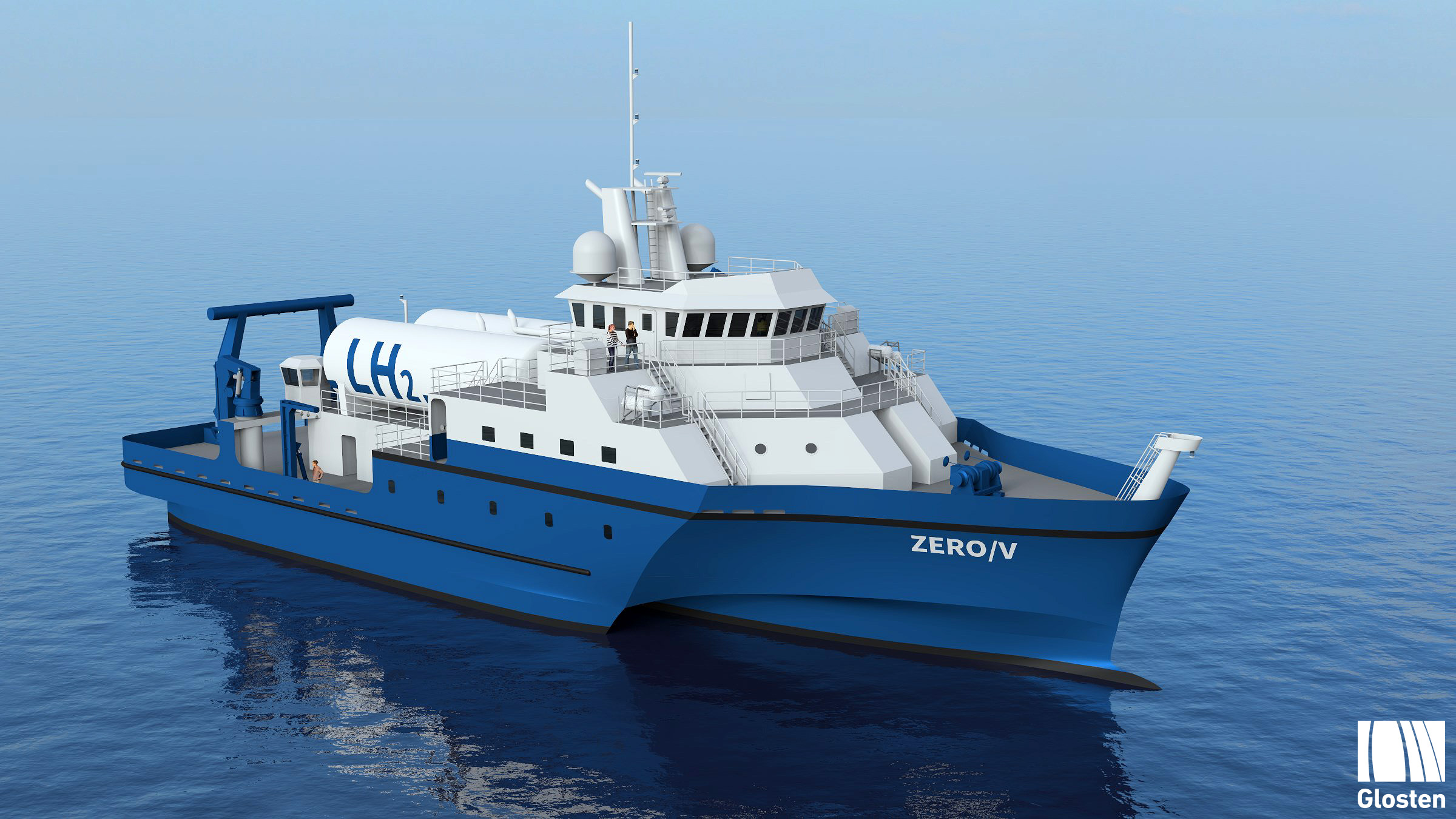
Hydrogen fuel cells are at the forefront of powering zero-emission USVs. These cells generate electricity through a chemical reaction between hydrogen and oxygen, producing only water vapor as a byproduct. This technology is lauded for its high energy efficiency and minimal environmental impact, making it a preferred choice for sustainable maritime operations.
Battery-Powered Systems
Electric batteries, often charged via renewable energy sources such as solar panels, provide another viable power solution for zero-emission USVs. These systems ensure silent and efficient propulsion, enabling extended operations without the reliance on fossil fuels.
Hybrid Systems
Some USVs employ hybrid systems that combine hydrogen fuel cells with battery storage. This integration optimizes energy efficiency and extends the operational range of the vessels, allowing for longer missions and greater flexibility in various maritime environments.
2. Applications
Environmental Monitoring
Zero-emission USVs play a crucial role in collecting data on marine ecosystems, assessing water quality, monitoring biodiversity, and contributing to scientific research. Their ability to operate autonomously over long periods makes them indispensable tools for environmental conservation efforts.
Hydrographic Surveying
Equipped with advanced sonar and mapping sensors, zero-emission USVs conduct detailed seabed and coastal area surveys. These vessels provide high-resolution data critical for navigation safety, coastal development, and marine habitat studies.
Logistics and Surveillance
In addition to scientific applications, zero-emission USVs are employed in logistics support and coastal surveillance operations. Their autonomous capabilities allow for efficient cargo transportation and enhanced security monitoring without the environmental drawbacks of traditional vessels.
3. Advantages
Sustainability
By eliminating the use of fossil fuels, zero-emission USVs significantly reduce the carbon footprint associated with maritime operations. This sustainability aligns with global initiatives aimed at combating climate change and promoting eco-friendly technologies.
Cost Efficiency
The operational costs of zero-emission USVs are notably lower over time due to reduced fuel consumption and maintenance requirements. The initial investment in advanced technologies is offset by the long-term economic benefits, making these vessels a financially prudent choice for maritime operations.
Autonomy
Many zero-emission USVs are designed to operate autonomously, minimizing the need for human intervention. This autonomy not only reduces labor costs but also enhances the capability for long-duration missions in remote or hazardous environments.
Regulatory Compliance
These vessels comply with increasingly stringent maritime emission regulations, particularly in environmentally sensitive zones. Their ability to operate without pollutants ensures adherence to international standards and supports the preservation of marine ecosystems.
Recent Developments in Zero Emission USVs
Zero Emission H-Class Ocean USV
Developed by SEA-KIT International, the Zero Emission H-Class Ocean USV represents a significant leap in hydrogen-powered maritime technology. Funded through the Clean Maritime Demonstration Competition (CMDC) Round 2, this vessel integrates Printed Circuit Board (PCB) Hydrogen Fuel Cells developed by Bramble Energy. Designed for deep-water offshore operations, coastal surveys, and ROV launch and recovery, it exemplifies the practical application of hydrogen fuel cell technology in challenging marine environments.
Zero USV Fleet
A collaboration between Marine AI and MSubs has culminated in the creation of the world's first fully autonomous USV fleet, known as Oceanus12. These vessels are equipped with dual-electric propulsion systems and hybrid powertrains, achieving ranges over 2,000 nautical miles with speeds up to 10 knots. The fleet's four-ton aluminum vessels demonstrate the commercial viability of zero-emission USVs for extensive maritime applications.
BEL's Solar-Powered USV
Bharat Electronics Limited (BEL) has pioneered the development of a solar-powered USV, leveraging advanced technologies such as high-performance marine batteries and lightweight flexible solar panels. This vessel is tailored for hydrographic surveying and coastal surveillance, offering extended operations without the need for traditional fuel sources. The integration of solar-electric hybrid marine power solutions underscores the commitment to sustainable engineering practices.
Otter USV
Maritime Robotics and Ovun have collaborated to produce eco-friendly hulls for the Otter USV, enhancing its zero-emission capabilities and data acquisition precision. The Otter USV is recognized for its sustainable design and ability to perform complex maritime tasks autonomously, further advancing the role of USVs in environmental monitoring and research.
REAV-28 USV
The REAV-28 USV is a battery-powered electric vessel designed specifically for ecosystem restoration and environmental monitoring. Equipped with state-of-the-art sensors for data collection, the REAV-28 supports zero-emission operations, contributing to the preservation and study of marine environments through sustainable technology.
Key Technologies Enabling Zero Emission USVs
Hydrogen Fuel Cells
Hydrogen fuel cells serve as a cornerstone technology for zero-emission USVs. These cells offer a high energy-to-weight ratio and produce zero pollutants, making them ideal for maritime applications. Innovations such as Printed Circuit Board Fuel Cells (PCBFCs) have further enhanced the durability and efficiency of hydrogen-powered USVs, enabling them to withstand the harsh conditions of the marine environment.
Electric Propulsion Systems
Electric propulsion systems, powered by rechargeable batteries and supported by renewable energy sources like solar panels, provide silent and efficient movement for USVs. The integration of diesel-electric hybrid systems in some USVs allows for a gradual transition to full zero-emission operations by replacing traditional diesel generators with hydrogen fuel cells.
Material Integration
The use of lightweight and durable composite materials in hull construction reduces energy demands and enhances fuel efficiency. Sustainable manufacturing practices, such as incorporating recycled materials, contribute to the overall goal of minimizing the environmental impact of USVs during both operation and production.
Advantages of Zero Emission USVs
Environmental Sustainability
Zero-emission USVs are pivotal in reducing the maritime industry's carbon footprint. By utilizing clean energy sources such as hydrogen fuel cells and solar power, these vessels eliminate harmful emissions, supporting global initiatives aimed at mitigating climate change and preserving marine ecosystems.
Cost Efficiency
The initial investment in zero-emission technologies is balanced by long-term economic benefits. Reduced fuel consumption and lower maintenance costs contribute to overall operational cost savings, making zero-emission USVs a financially sustainable choice for maritime operations.
Regulatory Compliance
With increasing global regulations targeting maritime emissions, zero-emission USVs ensure compliance with Environmental Protection Agency (EPA) standards and International Maritime Organization (IMO) decarbonization targets. This compliance not only avoids potential fines but also positions operators as leaders in sustainable maritime practices.
Flexibility and Versatility
Zero-emission USVs are designed to operate across a wide range of scenarios, from long-duration offshore surveys to sensitive habitat measurements and commercial port operations. Their adaptability makes them suitable for diverse applications, enhancing their utility in various maritime contexts.
Recent Technological Advancements
Advancements in Hydrogen Fuel Cell Technology
Ongoing research and development in hydrogen fuel cell technology continue to enhance the efficiency and operational range of zero-emission USVs. Innovations such as higher energy density fuel cells and improved cold-weather performance expand the usability and reliability of hydrogen-powered maritime vessels.
Enhanced Autonomy through AI and Machine Learning
The incorporation of advanced AI and machine learning algorithms has significantly improved the autonomy of USVs. These technologies enable more sophisticated decision-making capabilities, allowing USVs to navigate complex maritime environments, optimize energy usage, and perform tasks with minimal human intervention.
Sustainable Manufacturing Practices
Manufacturers are increasingly adopting sustainable materials and processes in the construction of USVs. The use of recycled materials, such as medium-density polyethylene (MDPE) for hulls, and the implementation of energy-efficient manufacturing techniques contribute to the overall sustainability of zero-emission USVs.
Integration of Renewable Energy Sources
The integration of renewable energy sources, particularly solar power, has enhanced the operational capabilities of zero-emission USVs. Onboard solar panels provide supplementary energy, reducing reliance on primary power sources and extending the vessel's mission duration without the need for recharging.
Future Trends in Zero Emission USVs
Continued Innovation in Fuel Cell Technology
Future developments are expected to focus on improving the efficiency, durability, and cost-effectiveness of hydrogen fuel cells. These advancements will enable zero-emission USVs to achieve greater operational ranges and perform more demanding tasks, further solidifying their role in sustainable maritime operations.
Expansion of Autonomous Capabilities
As AI and machine learning technologies advance, zero-emission USVs will become even more autonomous. Enhanced navigation systems, real-time data processing, and adaptive mission planning will enable these vessels to operate more effectively in diverse and dynamic maritime environments.
Growth in Collaborative Fleet Operations
The development of coordinated fleets of zero-emission USVs will enable large-scale maritime operations, such as extensive environmental monitoring and large-area hydrographic surveys. Collaborative capabilities will enhance mission efficiency and data collection accuracy, making fleet operations a standard in the near future.
Increased Regulatory Support and Incentives
Governments and international bodies are likely to introduce more policies and incentives to encourage the adoption of zero-emission maritime technologies. Financial incentives, grants, and supportive regulations will drive further innovation and widespread implementation of sustainable USVs.
Conclusion
Zero-emission powered Unmanned Surface Vessels (USVs) are at the forefront of revolutionizing maritime operations, offering a harmonious blend of autonomy and sustainability. With advancements in hydrogen fuel cell technology, electric propulsion, and autonomous systems, these vessels are poised to significantly reduce the maritime industry's environmental impact while enhancing operational efficiency and versatility. As global focus on sustainability intensifies, zero-emission USVs will play a crucial role in achieving maritime decarbonization goals, fostering environmental conservation, and driving economic benefits through cost-efficient and innovative maritime solutions.
References
Last updated January 23, 2025