
Zero Gravity Gladiatorial Combat: A Theoretical Analysis
Exploring the Physics and Dynamics of Space-Based Gladiator Duels
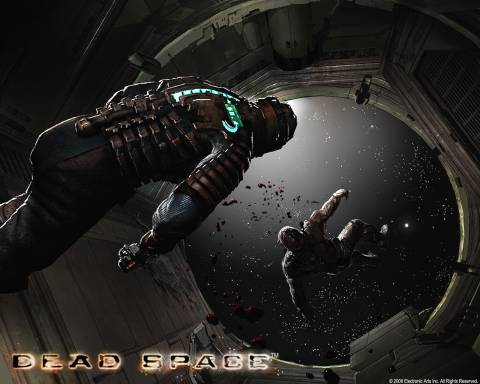
Key Takeaways
- Momentum Conservation: Every action in zero gravity results in equal and opposite reactions, fundamentally altering combat dynamics.
- Rotational Control: Managing angular momentum is crucial to maintain stability and execute precise movements.
- Specialized Equipment: Advanced gear like thrusters and magnetic anchors are essential for combatants to maneuver and stabilize.
1. Important Concepts
1.1 Newton's Third Law of Motion
In zero gravity environments, Newton's Third Law becomes even more pronounced. Every force exerted by a combatant results in an equal and opposite reaction. For instance, when a gladiator delivers a punch, not only does the target receive the force, but the attacker is simultaneously propelled backward. This reciprocal action necessitates precise control over movements to avoid unintended drifting or destabilization.
1.2 Conservation of Momentum
Momentum conservation dictates that the total momentum within the system remains constant unless acted upon by an external force. In the absence of gravity, combatants must meticulously manage their momentum. Any propulsion or maneuver will continue indefinitely until countered, making strategic movement critical. This principle affects both offensive strategies, like throws and strikes, and defensive tactics, such as evasion.
1.3 Rotational Dynamics
Without gravitational pull, rotational movements gain prominence. Combatants must control their angular momentum to maintain orientation. Initiating a spin can aid in evasion or create opportunities for counterattacks, but it also poses the risk of losing control if not managed properly. Techniques to accelerate or decelerate spin rates, such as extending or retracting limbs, become essential skills.
1.4 Three-Dimensional Combat Space
Zero gravity transforms the combat arena into a truly three-dimensional battlefield. Traditional notions of forward, backward, left, and right dissolve, allowing movement in any direction. Combatants must adapt to this spatial complexity, strategizing attacks and defenses from multiple vectors simultaneously. This environment demands heightened spatial awareness and the ability to anticipate movements in all axes.
1.5 Energy Transfer in Strikes
In zero gravity, the energy from strikes is not dissipated through the ground but transmitted directly to both the target and the attacker. This results in more significant and unpredictable movements post-impact. Combatants must calibrate the force of their strikes to achieve desired effects without compromising their own stability.
2. Challenges
2.1 Lack of Anchoring
Without gravity, combatants have no natural means to anchor themselves to a surface. Delivering powerful strikes or maintaining a stable stance becomes problematic, as each force applied can inadvertently alter their position. This lack of grounding requires alternative methods to achieve balance and leverage during combat.
2.2 Uncontrolled Drift
Any movement in zero gravity results in continuous motion unless countered. Combatants risk drifting uncontrollably if not careful, making positioning and strategic maneuvering challenging. Uncontrolled drift can lead to disorientation, reduced combat effectiveness, and increased vulnerability to opponents.
2.3 Rotational Instability
Strikes or movements that impart rotational force can cause unintended spinning. Without mechanisms to counteract these rotations, combatants may find themselves disoriented or off-balance, hindering their ability to defend or attack effectively.
2.4 Limited Tactile Feedback
In the absence of ground resistance, combatants receive less tactile feedback from their movements. This reduction makes it harder to gauge the force and effectiveness of strikes, potentially leading to overexertion or underpowered attacks.
2.5 Physiological Strain
Prolonged exposure to zero gravity environments can lead to muscle atrophy and bone density loss. Combatants must maintain physical conditioning to ensure they retain the necessary strength and agility required for effective combat.
3. Solutions to Challenges
3.1 Specialized Equipment
Combatants can utilize magnetic or adhesive footwear to anchor themselves to metallic surfaces within the arena. Additionally, personal thruster packs allow for controlled propulsion, enabling strategic movement without inducing uncontrollable drift.
3.2 Thruster Packs and Gyroscopic Stabilization
Integrated thruster systems can help manage momentum and counteract unintended movements. Gyroscopic stabilizers within suits can assist in maintaining orientation, reducing the risk of rotational instability during combat.
3.3 Tactile Feedback Suits
Advanced suits equipped with haptic feedback systems can provide combatants with sensory input regarding the force and impact of their movements. This feedback aids in calibrating strike power and improving reaction times.
3.4 Resistance Training in Microgravity
Combatants can undergo specialized training regimens designed to counteract muscle atrophy and maintain bone density. Resistance exercises adapted for microgravity environments ensure that fighters retain the necessary physical capabilities for combat.
3.5 Arena Design Enhancements
Zero gravity arenas can be designed with embedded anchor points, strategic hold stations, and momentum-dampening fields. These features provide combatants with opportunities to stabilize and control their movements, enhancing both safety and combat effectiveness.
4. Vivid Description
Envision a colossal, spherical arena suspended in the vast emptiness of space. Its interior is a labyrinth of metallic corridors, translucent barriers, and floating platforms, all meticulously designed to facilitate zero gravity combat. The arena's environment is illuminated by pulsating lights that shift in hue, casting dynamic shadows across the metallic surfaces.
Two gladiators, donned in sleek, high-tech suits equipped with magnetic boots and integrated thruster packs, float silently at opposite ends of the arena. The crowd watches from observation decks encircling the sphere, their anticipation palpable. As the signal to commence echoes through the arena, the fighters initiate their battle.
The first combatant extends a limb to push off a floating platform, propelling themselves forward with a controlled burst from their thrusters. Their movement is graceful yet lethal, each motion calculated to conserve momentum while advancing toward the opponent. The second gladiator responds by anchoring their magnetic boots to a metallic wall, stabilizing their position as they prepare to counterattack.
A swift strike follows—a blow aimed at the opponent's midsection. As the fist connects, the force transfers directly, sending the attacker tumbling backward despite their thruster assistance. Both combatants spin slightly, their rotational momentum now a critical factor in maintaining balance and readiness.
Reacting swiftly, the second gladiator utilizes their thrusters to adjust their trajectory, closing the distance once more. They execute a spinning kick, leveraging their control over angular momentum to deliver a powerful strike. The impact sends shockwaves through both fighters, each motion resonating with the conservation of momentum in the zero gravity environment.
The arena becomes a ballet of motion and force. Combatants utilize every available surface—walls, ceilings, and platforms—to redirect their movement and strategize attacks. Magnetic grips allow for sudden stops and pivots, while thrusters provide bursts of speed or quick evasions. Every action has a consequence, requiring fighters to anticipate and adapt constantly.
As the duel intensifies, the physiological strain of the zero gravity environment begins to manifest. Muscle fatigue sets in, movements become more deliberate, and the precision of strikes is tested. Yet, the combatants push through, their training and specialized equipment enabling them to maintain effectiveness despite the challenges.
In a critical moment, one gladiator executes a grappling maneuver, anchoring their opponent to a central platform. Utilizing gyroscopic stabilization, they apply controlled force, sending their adversary hurtling away with calculated speed. The thrown combatant orchestrates their thrusters to regain orientation, countering the drift with a series of quick adjustments.
The fight culminates in a final, decisive exchange—two powerful strikes aimed simultaneously, each combatant leveraging their understanding of momentum and rotational dynamics. The result is a dramatic display of physics in action, where strategy, equipment, and physical prowess intertwine to determine the victor in this zero gravity gladiatorial spectacle.
Conclusion
Zero gravity gladiatorial combat presents a fascinating intersection of physics and martial strategy. The unique environment amplifies fundamental principles such as momentum conservation and rotational dynamics, challenging combatants to adapt their techniques and employ specialized equipment. The absence of gravity transforms traditional combat into a multi-dimensional dance, where every action reverberates with equal and opposite reactions. Through innovative solutions and rigorous training, gladiators can master the complexities of zero gravity, turning potential obstacles into strategic advantages.
References
Last updated January 23, 2025