
Conference Paper: Challenges of a Zero Waste Campus
A comprehensive analysis of the obstacles and solutions in achieving campus sustainability
Highlights
- Infrastructure and Operational Challenges: Addressing the lack of adequate recycling facilities, waste sorting systems, and financial constraints.
- Behavioral and Cultural Shifts: Overcoming resistance to change, increasing community awareness, and promoting effective waste segregation.
- Management and Policy Issues: Developing robust policies, measuring waste accurately, encouraging interdepartmental collaboration, and managing seasonal waste fluctuations.
Introduction
The global push toward sustainable campus initiatives places significant importance on creating zero waste environments in educational institutions. This conference paper synthesizes observations and analyses on the challenges of establishing a zero waste campus by exploring various aspects, such as infrastructure inadequacies, behavioral obstacles, institutional policies, and operational constraints. As campuses strive to become more sustainable, the implementation of waste reduction strategies faces multiple hurdles that require a multifaceted approach. This comprehensive discussion provides an in-depth analysis of the challenges associated with this transition and offers insights into potential solutions.
Overview of Zero Waste Campus Initiatives
A zero waste campus is defined by its ambition to divert all waste from landfills through a systematic approach that includes recycling, composting, and reducing waste production. The concept requires a commitment to redesigning waste management practices, establishing clear guidelines for waste segregation, and involving the entire campus community in sustainability objectives. It is a holistic strategy that integrates environmental awareness with operational efficiency. As campuses embark on this path, key challenges emerge that can impede progress if not adequately addressed.
Key Challenges in Implementing a Zero Waste Campus
The pursuit of a zero waste campus is fraught with numerous challenges that vary in nature from infrastructural deficits to behavioral resistance and policy shortcomings. Each category of challenge requires targeted interventions to create a sustainable and seamless transition. Detailed below are the main obstacles faced by campuses:
Infrastructure and Resource Constraints
1. Inadequate Recycling and Waste Disposal Facilities
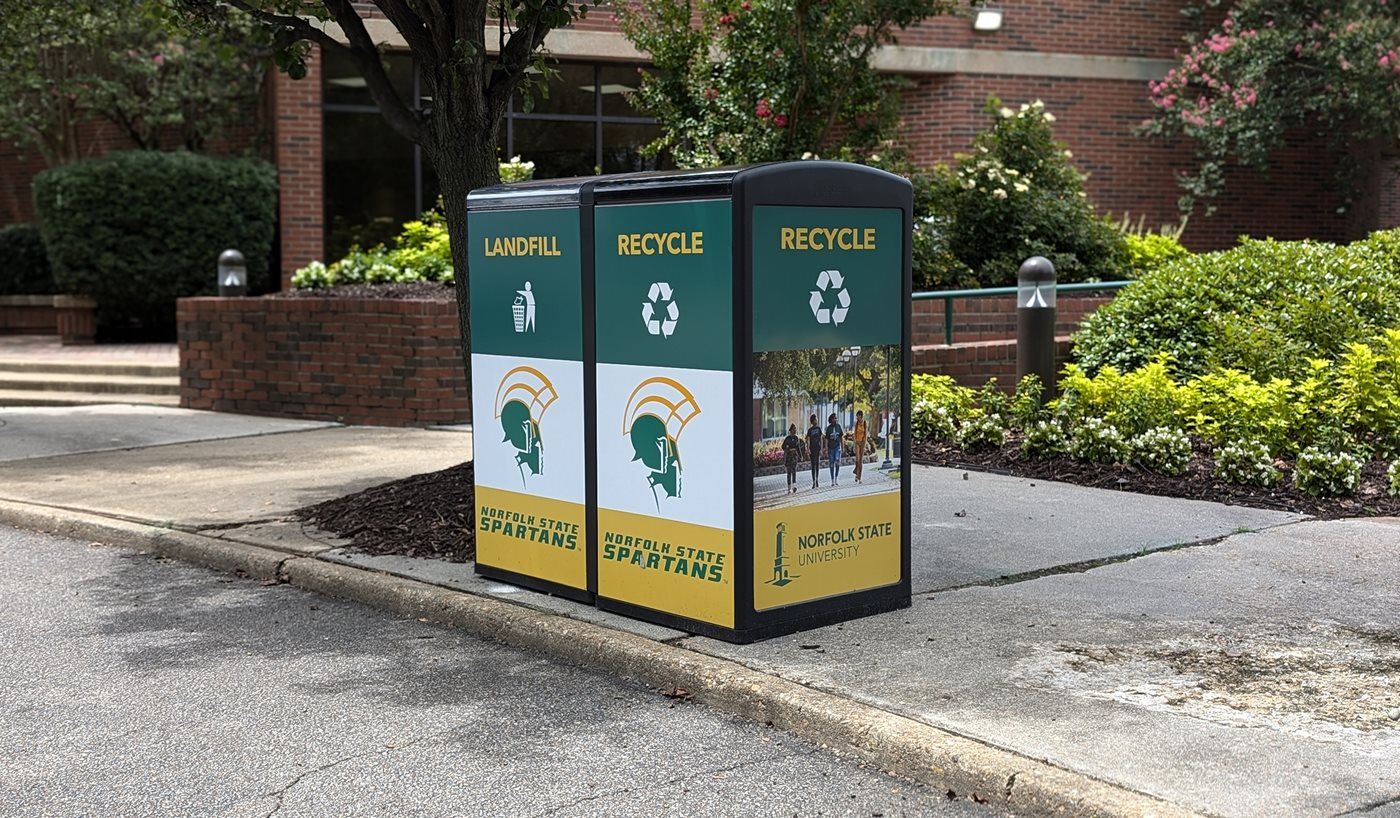
One of the primary challenges in establishing a zero waste campus is the insufficient infrastructure needed to support effective waste diversion programs. Campuses often lack a sufficient number of dedicated waste bins that separate recyclables, compostables, and landfill waste. The absence of specialized zones for processing different types of waste, such as paper, plastics, organics, and even laboratory waste, contributes to inefficient waste handling and higher chances of contamination.
The infrastructure gap is compounded by the need for innovative recycling methods, particularly for handling high volumes of food waste and paper that can be susceptible to cross-contamination. Without proper facilities, significant portions of waste are diverted to general disposal methods rather than being processed as part of a circular economy. Solutions require investments in specialized equipment, appropriate transportation of recyclable materials, and design modifications to campus structures to accommodate waste processing units.
2. Financial and Logistical Limitations
The financial aspects of building a zero waste campus can not be understated. Implementing sophisticated waste management systems often requires considerable capital. Educational institutions frequently face budget constraints that limit the acquisition of state-of-the-art sorting and composting technologies. Additionally, the cost of hiring and training personnel to manage these systems adds another layer of financial strain.
Logistically, many campuses struggle with the operational demands of maintaining a zero waste program. Transportation systems for hauling waste, scheduling regular waste audits, and ensuring coordination among various departments can be challenging without sufficient resources. A successful zero waste strategy must address both the initial capital expenditure and ongoing operational costs, ensuring that funding mechanisms are in place to support these long-term initiatives.
Behavioral and Cultural Challenges
1. Community Awareness and Participation
Achieving a zero waste campus depends largely on the collective efforts of the campus community, including students, faculty, and staff. A critical challenge is the lack of widespread awareness about the principles of zero waste and the specific practices that support it. Without constant education and engagement, even well-intentioned policies may fall short because community members might not consistently adhere to the required waste segregation protocols.
Effective awareness campaigns need to be implemented to inform all stakeholders about the inevitable benefits of waste reduction, not only for the environment but also for operational efficacy and campus safety. Training sessions, workshops, and incentives are essential to motivate individuals to adopt sustainable practices such as proper sorting and actively reducing single-use waste. Overcoming behavioral inertia involves cultivating a culture in which zero waste is not merely an administrative goal but becomes ingrained in the everyday habits of every individual on campus.
2. Shifting Cultural Norms and Consumption Patterns
Changing ingrained habits and attitudes toward waste management is one of the most challenging aspects of reaching zero waste. Many campus communities have a long-standing culture of convenience, dependence on disposable items, and a lack of accountability in waste generation. Confronting and altering these cultural norms requires persistent efforts and the establishment of long-term educational programs that target attitudes and behaviors.
Implementing campaigns that highlight the benefits of waste reduction, use real-life case studies, and promote reusable and recyclable materials can foster a more environmentally responsible culture. The most successful interventions combine practical education with incentives that reward sustainable behavior, thereby transforming the community’s approach to everyday waste management.
Operational and Technical Challenges
1. Waste Segregation and Cross-Contamination
A recurring challenge in zero waste initiatives is the proper segregation of waste. Many campuses report high rates of cross-contamination, especially with paper and organic matter, which undermines the effectiveness of recycling systems. When recyclables become contaminated with organic waste or non-recyclable items, it compromises the quality and marketability of the reclaimed materials, rendering entire batches unusable.
Strict protocols and regular training sessions are necessary to educate the campus community about the correct procedures for waste separation, along with strategically placed waste collection containers that are clearly labeled. Investing in effective sorting technology and employing monitoring systems to track compliance rates are also critical steps in overcoming the contamination problem.
2. Managing Diverse Waste Streams
Campuses generate a varied array of waste types, stemming from academic activities, residential life, dining facilities, and specialized laboratories. Each of these areas presents unique challenges in terms of volume, composition, and the handling of hazardous or specialized waste. For instance, managing electronic waste or laboratory chemicals requires protocols that differ significantly from those for general recyclables.
To address such diversity, campuses must develop comprehensive waste management systems that cater to different types of waste with tailored solutions. This may include creating separate collection routines, adopting specialized disposal methods, and instituting heightened safety measures for chemicals and lab waste. Additionally, establishing robust data collection methods to track waste generation across these streams can support informed decision-making and continuous improvement.
Institutional Policy and Governance Challenges
1. Policy and Administrative Support
Institutional policy is a cornerstone of any successful zero waste initiative. Administrative support requires a strong commitment not only to establish progressive waste management policies but also to enforce and monitor compliance. Without clear guidelines, accountability systems, and leadership backing, even the most ambitious zero waste goals can falter.
The challenge here is to integrate waste management goals into the broader operational policies of the institution and secure a commitment from top officials. The process involves drafting comprehensive waste management plans, setting specific targets, and establishing timelines alongside regular audits to track progress. Furthermore, administrative inertia can hinder rapid policy implementation, thereby requiring persistent advocacy for policy reform and innovation.
2. Data Collection and Performance Metrics
Reliable data collection is vital for understanding waste patterns, measuring the effectiveness of zero waste strategies, and identifying areas for improvement. Many campuses struggle with systems that capture accurate metrics on waste generation, segregation efficiency, and recycling rates. The absence of such data hampers the development of targeted interventions and impedes progress evaluation.
Advanced tracking systems and the adoption of smart technologies, such as sensor-equipped bins and digital waste management tools, can greatly enhance the monitoring process. Integrating these systems into the campus infrastructure allows for real-time analysis and supports a data-driven approach to policy adjustment and procedural enhancements. A transparent performance metric framework is essential for maintaining accountability and fostering continuous engagement among the campus community.
Seasonal and Event-Driven Waste Management Challenges
1. Handling Peak Waste Periods
Another significant challenge for campuses is managing waste during peak periods of activity. These fluctuations occur during move-in and move-out seasons, large campus events, academic breaks, and other high-attendance situations. During these periods, even minor inefficiencies in waste management systems can lead to substantial problems, including overwhelming waste accumulation and increased contamination rates.
To mitigate these issues, campuses must develop flexible waste management strategies that can scale quickly to accommodate increased waste generation. This involves deploying additional temporary waste stations, increasing the frequency of waste collection, and employing temporary staff trained in waste segregation protocols. Effective planning for seasonal peaks ensures that waste management systems remain robust and responsive, regardless of demand fluctuations.
2. Integrating Event-Based Waste Management Practices
High-profile campus events require tailored waste management solutions due to their transient yet intense waste generation. Effective event management strategies include pre-event planning, clear communication of waste disposal practices to attendees, and post-event audits to assess performance. Such practices ensure that temporary systems are properly integrated with the campus’s permanent infrastructure without compromising overall goals.
Collaboration between event organizers and campus facilities is crucial. Planning committees should include sustainability experts who can design waste management layouts that accommodate the transient nature of events. Even with these measures in place, maintaining the quality of recycling and composting during events remains a demanding task that necessitates continuous improvement and adaptive measures.
Technology and Innovative Solutions
1. Adoption of Smart Waste Management Systems
Technological innovation plays a pivotal role in overcoming many of the operational challenges of zero waste initiatives. Smart waste management systems, including sensor-based waste containers and digitally enabled tracking systems, help in optimizing waste collection routes, reducing contamination through better real-time sorting feedback, and streamlining overall waste data collection. These technologies not only enhance efficiency but also provide valuable insights for future improvements.
However, integrating technology into existing waste infrastructure requires initial investments and training. It also necessitates a clear communication strategy to ensure the campus community understands and uses these innovations correctly. As campuses test and adopt these smart systems, they lay the foundation for a data-driven approach to reducing waste and tracking sustainability metrics.
2. Implementation of Closed-Loop Waste Systems
Closed-loop systems aim to reintegrate waste materials back into the supply chain rather than disposing of them. These systems close the cycle by converting waste into new products or energy, thus reducing the overall environmental footprint of the campus. Integrating closed-loop strategies requires collaboration between waste management teams, local recycling facilities, and even manufacturers who can utilize reclaimed materials.
This approach is transformative in the way it challenges the traditional linear model of waste disposal, promoting a circular economy. The challenges lie not only in the logistical implementation but also in changing the mindset of what waste represents. Recognizing waste as a resource rather than a byproduct is central to the success of closed-loop systems, and effective communication of this concept is essential across all campus sectors.
Table: Comparative Overview of Zero Waste Campus Challenges
| Aspect | Challenges | Potential Solutions |
|---|---|---|
| Infrastructure |
|
|
| Financial |
|
|
| Behavioral & Cultural |
|
|
| Operational |
|
|
| Policy & Governance |
|
|
Strategies for Overcoming Challenges
Addressing the challenges associated with achieving a zero waste campus demands an integrated approach that balances infrastructural improvements, behavioral interventions, and robust policy frameworks. The following strategies provide a roadmap for campuses seeking to embrace these ambitious sustainability goals:
A. Enhancing Infrastructure and Resource Allocation
1. Investment in Recycling and Composting Facilities
A fundamental step towards zero waste is the modernization of waste management infrastructure. This involves allocating funds for developing advanced recycling centers, composting sites, and specialized disposal units. Modern technologies like sensor-equipped bins, automated sorting systems, and digital tracking should be integrated into campus facilities to minimize human error and maximize efficiency.
Investment in these facilities not only ensures that waste is properly segregated and processed but also offers a visible commitment by the institution towards sustainable practices. Funding may be sourced through governmental grants, partnerships with private organizations, or dedicated sustainability budgets that prioritize environmental initiatives.
2. Strategic Financial Planning
Given the significant financial implications of zero waste initiatives, campuses must adopt strategic financial planning to manage costs efficiently. This includes establishing budgets that account for both capital and recurring expenditures, sourcing sustainable funding, and exploring cost-sharing arrangements with local governments and private enterprises.
Detailed cost-benefit analyses can help institutions justify the initial outlay by projecting long-term savings from reduced waste disposal fees and possible revenue from recycled materials. Additionally, scaling initiatives gradually can allow for incremental improvements while assessing the financial impacts at each stage.
B. Overcoming Behavioral and Cultural Barriers
1. Community Engagement and Education Programs
A key to achieving zero waste lies in transforming campus culture. Institutions must launch continuous, engaging, and interactive educational programs that target the diverse spectrum of the campus population. Workshops, seminars, and sustainability fairs can offer practical insights into the benefits of waste reduction and recycling. Integrative campaigns, including social media outreach and student-led initiatives, are effective methods for raising awareness and fostering personal responsibility.
The curriculum may also incorporate sustainability modules that emphasize the role of each individual in achieving zero waste. Incentive programs that reward sustainable practices further motivate behavioral changes and establish a normative shift towards a greener lifestyle.
2. Behavioral Incentives and Policy Reinforcement
Shifting long-standing habits necessitates not only educational strategies but also actionable behavioral incentives. Introducing reward systems for departments or residence halls that actively reduce waste, as well as recognition awards for exemplary performance, can drive greater participation. Simultaneously, strict policy reinforcement ensures that waste segregation guidelines are adhered to rigorously.
Proactive measures include regular audits, monitoring contamination rates, and providing immediate feedback to reinforce correct sorting practices. Behavioral interventions when combined with tangible rewards create an environment where sustainability becomes an integral part of the campus ethos.
C. Strengthening Institutional Policy and Governance
1. Comprehensive Waste Management Policies
To create lasting change, campuses must integrate zero waste initiatives into their formal policies. Comprehensive waste management policies that outline specific responsibilities, targets, and timelines are essential. These policies should be designed to incentivize best practices and include accountability mechanisms to track progress.
Administrative leadership is crucial in the enforcement of these policies. Building cross-departmental committees that regularly review sustainability metrics and handle policy adjustments based on performance data fosters a culture of continuous improvement. By ensuring that sustainability policies are not static but evolve with changing campus dynamics, institutions can maintain momentum and achieve long-term success.
2. Data-Driven Decision Making
The integration of data analytics in waste management is integral to understanding trends and identifying areas for improvement. Establishing robust mechanisms for data collection, such as waste audits and digital tracking systems, provides quantitative insights that can drive informed policy decisions. Transparent reporting on waste metrics helps maintain accountability and motivates the campus community to engage effectively with zero waste initiatives.
Data-driven strategies also allow campuses to pilot new technologies and assess their impact empirically. By monitoring waste diversion rates, contamination frequencies, and seasonal fluctuations, institutions can fine-tune operational strategies and scale successful programs while addressing any emergent issues promptly.
D. Addressing Seasonal and Event-Driven Challenges
1. Scalable Waste Management Systems
The variability in waste production throughout the academic year calls for scalable waste management strategies. Institutions must design flexible systems that can handle fluctuations associated with move-in/move-out periods, peak academic sessions, and campus events. This may include deploying additional temporary waste stations, scheduling extra waste collection rounds, or utilizing mobile sorting units during times of high waste generation.
An adaptable approach ensures that the performance of the zero waste plan remains consistent regardless of the scale of activity. By anticipating peak periods and implementing contingency plans, campuses can avoid overburdened systems and maintain the quality of waste segregation and processing.
2. Event-Specific Waste Management Protocols
Special events require customized waste management protocols that integrate temporary infrastructure with standard waste handling practices. Prior to such events, organizers should collaborate with sustainability teams to design bespoke waste collection stations that are clearly marked and easily accessible. Post-event evaluations help to identify gaps and improve future strategies.
Employing dedicated staff or volunteers to monitor waste sorting during events can greatly reduce contamination rates. Additionally, utilizing technology such as mobile apps that guide participants on proper disposal practices during events can bolster the overall efficacy of waste management systems.
E. Leveraging Technology and Innovation
1. Integration of Smart Waste Monitoring Systems
Technological adoption is vital in streamlining waste management processes on campuses. The use of smart meters, sensor-equipped waste bins, and integrated digital tracking platforms facilitates the efficient handling and segregation of waste. These systems can provide real-time data on bin fill levels, which in turn helps in optimizing collection routes and scheduling.
Moreover, incorporating technology into waste management practices enables campuses to quickly identify problem areas, such as frequent contamination spots, and address them through targeted interventions. Over time, the data collected can also guide improvements in waste reduction strategies and adjust operational protocols to maximize success.
2. Innovation in Recycling Methods and Closed-Loop Systems
Continuous innovation is paramount to overcoming the challenges faced by zero waste campuses. Closed-loop recycling, where waste materials are repurposed into new products, represents a transformative approach to solid waste management. By redefining waste as a resource, campuses can contribute to a sustainable circular economy that minimizes environmental impacts.
Implementing closed-loop systems requires collaboration with local industries, recycling experts, and research institutions. Advances in biotechnologies for composting, mechanical recycling processes, and resource recovery technologies are key to achieving high diversion rates. This approach not only reduces waste but also creates opportunities for educational research and community-based partnerships.
Conclusion
In conclusion, the journey toward a zero waste campus is replete with a diverse array of challenges ranging from infrastructural deficiencies and financial constraints to cultural and behavioral hurdles. Addressing these obstacles requires a comprehensive, multi-dimensional strategy that integrates investment in modern waste management facilities, robust policy frameworks, community engagement, and innovative technological solutions. By creatively and persistently addressing infrastructural and operational challenges, educational institutions can transform their waste practices and set an inspiring precedent for sustainability.
Critical to this transformation is the commitment of the entire campus community—from administrators to students—to embrace and drive the necessary changes. With the advent of data-driven decision-making, flexible operational strategies, and innovative recycling methods, campuses are well-positioned to overcome the limitations that impede their progress toward zero waste. The success of these initiatives not only contributes to environmental sustainability but also enhances the educational mission by instilling a culture of responsibility and resilience among future leaders.
References
-
A ScienceDirect Article - ScienceDirect
- Sustainable UMass Student Showcase - UMass
- MDPI Journal on Sustainability - MDPI
- Zero Waste Resources - Princeton Sustainability
- Towards a Sustainable Campus - Asia Research News
- MDPI Journal on Waste Management - MDPI
Recommended Further Queries
Last updated February 23, 2025