
Zinc Nanoparticles in Electrochemical Sensors
Exploring the Versatile Applications and Advances in ZnO Nanoparticle-Based Sensing
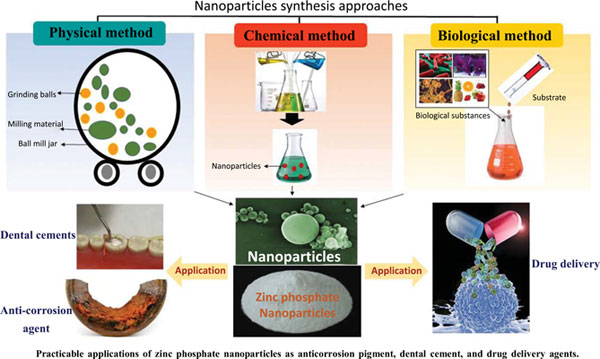
Zinc oxide (ZnO) nanoparticles have emerged as a highly effective material in the realm of electrochemical sensors. Their unique physical and chemical properties, such as a high surface area, excellent conductivity, and strong catalytic performance, have enabled researchers and engineers to develop sensors that offer rapid, sensitive, and reliable detection of a broad range of analytes. In this comprehensive discussion, we explore the key attributes, synthesis methods, applications, and performance characteristics of ZnO nanoparticles in electrochemical sensors.
Key Highlights
- High Surface Area and Conductivity: ZnO nanoparticles facilitate superior electron transfer and provide extensive active sites for analyte adsorption.
- Enhanced Sensitivity and Stability: Their inherent stability and non-enzymatic properties enable the detection of various substances under different conditions.
- Versatile Applications: They are used for detecting biomolecules, environmental pollutants, gases, and pharmaceuticals.
Fundamental Properties of ZnO Nanoparticles
ZnO nanoparticles stand out due to their multifaceted properties which directly influence their performance in sensor applications. The large specific surface area of these nanoparticles provides extensive active sites, thereby enhancing the adsorption of target analytes such as ascorbic acid, dopamine, and uric acid. Additionally, their superior conductivity and high electron transfer efficiency significantly reduce response times, making them ideal for rapid detection.
Physical and Chemical Attributes
Surface Area and Active Sites
The nanoscale dimensions of ZnO provide a significantly higher surface-to-volume ratio compared to bulk materials. This large surface area means that there are more active sites available for the adsorption and interaction of analyte molecules. The enhanced absorption contributes directly to improved sensitivity in sensor applications.
Conductivity and Catalytic Activity
The electrical conductivity of ZnO nanoparticles is a crucial parameter for electrochemical sensing. A high conductivity facilitates a rapid electron transfer between the electrode and the analyte, resulting in a faster sensor response. Moreover, the inherent catalytic properties of ZnO nanoparticles contribute to effective electrocatalysis, allowing for the oxidation or reduction of analytes without the need for enzyme catalysts. This non-enzymatic approach reduces complexity and enhances operational stability.
Stability and Operating Conditions
An important benefit of ZnO nanoparticles is their stability under various environmental conditions. Unlike enzyme-based sensors which are sensitive to temperature and pH fluctuations, ZnO-based sensors demonstrate consistent performance even in harsh environments. Their robustness ensures that sensors based on these nanoparticles are reliable over extended periods and can be deployed in diverse settings, ranging from clinical diagnostics to environmental monitoring.
Synthesis Methods and Fabrication
Several synthesis methods have been optimized to produce ZnO nanoparticles with desired properties suitable for sensor fabrication. Each method allows for control over parameters such as particle size, morphology, and distribution, which in turn affect the sensor’s performance.
Common Synthesis Techniques
Hydrothermal Method
The hydrothermal method is one of the most popular techniques for synthesizing ZnO nanoparticles. This approach allows for the production of highly crystalline nanoparticles by controlling reaction temperatures and pressures over extended time periods. The method is favored for its reproducibility and scalability.
Bio-Combsustion Process
Another innovative approach is the bio-combustion method, which often utilizes natural extracts such as Aloe vera to facilitate the synthesis. This eco-friendly process not only reduces the reliance on harmful chemicals but also produces nanoparticles with unique morphologies and surface properties that are beneficial for sensor applications.
One-Pot Synthesis Methods
One-pot synthesis methods are also employed to streamline the fabrication process, allowing for the simultaneous control of reaction parameters and the incorporation of ZnO nanoparticles into sensor matrices. These methods are particularly advantageous when integrating nanoparticles with other materials to form hybrid sensors.
Applications in Electrochemical Sensors
The versatility of ZnO nanoparticles makes them suitable for an array of sensor applications. Their unique electrochemical properties allow these sensors to detect a wide variety of substances with high sensitivity and specificity.
Biomolecule Detection
Detection of Neurotransmitters and Metabolites
ZnO nanoparticle-modified electrodes have been successfully utilized for the simultaneous detection of critical biomolecules such as ascorbic acid (AA), dopamine (DA), and uric acid (UA). These analytes are important markers in clinical diagnostics, particularly for neurological and metabolic disorders. The electrochemical sensors fabricated with ZnO nanoparticles display well-separated oxidation peaks, enabling accurate and rapid simultaneous detection of these substances in complex biological samples.
Nucleic Acid Hybridization
Apart from small molecule detection, ZnO nanoparticles have also been incorporated into sensors designed for monitoring nucleic acid hybridization. This application is pivotal in genetic diagnostics and forensic analysis, where the precise detection of genetic markers is required.
Environmental Monitoring
Gas Sensors for Hazardous Gases
Environmental monitoring is another critical application where ZnO nanoparticles are extensively utilized. Sensors based on these nanoparticles have demonstrated remarkable sensitivity in detecting hazardous and toxic gases. These sensors contribute significantly to air quality management by monitoring pollutants such as nitrogen oxides, sulfur compounds, and volatile organic compounds. The ability to detect these gases at low concentrations makes ZnO-based sensors indispensable in industrial safety, public health, and environmental protection.
Detection of Water and Soil Pollutants
ZnO nanoparticle sensors are also applied in monitoring environmental pollutants present in water and soil. Their robust catalytic activity and high adsorption capacity allow them to detect trace amounts of harmful substances, ensuring that environmental conditions remain within safe limits. This application is critical in both urban and rural settings, where environmental contamination can lead to significant health risks.
Pharmaceutical and Food Safety Analysis
Electrochemical Sensing of Medications and Additives
In the pharmaceutical industry, ZnO nanoparticle-based sensors are employed to detect active ingredients in medications, such as paracetamol and baricitinib. Their rapid electron transfer capabilities coupled with high sensitivity make them suitable for quality control and assurance. Additionally, ZnO nanoparticles have been incorporated into sensors for food safety analysis, including the detection of additives like aspartame and contaminants that might arise during food processing.
Sensor Performance and Comparative Analysis
To illustrate the performance characteristics of ZnO nanoparticle-based sensors, the following table summarizes various sensor applications, the corresponding analytes, and key performance metrics including sensitivity, detection limits, and operational stability.
| Application | Analytes Detected | Notable Performance Metrics | Reference |
|---|---|---|---|
| Biomolecule Detection | Ascorbic Acid, Dopamine, Uric Acid | High sensitivity, separated oxidation peaks, low detection limits | PMC7723903, Frontiers in Chemistry |
| Gas Sensing | Toxic gases (e.g., NOx, VOCs) | Rapid response time, high sensitivity | ScienceDirect, Nature |
| Nucleic Acid Hybridization | Genetic Markers | High selectivity, non-enzymatic detection | MDPI, PubMed |
| Pharmaceutical & Food Analysis | Paracetamol, Aspartame, Baricitinib | Robust catalytic performance, reproducibility | IOP Science, SciOpen |
Non-Enzymatic Sensing Approach
One of the most advantageous aspects of ZnO nanoparticle-based sensors is their non-enzymatic detection capability. In contrast to enzyme-based sensors, which can be adversely affected by environmental factors such as temperature, pH, and humidity, non-enzymatic sensors provide consistent performance over a wide range of conditions. ZnO nanoparticles inherently possess catalytic properties that facilitate the oxidation and reduction reactions of target analytes. This reliability is particularly beneficial for applications necessitating long-term operation or deployment in harsh environments.
Advantages of the Non-Enzymatic Approach
Operational Stability
Sensors relying on ZnO nanoparticles can function stably without the fluctuations that enzymes typically experience. This ensures that sensor readings remain accurate over prolonged periods and reduces the need for frequent calibration or replacement.
Wide Detection Range
The robust nature of non-enzymatic sensors is especially useful when working with samples that might exhibit variations in pH or other interfering factors. ZnO nanoparticle-based sensors can successfully detect a wide range of analyte concentrations, enhancing their versatility and reliability in varied practical applications.
Integration and Hybrid Sensor Systems
In recent developments, researchers have integrated ZnO nanoparticles with other nanomaterials or electrode substrates to create hybrid sensor systems. These composite sensors are designed to capitalize on the synergistic effects of different materials, further enhancing the sensor’s sensitivity, selectivity, and stability.
Combining with Other Nanomaterials
Carbon-Based Nanomaterials
The use of carbon-based materials, such as graphene or carbon nanotubes, in combination with ZnO nanoparticles provides additional advantages like improved charge transport and mechanical stability. The resulting hybrid sensor platforms are not only more sensitive but also show better performance in terms of response time and reproducibility.
Metal Doping and Alloying
Another strategy involves doping ZnO nanoparticles with metals such as silver (Ag) or combining them with other metal oxides to form alloys. These modifications can tailor the surface properties and electronic structure of the ZnO nanoparticles to target specific analytes more effectively. For example, Ag-doped ZnO nanoellipsoids have shown very promising results in detecting hydrazine owing to enhanced electron transfer capabilities.
Real-World Applications and Future Outlook
The exploration of ZnO nanoparticles for electrochemical sensor applications is not only a subject of laboratory research but has also transitioned into various practical fields. In clinical diagnostics, hospitals and laboratories employ ZnO-based sensors to monitor critical biomarkers, offering rapid and reliable assessments that are vital for treatment decisions. In the environmental sector, portable sensors incorporating ZnO nanoparticles are used to continually monitor air and water quality, which is essential for public safety. Furthermore, this technology is being explored in industrial applications where stringent monitoring of hazardous substances is necessary.
Current Trends in Research
Ongoing research into ZnO nanoparticle-based electrochemical sensors is focused on optimizing synthesis methods to produce nanoparticles with controlled size, shape, and defect densities. These parameters are crucial as they affect electron transfer dynamics, stability, and selectivity. Continued innovation is also seen in the integration of these nanoparticles with advanced microfabrication techniques, paving the way for the development of portable and miniaturized sensor devices.
Technological Integration
With the advent of the Internet of Things (IoT) and wearable technologies, there is a growing interest in embedding ZnO nanoparticle-based sensors into smart devices. The future of sensor technology may involve real-time monitoring capabilities, remote data transmission, and integration with cloud-based analysis systems. This convergence of nanotechnology with digital technologies highlights the immense potential of ZnO nanoparticles in creating responsive and interconnected sensor networks.
References
-
PMC7723903 - NIH PMC
- Frontiers in Chemistry - Frontiers
- Scientific Reports - Nature
-
ScienceDirect - Elsevier
- MDPI - MDPI
- IOP Science - IOP
- AIP Advances - AIP
- SciOpen - EFMat Journal
Recommended Queries for Deeper Insights
Last updated March 8, 2025