
In-Depth Analysis of Zolpidem and Trazodone Effects on Sleep Behavior
Exploring How 10mg Zolpidem and 100mg Trazodone Affect a 55kg Woman’s Sleep Pattern and Eye Behavior
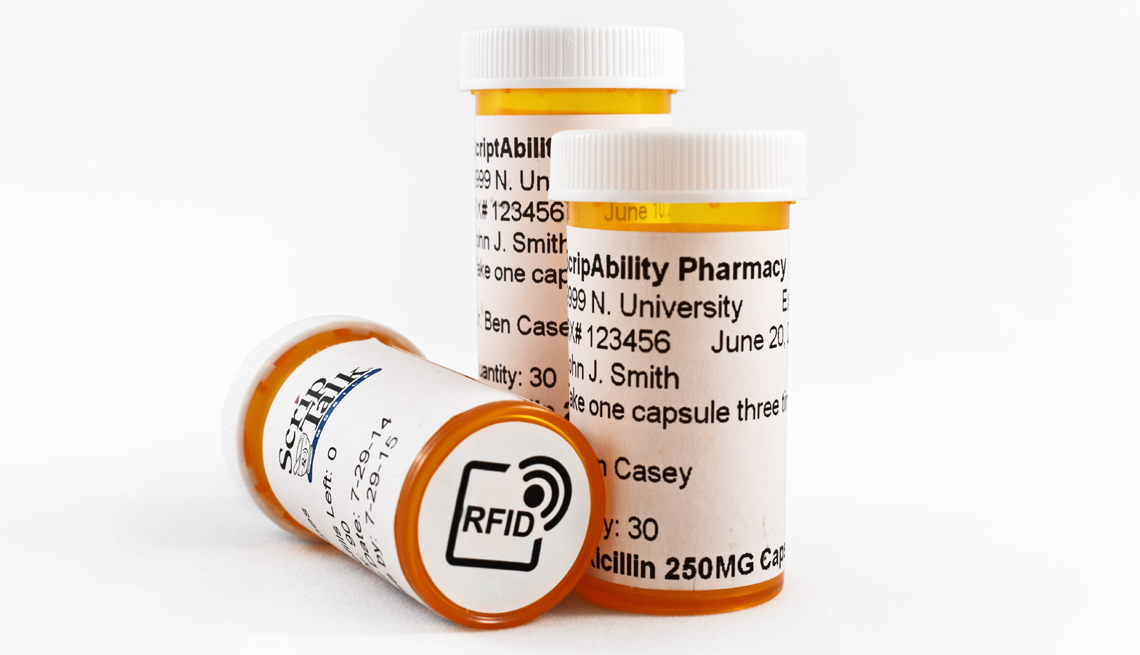
Highlights
- Uncommon Eye Behavior: Neither drug is known to directly cause eyes to remain open during sleep; such observations may be due to unique individual response.
- Mechanisms and Side Effects: Zolpidem enhances GABA activity for rapid sleep onset, while trazodone works as a serotonin antagonist reuptake inhibitor; both have distinct side effect profiles.
- Importance of Medical Consultation: Any atypical sleep behavior warrants a consultation with a healthcare professional for personalized health management.
Understanding the Medications
Overview of Zolpidem and Trazodone
Zolpidem and trazodone are commonly prescribed medications intended to treat insomnia and other sleep disorders. While both facilitate sleep, they differ in their mechanisms of action, dosing considerations, and side effect profiles. A 55kg woman, when administered standard dosages of these medications—10mg zolpidem and 100mg trazodone—experiences sedative effects meant to help initiate and maintain sleep. However, the phenomenon of "eyes staying open" during sleep is not a typical or directly documented effect of either drug.
Zolpidem: Mechanism and Effects
Mechanism of Action
Zolpidem is a sedative-hypnotic agent that primarily enhances the inhibitory effects of gamma-aminobutyric acid (GABA) in the brain. By binding to specific GABA receptors, it helps to reduce brain activity and thus promotes sleep onset. This action is critical for reducing sleep latency—the time it takes to fall asleep—making it particularly useful for patients with initial insomnia.
Standard Dosing Considerations
For adults, the typical dose of zolpidem is around 10mg. However, for women and the elderly, lower starting doses are sometimes recommended (commonly around 5mg) to minimize side effects. In our case, the 10mg dose is considered standard for a general adult population, though careful dosing is essential when considering body weight and metabolism.
Potential Side Effects and Unusual Behaviors
Zolpidem is known to cause several side effects which include drowsiness, dizziness, and possible next-day impairment in some individuals. More rarely, it can lead to complex sleep behaviors like sleepwalking or sleep-driving. Visual disturbances such as double vision may also occur, but there is no documented evidence that zolpidem causes an individual’s eyes to remain open while sleeping. In effect, by promoting deep sleep and reducing cortical arousal, zolpidem does not typically interfere with the normal closure of the eyelids.
Trazodone: Mechanism and Effects
Mechanism of Action
Trazodone was originally developed as an antidepressant, but its sedative properties have led to its widespread off-label use for treating insomnia. It is classified as a serotonin antagonist and reuptake inhibitor (SARI). By altering serotonin activity, trazodone promotes relaxation and sedation, thereby assisting with sleep initiation and maintenance.
Standard Dosing Considerations
For sleep, trazodone is typically administered in lower doses, with a range that might begin as low as 25mg per day and can extend up to 100mg. In our discussion, the 100mg dose is at the higher end of this range, promising pronounced sedative effects. Nevertheless, individual sensitivity to trazodone varies, and dosing must be tailored to minimize adverse effects while maximizing sleep quality.
Potential Side Effects
Side effects associated with trazodone are generally milder compared to many other sleep aids. Commonly reported effects include drowsiness, dry mouth, and occasional dizziness. Notably, like zolpidem, there is no evidence to suggest that trazodone has any impact on the physical mechanism of eye closure during sleep. Trazodone typically does not contribute to the phenomenon of eyes remaining open.
Analyzing the Phenomenon: Eyes Staying Open While Sleeping
Interpreting "Eyes Staying Open"
The description "eyes staying open while sleeping" is not widely documented as a standard effect of any of these medications. Typically, sleep is characterized by a natural relaxation of facial muscles and closure of the eyelids. Any deviation from this norm might be due to unique circumstances or atypical reactions. In clinical practice, there is little evidence to suggest that either zolpidem at a 10mg dose or trazodone at a 100mg dose can directly cause such a condition.
A possible explanation for the observation might be related to a parasomnia, which encompasses abnormal behaviors or physiological events during sleep. For instance, complex sleep behaviors—such as sleepwalking or episodes of partial arousal—have been associated with zolpidem use. However, these complex behaviors do not typically involve the eyes; they mostly relate to motor activity and incomplete transitions between sleep stages.
Some individuals might report unusual facial expressions or eye movements during particular sleep stages, but these are not usually indicative of a pharmacologically induced inability to close the eyes. In fact, the sedative pharmacodynamics of both zolpidem and trazodone promote the relaxation of muscles, thereby facilitating the normal sleep cycle, including eyelid closure.
Physiological Mechanisms of Eye Closure in Sleep
Under normal conditions, the parasympathetic nervous system is responsible for the automatic, involuntary closure of the eyelids as part of the sleep cycle. As one nears the onset of sleep, the muscles controlling the eyelids relax, permitting complete closure. Both zolpidem and trazodone facilitate sleep rather than alter this fundamental physiological process.
Any observed instances where an individual's eyes remain partially or fully open during sleep may be better explained by reflex activity or a rare neurological condition, rather than a direct pharmacodynamic effect of these sedative medications. For example, conditions like nocturnal lagophthalmos—a condition where the eyelids do not close completely during sleep—are primarily due to anatomical or neuromuscular issues rather than the influence of sedative drugs.
Role of Medication in Sleep Dynamics
Both medications induce sedation by affecting the central nervous system, reducing the time to sleep initiation and modifying the architecture of sleep. Zolpidem, by dampening brain activity via the GABA mechanism, and trazodone, by influencing serotonergic pathways, set the stage for sleep without interfering with the natural reflexes that drive eyelid closure.
Comparative Summary of Medication Effects
Detailed Comparison Table
| Characteristic | Zolpidem (10mg) | Trazodone (100mg) |
|---|---|---|
| Primary Use | Insomnia treatment via rapid sleep induction | Off-label treatment for insomnia with sedative effects |
| Mechanism of Action | Enhances GABAergic activity | Serotonin antagonist and reuptake inhibitor (SARI) |
| Standard Dosage | 10mg for general adults (5mg for certain populations) | 25-100mg, with 100mg at the upper end of the range |
| Common Side Effects | Drowsiness, dizziness, risk of complex sleep behaviors | Drowsiness, dry mouth, occasional dizziness |
| Impact on Eye Behavior | No documented direct effect on eyelid closure | No documented direct effect on eyelid closure |
Additional Considerations for a 55kg Woman
Weight and Dose Sensitivity
Body weight can play a significant role in the pharmacokinetics of sedative medications. In a 55kg woman, alterations in metabolic rate, distribution, and clearance of drugs could result in heightened sensitivity to their sedative effects. Although a 10mg dose of zolpidem is common for many adults, lower doses are sometimes preferred, especially in women, to decrease the likelihood of side effects. Similarly, trazodone at 100mg acts as a potent sedative, although its sedative effects are generally well-tolerated due to its non-habit forming nature.
It is important for individuals to have personalized dosing advice from a healthcare provider, particularly when factors such as body weight, concurrent medications, or potential comorbid conditions are involved. Such personalization ensures that doses achieve desired sleep induction without causing undesired effects such as excessive daytime drowsiness or unusual sleep behaviors.
Clinical Monitoring and Reporting of Unusual Effects
While neither zolpidem nor trazodone specifically induces the phenomenon of "eyes staying open" during sleep, any atypical presentation should be thoroughly evaluated. It is crucial for those experiencing unusual sleep behaviors, including but not limited to irregular eyelid movement or partial eye opening during sleep, to consult their healthcare provider. Detailed patient histories, sleep studies, and eye examinations may be warranted to rule out any underlying neurological or anatomical causes.
Moreover, healthcare professionals might employ polysomnography (a sleep study) to evaluate overall sleep architecture. Polysomnography monitors various physiological parameters during sleep (including eye movements, muscle tone, heart rate, and respiration), which can help determine whether the medications are altering normal sleep stages or affecting reflexive behaviors such as eyelid closure.
Integrating the Scientific and Clinical Perspective
Scientific Perspective on Sedative Effects
Both zolpidem and trazodone promote sleep by influencing different neurotransmitter pathways. Zolpidem’s effect on GABAergic activity provides rapid sedation, thus making it beneficial for initiating sleep quickly. This rapid onset of action does not, however, interfere with the autonomic processes that control eyelid closure. Trazodone’s modulation of serotonin pathways also contributes to sedative properties and improves the overall architecture of sleep by increasing slow-wave sleep, yet does not inherently affect the mechanism responsible for eye closure.
In context, the overall effect of these medications is to facilitate a state of deep, restorative sleep. The interplay between sedative mechanisms and autonomic controls remains largely independent; hence, the unusual symptom of eyes staying open is not a side effect commonly associated with their use.
Clinical Perspective and Patient Safety
From the clinical standpoint, addressing any reports of eyes remaining open during sleep requires a multidisciplinary approach. Though these medications are effective in treating insomnia, clinicians recommend careful monitoring, particularly when complex sleep behaviors arise. For example, if a patient reports intermittent eye opening or other unusual sleep phenomena, the healthcare provider might consider modifying the medication regimen, adjusting dosages, or even exploring alternative treatment options.
Ensuring patient safety involves verifying medication adherence, monitoring for adverse effects, and educating patients on what constitutes common versus concerning symptoms. Since both zolpidem and trazodone are associated with a spectrum of side effects—ranging from daytime drowsiness to rare parasomnias—a tailored approach based on individual risk factors is essential.
Conclusion and Final Thoughts
In summary, both 10mg zolpidem and 100mg trazodone are established treatments for insomnia, each with a distinct pharmacological profile aimed at facilitating sleep onset and maintenance. Despite their differing mechanisms of action—zolpidem enhancing GABA activity and trazodone influencing serotonergic pathways—there is no substantial evidence to suggest that either medication directly causes the eyes to remain open during sleep in a 55kg woman.
The phenomenon of persistent eye opening during sleep is atypical and, if observed, might indicate either an individual physiological variation or another underlying condition unrelated to the central sedative effects of these medications. Both drugs are designed to promote muscle relaxation and the normal autonomic process of eyelid closure during sleep, and neither has been documented to interfere with these processes.
As with any medication, responses can vary between individuals, and potential side effects may manifest in unexpected ways. However, in clinical practice and evidence-based studies, reports of eyes remaining open due to zolpidem or trazodone are not substantiated. In cases where unusual sleep phenomena are observed, it is advisable for patients to have a comprehensive evaluation by healthcare professionals to ensure both safety and effective management of insomnia.
Overall, the key takeaway is that neither drug has a known pharmacological basis for inducing the state of having the eyes remain open during sleep. If a 55kg woman, or any patient, experiences such unusual symptoms, a detailed medical assessment is essential to determine the root cause and to adjust the treatment plan if necessary.
References
- Zolpidem Oral Route Description - Mayo Clinic
- Zolpidem Uses, Dosage & Side Effects - Drugs.com
- Trazodone for Sleep: Dosage, Benefits and Risks - Healthline
- Trazodone for Insomnia - Verywell Health
-
PMC Article on Zolpidem - PMC
Recommended
Last updated February 21, 2025