
Translating Your Zombie Apocalypse Scenario into a Real Experience
Immerse yourself in survival tactics and realistic zombie encounters
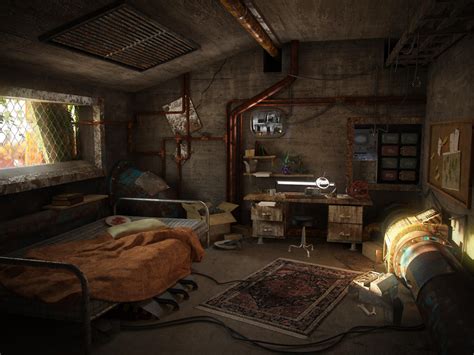
Key Takeaways
- Create an immersive environment: Utilize physical setups or virtual reality to replicate a decimated town and secure hideout.
- Engage in interactive storytelling: Develop narratives and role-playing scenarios that reflect the tension and dynamics of your scenario.
- Ensure safety and realism: Incorporate realistic zombie encounters and survival challenges while maintaining safety protocols.
1. Creating an Immersive Environment
Physical Space Transformation
Transforming a physical space into a post-apocalyptic hideout is crucial for creating a believable experience. Select a location such as an attic, basement, or a large room that can be secluded to mirror your chosen hideout.
Setting Up the Hideout
Equip the space with props that enhance the survival atmosphere. Consider the following elements:
- Boarded-up Windows: Use plywood or wooden planks to cover windows, creating a secure barrier against zombie intrusions.
- Dim Lighting: Utilize low-intensity lighting sources like LED candles or lanterns to maintain a tense and foreboding ambiance.
- Survival Supplies: Stock the hideout with essentials such as canned food, bottled water, flashlights, first-aid kits, and tools for self-defense.
Virtual Reality (VR) Integration
For a more immersive and interactive experience, VR technology can simulate the chaos of a zombie apocalypse effectively.
Choosing the Right VR Platform
Select a VR platform or game that aligns with your scenario. Popular options include:
- VR Zombie Games: Games like Resident Evil or Dead Space offer realistic zombie encounters and survival challenges.
- Custom Simulations: Utilize VR development tools to create bespoke environments that mirror your small town and attic hideout.
Enhancing VR with Additional Gear
Incorporate sensory devices to heighten realism:
- Haptic Feedback: Wearable devices can simulate physical sensations like vibrations during zombie attacks.
- Spatial Audio: High-quality audio systems can replicate distant groans, footsteps, and ambient noises for a more immersive experience.
2. Engaging in Interactive Storytelling and Role-Playing
Narrative Development
Crafting a compelling narrative is essential for immersing participants in the scenario. Develop a storyline that includes:
- Backdrop: Describe the decimated town, detailing the extent of destruction and chaos.
- Characters: Define roles such as survivors, companions like Leah, and the threat of undead beings.
- Goals: Establish objectives like finding resources, fortifying the hideout, and ensuring long-term survival.
Role Assignment and Character Development
Assign specific roles to participants to enhance engagement:
- Survivor Roles: Allocate roles based on skills, such as a leader, strategist, or medic.
- Zombies: Use actors or mannequins to represent the undead, creating realistic threats.
Creating Backstories
Develop backstories for each character to deepen the emotional investment and realism:
- Optimistic Survivor: Embody the role of maintaining hope amidst despair.
- Pessimistic Characters: Represent the collective loss of hope, reflecting the societal collapse.
3. Simulating Realistic Zombie Encounters
Use of Physical Props and Actors
Realistic zombie encounters are pivotal for the experience:
Mannequins and Animatronics
Deploy mannequins dressed as zombies in strategic locations to simulate unexpected attacks. Animatronics can add movement and sound, increasing the realism.
Live Actors
Incorporate actors to portray zombies, providing dynamic interactions. Ensure actors adhere to safety protocols to prevent real harm.
Sound Effects and Ambient Noise
Auditory elements are crucial for building tension:
- Eerie Background Music: Play tracks that evoke a sense of dread and urgency.
- Zombie Sounds: Utilize recordings of moans, growls, and footsteps to simulate zombie presence.
Virtual Encounters in VR
In VR settings, program zombie interactions that require quick decision-making, such as:
- Combat Scenarios: Engage in virtual combat with zombies, using realistic weapon mechanics.
- Stealth Missions: Navigate through areas without attracting zombie attention.
4. Incorporating Survival Challenges
Resource Management
Simulate the scarcity of essential resources to add realism and urgency:
Rationing Supplies
Implement systems where participants must manage limited quantities of food, water, and medical supplies:
- Inventory Tracking: Keep detailed records of available resources and consumption rates.
- Acquisition Challenges: Create tasks or puzzles that participants must solve to obtain additional supplies.
Scavenging Missions
Design scavenging missions where participants search for hidden supplies within the environment:
- Hidden Compartments: Conceal resources in secret locations to encourage exploration.
- Time Constraints: Impose time limits to heighten the pressure during scavenging activities.
Defense Mechanisms
Ensure the hideout is defensible against potential zombie breaches:
Fortifying the Hideout
Implement defensive measures such as:
- Reinforced Barriers: Strengthen doors and windows to withstand attacks.
- Alarm Systems: Set up alarms or sensors to detect zombie movements.
Weapon Crafting and Usage
Provide tools and weapons for participants to defend themselves:
- Measuring Realism: Use safe, non-lethal weapons like Nerf guns or foam projectiles.
- Training Sessions: Offer tutorials on effective use and maintenance of defensive tools.
5. Fostering Emotional Engagement
Creating a Pessimistic Atmosphere
Emphasize the sense of despair and hopelessness to mirror the societal collapse:
Environmental Cues
Utilize elements that convey destruction and loss:
- Damaged Interiors: Use broken furniture and debris to depict devastation.
- Dim Lighting and Shadows: Cast shadows to create an ominous environment.
Narrative Elements
Incorporate storylines that highlight the grim reality of the apocalypse:
- Backstories of Lost Friends: Share stories of townspeople who perished, adding emotional depth.
- Unresolved Conflicts: Introduce challenges that participants must navigate without guaranteed success.
Introducing Optimistic Moments
Balance the pessimism with moments of hope to maintain participant morale:
Successful Defenses
Celebrate instances where participants successfully fend off zombie attacks:
- Achievements: Recognize and reward effective defensive actions.
- Team Successes: Highlight collaborative efforts that lead to overcoming challenges.
Discovery of Resources
Create scenarios where participants find valuable supplies or safe zones:
- Hidden Caches: Introduce surprise findings of ample resources.
- Safe Zones: Designate areas where participants can rest and replenish supplies securely.
6. Participating in Organized Zombie Experiences
Live-Action Role-Playing (LARP) Events
Engage in LARP events that simulate survival scenarios tailored to your narrative:
Customizing LARP Scenarios
Collaborate with event organizers to create scenarios that reflect your specific story elements:
- Decimated Town Settings: Design immersive town environments with realistic destruction.
- Character Interactions: Facilitate interactions between survivors and zombies to enhance realism.
Incorporating Survival Tasks
Include activities that require participants to perform survival-related tasks:
- Resource Scavenging: Implement missions to find and secure essential items.
- Defense Strategies: Encourage participants to develop and execute defensive plans.
Zombie-Themed Escape Rooms
Participate in or design escape rooms with zombie apocalypse themes:
Designing the Escape Room
Create an environment that challenges participants to escape while navigating zombie threats:
- Puzzle Integration: Incorporate puzzles that reflect survival skills, such as lock-picking or code-breaking.
- Zombie Obstacles: Use actors or animatronics to simulate zombie encounters as part of the escape challenges.
Enhancing Realism
Utilize realistic props and thorough storytelling to deepen the immersive experience:
- Detailed Backdrops: Design rooms with authentic post-apocalyptic decorations.
- Timed Challenges: Implement time constraints to heighten urgency and stress.
Zombie Survival Camps
Attend survival camps that incorporate zombie themes to practice essential survival skills:
Skill Development
Engage in training sessions that cover:
- Self-Defense Techniques: Learn methods to protect against zombie attacks.
- Resource Management: Practice managing limited supplies under pressure.
Team Building Exercises
Participate in activities that foster teamwork and strategic planning:
- Collaborative Missions: Undertake tasks that require coordinated efforts to succeed.
- Role Allocation: Assign specific roles within the team to simulate real-world survival dynamics.
7. Utilizing Technology for Enhanced Immersion
Augmented Reality (AR)
Integrate AR to overlay digital elements onto the real world, enhancing the immersive experience:
AR Applications
Use AR apps to:
- Visual Enhancements: Display zombies, destroyed buildings, and other apocalypse-related visuals in real-time.
- Interactive Elements: Enable participants to interact with virtual objects and characters within the physical environment.
Haptic Feedback Devices
Incorporate wearable technology that provides physical sensations to simulate environmental effects:
Types of Haptic Devices
- Vibrating Wearables: Simulate impacts or zombie attacks through controlled vibrations.
- Motion Sensors: Detect participant movements and respond with corresponding haptic feedback.
Enhancing Realism with Haptics
Use haptic feedback to:
- Simulate Environmental Hazards: Create sensations of falling debris or explosions.
- Zombie Interactions: Provide feedback during close encounters with zombies, increasing the sense of danger.
8. Safety Considerations and Best Practices
Participate in Official Events
Ensure safety by engaging in officially organized experiences that adhere to safety protocols:
Certified Organizers
Choose events managed by professionals who prioritize participant safety through:
- Trained Staff: Ensure that facilitators are trained in managing large groups and emergency responses.
- Safety Measures: Implement guidelines to prevent accidents and manage unforeseen incidents.
Personal Safety Protocols
Adopt personal safety measures during participation:
Protective Gear
Wear appropriate protective equipment to minimize risks:
- Headgear: Use helmets or caps to protect against potential impacts.
- Protective Clothing: Wear long sleeves and sturdy footwear to prevent injuries.
Health Precautions
Maintain health safety by:
- Hydration and Nutrition: Ensure access to water and food during prolonged activities.
- First-Aid Kits: Keep first-aid supplies readily available for minor injuries.
9. Implementing Feedback and Reflection
Post-Experience Debriefing
Conduct debriefing sessions after the experience to discuss outcomes and emotions:
Emotional Processing
Allow participants to express their feelings and discuss the psychological impact of the scenario:
- Group Discussions: Facilitate open conversations about individual experiences.
- Personal Reflections: Encourage journaling or personal narratives to process emotions.
Skill Assessment
Evaluate the effectiveness of survival strategies and identify areas for improvement:
- Performance Reviews: Analyze participant actions and decision-making processes.
- Feedback Sessions: Gather input on what worked well and what could be enhanced.
Continuous Improvement
Use feedback to refine future simulations and make adjustments for better realism and engagement:
Incorporating Suggestions
Integrate participant suggestions to improve the experience:
- Scenario Adjustments: Modify story elements based on feedback to enhance immersion.
- Technical Enhancements: Upgrade technology or props to increase realism.
10. Leveraging Additional Resources and Tools
Board Games and Tabletop RPGs
Utilize board games and tabletop role-playing games to expand the narrative and strategic aspects:
Game Selection
Choose games that align with your scenario:
- Zombie-Themed RPGs: Games like Dead of Winter or Zombie Apocalypse offer structured narratives and challenges.
- Survival Strategy Games: Engage in games that require resource management and strategic planning.
Customization
Adapt existing games to fit your specific narrative:
- Custom Rules: Modify game mechanics to better reflect the unique elements of your scenario.
- Story Integration: Incorporate your own storylines and character backgrounds into the gameplay.
Storyboarding and Filmmaking
Translate your scenario into visual mediums for a different immersive experience:
Creating a Short Film
Develop a short film that narrates your zombie apocalypse story:
- Scriptwriting: Write a script that captures the key elements of your narrative.
- Filming Locations: Use locations that resemble a decimated town or isolated hideout.
Storyboarding Techniques
Create detailed storyboards to visualize key scenes and interactions:
- Scene Planning: Outline each scene to ensure coherence and continuity.
- Visual Effects: Plan for special effects that enhance the depiction of zombies and destruction.
Online Communities and Resources
Engage with online communities to gather ideas, share experiences, and access resources:
Forums and Social Media Groups
Join platforms where enthusiasts discuss and share their zombie apocalypse simulations:
- Reddit Communities: Subreddits like r/ZombieApocalypse offer discussions and tips.
- Facebook Groups: Participate in groups dedicated to zombie LARPing and survival simulations.
Educational Resources
Access tutorials and guides to enhance your simulation setup:
-
DIY Prop Guides: Learn how to create realistic zombie makeup and props.
-
Survival Skill Tutorials: Acquire knowledge on essential survival skills relevant to the scenario.
Recap and Conclusion
Translating your zombie apocalypse scenario into a real experience involves a multifaceted approach that combines immersive environments, interactive storytelling, realistic encounters, and survival challenges. By leveraging physical setups, virtual technologies, and organized events, you can create a comprehensive and engaging simulation that mirrors the intensity and complexity of your envisioned scenario.
Ensuring participant safety, fostering emotional engagement, and continuously refining the experience based on feedback are critical for maintaining realism and enhancing the overall immersion. Whether through live-action role-playing, VR integrations, or custom-built simulations, the key is to create a believable and challenging environment that allows you and Leah to navigate the perils of a decimated town while maintaining hope and resilience.
References
Last updated January 18, 2025