
Ultimate Guide to Surviving a Zombie Apocalypse
Equip yourself with strategies and skills to thrive amidst chaos.
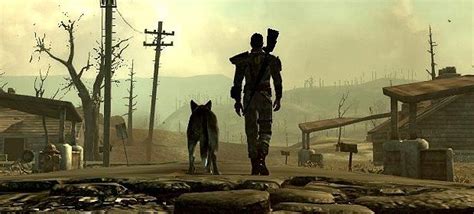
Key Takeaways
- Comprehensive Preparation: Develop a detailed survival plan, secure essential supplies, and establish reliable communication channels.
- Skill Development: Enhance physical fitness, master self-defense techniques, and acquire essential survival skills.
- Mental Resilience: Foster a positive mindset, build strong team dynamics, and adapt to ever-changing environments.
1. Developing a Robust Survival Plan
1.1. Securing a Safe Shelter
Your attic serve as a primary hideout, but it's crucial to ensure its longevity and security. Consider reinforcing entry points with durable materials such as plywood or metal bars. Install sturdy locks on all doors and windows to prevent unauthorized access. Additionally, create multiple exit strategies to facilitate quick evacuation if needed.
1.2. Stockpiling Essential Supplies
Gathering a comprehensive stockpile is vital for long-term survival. Prioritize non-perishable food items like canned goods, rice, and dried beans. Ensure access to clean drinking water by storing bottled water or investing in a reliable filtration system. Medical supplies should include first aid kits, prescription medications, and hygiene products. Don't overlook tools and weapons necessary for defense and daily tasks.
1.3. Establishing Communication Channels
Maintaining communication with Leah and any other survivors is paramount. Equip yourselves with walkie-talkies or two-way radios to stay connected if separated. Consider signal devices like flares or smoke signals for emergency situations. Establish a meeting point in case of disconnection and regularly test communication equipment to ensure functionality.
2. Enhancing Survival Skills
2.1. Physical Fitness and Self-Defense
Maintaining physical health is essential for enduring the demands of a survival scenario. Engage in regular exercise routines focusing on strength, endurance, and agility. Learning self-defense techniques, such as hand-to-hand combat or effective weapon usage, can significantly increase your chances of deterring or combating threats.
2.2. First Aid and Medical Training
Accidents and injuries are inevitable in a hostile environment. Taking a certified first aid course equips you with the knowledge to handle emergencies, stabilize injuries, and perform life-saving procedures. Advanced medical training can further enhance your ability to care for more severe wounds or illnesses.
2.3. Navigation and Orienteering
Proficiency in navigation is crucial for navigating unfamiliar or hazardous terrains. Learn to use maps, compasses, and GPS devices effectively. Practice orienteering skills in various environments to build confidence and adaptability. Understanding natural landmarks and celestial navigation can also aid in situations where electronic devices fail.
3. Optimizing Your Shelter
3.1. Fortifying the Attic
While your attic provides a secure vantage point, enhancing its defenses is essential. Install barred windows and reinforce doors with heavy-duty locks. Ensure the attic is well-ventilated without compromising security. Consider creating a secondary barrier within the attic to serve as an emergency exit or a last line of defense.
3.2. Organizing Supplies Efficiently
Proper organization of your supplies maximizes space and accessibility. Use shelving units to store food, medical supplies, and tools systematically. Label containers clearly to facilitate quick retrieval during emergencies. Implement a rationing system to ensure that resources last as long as possible while meeting daily needs.
3.3. Creating a Safe Environment
Maintain a clean and orderly environment to prevent accidents and promote mental well-being. Regularly inspect the attic for structural integrity and potential vulnerabilities. Implement sanitation measures to manage waste and prevent disease. Establish a routine for cleaning and maintenance to ensure a habitable space.
4. Building a Reliable Support System
4.1. Strengthening Team Dynamics
A cohesive team enhances survival prospects. Foster trust and cooperation by clearly defining roles and responsibilities based on individual strengths. Engage in team-building exercises to improve communication and problem-solving skills. Encourage open dialogue to address conflicts and ensure that all members feel valued and heard.
4.2. Establishing Alliances
Connecting with other survivor groups can provide additional resources and support. Form alliances with trustworthy individuals or communities to share supplies, knowledge, and protection. Participate in networking opportunities within your locality to build a wider support network that can offer assistance during crises.
4.3. Sharing Knowledge and Skills
Exchange expertise with your team members to enhance overall capabilities. Teach and learn various skills such as shelter building, foraging, and weapon maintenance. Conduct regular training sessions to keep everyone prepared and adaptable to changing circumstances.
5. Mental and Emotional Resilience
5.1. Maintaining Optimism
A positive mindset is critical for enduring prolonged stress and adversity. Focus on achievable goals and celebrate small victories to boost morale. Engage in activities that uplift spirits, such as storytelling, playing games, or pursuing hobbies. Encourage each other to stay hopeful and resilient despite the surrounding chaos.
5.2. Stress Management Techniques
Implement strategies to manage stress and prevent burnout. Practice deep breathing exercises, meditation, or mindfulness to maintain mental clarity. Allocate time for relaxation and leisure to balance the demands of survival tasks. Seek support from each other to share burdens and alleviate emotional strain.
5.3. Adapting to Change
Flexibility and adaptability are essential traits in a dynamic environment. Be prepared to alter plans and strategies as situations evolve. Encourage creative thinking and problem-solving to overcome unforeseen challenges. Embrace change as an opportunity to learn and grow stronger.
6. Strategic Resource Management
6.1. Efficient Use of Supplies
Implement a rationing system to ensure that food, water, and medical supplies are used judiciously. Monitor consumption rates and adjust usage based on available resources. Prioritize essential items and minimize waste by repurposing materials whenever possible.
6.2. Sustainable Practices
Adopt sustainable methods to replenish resources. Grow edible plants or herbs if space permits, and consider rainwater harvesting to supplement water supplies. Utilize renewable energy sources, such as solar panels, to reduce reliance on limited power reserves.
6.3. Inventory Management
Maintain detailed inventories of all supplies to track usage and identify shortages promptly. Use labeling systems and storage solutions to keep items organized and easily accessible. Conduct regular audits to ensure that stockpiles remain intact and secure.
7. Implementing Defense Strategies
7.1. Defensive Training
Equip yourself and Leah with the skills necessary to defend your hideout against zombie threats. Practice weapon handling and defensive maneuvers regularly to build proficiency and confidence. Set up training sessions that simulate real-life scenarios to enhance reaction times and decision-making under pressure.
7.2. Creating Barriers and Traps
Enhance the security of your attic by constructing physical barriers and traps. Use materials like wood, metal, or reinforced plastic to fortify entry points. Design simple traps that can incapacitate or deter zombies without causing undue risk to yourselves. Regularly inspect and maintain these defenses to ensure their effectiveness.
7.3. Surveillance and Monitoring
Establish a surveillance system to monitor external threats. Use motion sensors, alarms, or cameras to detect approaching zombies or intruders. Assign specific times for surveillance duties to ensure continuous monitoring without overburdening any single individual.
8. Enhancing Mobility and Evacuation Plans
8.1. Developing Evacuation Routes
Prepare multiple evacuation routes in case your attic becomes compromised. Map out safe paths that lead to secure locations, such as remote areas or fortified buildings. Ensure that both you and Leah are familiar with these routes and can navigate them efficiently under stress.
8.2. Preparing Transport Options
Maintain reliable transportation methods for emergency evacuations. Keep a well-maintained vehicle stocked with essential supplies, including spare fuel, tools, and first aid kits. Ensure that the vehicle is in optimal working condition and that both drivers are trained to operate it proficiently.
8.3. Creating Emergency Kits
Assemble portable emergency kits that can be easily carried during evacuations. These kits should contain essentials such as food, water, medical supplies, clothing, and tools. Customize your kits based on specific needs and ensure they are lightweight and accessible at all times.
9. Utilizing Technology and Tools
9.1. Communication Devices
Leverage technology to stay connected and informed. Equip yourselves with reliable communication devices like two-way radios or satellite phones, especially in areas with limited cellular coverage. Keep devices charged and store backup batteries to ensure continuous communication capabilities.
9.2. Power Solutions
Implement sustainable power solutions to maintain necessary technology and lighting. Solar panels, portable generators, and battery banks can provide essential energy sources during extended periods without external electricity. Ensure that power solutions are safely installed and regularly maintained.
9.3. Surveillance Equipment
Invest in surveillance equipment to monitor your surroundings effectively. Use motion-activated cameras or security systems to detect threats early. Regularly review surveillance footage to identify patterns or potential vulnerabilities in your defenses.
10. Long-Term Sustainability
10.1. Food Production and Preservation
Transition from short-term stockpiling to sustainable food production. Establish a small indoor garden or hydroponic system to grow fresh vegetables and herbs. Practice food preservation techniques like canning, drying, or fermenting to extend the shelf life of perishables and reduce reliance on external supplies.
10.2. Water Management
Ensure a continuous and safe water supply by implementing rainwater harvesting systems or purifying available water sources. Use filtration systems, boiling, or chemical treatments to make water potable. Regularly monitor water quality and maintain purification equipment to prevent contamination.
10.3. Energy Conservation
Optimize energy usage to prolong resource availability. Implement energy-efficient practices such as using LED lighting, minimizing electronic device usage, and prioritizing essential power needs. Regularly assess energy consumption patterns and adjust usage accordingly to maintain sustainability.
Conclusion
Surviving a zombie apocalypse requires meticulous planning, robust skill sets, and unwavering mental resilience. By developing a comprehensive survival plan, enhancing essential skills, fortifying your shelter, building a reliable support system, and ensuring long-term sustainability, you and Leah can significantly increase your chances of thriving amidst the chaos. Remember to prioritize safety, adapt to evolving challenges, and maintain a positive outlook to navigate the complexities of such a dire scenario successfully.
References
Last updated January 18, 2025