
Navigating a Zombie Outbreak in a School Cafeteria: Self-Defense Strategies
Effective survival techniques and legal considerations for extreme scenarios.
Key Highlights for Surviving a School Zombie Outbreak
- Prioritize Evacuation: Your first action should always be to escape the immediate danger zone, utilizing any available exits or safe routes.
- Employ Improvised Weapons: In a school environment, everyday objects can be turned into effective self-defense tools.
- Understand the Legal Implications: Self-defense laws provide a framework for actions taken during life-threatening situations, but awareness of these laws is crucial.
Immediate Actions During a Zombie Assault
When faced with a sudden zombie outbreak in a school cafeteria, immediate action is paramount. The primary goal is survival, which involves a combination of quick thinking, effective self-defense, and an understanding of the surrounding environment. Here's how to handle such a crisis:
Assess the Situation
First, take a moment—even amidst the chaos—to assess the situation. How many infected are there? What are their movements? Are there any immediate escape routes? Identifying these factors will help formulate a plan.
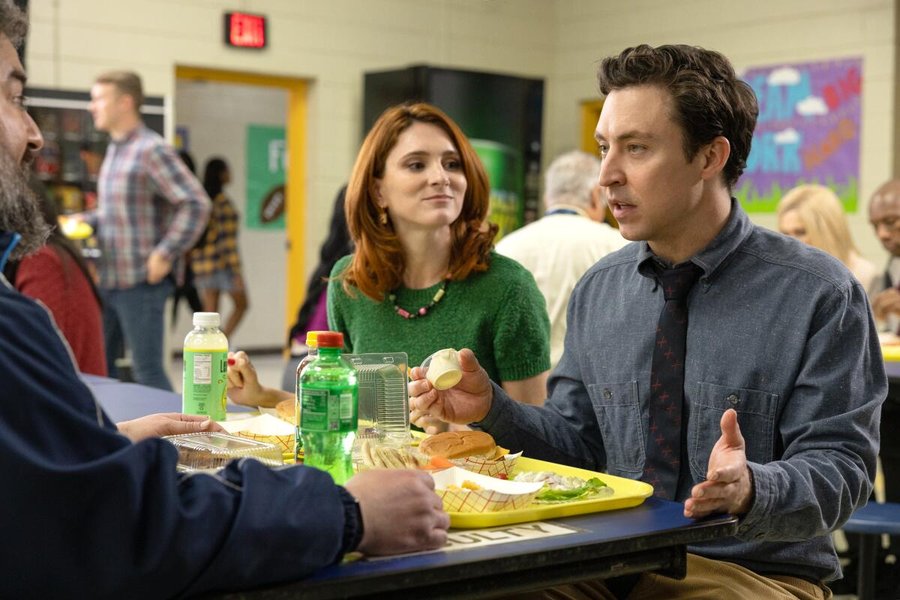
A scene inside a typical high school, where quick assessment can save lives during a sudden crisis.
Prioritize Evacuation
The best defense is often avoiding the fight altogether. If there's a clear and safe exit, evacuate immediately. Encourage others to follow, but do not hesitate to leave if they are unwilling or unable to move quickly. Remember, the priority is your own survival. Knowing basic self-defense and disengagement techniques can significantly aid in avoiding violence and increasing confidence if defense becomes necessary.
Utilize Improvised Weapons
In a school cafeteria, potential weapons are abundant. Trays, chairs, utensils, and even books can be used to fend off attackers. The key is to use these items strategically to create distance or disable the infected temporarily. High school students in "All of Us Are Dead" use objects around them to create weapons. Focus on gross motor skills rather than complex maneuvers, as these are more reliable under stress.
Self-Defense Techniques for a Zombie Attack
When direct confrontation is unavoidable, employing effective self-defense techniques becomes critical. Here are some essential strategies:
Basic Self-Defense Moves
Focus on simple, effective moves that require minimal training. These include:
-
Punches and Kicks: Aim for vulnerable areas such as the head, eyes, throat, and knees.
-
Strikes with Objects: Use improvised weapons to strike at a distance, maximizing impact while minimizing risk.
-
Ground Defense: If you fall, protect your head and neck, and use your legs to keep attackers at bay.
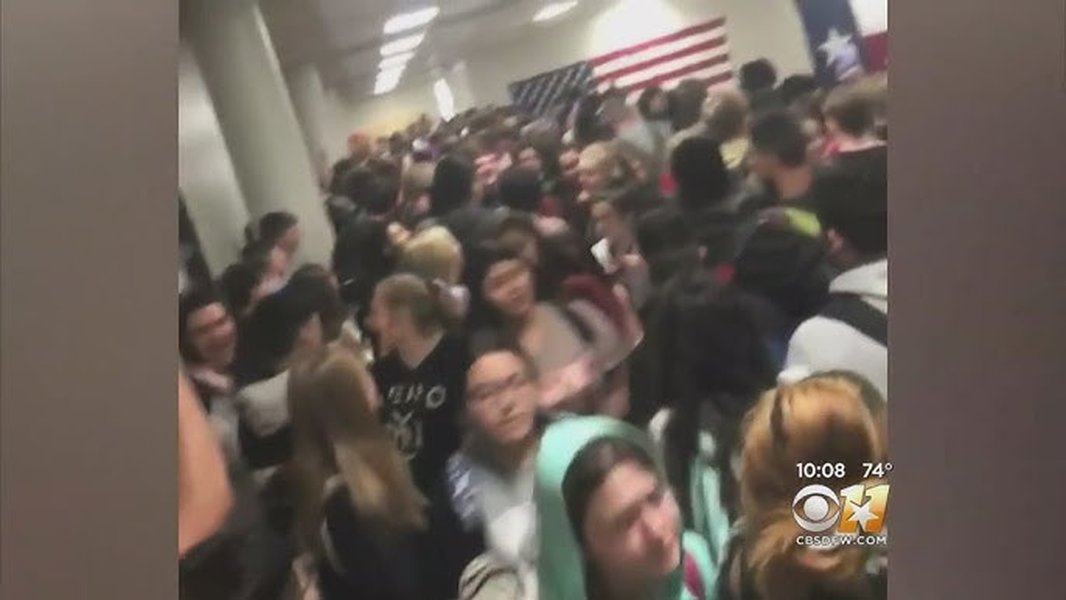
A chaotic scene at Cleburne High School, illustrating the need for effective self-defense strategies.
Maintaining Awareness
Awareness of your surroundings and potential threats is vital for self-preservation. It allows for proactive measures and better decision-making during a crisis. Even something as simple as building an emergency kit for your car can be a form of self-defense.
Legal and Ethical Considerations of Self-Defense
Self-defense is a legal right, but it is also subject to specific conditions and limitations. Understanding these aspects is crucial, especially in extreme situations where actions can have serious legal repercussions.
Understanding Self-Defense Laws
Self-defense laws vary by jurisdiction, but generally, they permit the use of reasonable force to protect oneself or others from imminent harm. This includes the use of deadly force if there is a reasonable belief of imminent death or serious bodily injury. The concept of "castle doctrine" allows individuals to use necessary force, including deadly force, to defend themselves within their homes.
Reasonable Force
The force used in self-defense must be proportionate to the threat. Using excessive force can lead to criminal charges. In Jane's case, the critical question is whether her actions—punching Mr. Ramirez and slamming his head against the wall—were reasonable given the immediate danger posed by the infected individuals. Even if someone initiates contact, self-defense can still be claimed if a reasonable person would believe physical harm is imminent and reasonable force is used to prevent it.
Imminent Threat
Self-defense is justified only when there is an imminent threat. This means the danger must be immediate and not something that might happen in the future. If Mr. Ramirez was already infected and attacking others, Jane could argue that her actions were necessary to neutralize the immediate threat he posed. The threat faced must be imminent, putting the defendant in fear of immediate harm.
The "Reasonable Person" Standard
Courts often use the "reasonable person" standard to evaluate self-defense claims. This standard asks whether a reasonable person, in the same situation, would have acted in the same way. Factors considered include the perceived threat level, the available alternatives, and the amount of force used.
Creating a Survival Strategy
Beyond immediate reactions, having a broader survival strategy is essential for navigating a zombie outbreak in a school environment.
Formulating a Plan
Develop a comprehensive plan that includes identifying safe zones, establishing communication methods, and securing resources. Schools with gates and perimeter fences offer medium-risk shelter locations.
Securing Resources
Gather essential supplies such as food, water, first aid kits, and tools. A school cafeteria can provide temporary food, while sports fields can be converted into long-term food sources.
Establishing Communication
Maintain communication with others, if possible, to coordinate efforts and share information. Work together to manage the crisis and ensure everyone's safety.
Mental Health Considerations
The psychological impact of a zombie outbreak should not be underestimated. The stress, fear, and trauma can take a significant toll on mental health.
Coping Mechanisms
Implement coping mechanisms to manage stress and anxiety. Support each other, practice self-care, and seek professional help if needed. Taking care of mental health is crucial during a crisis.
Long-Term Psychological Effects
Be aware of the potential long-term psychological effects of the trauma experienced during the outbreak. Provide ongoing support and resources to help individuals process their experiences and heal.
Practical Table of Improvised Weapons and Their Uses in a School Cafeteria
The following table illustrates the various items available in a school cafeteria that can be used as improvised weapons during a zombie outbreak. These items can be used to create distance, inflict damage, or provide a means of escape.
| Weapon | Description | Potential Use |
|---|---|---|
| Trays | Lightweight but sturdy, typically made of plastic or metal. | Can be used as shields, thrown to distract zombies, or used for blunt strikes. |
| Chairs | Varied in size and material (plastic, wood, metal). | Used to create barriers, strike zombies from a distance, or knock them off balance. |
| Utensils (Forks, Knives, Spoons) | Small, metal implements used for eating. | Can be sharpened and used for stabbing, or thrown as makeshift projectiles. |
| Tables | Large, heavy surfaces made of wood or metal. | Flipped over to create barriers, or used as cover. |
| Food Cans | Heavy, sealed containers of food. | Thrown to stun or injure zombies, or used as blunt weapons for striking. |
| Fire Extinguishers | Portable devices containing pressurized extinguishing agents. | Sprayed to temporarily blind and disorient zombies, creating an opportunity to escape. |
| Cleaning Supplies | Mops, brooms, and cleaning chemicals. | Mops and brooms can be used as polearms to keep zombies at bay; cleaning chemicals can be thrown to irritate or disorient them. |
FAQ: Self-Defense During a Zombie Outbreak
Is it legal to use deadly force in self-defense against a zombie?
Legally, self-defense allows the use of reasonable force, including deadly force, if there's a reasonable belief of imminent death or serious bodily injury. Whether this applies to zombies would depend on how the law interprets the threat posed by the undead.
What constitutes "reasonable force" in a zombie attack?
Reasonable force is force proportionate to the threat. Against zombies, this might justify lethal measures to prevent being bitten or infected, given the presumed consequences.
How does the "castle doctrine" apply in a school setting during a zombie outbreak?
The castle doctrine typically applies to one's home, allowing the use of force, including deadly force, without a duty to retreat. Its applicability in a school setting during a zombie outbreak is uncertain and would likely depend on specific state laws and the circumstances.
What are the ethical considerations of prioritizing self-survival over helping others during a zombie outbreak?
Ethically, there's a tension between self-preservation and the duty to assist others. While self-survival is a natural instinct, moral frameworks often emphasize the importance of helping those in need, especially when the risk to oneself is not excessive.
How can schools better prepare for potential outbreaks, whether zombie-related or other crises?
Schools can improve preparedness by developing emergency response plans, conducting drills, providing self-defense training, and ensuring access to essential resources like first aid kits and communication devices.
References

Last updated April 13, 2025