
Understanding the Impact of an 8.5 Magnitude Earthquake
An in-depth analysis of the strength, potential damage, and aftermath of The Big One
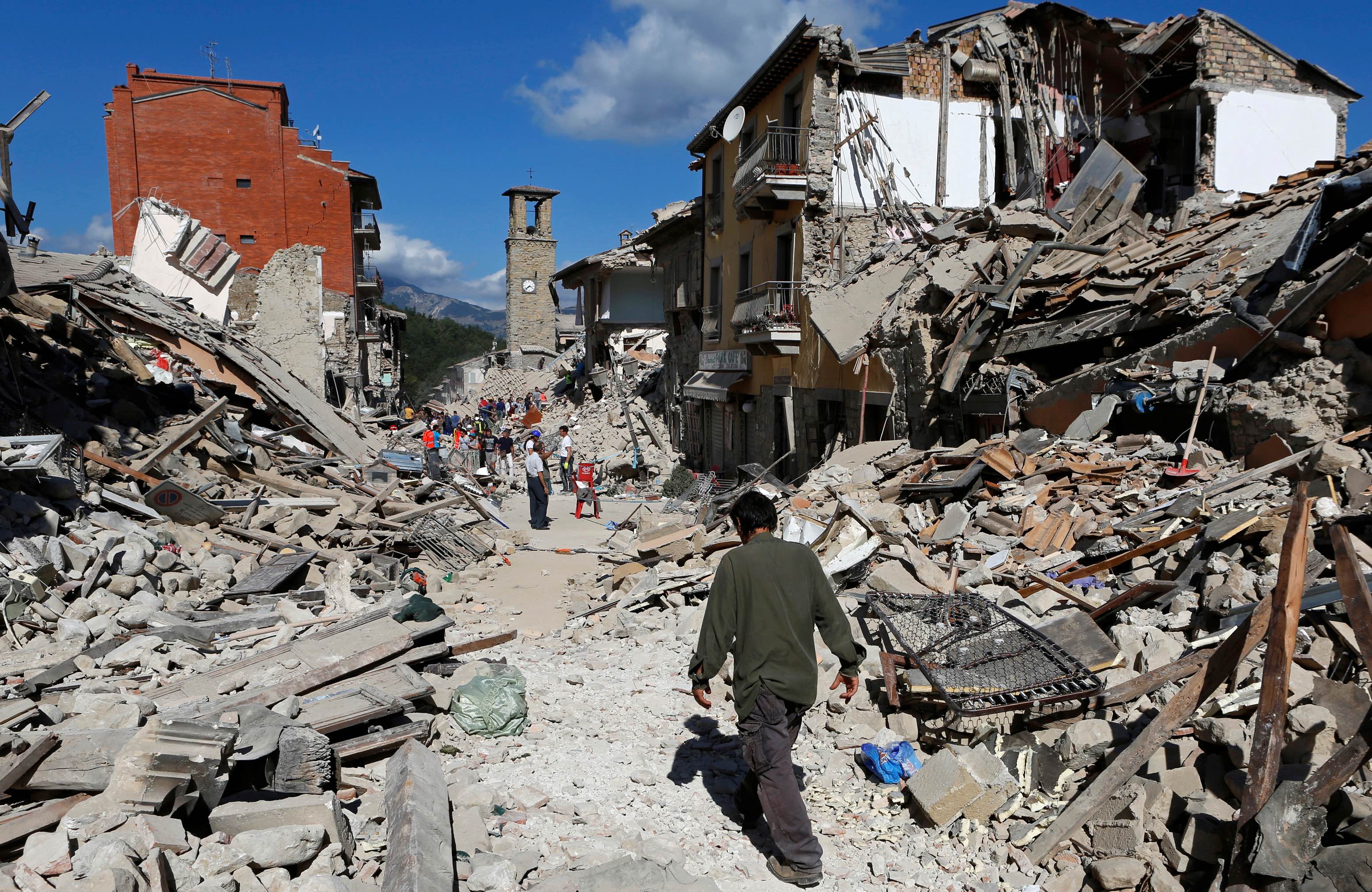
Key Highlights
- Immense Energy Release: Each unit increase in magnitude results in a dramatic escalation in energy, drastically increasing damage potential.
- Widespread Structural Devastation: Poorly built structures and critical infrastructure face catastrophic failure, while even reinforced buildings may sustain considerable damage.
- Cascading Secondary Effects: The direct impacts of ground shaking are compounded by tsunamis, landslides, liquefaction, and prolonged economic disruption.
Overview of Seismic Energy and Ground Motion
An earthquake with a magnitude of 8.5 is classified as a "great earthquake." This classification is reserved for seismic events capable of releasing vast amounts of energy. The magnitude scale is logarithmic, meaning that each whole-number increase corresponds to an exponential rise in energy. Specifically, for each one unit increase in magnitude, the energy release can multiply by roughly 32 times. As a result, an 8.5 event releases exponentially more energy than a 7.5 magnitude earthquake.
Additionally, the amplitude of ground motion increases by a factor of 10 for each whole number increase on the magnitude scale. This means that an 8.5 moment earthquake produces ground shaking with a profoundly higher amplitude compared to lower magnitude events, making the shaking much more forceful and extensive over surrounding areas. In real-world terms, the shaking may endure several minutes depending on distance from the epicenter and local geological conditions.
The dramatic energy release of an 8.5 magnitude earthquake is akin to the detonation of millions of tons of TNT. This release of energy can result in severe shock waves that propagate through the earth’s crust and trigger complex interactions between different seismic waves, making the behavior of the quake extremely challenging to predict in fine detail.
Potential Structural Damage and Impact on Infrastructure
Damage to Buildings and Infrastructure
An earthquake of this magnitude is notorious for its ability to trigger widespread structural damage. The extent and severity of the destruction depend on several factors including building design, construction materials, and adherence to seismic codes. Structures that are not engineered to withstand strong seismic forces are particularly vulnerable:
- Residential Buildings: Older and poorly maintained homes can experience partial or full collapse, exposing inhabitants to physical hazards during and after the event.
- High-rise Buildings: Even modern skyscrapers, if not designed with advanced seismic reinforcements, might suffer significant façade damage, internal structural compromise, and non-structural damage leading to hazards such as falling debris.
- Critical Infrastructure: Bridges, roads, rail networks, and utility facilities are critical not only for daily commutes but also for emergency response. An 8.5 earthquake imposes severe stresses that may result in the complete collapse of these structures, thereby hampering rescue and recovery efforts.
- Industrial Complexes: Factories and refineries might face catastrophic failures, leading not only to property damage but also to secondary industrial disasters such as chemical spills, which further complicate emergency scenarios.
Economic and Social Disruption
The fallout from an earthquake of this magnitude is not confined to immediate structural damage. The broader economic and social fabric of the affected area encounters long-term difficulties:
- Business and Commerce: Large-scale damage to industrial sites, corporate headquarters, and commercial centers can disrupt economic activity, leading to significant financial losses and protracted recovery periods.
- Emergency and Healthcare Services: The sudden influx of injuries and trauma combined with infrastructural damages can overwhelm emergency services. Hospitals and clinics might struggle to manage the patient surge, particularly when roads and transportation are compromised.
- Utility Failures: Disruptions in water, power, and communication networks are common and can severely impede both immediate rescue operations and longer-term recovery efforts.
- Long-Term Reconstruction: The process of rebuilding affected communities can span decades. The economic burden may necessitate extensive government intervention and international assistance, reshaping the socio-economic landscape of an entire region.
Secondary Threats and Cascading Effects
Tsunamis and Coastal Flooding
In coastal regions, the onset of an 8.5 magnitude earthquake could trigger powerful tsunamis. The abrupt vertical displacement of the seabed can initiate massive sea waves, which may inundate coastal communities rapidly. In some scenarios, tsunami waves may reach heights of 30 to 40 feet, posing life-threatening flooding hazards. Such tidal surges further complicate rescue operations and worsen the damage to coastal infrastructures.
Landslides and Ground Deformation
Earthquakes frequently trigger landslides, especially in mountainous or hilly regions. The sudden shaking destabilizes slopes and loose soil, which can lead to extensive avalanches of earth and rock that bury communities and critical infrastructure. Moreover, ground deformation is a common aftermath, where the earth’s surface changes significantly, sometimes leading to the formation of fault lines or ground fissures. These changes can have a prolonged impact on the usability and safety of affected land.
Soil Liquefaction
Soil liquefaction is a process where, under intense shaking, water-saturated sediment loses its strength and begins to behave like a liquid. This phenomenon can lead structures to tilt, sink, or completely collapse. Urban areas built on such sediments face a heightened risk, as even well-constructed buildings might suffer severe foundational damage, further complicating rescue efforts and dramatically increasing reconstruction challenges.
Detailed Comparison of Impact Factors
Summary of Factors Contributing to Damage
The interplay of several factors determines the overall impact of an 8.5 magnitude earthquake. The following table summarizes the key destruction elements along with the expected consequences:
| Impact Factor | Description | Potential Consequences |
|---|---|---|
| Seismic Energy | Exponential increase due to logarithmic scale | Undeniable, forceful ground shaking over vast areas |
| Structural Vulnerability | Building quality and adherence to seismic codes | Collapse of poor construction; partial damage even to reinforced structures |
| Infrastructure Robustness | Condition and design of bridges, roads, and utilities | Transportation network breakdown; prolonged utility outages; impediments to emergency response |
| Secondary Disasters | Tsunamis, landslides, and liquefaction | Flooding of coastal areas; massive landslides blocking roads and burying structures; ground instability |
| Economic Impact | Widespread disruption of commerce and services | Long-term financial recovery; potential for decades-long rebuilding processes |
Additional Hazard Considerations
Beyond the immediate destruction outlined above, an earthquake of this magnitude would likely precipitate multiple secondary hazards:
- Fire Outbreaks: Damage to gas lines and electrical systems can lead to substantial fire hazards, further intensifying destruction in urban environments.
- Chemical and Industrial Hazards: Significant damage in industrial zones could lead to hazardous material spills, posing both environmental and health risks.
- Aftershock Sequences: After the main event, a series of aftershocks may continue to threaten unstable structures and hinder rescue efforts.
- Psychological Impact: The trauma caused by such large-scale disasters can lead to long-lasting mental health issues within affected communities.
Regional Examples and Historical Context
Historical Earthquakes
Examining historical earthquakes helps to provide context for the potential impact of an 8.5 event. Notable events, such as the 1960 Valdivia earthquake in Chile (magnitude 9.5) and the 2011 Tohoku earthquake in Japan (magnitude 9.0), have demonstrated the catastrophic damage such events can cause. While these magnitudes are higher, the principles of energy release, structural damage, and subsequent secondary disasters remain comparable. Historical analyses emphasize that modern engineering, although greatly improved, still faces considerable challenges when confronted with quakes of this energy.
In regions known for seismic activity, such as California’s San Andreas Fault or the Cascadia Subduction Zone off the Pacific Northwest, preparedness measures have been emphasized over decades. These regions have crafted robust contingency and evacuation plans to mitigate some of the damage, yet the sheer energy release from an 8.5 event underscores the limits of human engineering.
Impact on High-Population Areas
In densely populated urban areas, even minor disruptions can lead to widespread panic and logistical difficulties. An 8.5 magnitude earthquake is expected to cause heavy casualties due to building collapse and infrastructure failure. Urban centers could experience not only the immediate blow of physical damage but also prolonged periods of chaos:
- Loss of Life: Immediate fatalities can be high, compounded by the failure of emergency services and the collapse of buildings populated at the time of the event.
- Massive Injuries: As buildings collapse and debris falls, a large number of individuals are likely to sustain injuries ranging from minor to critical.
- Displacement: The destruction of homes and key services would force thousands to flee, overwhelming temporary shelters and straining regional resources.
Preparedness and Mitigation Measures
Engineering Innovations
Continuous advancements in earthquake-resistant design and building technologies represent important strategies to reduce casualties and economic loss during such a catastrophic event. Engineers and architects now commonly employ base isolation techniques, energy-dissipating devices, and cross-bracing methods to improve the resilience of structures. These innovations, however, come with increased costs and are primarily implemented in high-risk zones where the probability of large seismic events is greatest.
Retrofitting older structures is equally vital. In areas where decades-old buildings dominate the landscape, modern engineering assessments and reinforcements can provide additional safety. Such measures range from structural reinforcements to comprehensive overhauls of utility installations, ensuring that buildings and critical infrastructure can better withstand future seismic activities.
Emergency Response and Community Preparedness
Understanding the vast scope of the potential damage brought by an 8.5 magnitude earthquake underscores the need for robust emergency response plans. Governments, in partnership with local and international agencies, have spent significant resources on planning and simulation exercises designed to prepare for such scenarios. This includes:
- Early Warning Systems: The development of rapid detection networks and early warning protocols, which can provide valuable seconds of warning, potentially saving lives and reducing injuries.
- Community Training and Education: Programs aimed at educating the public about evacuation routes, emergency supplies, and how to conduct basic search and rescue operations can prove invaluable in the immediate aftermath of an earthquake.
- Coordination of Emergency Services: Well-coordinated responses that bring together fire, medical, and law enforcement agencies help manage chaotic conditions, streamline rescue operations, and provide critical support to overwhelmed hospitals and temporary shelters.
- International Aid and Support: Given the scale of devastation, the assistance of international organizations plays a critical role. Collaborative global networks ensure access to additional resources, expert personnel, and logistical support during recovery phases.
Long-Term Societal and Economic Considerations
Rebuilding and Recovery
The immediate physical impacts of an 8.5 magnitude earthquake give way to prolonged recovery processes that can reshape entire regions. The rebuilding of infrastructure, housing, and community facilities requires extensive coordination and long-term investment. Recovery efforts typically involve:
- Government Intervention: Large-scale projects to rebuild essential infrastructure such as transportation networks, schools, and hospitals. These projects often require substantial public spending and international loans or aid.
- Urban Redevelopment: Strategies to incorporate modern safety standards into new construction, ensuring not only the rebuilding of what was lost, but also upgrading urban landscapes to be more resilient to future seismic events.
- Economic Recovery Plans: Assistance programs aimed at revitalizing commerce and industry, supporting small businesses, and re-establishing employment opportunities in affected areas.
- Social Rehabilitation: Programs designed to help communities recover from the psychological and social disruptions caused by the disaster, including mental health services, community centers, and local support networks.
Insurance and Financial Resilience
Financial instruments, such as earthquake insurance, play a key role in the reconstruction phase. However, given the magnitude of an 8.5 event, even robust insurance pools can be overwhelmed. Governments may need to step in to provide bridges of financial support until private sectors can recover.
The economic ramifications extend beyond immediate repair costs. Prolonged utility outages, loss of business, and reduced investor confidence can significantly damage regional economies. International financial support and comprehensive risk management policies become vital components in restoring economic stability.
Integrating Scientific Understanding and Practical Preparedness
Scientific Insights
Advances in seismology have allowed scientists to model the potential impacts of high-magnitude earthquakes with increasing precision. Researchers are committed to understanding the complexities of fault dynamics, energy propagation, and secondary hazards like tsunamis and landslides. This scientific knowledge not only contributes to improving building codes but also informs early warning systems and emergency response strategies.
The collaboration between scientific communities and government agencies plays an integral role in enhancing public safety. Continuous research ensures that updated seismic hazard maps and technological innovations are integrated into disaster planning.
Practical Mitigation Strategies
Mitigative practices have evolved significantly over the years. Urban planning now increasingly incorporates seismic risk assessments, ensuring that high-risk zones are either evacuated or redesigned to reduce potential damage. These strategies include:
- Strict Building Regulations: Adherence to rigorous seismic-resistant standards for construction has become a norm in many earthquake-prone regions.
- Public Infrastructure Investments: Upgrading transportation, utility networks, and emergency facilities to be more resilient mirrors a commitment to safeguarding lives and economic resources.
- Community Resilience Programs: Local governments in high-risk areas frequently conduct drills and community-wide training initiatives, ensuring that in the event of an earthquake, citizens are well-informed and prepared.
Additional Observations and Future Challenges
Enhanced Global Awareness
Global awareness regarding the potential damage inflicted by earthquakes of this scale has grown consistently. International cooperation through research initiatives, shared best-practice guidelines, and technological exchanges has played a transformative role in understanding seismic risks. The convergence of different fields—including civil engineering, emergency management, and geoscience—maximizes our preparedness for when nature unleashes its full power.
Despite these advancements, the unpredictability of the exact timing and epicenter location remains a challenge. Therefore, preparedness continues to be a dynamic process dependent on real-time data, improved forecasting, and persistent public education efforts.
The Human Element
It is important to remember that while technical analyses and statistical models can predict potential damages, the human element remains at the heart of disaster response. Community solidarity, the professionalism of emergency responders, and the resilience of citizens all play critical roles in minimizing casualties and aiding recovery.
In the aftermath of an earthquake, coordinated rescue operations, effective temporary shelter management, and psychological support are paramount to the collective healing process. Such events often leave indelible marks on communities, fostering a blend of sorrow and renewed determination to rebuild stronger.
References
- At an Expected 8.5 – Course Hero
- Earthquake Strength and Damage – Brainly
- Earthquake Magnitude Explained – Michigan Technological University
- The Big One in the Philippines – GovTech
- Signs of Earthquake Damage – IPASSN
Recommended for Further Exploration
Last updated March 6, 2025