
Exploring the Transformative Impact of Climate Change on Rivers
How shifting weather patterns are reshaping our river ecosystems.
Key Highlights
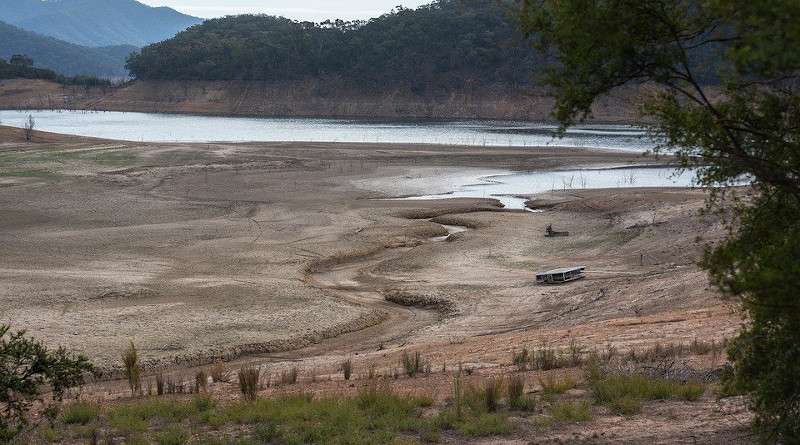
- Flow Variability and Extreme Events: Climate change alters river flows, leading to unpredictable droughts and floods.
- Water Quality Deterioration: Elevated temperatures and erratic precipitation impact pollutant dilution and oxygen levels.
- Ecosystem Disruption: Native species struggle with shifting temperatures and flow patterns, resulting in biodiversity loss.
Understanding the Impact of Climate Change on River Systems
Climate change has a profound and multifaceted impact on river systems worldwide. Rising global temperatures, altered precipitation patterns, and increased frequency of extreme weather events are contributing to significant changes in how rivers operate. This response synthesizes current research and expert insights to explain the various dimensions of this issue, structured into several key areas: alterations in river flow, changes in water quality, ecosystem disruptions, and regional variations.
1. Changes in River Flow
Disruption of Seasonal Patterns
One of the most immediate impacts of climate change is on the seasonal flow patterns of rivers. Traditionally, rivers have predictable cycles based on snowfall, seasonal rains, and snowmelt. However, with rising temperatures, many regions are witnessing:
- Earlier snowmelts that compress the timing of high flows.
- Reduced glacial contributions in areas dependent on meltwater.
- Increased frequency and unpredictability of both droughts and flooding events.
Seasonal flow disruption affects not only the water storage necessary for drinking water but also the natural rhythms of ecosystems that rely on periodic flooding for nutrient replenishment and seed dispersal.
Extreme Weather Events
Climate change has led to an increase in the intensity and frequency of extreme weather events. For rivers, this means that both flash floods and prolonged droughts are becoming more common. Flash floods may occur due to sudden, heavy rainfall events, overwhelming river channels and leading to rapid sediment displacement and erosion. Conversely, extended periods without significant rainfall can cause river levels to fall, reducing water availability and disrupting ecosystem functions.
2. Alterations in Water Quality
Increased Concentration of Pollutants
Lower water levels during periods of drought reduce the natural dilution capacity of rivers, resulting in higher concentrations of pollutants. Additionally, heavy rainfall events can cause increased runoff from urban, agricultural, and industrial areas. This runoff carries sediments, nutrients, and contaminants into river systems, thereby degrading water quality.
Thermal Effects and Oxygen Depletion
Higher water temperatures, a direct consequence of global warming, further compound water quality issues by reducing the solubility of oxygen in water. This decrease in dissolved oxygen creates hypoxic conditions that affect aquatic life, leading to:
- Enhanced growth of harmful algal blooms, which can produce toxins detrimental to both wildlife and humans.
- Stress on cold-water species, which require higher oxygen levels to thrive.
3. Ecosystem Disruptions and Biodiversity Loss
Impact on Aquatic Species
River ecosystems are defined by delicate balances between water temperature, flow, and species interactions. As temperatures rise and flow patterns shift, species that are sensitive to these variables—such as trout, salmon, and other cold-water fish—face significant survival challenges. Their habitats shrink or shift in location, allowing for the intrusion of warm-water species and sometimes non-native invasive species that compete for resources.
Disruption of Life Cycles
Many aquatic organisms rely on specific cues such as water temperature and the timing of seasonal flows for breeding and migration. When climate change disrupts these cues, species may miss their optimal migration periods or spawning windows, resulting in decreased reproductive success and a subsequent decline in populations. This can have ripple effects up and down the food chain, altering the overall structure of the ecosystem.
4. Regional Variability in Impacts
Variations Based on Geography
The impacts of climate change on rivers are not uniform across the globe. In northern latitudes, warmer temperatures may lead to reduced seasonal variations as traditional ice covers recede, while in arid and semi-arid regions, prolonged drought conditions exacerbate water scarcity. Coastal areas, additionally, face the compounded effect of sea level rise, which can lead to saltwater intrusion into freshwater river systems.
Impact on Human Communities
Changes in river flow and quality have significant implications for human communities. Hydroelectric power generation, navigation, agriculture, and potable water supply are directly affected by the dynamic changes in river systems. The increased unpredictability forces water management authorities to develop more resilient strategies to ensure continued access to these vital resources.
Synthesis: Comprehensive Overview of Climate Change Effects on Rivers
The multifaceted nature of climate change impacts means that addressing these challenges requires a holistic approach. The table below summarizes the primary areas of impact, the underlying causes, and the potential consequences:
| Impact Area | Underlying Causes | Potential Consequences |
|---|---|---|
| River Flow Variability | Rising temperatures, altered precipitation, early snowmelt | Unpredictable seasonal flows, increased flooding and drought events |
| Water Quality Degradation | Increased evaporation, runoff of pollutants, warmer temperatures | Concentrated pollutants, reduced dissolved oxygen, algal blooms |
| Ecosystem Disruptions | Temperature rise, flow changes, invasive species | Loss of native species, altered breeding cycles, decreased biodiversity |
| Regional Variability | Geographical differences and sea level rise | Local water scarcity, altered hydrological cycles, saltwater intrusion |
Adaptive Strategies and Mitigation Measures
Given the scale and complexity of the changes, managing the impact of climate change on rivers necessitates a multi-pronged approach. Key strategies include:
Climate-Resilient Water Management
Water management authorities are increasingly adopting adaptive strategies such as:
- Implementing infrastructure improvements that account for future flood and drought scenarios.
- Enhancing reservoir and dam management to balance flood control with ecosystem needs.
- Investing in green infrastructure to improve natural water filtration and runoff management.
Ecosystem Conservation and Restoration
Protecting river ecosystems is vital for maintaining biodiversity and ensuring sustainable water quality. Conservation efforts can include:
- Restoring natural riverbanks and wetlands to absorb floodwaters and filter pollutants.
- Implementing reforestation and riparian buffer zones to stabilize soil and reduce runoff.
- Monitoring species populations to adapt and reinforce conservation measures as needed.
Reducing Greenhouse Gas Emissions
Ultimately, mitigating the broader impact of climate change on river systems also involves addressing the root causes. Reducing greenhouse gas emissions can slow the rate of climate change, providing river ecosystems with a better chance to adapt. This requires concerted efforts globally, encompassing policy changes, renewable energy adoption, and community-based initiatives.
Looking Forward: The Role of Policy and Community Involvement
Policy measures at local, regional, and international levels are crucial in addressing the challenges posed by a changing climate. These policies must integrate scientific data with practical water management strategies and conservation practices. Community involvement is equally important, as local stakeholders are often the first to notice the changes in river ecosystems. Successful adaptation strategies include:
- Community-driven monitoring programs that track water quality and flow changes.
- Collaborative projects between government agencies, researchers, and local populations.
- Educational initiatives aimed at raising awareness about sustainable water use and river conservation.
The convergence of scientific research, forward-thinking policy, and active community participation is essential for building resilience in the face of climate change. Working together, these efforts can help to safeguard river ecosystems that are pivotal not only for natural biodiversity but also for human livelihoods.
References
- Impacts of Climate Change - American Rivers
- Clean Water Impacts on Rivers - American Rivers
- Climate Change Impacts on Freshwater Resources - US EPA
- Lakes, Rivers, and Streams - IU ERIT
- How Climate Change is Impacting US River Systems - NEEF USA
Recommended Topics for Further Research
Last updated March 25, 2025