
Climate Change and Its Impact on Eutrophication
Understanding the Interconnected Dynamics Affecting Aquatic Ecosystems
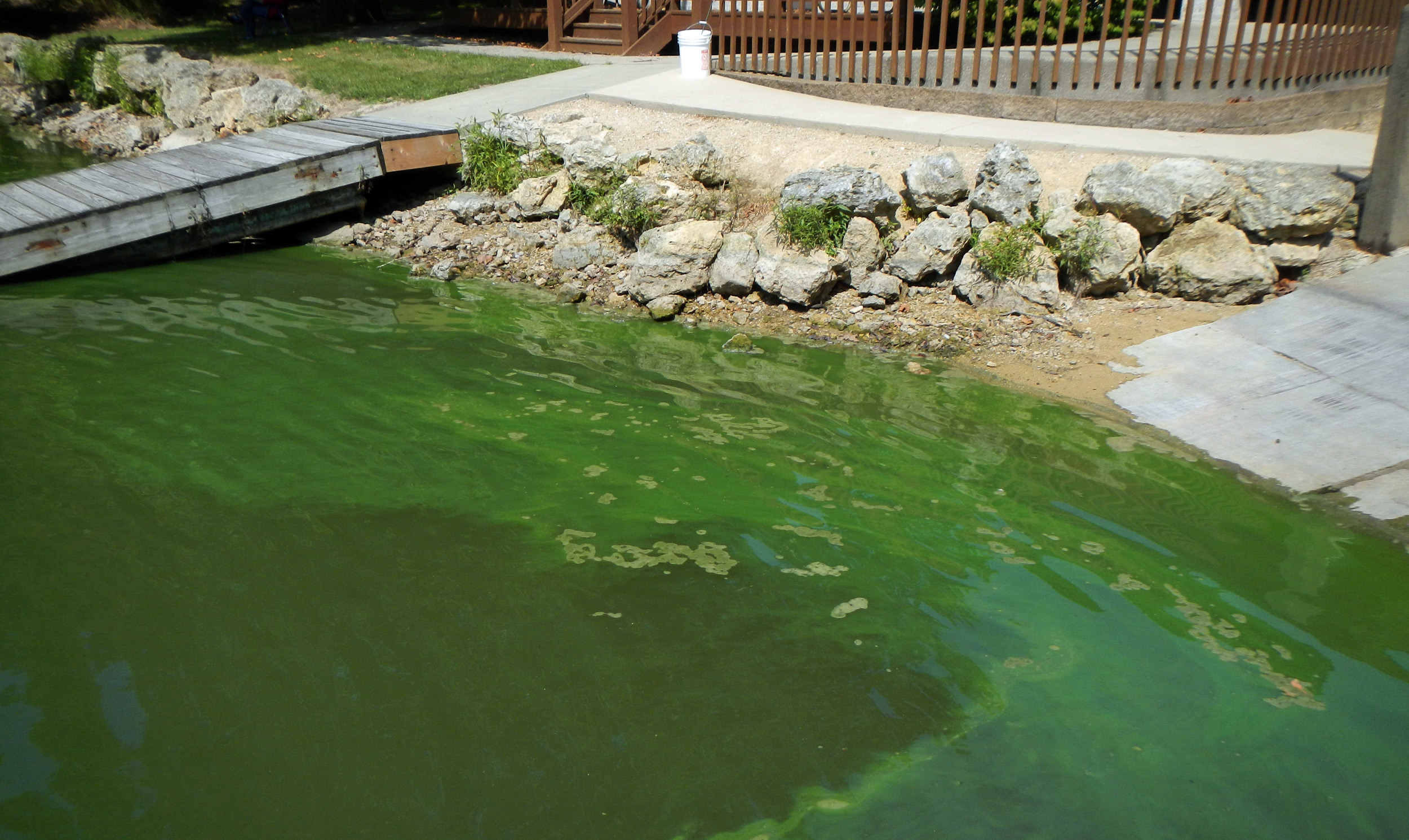
Key Takeaways
- Rising temperatures and altered precipitation patterns significantly enhance nutrient runoff and algal growth.
- Increased stratification and extreme weather events exacerbate hypoxic conditions, leading to "dead zones."
- Eutrophication contributes to greenhouse gas emissions, creating a feedback loop that intensifies climate change.
Introduction to Eutrophication and Climate Change
Eutrophication is a process where water bodies such as lakes, rivers, and coastal areas become enriched with excess nutrients, primarily nitrogen and phosphorus. This nutrient surplus leads to the overgrowth of algae and other aquatic plants, disrupting the balance of the ecosystem. Climate change, characterized by rising temperatures, altered precipitation patterns, and increased frequency of extreme weather events, plays a pivotal role in exacerbating eutrophication. The interplay between these two environmental challenges creates a complex scenario with detrimental effects on aquatic ecosystems, biodiversity, and human economies.
Mechanisms Through Which Climate Change Influences Eutrophication
1. Temperature Increases
Rising global temperatures have a direct and profound impact on eutrophication dynamics. Warmer water temperatures accelerate the metabolism and reproduction rates of algae and other aquatic organisms, leading to more rapid and extensive algal blooms. These blooms can deplete dissolved oxygen in the water, creating hypoxic or anoxic conditions that are lethal to many forms of aquatic life. Additionally, higher temperatures reduce the solubility of oxygen in water, exacerbating the formation of "dead zones" where life cannot sustain itself.
2. Altered Precipitation Patterns
Climate change alters precipitation patterns, resulting in more intense and frequent storms as well as periods of drought. Increased heavy rainfall events often lead to greater runoff from agricultural lands and urban areas, carrying a higher load of nutrients like nitrogen and phosphorus into water bodies. This surge in nutrient influx fuels eutrophication, promoting the proliferation of algae. Conversely, during droughts, reduced water volumes concentrate existing nutrients, further intensifying eutrophic conditions.
3. Increased Stratification of Water Bodies
Warmer temperatures increase the stratification of water bodies, where layers of water with different temperatures and densities form. This stratification hinders the mixing of oxygen-rich surface waters with deeper layers, leading to oxygen depletion in lower depths. The trapped nutrients in the bottom layers become available for sudden and intense algal blooms when they are eventually released, often following disturbances like storms. Persistent stratification can prolong the duration of harmful algal blooms, compounding the effects of eutrophication.
4. Extreme Weather Events
The frequency and intensity of extreme weather events, such as hurricanes, floods, and heavy storms, are increasing due to climate change. These events can dramatically alter the landscape, causing significant nutrient runoff from land into water bodies. Floods can mobilize sediments rich in nutrients, while storms can resuspend previously settled materials, releasing additional nutrients into the water. These spikes in nutrient levels can lead to sudden and severe eutrophic conditions, overwhelming water treatment systems and natural ecosystems alike.
5. Impact on Nutrient Cycling
Climate change accelerates microbial processes in aquatic ecosystems, altering nutrient cycling rates. Warmer temperatures speed up the decomposition of organic matter, releasing more nutrients back into the water. This increased bioavailability of nutrients enhances algal growth even in the absence of additional external inputs. Furthermore, eutrophication itself contributes to the release of greenhouse gases like methane and nitrous oxide from decomposing organic matter, creating a feedback loop that further drives climate change.
6. Population Growth and Land Use Changes
Alongside climate change, population growth and changing land use patterns amplify nutrient inputs into water bodies. Increased agricultural activities result in higher fertilizer use, while urbanization leads to more impervious surfaces and greater runoff. These factors contribute to elevated levels of nitrogen and phosphorus in aquatic ecosystems, exacerbating eutrophication. Managing these nutrient inputs is critical to mitigating the combined impacts of population growth and climate change on water quality.
Feedback Loops Between Eutrophication and Climate Change
Eutrophication and climate change are interconnected through several feedback mechanisms that amplify each other's effects. Harmful algal blooms, a hallmark of eutrophication, can produce greenhouse gases such as methane and nitrous oxide during decomposition. These emissions contribute significantly to atmospheric greenhouse gas concentrations, further driving climate warming. This, in turn, exacerbates eutrophication by enhancing the conditions that promote algal growth. Consequently, addressing eutrophication can also play a role in mitigating climate change.
Economic and Ecological Consequences of Enhanced Eutrophication
1. Biodiversity Loss
Intensified eutrophication leads to widespread oxygen depletion, which is detrimental to aquatic life. Fish, invertebrates, and other aquatic organisms can suffer mass die-offs in hypoxic or anoxic conditions. The loss of biodiversity disrupts food webs and reduces the resilience of ecosystems to environmental changes. Additionally, the proliferation of toxic algal species can pose health risks to both wildlife and humans.
2. Water Quality Degradation
Excessive algal growth not only depletes oxygen but also increases water turbidity and releases toxins that can contaminate drinking water sources. This degradation necessitates costly water treatment processes to ensure safe drinking water. Moreover, poor water quality can render recreational waters unsuitable for activities such as swimming, boating, and fishing, impacting local communities and economies dependent on tourism and fisheries.
3. Economic Losses
The economic ramifications of eutrophication are multifaceted. Increased water treatment costs burden municipal budgets and consumers. Declining fisheries affect the livelihoods of those dependent on fishing industries. Additionally, diminished recreational value of water bodies can lead to reduced tourism revenue. The cumulative economic impact underscores the importance of addressing eutrophication as part of broader environmental and climate strategies.
Mitigation Strategies to Address Eutrophication in the Context of Climate Change
1. Reducing Nutrient Inputs
One of the most effective strategies to combat eutrophication is reducing the input of nutrients, particularly nitrogen and phosphorus, into water bodies. This can be achieved through implementing better agricultural practices such as precision farming, which minimizes fertilizer runoff, and by establishing buffer zones along waterways to capture excess nutrients before they reach aquatic ecosystems. Additionally, improving wastewater treatment facilities to remove more nutrients before discharge can significantly reduce eutrophication risks.
2. Enhancing Agricultural Practices
Adopting sustainable agricultural practices is crucial in mitigating nutrient runoff. Techniques such as crop rotation, cover cropping, and the use of organic fertilizers can enhance soil health and reduce the need for chemical fertilizers. Precision agriculture technologies that optimize fertilizer application based on soil and crop needs can further minimize nutrient excesses. These practices not only help in controlling eutrophication but also contribute to overall environmental sustainability.
3. Implementing Policy Measures
Effective policy measures are essential to regulate nutrient emissions and promote sustainable land use. Policies can include setting limits on fertilizer use, enforcing regulations on wastewater discharge, and incentivizing the adoption of green infrastructure such as constructed wetlands and permeable pavements that capture and filter runoff. Government support for research and monitoring initiatives can also aid in understanding and managing eutrophication in the face of climate change.
4. Monitoring and Modeling
Continuous monitoring of nutrient levels, water quality, and algal blooms is vital for early detection and management of eutrophication. Advanced modeling techniques can help predict the impacts of climate change on nutrient dynamics and eutrophication, enabling proactive measures to be implemented. Integrating climate projections with eutrophication models can provide a more comprehensive understanding of future risks and inform effective management strategies.
5. Restoring Affected Ecosystems
Restoration efforts aimed at recovering degraded water bodies can help mitigate eutrophication. Techniques such as re-establishing native vegetation, restoring wetlands, and implementing bioremediation processes can enhance the natural capacity of ecosystems to absorb and process excess nutrients. These restoration projects not only improve water quality but also bolster ecosystem resilience against the adverse effects of climate change.
Case Studies and Regional Impacts
1. The Great Lakes
The Great Lakes region has been significantly impacted by eutrophication, with harmful algal blooms becoming more frequent and intense due to climate-induced changes in temperature and precipitation. Efforts to reduce nutrient inputs through improved agricultural practices and wastewater treatment have shown some success, but the region continues to face challenges in managing eutrophication amid ongoing climate change.
2. Coastal Estuaries
Coastal estuaries are particularly vulnerable to the combined effects of sea-level rise and nutrient pollution. Rising sea levels enhance the inundation of coastal areas, leading to increased nutrient inputs from terrestrial sources. This contributes to the proliferation of toxic algal blooms, which can devastate marine life and disrupt fisheries. Integrated management approaches that address both land and water-based nutrient sources are essential for protecting these vital ecosystems.
3. Inland Water Bodies
Inland lakes and rivers experience eutrophication through similar mechanisms influenced by climate change. For example, in regions experiencing increased droughts, the concentration of nutrients in smaller water volumes intensifies eutrophic conditions. Conversely, areas with heightened rainfall and storm frequency see greater nutrient runoff, fueling algal growth. Tailored strategies that consider regional climate impacts are necessary to effectively manage eutrophication in diverse inland water bodies.
Prospects for the Future
The intersection of climate change and eutrophication presents both challenges and opportunities for environmental management. As global temperatures continue to rise and extreme weather events become more common, the prevalence and severity of eutrophication are expected to increase. However, concerted efforts to reduce nutrient inputs, adopt sustainable practices, and implement effective policies can mitigate these impacts. Advances in monitoring technologies and predictive modeling will enhance our ability to respond proactively to eutrophication, ensuring the preservation of aquatic ecosystems and the services they provide.
Conclusion
Climate change significantly amplifies the processes and consequences of eutrophication, posing severe threats to aquatic ecosystems, biodiversity, and human economies. Rising temperatures, altered precipitation patterns, increased water stratification, and extreme weather events all contribute to enhanced nutrient runoff and algal growth. These factors not only degrade water quality but also create feedback loops that further exacerbate climate change through increased greenhouse gas emissions. Addressing eutrophication in the context of a changing climate requires a multifaceted approach that includes reducing nutrient inputs, enhancing sustainable agricultural and land-use practices, implementing robust policy measures, and restoring affected ecosystems. By integrating these strategies, it is possible to mitigate the adverse effects of eutrophication and protect the health and resilience of our water bodies for future generations.
References
| Impact Factor | Description | Potential Mitigation |
|---|---|---|
| Rising Temperatures | Accelerates algal growth and reduces oxygen solubility. | Implement shading strategies and increase water flow. |
| Increased Runoff | Leads to higher nutrient loads in water bodies. | Establish riparian buffer zones and improve soil management. |
| Water Stratification | Prevents oxygen mixing, creating dead zones. | Enhance water mixing through aeration and artificial circulation. |
| Extreme Weather Events | Cause sudden spikes in nutrient influx. | Develop resilient infrastructure and emergency response plans. |
| Nutrient Cycling Alterations | Increases bioavailable nutrient load through accelerated decomposition. | Promote restoration of natural nutrient cycling processes. |
Last updated February 11, 2025