
Climate Change and Labor Migration
An integrated exploration of adaptation, policy, and economic impacts
Key Highlights
- Environmental Drivers: Extreme weather events and degraded livelihoods push migration.
- Adaptive Strategies: Labor migration acts as a resilient response and means for economic stability.
- Policy and Social Implications: Effective policy frameworks must secure migrant rights and foster sustainable development.
The Interplay of Climate Change and Labor Migration
Climate change is having an unprecedented impact on societies worldwide, affecting everything from ecosystems to economic infrastructures. One major consequence is the alteration of human migration patterns, particularly labor migration. As traditional livelihoods are disrupted by environmental changes, communities and individuals increasingly view migration as an adaptive strategy.
Environmental Drivers of Migration
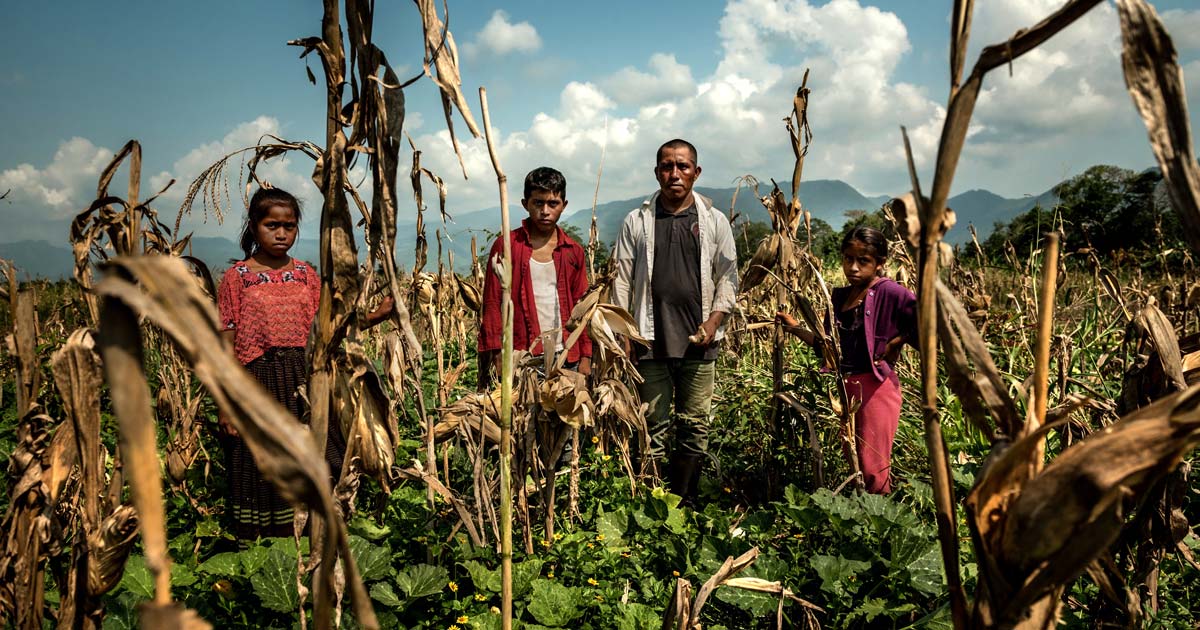
The direct and indirect consequences of climate change, including extreme weather events like hurricanes, floods, and droughts, lead to severe disruption of agricultural productivity and ecosystem stability. Rising temperatures, erratic rainfall patterns, and natural disasters render traditional livelihoods unsustainable, particularly in regions where subsistence farming forms the backbone of local economies.
Extreme Weather and Natural Disasters
Extreme weather events contribute significantly to large-scale human displacement. For instance, prolonged droughts and severe floods not only damage crops but also undermine reliable sources of water and essential resources. When communities lose the capacity to sustain their livelihoods, migration becomes a necessity for survival. Migrants often relocate to urban centers or cross national borders in search of new economic opportunities.
Regional Vulnerability and Environmental Degradation
Regions that are already burdened with socio-economic challenges are the most vulnerable. Low-lying coastal areas, small island nations, and arid landscapes face the dual threat of environmental threats and economic difficulties. The compounding effects of rising sea levels, soil degradation, and diminishing freshwater supplies force inhabitants to seek alternatives that ensure economic viability and personal safety.
Labor Migration as an Adaptive Mechanism
As environmental pressures escalate, labor migration is increasingly being seen not just as a response to displacement but also as a strategic adaptation mechanism. By migrating, individuals can access new employment opportunities across different sectors, tap into better social services, and contribute to broader economic stability through remittances.
Economic Opportunities and Resilience
In a scenario of global economic shifts driven by climate change, labor migration provides significant economic benefits. Migrants not only generate remittances that support their families back home, but they also acquire skills and experience that can positively influence local economies upon their return or even remain beneficial in a transnational context.
Remittances and Economic Stability
Remittances sent by migrant workers help stabilize communities in regions that are particularly hard-hit by climate change. These financial inflows can be critical for household expenditures, savings, and reinvestment in local economic ventures. As such, migration becomes a channel for enhancing community resilience and mitigating the adverse effects brought on by diminishing local resources.
Skill Development and Knowledge Transfer
Migration often provides opportunities for acquiring new skills, particularly in emerging sectors such as green energy and sustainable agriculture. The experience of working in diverse environments encourages innovation and the adoption of sustainable practices. Moreover, migrants can transfer knowledge back to their home communities, contributing to a more robust local response to climate challenges.
Policy Considerations and Social Impacts
With the growing recognition of the intertwined relationship between climate change and labor migration, both international and national policy frameworks are being re-evaluated. Designing effective policies requires a multi-dimensional approach that neither overlooks the rights of migrant workers nor underestimates the broader social and economic implications.
Policy Frameworks and Institutional Responses
Modern policy discussions increasingly view labor migration as a potential adaptation tool in managing the effects of climate change. Governments are exploring pathways that support regular and safe migration while ensuring that migrants benefit from decent work conditions and access to social protection.
Facilitating Safe and Regular Migration
An important part of adapting to climate change involves establishing robust and transparent migration policies that focus on elevating the protection of migrant workers. These policies should aim to remove barriers to employment while ensuring basic human rights are preserved, especially as many migrants find work in sectors affected by climate-related risks.
Preventing Exploitative Practices
Without careful regulatory oversight, migrant workers risk facing exploitation and poor working conditions. This risk is particularly pronounced in industries such as agriculture, construction, and tourism, where labor markets are vulnerable to climate-induced fluctuations. Strengthening legal frameworks and labor protections is crucial in ensuring that migration contributes to climate adaptation rather than exacerbating socio-economic inequalities.
Addressing Social and Economic Inequalities
While migration offers numerous economic benefits, it can also have adverse social impacts. Migrants may experience discrimination, limited social integration, and lack of access to education and healthcare in their new environments. Addressing these challenges requires a holistic approach that incorporates robust social safety nets, community integration programs, and targeted skills training.
Inclusive Migration Policies
Building inclusive policies that prioritize social equity and justice helps mitigate the risks of marginalization. This is critical in ensuring that migration is not only a tool for immediate economic survival but also a pathway to long-term community development and environmental resilience. Dedicated measures geared toward supporting vulnerable populations can further enhance the adaptive capacity of communities facing climate stress.
Sectoral Impacts and Opportunities
Certain sectors are directly influenced by variations in environmental conditions, and these sectors play a pivotal role in the migration narrative. Labor migration impacts various industries unevenly, particularly in regions that are reliant on climate-sensitive sectors like agriculture, forestry, and construction.
Sectoral Analysis
The economic landscape is changing as climate change drives a shift in the availability of jobs and skills. Some sectors are witnessing a contraction due to environmental degradation, while others, such as those involved in green technologies, are expanding rapidly.
Agriculture and Rural Economies
Rural regions, where agriculture remains a primary source of livelihood, are particularly affected by climate change. Declining agricultural productivity due to erratic weather patterns forces many to search for work elsewhere. This often leads to rural-to-urban migration, contributing to urban labor market shifts and necessitating improved urban planning and resource allocation.
Green Jobs and Emerging Industries
On the other hand, the growing importance of green jobs in sectors like renewable energy, sustainable construction, and eco-friendly transportation presents new migration opportunities. The shift toward a green economy fosters a demand for skilled labor, making migration an attractive strategy for those looking to acquire new skill sets and contribute to sustainable development.
Comparative Table of Labor Migration Factors
| Factor | Impact of Climate Change | Migration Response | Policy Implications |
|---|---|---|---|
| Extreme Weather Events | Increased frequency of hurricanes, floods, and droughts | Forced displacement and urban migration | Enhance disaster preparedness and safe migration pathways |
| Agricultural Decline | Reduced productivity due to soil degradation and water scarcity | Rural-to-urban migration; transnational labor mobility | Develop sustainable agriculture and rural development policies |
| Economic Opportunities | Rise of green industries and renewable energy | Proactive migration for skills acquisition and employment | Strengthen vocational training and facilitate skill transfer programs |
| Social Inequity | Limited access to services in vulnerable regions | Migration as a means to access better education and healthcare | Implement social safety nets and inclusive labor market regulations |
Emerging Trends and Future Directions
As the convergence of climate change and labor migration intensifies, innovative research and policy initiatives are emerging to address the intertwined challenges. There is a growing emphasis on building resilient infrastructures, enhancing skills training, and bolstering social protection schemes so that migration not only serves as an immediate survival strategy but also contributes to long-term sustainable development.
Integrated Policy Approaches
Policy innovations now stress the importance of cross-sectoral collaboration, combining environmental science with labor market analytics and human rights frameworks. International bodies and local governments alike are championing the adoption of comprehensive policies that integrate migration management with climate adaptation strategies.
Climate-Resilient Infrastructure
Investment in climate-resilient infrastructure is essential. This involves incorporating sustainable building practices, modern water management systems, and adaptive urban planning into policy frameworks. Such investments not only mitigate the adverse impacts of climate change but also create new job opportunities that can absorb migrant labor.
Social Protection and Skill Enhancement
As economies restructure under the pressures of climate change, emphasis is placed on social protection measures for migrant workers. These measures include access to healthcare, education, and legal assistance, alongside programs designed to enhance job skills in emerging industries such as green technology.
Opportunities for Research and Collaboration
Academia and policy think tanks are actively researching the nexus of climate change and labor migration, aiming to refine models and propose innovative solutions that address both immediate displacement and long-term socio-economic transformation. Collaborative initiatives between government agencies, international organizations, and civil society can further ensure that the needs of vulnerable populations are met while promoting sustainable development.
References
- Harnessing Labor Migration to Respond to the Climate Crisis - IOM
- Information Sheet on Labour Migration and Climate Change - IOM
- Human Mobility, Climate Change, and Just Transition - ILO
- Labor Migration and Climate Change Adaptation - Cambridge
- Climate Migration 101 Explainer - Migration Policy Institute
Related Queries for Further Exploration
Last updated March 15, 2025