
Comprehensive Overview of Climate Change
Understanding the Causes, Effects, and Mitigation Strategies
Key Takeaways
- Human Activities Drive Climate Change: The primary contributors are the burning of fossil fuels, deforestation, and industrial processes.
- Widespread Impacts: Climate change leads to rising temperatures, sea levels, extreme weather events, and ecosystem disruptions.
- Urgent Mitigation and Adaptation Needed: Transitioning to renewable energy, enhancing energy efficiency, and implementing sustainable practices are crucial.
Introduction
Climate change represents a profound alteration in the Earth's climate system, characterized by long-term shifts in temperature, precipitation, wind patterns, and other atmospheric conditions. While natural factors have historically influenced the planet's climate, the current trend of rapid warming is predominantly driven by human activities. Understanding the multifaceted causes and far-reaching effects of climate change is essential for developing effective strategies to mitigate its impact and adapt to the changing environment.
Causes of Climate Change
Greenhouse Gas Emissions
The concentration of greenhouse gases (GHGs) in the atmosphere has surged since the Industrial Revolution, primarily due to the combustion of fossil fuels such as coal, oil, and natural gas. When these fuels are burned for energy, they release significant amounts of carbon dioxide (CO₂), methane (CH₄), and nitrous oxide (N₂O), which trap heat from the sun and prevent it from escaping back into space. This phenomenon, known as the greenhouse effect, is the cornerstone of global warming and climate change.
Deforestation and Land-Use Changes
Forests play a critical role in regulating the Earth's climate by absorbing CO₂ through photosynthesis. However, widespread deforestation for agricultural expansion, urban development, and timber extraction has reduced the planet's capacity to sequester carbon. Additionally, the clearing of land disrupts local ecosystems, alters water cycles, and contributes to the release of stored carbon dioxide, further exacerbating the greenhouse effect.
Industrial Processes and Agriculture
Industrial activities, including manufacturing and chemical production, emit a variety of GHGs beyond CO₂, such as fluorinated gases, which have a much higher global warming potential. Agriculture, particularly livestock farming, is a significant source of methane emissions due to enteric fermentation in animals and the cultivation of rice paddies. These emissions contribute substantially to the overall greenhouse gas inventory.
Natural Factors
While human activities are the primary drivers of recent climate change, natural factors also play a role. Volcanic eruptions can inject large quantities of particulate matter and sulfur dioxide into the atmosphere, temporarily cooling the planet by reflecting sunlight. Variations in solar radiation and Earth's orbital parameters can also influence climate patterns. However, the impact of these natural factors is relatively minor compared to the overwhelming influence of anthropogenic emissions.
Effects of Climate Change
Environmental Impacts
Rising Temperatures
The Earth's average surface temperature has increased by approximately 1°C since pre-industrial times. This warming leads to more frequent and intense heatwaves, altering weather patterns and contributing to the melting of polar ice caps and glaciers. Regions like the Arctic are experiencing some of the most rapid temperature increases, which have cascading effects on global climate systems.
Sea-Level Rise
As global temperatures rise, the thermal expansion of seawater and the melting of glaciers and ice sheets contribute to rising sea levels. Projections indicate a potential rise of 1 to 6.6 feet by the end of the century if current trends continue. Elevated sea levels threaten coastal communities with increased flooding, erosion, and storm surge impacts, potentially displacing millions of people and causing extensive economic damage.
Extreme Weather Events
Climate change intensifies the frequency and severity of extreme weather events, including hurricanes, heavy rainfall, droughts, and wildfires. These events can devastate communities, disrupt economies, and strain infrastructure. The increasing unpredictability of weather patterns poses significant challenges for disaster preparedness and response efforts.
Shifts in Ecosystems and Biodiversity
Changes in temperature and precipitation patterns alter the geographic distribution of plant and animal species, disrupting ecosystems and reducing biodiversity. Habitat loss, altered breeding cycles, and the introduction of invasive species can lead to the extinction of vulnerable species, undermining ecosystem resilience and the services they provide to humanity.
Ocean Acidification
Increased CO₂ levels are absorbed by the oceans, leading to acidification. This chemical change undermines the ability of marine organisms, such as corals and shellfish, to build their calcium carbonate structures, threatening marine biodiversity and the livelihoods of communities dependent on fisheries.
Human and Societal Consequences
Health Risks
Climate change exacerbates health problems by increasing the prevalence of heat-related illnesses, respiratory issues due to poor air quality, and the spread of vector-borne diseases like malaria and dengue fever. The World Health Organization estimates that climate change could cause an additional 250,000 deaths per year between 2030 and 2050.
Food and Water Security
Altered precipitation patterns and extreme weather events disrupt agricultural productivity, threatening food security. Droughts and floods can devastate crops and reduce water availability, leading to malnutrition and conflicts over resources. Ensuring sustainable food and water supplies is critical in mitigating these risks.
Economic Disruptions
The economic impacts of climate change are vast, affecting various sectors including agriculture, fisheries, tourism, and insurance. Damage to infrastructure from extreme weather events requires costly repairs and rebuilding efforts. Additionally, adapting to climate change involves significant investments in resilient infrastructure and sustainable practices.
Displacement and Migration
Rising sea levels, extreme weather events, and resource scarcity can force populations to migrate, leading to displacement and creating humanitarian crises. Vulnerable communities, particularly in low-lying regions and developing countries, are at heightened risk of losing their homes and livelihoods.
Future Projections
Scientific models project that if current greenhouse gas emission trends continue, global temperatures could increase by 1.5°C within the next few decades, with potential peaks of up to 4°C by 2100. Such temperature rises would lead to catastrophic changes, including the loss of ice sheets, irreversible damage to ecosystems, and severe socio-economic disruptions. The urgency of reducing emissions and implementing adaptive measures cannot be overstated to prevent the most dire outcomes.
Mitigation and Adaptation Strategies
Mitigation Efforts
Transition to Renewable Energy
Shifting from fossil fuels to renewable energy sources like solar, wind, and hydroelectric power is essential in reducing greenhouse gas emissions. Renewable energy technologies offer sustainable alternatives that can meet global energy demands without exacerbating climate change.
Enhancing Energy Efficiency
Improving energy efficiency in buildings, transportation, and industries can significantly decrease energy consumption and emissions. Measures include upgrading insulation, adopting energy-efficient appliances, and optimizing industrial processes.
Carbon Capture and Storage
Carbon capture and storage (CCS) technologies aim to capture CO₂ emissions from power plants and industrial sources before they enter the atmosphere. The captured carbon is then stored underground or utilized in other applications, thereby reducing the overall greenhouse gas footprint.
Reforestation and Afforestation
Planting trees and restoring forests enhance carbon sequestration, as trees absorb CO₂ during photosynthesis. Reforestation and afforestation not only mitigate climate change but also restore ecosystems and biodiversity.
Adaptation Measures
Developing Resilient Infrastructure
Building infrastructure that can withstand extreme weather events and rising sea levels is crucial. This includes constructing flood defenses, elevating buildings, and designing transportation systems that are resilient to climate impacts.
Agricultural Adaptation
Adapting agricultural practices to changing climate conditions involves developing drought-resistant crop varieties, implementing sustainable farming techniques, and improving water management to ensure food security.
Health System Strengthening
Enhancing health systems to cope with climate-related health issues involves improving disease surveillance, expanding healthcare access, and promoting public health initiatives to address the increased risks posed by climate change.
Community-Based Adaptation
Engaging communities in developing and implementing adaptation strategies ensures that measures are culturally appropriate and effectively address local vulnerabilities. This includes participatory planning, capacity building, and resource mobilization at the community level.
International Cooperation and Policy Interventions
Global collaboration is vital in addressing climate change, as its impacts transcend national borders. International agreements, such as the Paris Agreement, aim to unite countries in efforts to limit global temperature rises and promote sustainable development. Policy interventions include setting emission reduction targets, providing financial incentives for green technologies, and facilitating knowledge exchange among nations.
Renewable Energy Transition
Solar Power
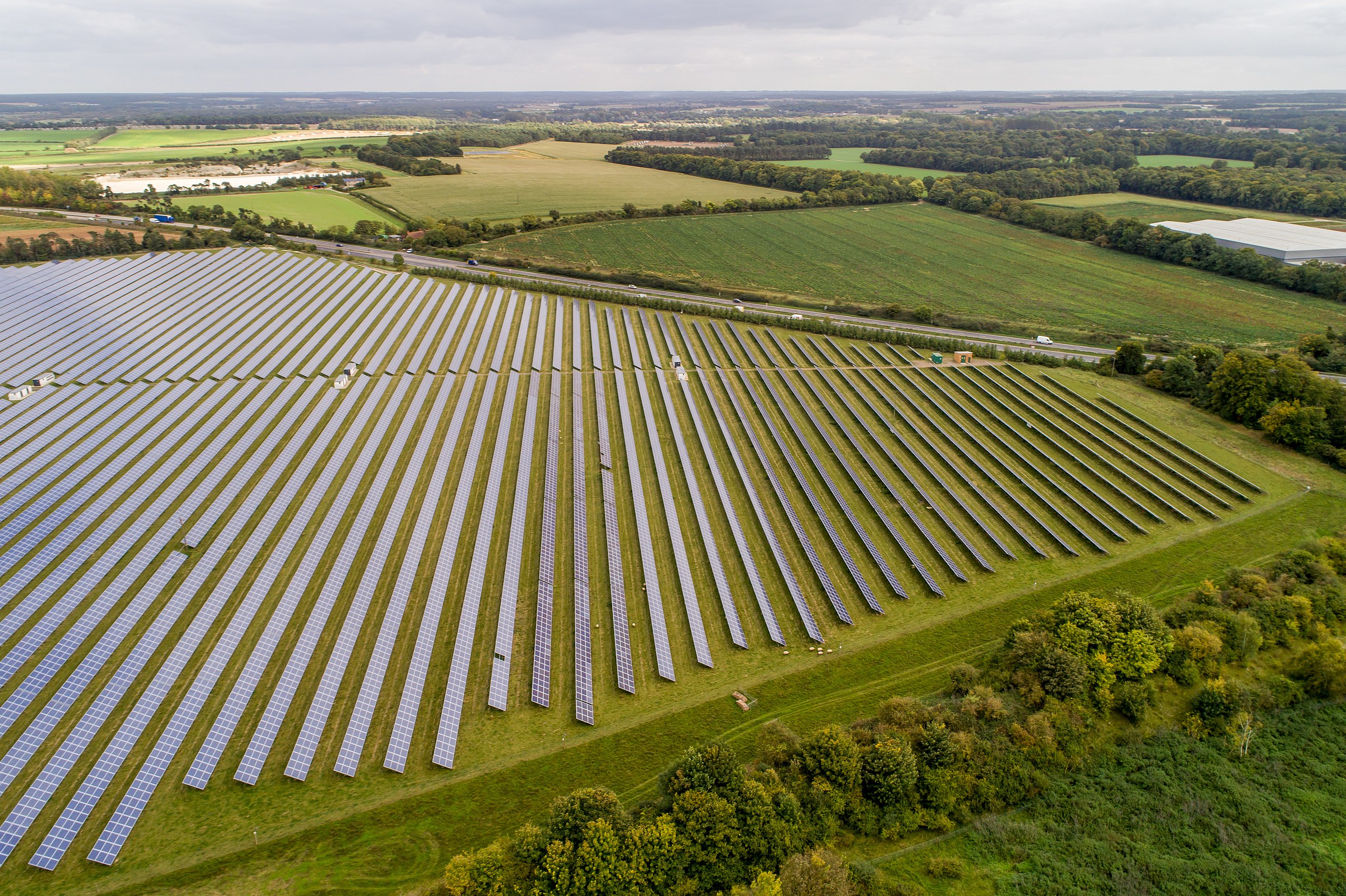
Solar energy harnesses the sun's power through photovoltaic cells, converting sunlight directly into electricity. Advancements in solar technology have increased efficiency and reduced costs, making it a cornerstone of the renewable energy transition.
Wind Energy
Wind turbines generate electricity by capturing the kinetic energy of wind. Onshore and offshore wind farms contribute significantly to renewable energy portfolios, offering a scalable and sustainable energy source.
Hydroelectric Power
Hydroelectric power utilizes the energy of flowing water to produce electricity. Large-scale dams and small-scale hydro projects provide reliable and renewable energy, though they must be managed to minimize environmental and social impacts.
Geothermal and Biomass Energy
Geothermal energy taps into the Earth's internal heat to generate power and provide heating solutions. Biomass energy converts organic materials into fuel, offering a renewable alternative that can complement other renewable energy sources.
Energy Efficiency and Electrification
Building Efficiency
Enhancing energy efficiency in buildings involves insulating structures, using energy-efficient lighting and appliances, and implementing smart energy management systems. These measures reduce energy consumption and lower greenhouse gas emissions.
Transportation Electrification
Electrifying transportation through electric vehicles (EVs) and expanding public transit systems can significantly reduce emissions from one of the largest contributing sectors. Supporting infrastructure, such as charging stations, is essential for widespread adoption.
Industrial Energy Optimization
Optimizing energy use in industrial processes through advanced technologies and operational improvements can decrease energy demand and emissions, contributing to overall climate change mitigation efforts.
Carbon Capture and Storage (CCS)
CCS technologies capture carbon dioxide emissions from sources like power plants and industrial facilities before they reach the atmosphere. The captured CO₂ is then transported and stored underground in geological formations or utilized in various applications, effectively reducing the carbon footprint of emitting industries.
Direct Air Capture
Direct air capture (DAC) involves extracting CO₂ directly from ambient air using chemical processes. The captured carbon can be stored underground or repurposed, offering a flexible approach to reducing greenhouse gas concentrations in the atmosphere.
Enhanced Oil Recovery
Captured CO₂ can be used in enhanced oil recovery (EOR), where it is injected into oil reservoirs to increase extraction efficiency. While EOR provides a use for captured carbon, it also involves extracting additional fossil fuels, which must be carefully managed to ensure net emissions reductions.
Reforestation and Afforestation
Forest Restoration Projects
Reforestation involves replanting trees in deforested areas, while afforestation refers to creating new forests in regions that were not previously forested. Both practices enhance carbon sequestration, restore ecosystems, and provide numerous environmental benefits, including improved air and water quality.
Sustainable Agriculture Practices
Implementing sustainable agriculture practices, such as agroforestry, cover cropping, and reduced tillage, can increase carbon storage in soils, improve soil health, and enhance resilience to climate impacts.
Economic and Policy Considerations
Carbon Pricing Mechanisms
Carbon pricing, including carbon taxes and cap-and-trade systems, provides economic incentives for reducing emissions. By assigning a cost to carbon, these mechanisms encourage businesses and consumers to adopt cleaner technologies and reduce their carbon footprint.
Subsidies and Incentives for Green Technologies
Government subsidies and incentives for renewable energy, energy efficiency, and other green technologies can accelerate their adoption and make them more competitive with fossil fuel-based alternatives.
International Climate Agreements
Global agreements, such as the Paris Agreement, seek to unify countries in their efforts to combat climate change by setting emission reduction targets, promoting sustainable development, and facilitating financial and technological support for climate initiatives.
Challenges and Future Directions
Technological Innovations
Continued investment in research and development is essential for advancing renewable energy technologies, improving energy storage solutions, and enhancing carbon capture methods. Innovation plays a critical role in making sustainable solutions more efficient and cost-effective.
Societal Engagement and Behavioral Change
Public awareness and behavioral changes are vital for the successful implementation of climate strategies. Encouraging sustainable consumption, reducing waste, and promoting environmental stewardship contribute significantly to mitigating climate change.
Addressing Inequality and Ensuring Just Transitions
The transition to a low-carbon economy must address social and economic inequalities to ensure that marginalized communities are not disproportionately affected. Policies should promote equitable access to resources, create green jobs, and support communities in adapting to changes.
Conclusion
Climate change is an urgent and complex global challenge that affects every facet of life on Earth. Driven primarily by human activities, its impacts are vast and multifaceted, encompassing environmental degradation, economic disruptions, and social upheaval. Addressing climate change requires a concerted effort from governments, businesses, communities, and individuals to implement effective mitigation and adaptation strategies. Transitioning to renewable energy, enhancing energy efficiency, and adopting sustainable practices are critical steps toward reducing greenhouse gas emissions and safeguarding the planet's future. International cooperation, technological innovation, and societal engagement are paramount in fostering a resilient and sustainable world for generations to come.
References
Last updated February 11, 2025