
How Climate Change is Reshaping Our Rivers: Flow, Quality, and Future
Explore the profound ways warming temperatures and shifting weather patterns are altering river systems worldwide.
Climate change is no longer a distant threat; its effects are actively reshaping the world's river systems. From the mighty Amazon to the vital arteries of Europe and North America, rivers are experiencing significant alterations in their flow, temperature, and quality. Understanding these changes is crucial, as they impact everything from delicate aquatic ecosystems to human water supplies, agriculture, and infrastructure safety. Our knowledge cutoff is Sunday, 2025-05-04.
Key Insights: Rivers on the Frontline
- Altered Flow Regimes: Climate change disrupts precipitation patterns and accelerates snowmelt, leading to more extreme flows – increased flooding in some areas and intensified droughts and reduced flows in others.
- Warming Waters & Quality Decline: Rising air temperatures heat river waters, reducing dissolved oxygen and stressing aquatic life. Lower flows and intense storms worsen pollution, concentrating contaminants and degrading water quality.
- Shifting Seasonality: The timing of river flows is changing, particularly in snow-fed rivers, with earlier spring peaks and reduced summer flows, impacting water availability during critical periods.
The Mechanisms: How Climate Change Impacts River Flows
Several interconnected climate change factors drive the observed and projected changes in river systems globally.
Rising Temperatures: A Double-Edged Sword
Direct Water Warming
Increasing global air temperatures directly translate to warmer river water. Projections suggest summer water temperatures could rise significantly by the late 21st century (potentially up to 7°C in some scenarios). Warmer water holds less dissolved oxygen, creating stressful or lethal conditions for many fish and aquatic invertebrates. This warming also accelerates metabolic processes and can exacerbate the effects of pollutants and promote the growth of harmful algal blooms (eutrophication).
Altered Snowmelt and Glacial Melt
In regions reliant on snowpack and glaciers for water supply, rising temperatures cause earlier spring snowmelt and accelerate glacial retreat. This shifts the peak flow timing to earlier in the year, often increasing spring flood risks. Conversely, it leads to reduced flows during summer and autumn when water demand is often highest, impacting irrigation, hydropower, and municipal water supplies.
Increased Evaporation
Higher temperatures increase evaporation rates from river surfaces, reservoirs, and the surrounding land, further reducing water availability, especially during dry periods.
Shifting Precipitation Patterns
Climate change is intensifying the water cycle, leading to significant alterations in precipitation frequency, intensity, and type (rain vs. snow).
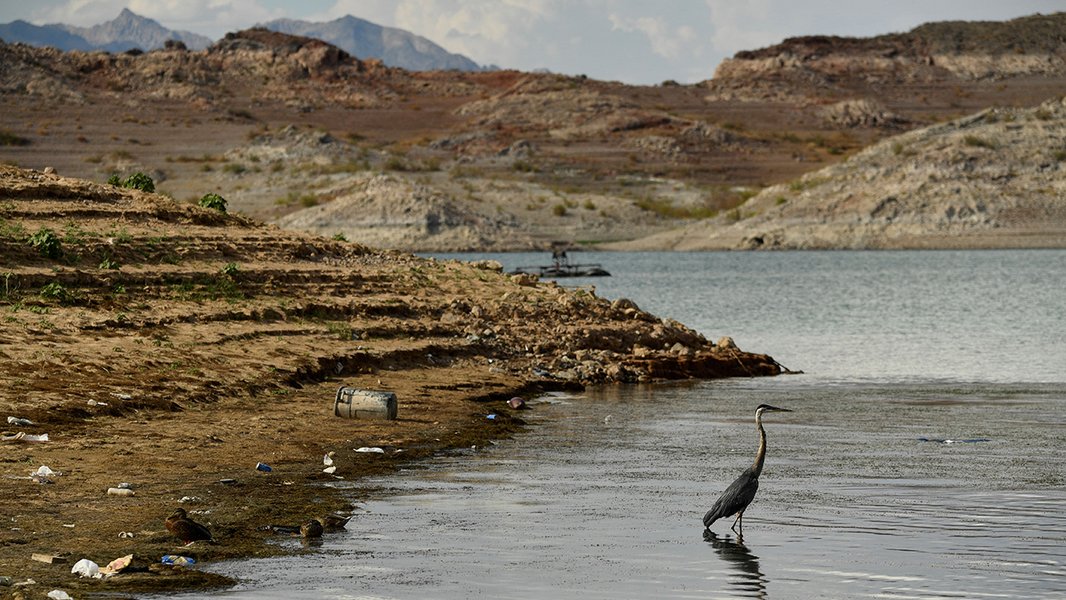
Drought conditions, exacerbated by climate change, lead to reduced river flows and drying water bodies across North America.
Intensity and Frequency
Many regions are experiencing more intense rainfall events over shorter periods. While this can replenish some water sources, it primarily increases surface runoff, overwhelming natural and engineered drainage systems and leading to more frequent and severe flash floods. Conversely, other areas face longer periods with little or no precipitation, resulting in prolonged droughts and significantly reduced river flows.
Seasonal Distribution
The timing of rainfall is shifting. Some areas might receive the same annual precipitation but concentrated in fewer, more intense events, reducing the reliability of water supply throughout the year. Changes in seasonal patterns disrupt traditional agricultural calendars and ecosystem processes adapted to historical rainfall regimes.
Increase in Extreme Weather Events
Climate change is linked to an increase in the frequency and intensity of extreme weather events like floods and droughts, which have direct and dramatic impacts on river flows.
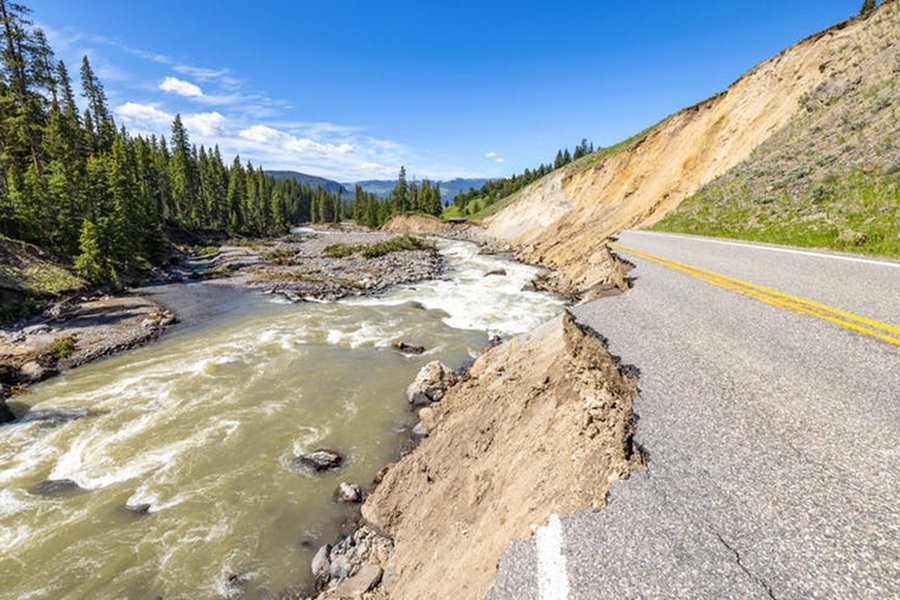
Intensified precipitation events linked to climate change increase the risk and severity of river flooding.
Flooding
Intense rainfall and rapid snowmelt contribute to riverine flooding. Warmer air holds more moisture, leading to heavier downpours when storms occur. Increased flood events damage infrastructure, displace communities, erode riverbanks, and flush large amounts of pollutants and sediment into waterways.
Droughts
Extended periods of low precipitation, often combined with high temperatures and increased evaporation, lead to meteorological and hydrological droughts. This results in drastically reduced river flows (low flows), intermittency (rivers ceasing to flow temporarily), and even complete drying in some cases. Droughts severely strain water resources for all uses and harm aquatic ecosystems.
Consequences for River Systems and Beyond
The changes driven by climate change ripple through river systems, affecting their physical characteristics, the life they support, and the human societies dependent on them.
Altered Flow Volume and Timing (Hydrograph Changes)
The most direct impact is on the hydrograph – the pattern of river flow over time.
Magnitude of Flows
Studies show significant changes in the magnitude of low, mean, and high flows globally, directly linked to anthropogenic climate influence. Some rivers experience consistently higher flows (e.g., projected for Central Africa, South Asia, Arctic outflows), increasing flood potential. Others face stark reductions (e.g., projected for Patagonia, Mediterranean basin), leading to water scarcity. Global hydrological simulations indicate a clear increasing trend in overall global river discharge emerging around the year 2000, projected to become statistically "unusual" compared to natural variability by 2033 under high-emission scenarios.
Seasonality Shifts
Climate change is altering the natural seasonal rhythm of river flows. Research highlights a reduction in flow seasonality, particularly at high northern latitudes (>50°N), due to earlier snowmelt and changing rainfall patterns. This means less pronounced differences between high-flow and low-flow seasons, potentially reducing water availability during summer when demand peaks and ecosystems are most vulnerable. The timing of peak spring streamflow is shifting earlier in many snowmelt-dominated basins.
Water Quality Degradation
Changes in flow volume and temperature significantly impact water quality.
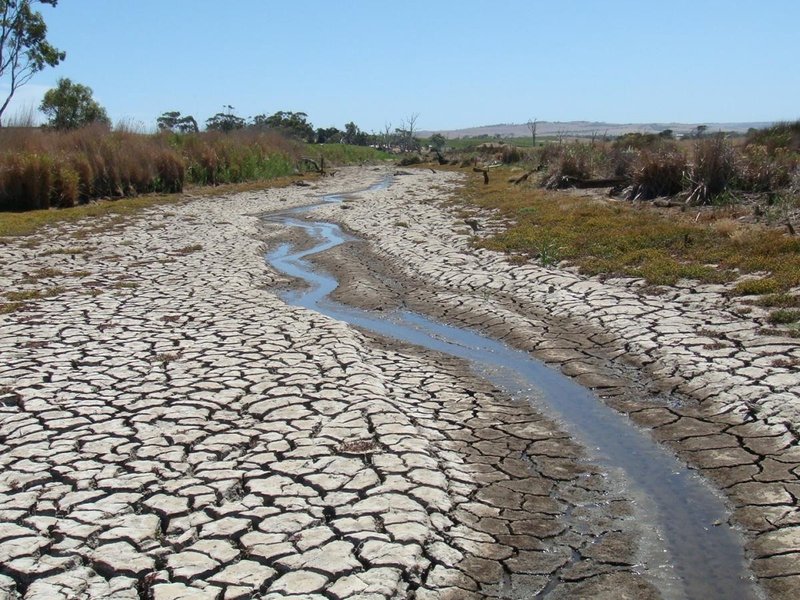
Extreme weather events and altered flows contribute to declining river water quality globally.
Pollutant Concentration
During periods of low flow (droughts), there is less water to dilute pollutants from agriculture, industry, and urban runoff. This leads to higher concentrations of contaminants, nutrients, and sediments, harming aquatic life and potentially rendering water unsafe for human use without extensive treatment.
Increased Runoff Pollution
Conversely, intense rainfall and flooding wash larger amounts of pollutants (pesticides, fertilizers, heavy metals, sewage) and sediment from the land into rivers. This sudden influx can overwhelm ecosystems, cause fish kills, and contaminate drinking water sources downstream.
Temperature Effects
As mentioned, warmer water holds less dissolved oxygen. Low oxygen levels (hypoxia) stress or kill fish and other aquatic organisms. Warmer temperatures can also favor the growth of certain pathogens and harmful algae.
Saltwater Intrusion
In coastal areas, rising sea levels combined with reduced river flows allow saltwater to penetrate further upstream into rivers and adjacent groundwater aquifers. This contaminates freshwater supplies used for drinking water and agriculture.
Ecosystem Impacts
River ecosystems are finely tuned to historical flow regimes and water quality. Climate change disruptions have profound ecological consequences.
Habitat Alteration
Changes in flow volume, velocity, and timing alter physical habitats. Reduced flows can disconnect side channels and wetlands, crucial nursery areas for fish. Increased floods can scour riverbeds and destroy riparian vegetation. Warmer waters alter the suitability of habitats for cold-water species like trout and salmon.
Biodiversity Loss
Species unable to adapt to changing temperatures, flow patterns, or water quality face decline or local extinction. Spawning cues for fish, often linked to specific flows or temperatures, can be disrupted. Reduced flows and intermittency eliminate habitat for many aquatic insects, a foundational part of the river food web.
Socioeconomic Consequences
Human societies rely heavily on rivers, and alterations in flow regimes have significant economic and social costs.
Water Supply Stress
Reduced flows and shifting seasonality threaten water supplies for drinking, agriculture (irrigation), and industry. Many communities, particularly in arid and semi-arid regions, face shrinking water availability.
Energy Production
Hydropower generation depends on consistent river flows. Both reduced flows and extreme floods can disrupt operations and decrease energy output.
Infrastructure Damage
Increased flooding poses a major threat to infrastructure, including homes, businesses, roads, bridges, and water treatment plants. Droughts can also damage infrastructure, for example, through land subsidence.
Navigation
Low water levels can impede river navigation, affecting commerce and transportation in regions reliant on waterways like the Mississippi River.
Visualizing the Interconnections: A Mindmap of Impacts
The relationship between climate change and river flows involves a complex web of causes and effects. This mindmap illustrates the key pathways through which climate change influences river systems and the resulting consequences.
Regional Variability: A Global but Uneven Impact
While climate change is a global phenomenon, its impacts on river flows vary significantly by region, depending on local climate conditions, geography, and existing water management practices. The following table summarizes observed and projected trends in key regions based on synthesized information:
| Region | Projected Flow Trend | Key Changes & Concerns | Dominant Climate Drivers |
|---|---|---|---|
| Arctic & High Latitudes (>50°N) | Increase | Reduced seasonality, earlier spring peak flow, increased winter flows, thawing permafrost impacts. | Warming temperatures (snow/ice melt), changing precipitation patterns. |
| Central Africa | Strong Increase | Significantly increased flood risk, potential impacts on large river basins (e.g., Congo). | Intensified rainfall events. |
| South Asia | Increase | Increased monsoon intensity, higher flood risk (e.g., Ganges, Brahmaputra), glacial melt contribution changes. | Changes in monsoon dynamics, intensified rainfall, glacial melt. |
| Mediterranean Basin | Significant Decrease | Increased water scarcity, more frequent/severe droughts, major impacts on agriculture and ecosystems (e.g., potential 41% flow reduction into the sea in extreme scenarios). | Reduced precipitation, increased temperatures and evaporation. |
| Patagonia (Southern South America) | Decrease | Reduced water availability from Andean rivers. | Changes in precipitation patterns. |
| North America (Variable) | Variable | West: Reduced snowpack, earlier melt, increased drought stress (e.g., Colorado River). Midwest/Northeast: Potential for increased heavy precipitation, flooding. Coastal: Sea level rise, saltwater intrusion. | Warming temperatures, shifting precipitation (intensity/timing), sea level rise. |
| Europe (Variable) | Variable | North: Potential increase, altered seasonality. South: Increased drought, reduced flow (similar to Mediterranean). Central/West: Shifts in flood timing, potential increase in low flows/intermittency. | Warming temperatures, complex changes in atmospheric circulation affecting precipitation. |
Relative Intensity of Climate Impacts on River Flows by Region
Climate change impacts manifest differently across the globe. This radar chart provides a conceptual overview of the relative intensity of various impacts on river flows in selected regions, based on the synthesized scientific understanding. A higher score indicates a more pronounced impact or concern for that specific factor within the region compared to others shown. Note that this is an illustrative representation based on general trends and projections, not precise quantitative data.
Expert Insights: Managing River Flows Under Climate Change
Understanding the complex interactions between climate change and river systems is essential for developing effective management and adaptation strategies. This video provides insights into how river managers approach these challenges, considering projections and observed changes.
The presentation likely discusses hydrological modeling, scenario planning, and the importance of integrating climate projections into water resource management. Key considerations often include infrastructure resilience (e.g., dams, levees), water allocation policies, ecosystem restoration (e.g., wetlands for flood buffering), and improved monitoring networks to track changes in flow, temperature, and quality.
Frequently Asked Questions (FAQ)
How certain are scientists about climate change causing these river flow changes?
There is strong scientific consensus, supported by decades of observational data and climate modeling, that human-caused climate change is a primary driver of the observed alterations in global temperature and precipitation patterns. Studies specifically analyzing river flow data have successfully detected the "fingerprint" of anthropogenic climate change, distinguishing its effects from natural variability. While natural cycles always influence rivers, the current trends and extremes align with projections of climate change impacts.
Are all rivers affected in the same way?
No, the impacts are highly variable depending on region, river size, source water (rain-fed, snowmelt-fed, glacier-fed), and local human modifications (dams, land use). Some regions see increased flows and flooding (e.g., Central Africa, parts of Asia), while others experience significant drying and water scarcity (e.g., Mediterranean, US Southwest). Seasonality shifts are most pronounced in snow-dominated systems. Even within a single large river basin, upstream and downstream areas can experience different effects.
Can we reverse these changes to river flows?
Reversing the changes entirely would require stabilizing the global climate, which involves significant reductions in greenhouse gas emissions globally. While mitigation efforts are crucial to prevent worsening impacts, some level of change is already locked in due to past emissions. Therefore, adaptation strategies are essential. These include improving water management, upgrading infrastructure, restoring ecosystems (like wetlands and floodplains) to buffer impacts, implementing water conservation measures, and developing drought and flood early warning systems.
How do changes in river flow affect aquatic life?
Aquatic life is profoundly affected. Warmer water holds less oxygen, stressing fish like trout and salmon. Altered flow timing disrupts spawning cues and migration patterns. Lower flows reduce available habitat, concentrate pollutants, and can lead to rivers drying up completely in sections. Increased floods can scour riverbeds, destroy habitats, and wash away organisms. Changes in water quality, including pollution and salinity, further harm aquatic plants and animals, potentially leading to shifts in species composition and biodiversity loss.
Recommended Reading
- Explore the specific impacts of climate change on the heavily stressed Colorado River basin.
- Investigate how climate change influences groundwater levels and their interaction with river baseflows.
- Learn about the adaptation strategies communities are implementing to manage flood risks and water scarcity due to climate change.
- Understand the different ways climate change impacts rivers primarily fed by rainfall versus those reliant on snowmelt.
References
Last updated May 4, 2025