
Rivers Under Pressure: How a Changing Climate is Reshaping Our Waterways
Explore the profound and accelerating impacts of climate shifts on river hydrology, quality, ecosystems, and human reliance.
Key Insights: Climate's Grip on Rivers
- Flow Under Stress: Climate change drastically alters river flows, leading to both more intense flooding and prolonged, severe droughts, disrupting water availability and natural cycles.
- Quality in Decline: Rising temperatures and altered precipitation patterns degrade water quality by concentrating pollutants, reducing oxygen, and promoting harmful algal blooms.
- Ecosystems at Risk: Changes in temperature, flow, and water quality put immense pressure on aquatic life, leading to habitat loss, biodiversity decline, and shifts in species distribution.
The Unfolding Crisis: Understanding Climate Change's Influence on Rivers
Rivers, the lifeblood of continents, are facing unprecedented challenges due to the rapidly changing global climate. As temperatures rise and weather patterns become more erratic, the fundamental characteristics of river systems are being altered. These changes ripple outwards, affecting everything from the microscopic organisms within the water to the vast human populations and industries that depend on these vital resources. Understanding these impacts, observed and projected as of 2025, is crucial for navigating the future of water management and ecological preservation.
Altered Hydrology: The Ebb and Flow Disrupted
Climate change significantly disrupts the natural rhythm of river hydrology – the timing, volume, and variability of water flow. This manifests in several critical ways:
Shifting Precipitation Patterns
Global warming is altering where, when, and how precipitation falls. Some regions are experiencing more intense rainfall events concentrated over shorter periods, overwhelming river systems and leading to increased flood frequency and severity. Conversely, other areas face longer and more intense droughts due to reduced overall precipitation or shifts in seasonal rainfall patterns. This variability makes water resource management incredibly complex.
The Impact of Melting Snow and Ice
Rivers fed by glaciers and snowpack, particularly in mountainous and Arctic regions, are acutely sensitive to rising temperatures. Accelerated melting causes earlier and sometimes larger spring peak flows, followed by significantly reduced flows during late summer and autumn when water is often most needed. This shift disrupts ecosystems adapted to historical patterns and threatens water supplies for downstream users.
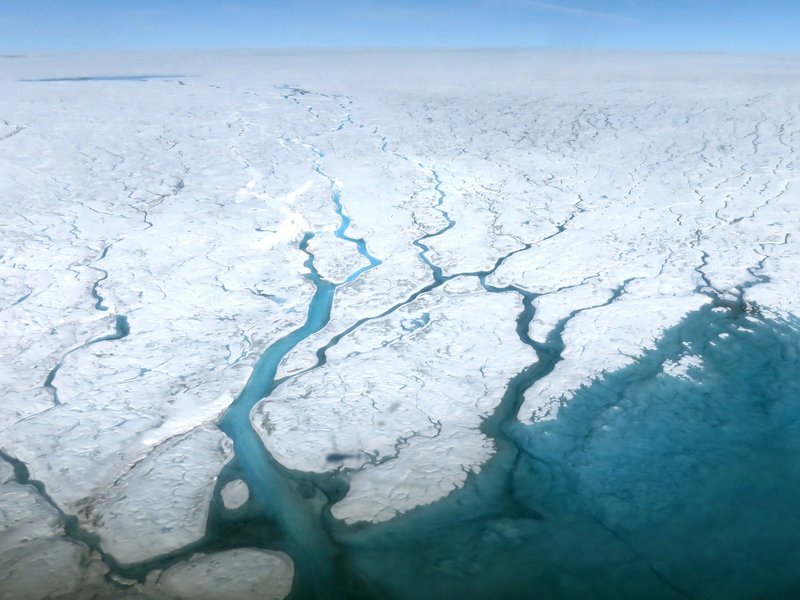
Meltwater rivers carving channels across the Greenland ice sheet illustrate the dramatic impact of warming temperatures on frozen water reserves, contributing significantly to river flow changes and sea-level rise.
Increased Extremes: Floods and Droughts
Climate change intensifies the water cycle, leading to a higher frequency and magnitude of both floods and droughts. Warmer air holds more moisture, fueling more powerful storms and "atmospheric rivers" that can cause catastrophic flooding. Simultaneously, higher temperatures increase evaporation rates from soil and water bodies, exacerbating drought conditions, reducing river base flows, and depleting groundwater reserves. The consequences include damage to infrastructure, agricultural losses, and threats to public safety.
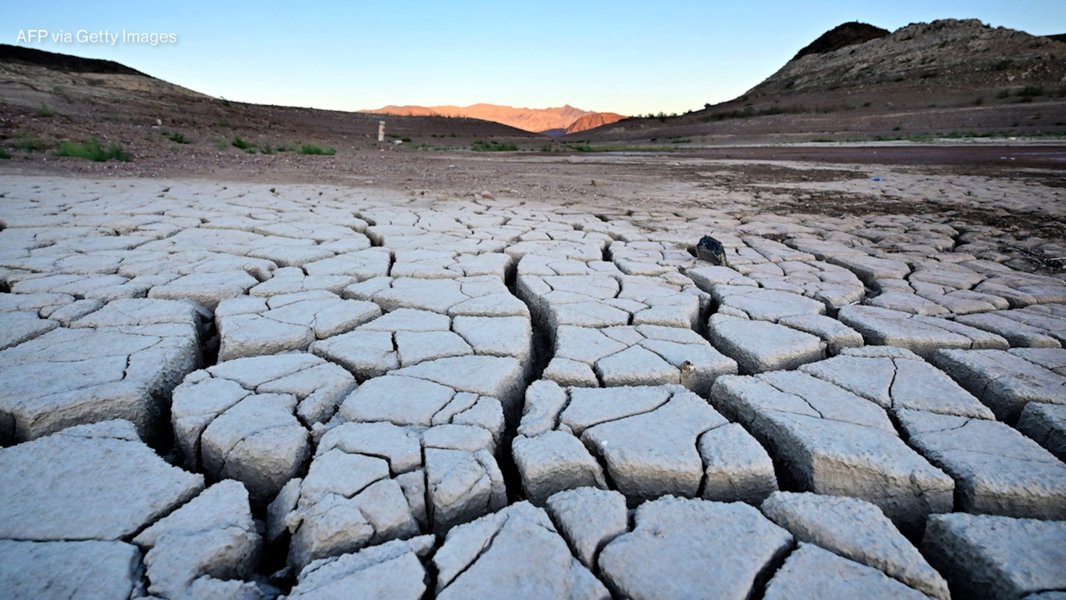
Severe drought conditions, intensified by climate change, lead to dramatically low river levels and dry riverbeds, impacting water availability across North America and other regions.
Water Quality Under Threat
The quality of river water is deteriorating under the influence of climate change through multiple pathways:
Concentration of Pollutants
During periods of drought and low flow, there is less water available to dilute pollutants entering rivers from sources like agricultural runoff, industrial discharge, and urban wastewater. This leads to higher concentrations of contaminants, nutrients, and sediments, making the water potentially unsafe for drinking, recreation, and aquatic life. Studies indicate water quality worsens in a majority of cases during droughts and heatwaves.
Rising Water Temperatures
As air temperatures rise, so do river water temperatures. Warmer water holds less dissolved oxygen, which is essential for fish and other aquatic organisms. Many cold-water species, like trout and salmon, are particularly vulnerable. Higher temperatures can also accelerate chemical reactions and promote the growth of harmful algal blooms and waterborne pathogens, further degrading water quality and posing risks to human and animal health.
Impacts of Extreme Rainfall and Flooding
Intense rainfall and subsequent flooding wash large amounts of pollutants into rivers. This includes sediments, fertilizers, pesticides, heavy metals, bacteria from overwhelmed sewage systems, and general debris from urban and agricultural landscapes. While floods eventually recede, the influx of contaminants can have lasting negative effects on water quality and river ecosystems.
Ecological Disruption and Biodiversity Loss
River ecosystems are finely tuned to specific flow regimes and water quality conditions. Climate change disrupts this balance, leading to significant ecological consequences:
Habitat Alteration and Loss
Changes in flow patterns, increased sedimentation from floods, and altered water temperatures directly modify or destroy aquatic habitats. Spawning grounds for fish may be washed away or become unsuitable due to temperature changes or low oxygen. Reduced flows can disconnect critical floodplain habitats, while altered sediment loads can smother riverbed habitats.
Stress on Aquatic Species
Fish, invertebrates, and aquatic plants face thermal stress from warming waters and physiological challenges from reduced dissolved oxygen. Changes in the timing of peak flows can disrupt migration and reproduction cues. Species unable to adapt or migrate to more suitable conditions face decline or local extinction, potentially leading to significant shifts in the food web and overall biodiversity loss. The fishing industry, reliant on healthy river ecosystems, faces substantial threats.
Riparian Zone Impacts
The vegetation along riverbanks (riparian zones) is also affected by changing water levels and temperatures. Droughts can stress or kill riparian plants that rely on proximity to water, reducing bank stability and shade cover over the river (which further exacerbates warming). Floods can erode banks and wash away vegetation. These changes negatively impact habitat quality for both aquatic and terrestrial species relying on the river corridor.
Visualizing Climate Impacts on River Systems
The multifaceted impacts of climate change on rivers can be challenging to grasp. The following chart provides a conceptual comparison of the relative severity of different climate-driven impacts on river systems, reflecting current understanding in 2025 and potential future trends. It highlights how various pressures like flow alteration, quality degradation, ecosystem disruption, and extreme events are intensifying.
Geomorphological Changes: Reshaping River Landscapes
Climate change is also altering the physical shape and structure of rivers and their valleys:
Altered Sediment Dynamics
Changes in flow regimes (intensity and frequency of floods and droughts) affect how rivers erode, transport, and deposit sediment. Increased flooding can lead to greater bank erosion and channel widening, while reduced flows might cause sediment to accumulate and clog channels. These changes impact navigation, infrastructure stability (bridges, levees), and aquatic habitats. Studies in Arctic watersheds, for example, show significant changes in river channels linked to climate warming's effect on sediment movement.
Channel Migration and Avulsion
In some cases, extreme events or long-term shifts in flow and sediment load can cause rivers to change course more rapidly or dramatically than under stable climate conditions. Some global river systems are observed changing by as much as 5-10% per year, indicating rapid adjustments. A particularly striking phenomenon is 'river piracy,' where meltwater from glaciers or altered drainage patterns causes one river to capture the flow of another, as observed in parts of Canada.
Mindmap of Climate Impacts on Rivers
This mindmap provides a structured overview of the interconnected ways climate change affects river systems, branching from core categories to specific phenomena and consequences.
Case Studies: Rivers on the Front Lines
The impacts of climate change are not uniform; specific rivers and regions face unique challenges. The table below highlights examples mentioned in recent reports, illustrating the diverse ways climate change is affecting key river systems.
| River System | Region | Primary Climate Impacts Noted |
|---|---|---|
| Mississippi River | USA (Midwest/South) | Designated "most endangered" for 2025 due to increasing flood threats driven by climate change and concerns over federal resources for mitigation. |
| Rio Grande | USA (Southwest) / Mexico | Experiencing significant impacts from drought, leading to water allocation challenges and interstate commission discussions. |
| Sacramento River | USA (California) | Concerns that proposed water storage projects (reservoirs) could harm the ecosystem, worsen water loss in a warming climate, and potentially contribute to greenhouse gas emissions (methane). |
| Arctic Rivers | Arctic Watersheds (Global) | Undergoing changes in channel structure due to altered sediment erosion and deposition patterns linked to warming. Disruption of seasonal flow patterns threatens water security. Potential changes to pollutant transport via ocean currents (Transpolar Drift). |
| Los Angeles River | USA (California) | Long-term restoration projects face potential setbacks due to the region's increasingly drier climate and heightened wildfire risk, both linked to climate change. |
Socioeconomic Consequences: Beyond the Riverbanks
Changes in rivers have far-reaching consequences for human societies:
Water Security and Supply
Reduced and more erratic river flows jeopardize water supplies for drinking, sanitation, agriculture (irrigation), and industry. Hydropower generation can also be impacted by inconsistent flows. Conflicts over diminishing water resources may intensify.
Infrastructure and Economic Impacts
Increased flooding damages homes, businesses, roads, bridges, and levees, leading to high recovery costs. Droughts impact agriculture, leading to crop failures and economic hardship. Industries reliant on river water for cooling or processes face operational challenges. The fishing and river-based tourism industries are particularly vulnerable to warming waters and ecosystem decline, affecting local economies significantly.
This video discusses how warming river temperatures across the U.S. and Europe are directly impacting fish populations and, consequently, the fishing tourism industry, illustrating a direct economic consequence of climate change on river ecosystems.
Human Health
Water scarcity during droughts can impact hygiene and sanitation. Degraded water quality increases the risk of exposure to waterborne diseases and toxins from algal blooms. Extreme heat associated with drought conditions also poses direct health risks.
Frequently Asked Questions (FAQ)
How does climate change affect river water levels?
Climate change impacts river levels in complex ways. Increased evaporation due to higher temperatures and prolonged droughts can significantly lower water levels and reduce overall flow. Conversely, more intense rainfall events and accelerated snow/glacier melt can lead to higher peak flows and increased flood risk. So, climate change makes river levels more extreme – both lower lows during droughts and higher highs during floods.
Why does river water quality get worse with climate change?
Several factors contribute to declining water quality. Lower flows during droughts mean less water is available to dilute pollutants, leading to higher concentrations. Warmer water holds less dissolved oxygen, stressing aquatic life, and can promote the growth of harmful algal blooms and bacteria. Intense storms and floods wash more pollutants (sediments, nutrients, chemicals, pathogens) from the surrounding land into rivers.
Are both floods and droughts increasing because of climate change?
Yes, paradoxically, climate change can lead to an increase in both the frequency and intensity of floods and droughts, often in the same regions but at different times. A warmer atmosphere holds more moisture, which can lead to heavier downpours and flooding when storms occur. Higher temperatures also increase evaporation from land and water, leading to drier conditions and more severe droughts between rainfall events. This intensifies the natural water cycle, resulting in more extreme wet and dry periods.
What are the main consequences for animals and plants living in rivers?
Aquatic life faces multiple threats. Rising water temperatures reduce dissolved oxygen, causing thermal stress, especially for cold-water species like trout and salmon. Altered flow patterns can disrupt migration, spawning cycles, and access to habitats. Increased sedimentation can smother riverbed habitats, while pollutants can be directly toxic. These factors lead to habitat loss, shifts in species ranges, reduced biodiversity, and potential local extinctions.
How do changes in rivers impact human communities?
Human communities are heavily impacted. Reduced water availability affects drinking water supplies, agriculture (irrigation), and energy production (hydropower, cooling for power plants). Increased flooding damages property and infrastructure, posing safety risks. Water quality degradation can impact public health and increase water treatment costs. Economic sectors like fishing, recreation, and tourism suffer from ecosystem decline and altered river conditions. Climate change impacts on rivers exacerbate existing vulnerabilities and create new challenges for water management and community resilience.
References
- Rivers and Climate Change - American Rivers
- How Climate Change is Impacting U.S. River Systems - NEEF USA
- Arctic river channels are changing due to climate change, scientists discover - Stanford University
- Global river water quality under climate change and hydroclimatic extremes - Nature Reviews Earth & Environment
- Rising water temperatures in rivers: Causes, effects, and prospects for policy and practice - Wiley Online Library
- Climate Change Indicators: River Flooding - EPA
- Why was the Mississippi River named most endangered river of 2025? - Milwaukee Journal Sentinel
Recommended
Last updated April 25, 2025