
Rivers Under Pressure: How Our Changing Climate is Reshaping Waterways
Explore the profound and diverse effects of climate shifts on river hydrology, ecosystems, and the communities relying on them.
Rivers, the vital arteries of our planet, are facing unprecedented challenges due to the ongoing changes in global climate patterns. These dynamic ecosystems, crucial for biodiversity, human water supply, agriculture, and industry, are highly sensitive to shifts in temperature and precipitation. As our climate continues to evolve, the impacts on river systems are becoming increasingly evident and complex, affecting everything from water flow and quality to the survival of aquatic species and the stability of human communities.
Key Impacts at a Glance
- Altered Flow Regimes: Climate change disrupts natural river flow patterns, leading to more frequent and severe droughts in some regions and catastrophic floods in others, threatening water security and infrastructure.
- Warming Waters: Rising air temperatures translate to warmer river waters, stressing coldwater fish species, promoting harmful algal blooms, and reducing dissolved oxygen levels critical for aquatic life.
- Degrading Water Quality: Reduced flows concentrate pollutants during droughts, while intense storms wash more contaminants into rivers, compromising water safety for both ecosystems and human use.
Unpacking the Impacts: A Deeper Dive
The influence of climate change on rivers is not uniform; it manifests in various interconnected ways, often exacerbating existing pressures like pollution and habitat modification. Understanding these specific impacts is crucial for developing effective adaptation and mitigation strategies.
Shifting Hydrology: The Ebb and Flow of Change
Climate change fundamentally alters the water cycle, leading to significant shifts in how water moves through river systems.
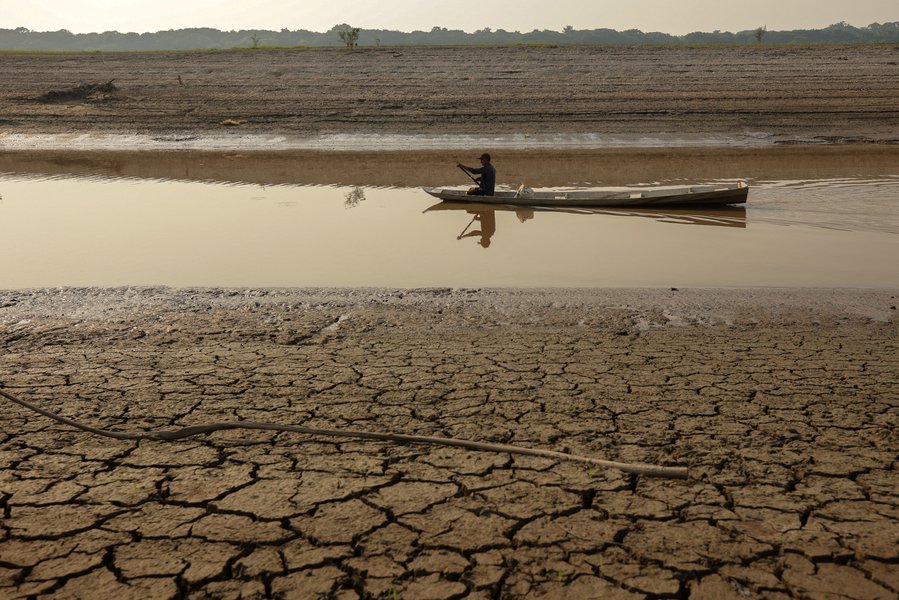
A view of the dried bed of the Negro River, a tributary of the Amazon, highlighting severe drought conditions linked to climate change.
Changes in Precipitation Patterns
Global warming modifies the timing, intensity, and type of precipitation. Some areas experience more intense rainfall events because a warmer atmosphere can hold more moisture. This leads to increased runoff and a higher risk of severe flooding, which can damage infrastructure, erode riverbanks, and degrade habitats. Conversely, other regions face prolonged dry spells and reduced overall rainfall.
Increased Drought Frequency and Severity
Rising temperatures enhance evaporation from soil and water bodies, exacerbating drought conditions even when rainfall deficits are not extreme. Lower river flows during droughts reduce the amount of water available for drinking, irrigation, and industrial use. Furthermore, diminished flows mean pollutants become more concentrated, intensifying water quality issues.
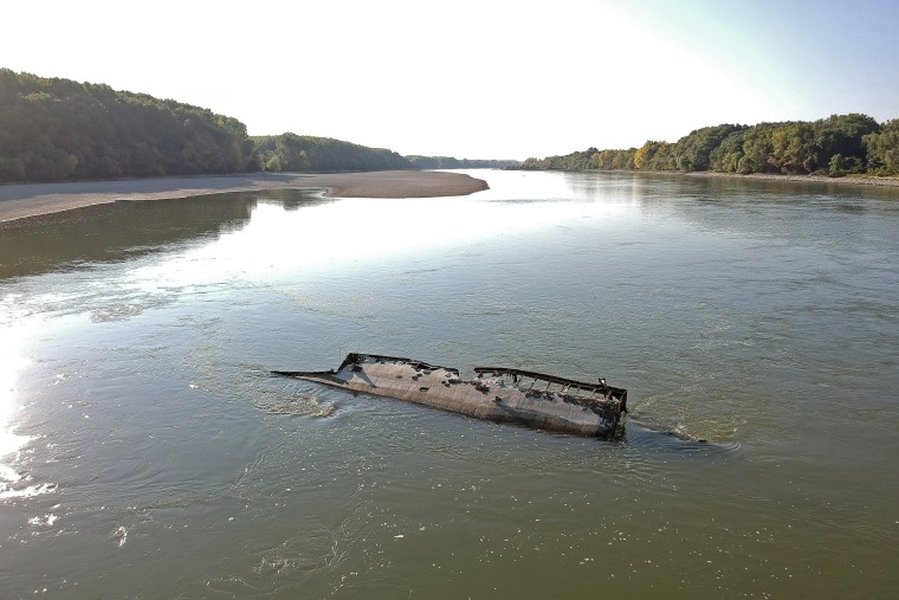
Low water levels in the Danube River reveal historical artifacts, underscoring the severity of recent droughts.
More Intense Flooding
The increased capacity of a warmer atmosphere to hold water vapor fuels more extreme precipitation events. When this moisture is released, it can result in intense downpours that overwhelm river channels and floodplains, leading to devastating floods. These floods not only pose risks to human life and property but also scour riverbeds, destroy riparian vegetation, and flush large amounts of sediment and pollutants downstream.
Disrupted Seasonal Flows
In regions reliant on snowmelt, warmer winters mean less precipitation falls as snow and more as rain. Snowpacks melt earlier and faster, leading to higher winter or spring flows and reduced summer flows when water demand is often highest. This shift disrupts traditional water management practices and stresses ecosystems adapted to historical flow patterns, particularly evident in northern latitudes and mountainous regions.
Rising Water Temperatures: A Thermal Challenge
Increasing air temperatures inevitably lead to warmer river waters, creating a cascade of ecological consequences.
Direct Impacts on Aquatic Life
Many aquatic species, particularly coldwater fish like salmon and trout, have narrow thermal tolerance ranges. As river temperatures rise, these species face thermal stress, reduced growth rates, lower reproductive success, and increased susceptibility to diseases and predation. They may be forced to migrate to cooler headwaters, if available and accessible, leading to population declines and shifts in species composition.
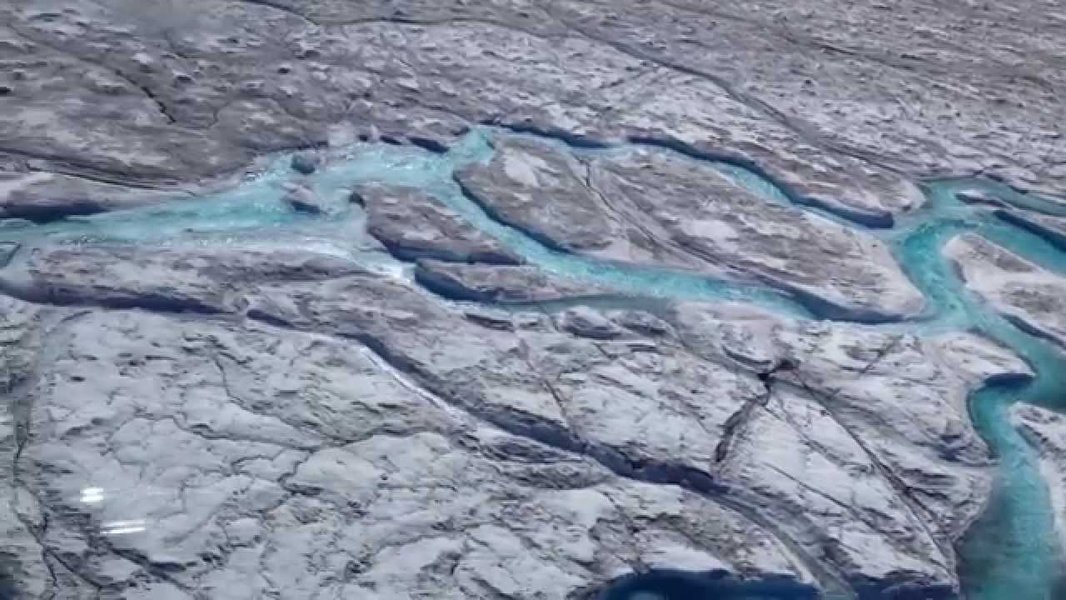
Glacial meltwater, like this river on the Greenland ice sheet, contributes significantly to river flow in some regions, but changing melt patterns due to warming affect river temperatures and volumes.
Reduced Dissolved Oxygen
Warmer water holds less dissolved oxygen, which is essential for the survival of fish, insects, and other aquatic organisms. Low oxygen levels (hypoxia) can create "dead zones" where aquatic life cannot survive, further shrinking available habitat.
Exacerbation of Eutrophication
Higher water temperatures can accelerate the growth of algae, particularly when combined with excess nutrient runoff (nitrogen and phosphorus) from agriculture and urban areas. This can lead to harmful algal blooms (HABs) that deplete oxygen when they decompose, produce toxins harmful to aquatic life and humans, and degrade water quality.
Water Quality Under Threat
Climate change acts as a threat multiplier for water quality issues in rivers.
Concentration of Pollutants
During droughts and periods of low flow, there is less water available to dilute pollutants entering rivers from wastewater treatment plants, industrial discharges, and agricultural runoff. This results in higher concentrations of contaminants, potentially rendering the water unsafe for drinking, recreation, or supporting aquatic life.
Increased Runoff from Extreme Storms
Intense rainfall events increase surface runoff, washing larger amounts of sediment, nutrients (like nitrogen and phosphorus), pesticides, heavy metals, pathogens, and trash from urban and agricultural landscapes into rivers. This non-point source pollution degrades water quality, harms aquatic organisms, and increases water treatment costs.
Saltwater Intrusion
In coastal areas, rising sea levels driven by climate change can push saltwater further upstream into estuaries and tidal rivers. This saltwater intrusion contaminates freshwater sources used for drinking water and irrigation and alters habitats critical for many freshwater and brackish water species.
Visualizing the Interconnected Impacts
Understanding the complex web of climate change effects on rivers can be aided by visual tools. The following mindmap illustrates the primary drivers and consequences discussed.
This mindmap shows how changes in hydrology and temperature directly affect water quality and ecosystems, leading to broader societal impacts.
Assessing the Severity of Impacts
The severity of different climate change impacts can vary depending on the type of river system and regional climate patterns. The radar chart below provides a conceptual visualization of the relative intensity of key impacts across different hypothetical river types, based on current understanding. Scores range from 3 (moderate impact) to 10 (severe impact).
This chart illustrates that while all river types face significant challenges, the specific profile of impacts differs. For instance, mountain rivers are highly sensitive to seasonal flow disruptions due to changing snowmelt, while arid region rivers face extreme pressure from rising temperatures and drought.
Ecological Consequences and Biodiversity Loss
The cumulative effects of altered hydrology, warming waters, and declining quality create profound stress on river ecosystems.
Habitat Fragmentation and Loss
Low flows can disconnect main river channels from tributaries and floodplain habitats, fragmenting populations and limiting access to critical spawning or feeding areas. Conversely, extreme floods can scour riverbeds and banks, destroying existing habitats. Warming waters shrink the suitable thermal habitat for sensitive species.
Species Range Shifts and Extirpation
As conditions change, species attempt to adapt or move. Mobile species may shift their ranges upstream or towards higher latitudes to find suitable temperatures and flows. However, species with limited dispersal ability or those facing physical barriers (like dams) may be unable to relocate, leading to local extinctions (extirpation) and overall biodiversity loss. Coldwater fish are particularly vulnerable.
Disruption of Ecosystem Functions
Changes in flow, temperature, and water quality disrupt fundamental ecosystem processes like nutrient cycling, decomposition, and primary production. Food webs can be altered as certain species decline while others, potentially including invasive species better adapted to the new conditions, thrive. These disruptions can reduce the overall health, resilience, and stability of the river ecosystem.
Societal Impacts and Management Challenges
The changes occurring in river systems have direct and significant consequences for human societies.
Threats to Water Security
Altered river flows directly impact the reliability of water supplies for drinking, agriculture (irrigation), and industry. Reduced summer flows and prolonged droughts strain water resources, potentially leading to water use restrictions and conflicts. Changes in flow also affect hydropower generation potential.
Increased Flood Risks to Communities
More frequent and intense flooding poses significant risks to communities located near rivers, potentially causing loss of life, damage to homes and infrastructure (roads, bridges, treatment plants), and economic disruption. Flood management strategies need to be adapted to account for these increasing risks.
Economic Repercussions
Impacts on fisheries (due to warming waters and habitat loss), agriculture (due to water scarcity), and recreation/tourism (due to low flows or poor water quality) can have significant economic consequences for communities dependent on river resources.
Need for Adaptive Management
Managing river systems effectively in the face of climate change requires adaptive strategies. This includes investing in water-efficient technologies, restoring riparian buffers and wetlands to improve resilience, updating infrastructure design standards, improving stormwater management, and implementing water conservation measures.
A Global Perspective: Understanding River Impacts
The video below from CBS News provides insights into how rivers across America are being affected by pollution and climate change, highlighting the interconnectedness of environmental health and community well-being.
This journey along an American river underscores the widespread nature of the challenges. From pollution legacies to the intensifying impacts of climate-driven droughts and floods, the health of river systems is intrinsically linked to human activities and the changing global environment.
Summary of Climate Change Impacts on Rivers
The following table summarizes the key categories of climate change impacts on river systems discussed throughout this overview:
| Impact Category | Key Manifestations | Primary Consequences |
|---|---|---|
| Hydrology | Altered precipitation (intensity, type, timing), increased evaporation, changes in snowmelt | More frequent/severe droughts, more intense floods, shifts in seasonal flow patterns, reduced overall water availability in some regions |
| Water Temperature | Rising air temperatures, reduced shading, altered flows | Increased water temperatures, thermal stress on aquatic life (especially coldwater species), reduced dissolved oxygen, contribution to algal blooms |
| Water Quality | Lower dilution during droughts, increased pollutant runoff during storms, saltwater intrusion (coastal) | Higher concentrations of pollutants, increased sediment and nutrient loads, proliferation of pathogens and algal blooms, contamination of freshwater sources |
| Ecology & Biodiversity | Habitat loss/fragmentation due to flow/temperature changes, altered food webs | Species range shifts, local extinctions (especially specialists), potential increase in invasive species, overall biodiversity loss, disruption of ecosystem services |
| Societal Impacts | Impacts on water availability, increased hazard exposure, economic effects | Threats to drinking water and agricultural supply, reduced hydropower potential, increased flood damage to infrastructure and communities, impacts on fisheries, recreation, and tourism |
Frequently Asked Questions (FAQ)
References
-
Impact of climate change on the river ecosystem - ScienceDirect
- Increasing Risk of Ecological Change to Major Rivers of the World With ... - AGU Publications
- Rising water temperature in rivers: Ecological impacts and future ... - Wiley Online Library
- The Impacts of Climate Change on Rivers - American Rivers
- Climate Change Is Hurting the Water Quality of Rivers, According to New Study - University of Maryland CMNS
- Climate Implications - Lakes, Rivers and Streams - Indiana University Environmental Resilience Institute
Recommended Reading
Last updated April 25, 2025