
India's Lifelines Under Pressure: How Climate Change is Reshaping Rivers
Unpredictable flows, extreme events, and stressed ecosystems mark a new reality for the nation's vital waterways.
Key Insights: The Shifting Nature of India's Rivers
- Altered Hydrology: Climate change is disrupting traditional monsoon patterns and accelerating Himalayan glacier melt, leading to unpredictable river flows, impacting water availability across different regions.
- Increased Extremes: India faces a dual threat of more intense flooding, particularly in basins like the Ganga and Brahmaputra, alongside prolonged droughts and water scarcity in other areas.
- Ecological Strain: Rising river water temperatures are reducing dissolved oxygen levels, threatening aquatic life, impacting fisheries, and diminishing the self-purification capacity of rivers.
The Climate Challenge: An Overview of Impacts
Climate change presents a profound and multifaceted challenge to India's river systems. These waterways, crucial for agriculture, drinking water, industry, and ecosystems supporting millions, are experiencing significant alterations due to shifts in global and regional climate patterns. The impacts are varied, affecting water quantity, quality, seasonal timing, and the frequency of extreme events like floods and droughts.
Disrupted Rhythms: Changes in River Flow and Hydrology
The very pulse of India's rivers – their flow and seasonal patterns – is being altered by climate change.
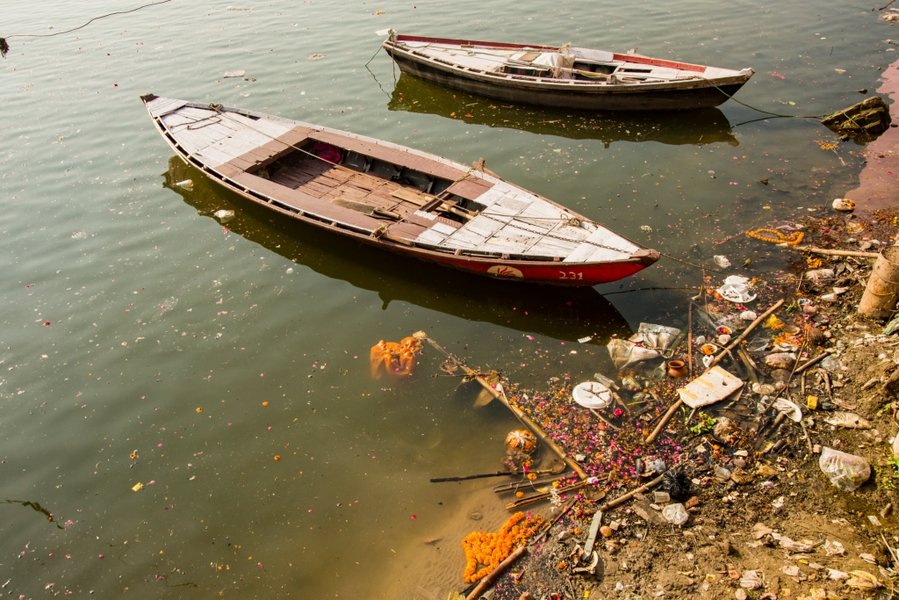
The vast Ganges river basin, vital for millions, is experiencing significant hydrological shifts due to climate change.
Erratic Monsoons
The Indian monsoon, responsible for approximately 75% of the country's annual rainfall, is becoming increasingly unpredictable. Climate change contributes to erratic patterns, including delayed onsets, shorter durations with intense downpours, or extended dry periods. These shifts directly impact river discharge, leading to variability in water levels and availability throughout the year.
The Himalayan Factor: Melting Glaciers
Major North Indian rivers like the Ganga, Brahmaputra, and Indus originate in the Himalayas and rely heavily on snow and glacial meltwater, especially during the dry summer months. Rising global temperatures are causing Himalayan glaciers to retreat at an alarming rate. While this initially leads to increased river flow in spring and summer due to accelerated melting, the long-term consequence is a reduction in this vital water source as glaciers shrink. There are concerns that this could eventually lead to significantly reduced flows or even rivers drying up during critical periods, impacting water security for vast populations.
Regional Runoff Variations
Climate models project significant regional differences in annual average river runoff. By mid-century, some wet tropical areas and high-latitude zones might see an increase in runoff by 10-40%. Conversely, drier regions, particularly at mid-latitudes, could experience decreases of 10-30%. This disparity will exacerbate regional water stress and availability issues.
Monitoring Challenges
Understanding and predicting these changes, especially in the vast and complex Himalayan region, is hampered by a lack of sufficient hydrological observatories. Enhanced monitoring is crucial for effective adaptation and water management strategies.
The Dual Threat: Intensifying Floods and Droughts
Climate change is amplifying the extremes of the water cycle in India, leading to more frequent and severe floods and droughts, often paradoxically affecting the same regions at different times.

Intensified monsoon rainfall, linked to climate change, increases flood risks in major river basins like the Ganges.
Escalating Flood Risks
The concentration of monsoon rainfall into shorter, more intense bursts increases the risk of riverine flooding. Basins like the Ganga and Brahmaputra are inherently flood-prone, and climate change is exacerbating this vulnerability. States such as Uttar Pradesh, Bihar, West Bengal, and Assam are witnessing heightened flood risks, leading to significant damage to infrastructure, agriculture, and loss of life.
Deepening Drought Concerns
While some areas face excess water, others are projected to experience prolonged low-flow periods and droughts. Altered rainfall patterns and reduced non-monsoon flows (partly due to shrinking glaciers) contribute to water scarcity, putting immense pressure on water resources for drinking, agriculture, and industry. River basins like the Krishna and Mahanadi have already observed reductions in runoff, linked partly to climate variability.
Warming Waters, Struggling Ecosystems
Beyond water quantity, climate change is impacting the quality and ecological health of India's rivers.

Climate change can exacerbate water pollution issues in Indian rivers.
Rising River Temperatures
Studies confirm that Indian rivers, particularly tropical ones receiving high solar radiation, are warming. Projections under high-emission scenarios suggest significant increases in river water temperature (RWT) by the end of the century – potentially up to 7.3°C in the Ganga and 7.8°C in the Narmada during summer months.
Oxygen Depletion and Water Quality
Warmer water holds less dissolved oxygen (DO), which is essential for aquatic life. It's estimated that for every 1°C increase in RWT, DO saturation levels can decrease by about 2.3%. Projections indicate a potential 12% decrease in DO in the Ganga basin. Reduced DO, combined with altered flows that diminish the rivers' self-purification capacity, can lead to hostile environments for fish and other organisms. Lower flows can also concentrate pollutants, worsening water quality issues stemming from agricultural runoff, industrial discharge, and untreated sewage.
Impact Equation: Temperature and Dissolved Oxygen
The relationship between River Water Temperature (RWT) and Dissolved Oxygen (DO) saturation is critical:
\[ \Delta \text{DO}_{\text{saturation}} \approx -2.3\% \text{ per } +1^\circ\text{C } \Delta \text{RWT} \]This means even moderate warming can significantly impact the oxygen available for aquatic life.
Threats to Biodiversity and Fisheries
The combined stresses of warming waters, altered flows, and deteriorating water quality pose significant threats to freshwater biodiversity. Fish species distributions are changing, breeding cycles are disrupted, and endemic species are under pressure. Inland fisheries, a vital source of livelihood for many communities, are facing major impacts. For instance, reports indicate shifts in dominant fish species, with previously abundant catches declining significantly, impacting local economies and food sources.
Visualizing the Interconnected Impacts
Understanding the cascading effects of climate change on India's rivers requires seeing how different factors interact. The following mindmap illustrates the key pathways from climate drivers to riverine impacts and consequences.
(Erratic Monsoons)"] id1c["Glacier Retreat"] id2["Hydrological Changes"] id2a["Altered River Flow
(Volume & Timing)"] id2b["Runoff Variability
(Regional Differences)"] id2c["Reduced Glacial Meltwater
(Long-term)"] id3["Extreme Events"] id3a["Increased Flood Frequency
& Intensity"] id3b["Increased Drought
Frequency & Severity"] id4["Water Quality & Temperature"] id4a["Rising River Water Temp."] id4b["Decreased Dissolved Oxygen"] id4c["Reduced Self-Purification"] id4d["Increased Pollutant Concentration"] id5["Ecosystem Impacts"] id5a["Threats to Aquatic Biodiversity"] id5b["Habitat Degradation"] id5c["Impacts on Inland Fisheries"] id5d["Changes in Species Distribution"] id6["Socioeconomic Consequences"] id6a["Water Scarcity
(Agriculture, Drinking)"] id6b["Impacts on Livelihoods
(Farming, Fishing)"] id6c["Damage from Floods"] id6d["Challenges for Hydropower"] id6e["Impacts on Indigenous Communities"] id6f["Potential for Migration/Conflict"]
This mindmap shows how rising temperatures and changing rainfall directly influence river flow, temperature, and extreme events. These physical changes then cascade into ecological impacts on biodiversity and fisheries, ultimately leading to significant socioeconomic consequences for the millions dependent on these river systems.
Severity Assessment: Climate Impacts Across Domains
The impacts of climate change on Indian rivers are widespread but vary in their current and projected severity across different aspects. This radar chart provides a visual representation of the relative severity of key impact areas based on the synthesized information. Higher scores indicate greater severity or concern.
This chart highlights the high severity associated with alterations in river flow, increased flood risk, rising temperatures, biodiversity loss, and impacts on agriculture. While drought risk and dissolved oxygen decline are also significant concerns, hydropower reliability shows a slightly lower, though still notable, impact score in this representation. These relative severities underscore the comprehensive nature of the challenge.
Socioeconomic and Community Impacts
The changes occurring in India's rivers have profound consequences for society and the economy.
Impacts on Livelihoods
Agriculture and forestry, sectors highly sensitive to climate and water availability, support a large portion of India's population. Water scarcity due to altered river flows directly threatens crop yields and food security. Similarly, declining fish stocks impact the livelihoods of fishing communities.
Challenges for Indigenous Communities
Indigenous communities, often possessing deep traditional knowledge tied to stable environmental conditions, find their ways of life severely challenged. Erratic rains, shrinking forests, soil loss, and unpredictable river behaviour undermine traditional practices and resilience.
Infrastructure and Health Risks
Increased flooding damages homes, infrastructure (roads, bridges, dams), and contaminates water sources, increasing the risk of waterborne diseases. Water scarcity periods can also lead to health issues and put strain on water supply systems for drinking and sanitation.
Potential for Conflict and Migration
Growing water stress, particularly in transboundary river basins like the Indus, can exacerbate existing water-sharing disputes and potentially lead to tensions. In severe cases, environmental degradation and loss of livelihoods can contribute to migration.
Spotlight on Major River Basins
While impacts are widespread, specific major river basins face unique pressures:
Ganga Basin
Experiences significant hydrological shifts due to both erratic monsoons and glacial melt contributions. Faces high risks of increased flooding, potential future low flows, rising temperatures (projected +7.3°C), and DO decline (projected -12%). Water quality issues are likely to be exacerbated.
Brahmaputra Basin
Highly susceptible to increased flood intensity due to heavy monsoon rains and upstream factors. Changes in snowmelt patterns also affect its flow regime.
Indus Basin
Reliant on snow and glacial melt, facing long-term reductions in water availability as glaciers shrink. Climate-induced changes put pressure on water management and the Indus Water Treaty between India and Pakistan.
Summary of Key Climate Change Impacts on Indian Rivers
The following table summarizes the primary ways climate change is projected to affect India's river systems, highlighting the interconnected nature of these impacts.
| Impact Area | Description of Change | Key Consequences | Affected Regions/Aspects |
|---|---|---|---|
| River Flow & Hydrology | Altered monsoon patterns, changing snow/glacial melt rates, increased runoff variability (region-dependent). | Unpredictable water availability, potential long-term decrease in dry-season flows (Himalayan rivers), shifts in seasonal timing. | All basins, particularly Himalayan-fed rivers (Ganga, Brahmaputra, Indus). |
| Extreme Events | Increased frequency and intensity of heavy rainfall events; potential for longer dry spells. | More severe flooding; intensified droughts and water scarcity. | Floodplains (Ganga, Brahmaputra), drought-prone regions, coastal areas (compounded by sea-level rise). |
| Water Temperature | Significant rise in river water temperatures, especially in summer/low-flow periods. | Stress on aquatic life adapted to cooler temperatures. | Across India, particularly tropical rivers; projections show significant warming (e.g., Ganga, Narmada). |
| Water Quality | Reduced dissolved oxygen (DO) due to higher temperatures; decreased self-purification capacity; concentration of pollutants during low flows. | Hostile conditions for fish/aquatic life, exacerbation of existing pollution problems, risks to human health. | All basins, especially those already facing pollution pressures. |
| Ecosystems & Biodiversity | Habitat degradation, changes in species distribution, stress on endemic species. | Loss of biodiversity, disruption of food webs, impact on ecosystem services. | Freshwater ecosystems nationwide. |
| Fisheries | Changes in fish populations and distribution, disruption of breeding cycles. | Decline in fish catches, impact on livelihoods of fishing communities. | Inland fisheries across major river basins. |
| Socioeconomics | Reduced water availability for agriculture/industry, flood damage, impacts on hydropower, stress on traditional livelihoods. | Food security risks, economic losses, potential displacement/migration, health impacts, challenges to water management treaties. | Nationwide, impacting agriculture, urban water supply, energy sector, vulnerable communities. |
Perspectives on Adaptation and Mitigation
Addressing the impacts of climate change on India's rivers requires a multi-pronged approach involving adaptation strategies, improved monitoring, and robust water resource management.
The video above, "Flooded By Climate Change: Will India Sink Or Swim? | Insight," explores the increasing severity of seasonal phenomena like flooding in India and discusses the challenges and potential strategies for mitigating the adverse impacts of climate change. It highlights the urgency of adaptation measures in the face of worsening climate-related water extremes.
Frequently Asked Questions (FAQ)
What are the main ways climate change affects Indian rivers?
Climate change primarily affects Indian rivers by:
- Altering rainfall patterns (especially the monsoon) and accelerating glacier melt, which changes river flow volumes and timing.
- Increasing the frequency and intensity of extreme events like floods and droughts.
- Raising river water temperatures, which reduces dissolved oxygen vital for aquatic life.
- Worsening water quality by reducing self-purification capacity and concentrating pollutants during low flows.
- Threatening freshwater biodiversity and impacting fisheries.
How does Himalayan glacier melt impact rivers like the Ganga and Brahmaputra?
Himalayan glaciers act as crucial water reservoirs for rivers like the Ganga and Brahmaputra, especially during the dry season. Initially, accelerated melting due to rising temperatures increases river flow. However, as glaciers continue to shrink, their contribution to river flow will decrease significantly in the long run. This poses a serious threat of reduced water availability during critical periods, potentially leading to water scarcity for millions who depend on these rivers.
What is the connection between rising river temperatures and fish populations?
Rising river temperatures directly harm fish populations in several ways. Firstly, warmer water holds less dissolved oxygen (DO), which fish need to breathe. Studies show a potential 2.3% decrease in DO saturation for every 1°C rise in water temperature. Secondly, many fish species have specific temperature ranges for survival, feeding, and breeding. Increased temperatures can exceed these thresholds, causing stress, reducing reproductive success, forcing migration (if possible), or leading to death. This disrupts aquatic ecosystems and negatively impacts fisheries.
Are both floods and droughts increasing in India due to climate change?
Yes, climate change is intensifying the water cycle, leading to an increase in both extreme rainfall events (causing floods) and prolonged dry spells (causing droughts). Changes in monsoon patterns mean rainfall can be concentrated into shorter, heavier bursts, overwhelming river systems and causing floods, particularly in basins like the Ganga and Brahmaputra. Simultaneously, altered rainfall distribution and higher evaporation rates can lead to more frequent or severe droughts in other periods or regions.
Which river basins are most vulnerable?
While all river basins are affected, some are particularly vulnerable due to their specific characteristics:
- Himalayan Basins (Ganga, Brahmaputra, Indus): Highly vulnerable due to dependence on glaciers, sensitivity to temperature rise, and high population density relying on their waters. They face risks of altered flows, increased floods, and long-term water scarcity.
- Flood-Prone Basins: Basins receiving heavy monsoon rainfall, like the Ganga and Brahmaputra, face increased flood risks.
- Water-Stressed Basins: Basins in drier regions or those already experiencing high water demand are vulnerable to increased drought frequency and severity.
- Coastal River Systems/Estuaries: Vulnerable to the combined impacts of altered river flow and sea-level rise.
References
- Impact of climate change on river basins in India - India Water Portal
- Climate Change Impact on Major River Basins in the Indian Himalayas - Springer
- Impact of climate change on river water temperature and dissolved oxygen: perspective for Indian tropical rivers - Nature
- India’s rivers are heating up due to climate change, shows study - DownToEarth
- Impact of climate change on the hydrological dynamics of River Ganga - IWA Publishing
- Climate Change and Flood Risks in the Ganga and Brahmaputra Basins - RMSI Blog
- Impact of Climate Change on River Water Temperatures in Indian Catchments - AGU Publications
Recommended
Last updated April 25, 2025