
Unlock the Power of Advanced Generative AI Automation: Your Expert Learning Path
Navigate the complexities of generative AI and automation with leading video courses and practical insights to transform your professional capabilities.
Key Highlights for Mastering Generative AI Automation
- Comprehensive Curricula: The best programs integrate foundational AI concepts with advanced generative AI techniques, covering everything from LLMs to MLOps, ensuring a holistic understanding.
- Hands-on Practicality: Top-tier courses emphasize practical application through labs, real-world projects, and simulations, preparing learners to deploy and manage AI automation systems effectively.
- Industry-Aligned Expertise: Programs from renowned institutions and industry leaders like MIT, Google Cloud, and DeepLearning.AI offer professional-level content, often leading to valuable certifications.
Advancing your expertise in generative AI automation systems requires a learning approach that combines comprehensive theoretical knowledge with significant practical application. This dynamic field merges artificial intelligence with automation technologies, enabling self-learning, adaptive systems that streamline processes and foster innovation with minimal human intervention. To truly master generative AI automation at a professional and advanced level, a focus on video-based learning, practical exercises, and real-world project experience is paramount.
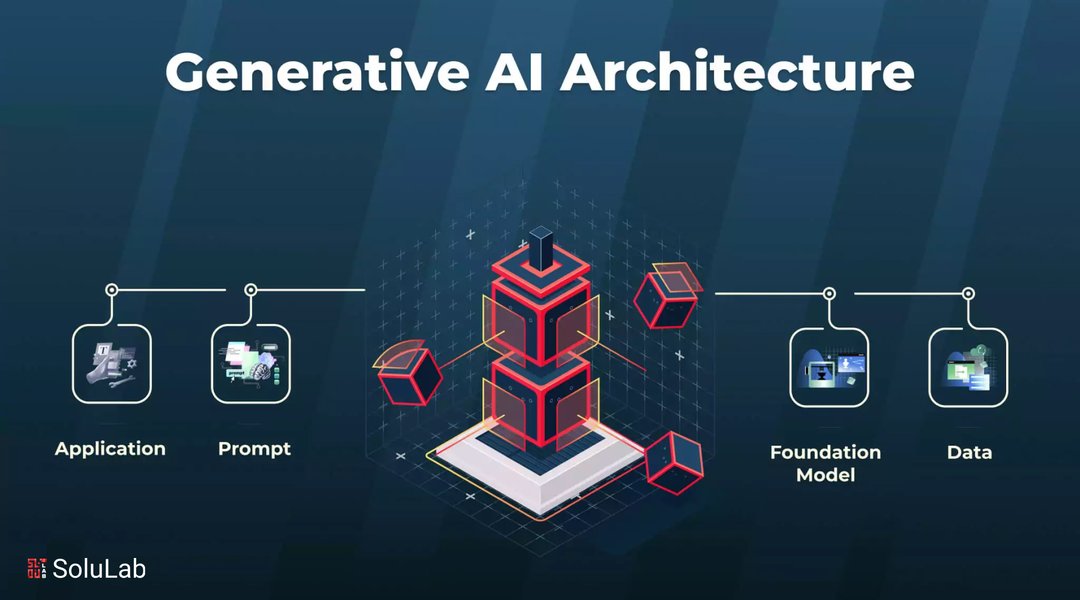
An architectural overview of a robust generative AI system.
Foundational Pillars of Generative AI Automation
Before delving into the intricacies of advanced generative AI, a solid grasp of underlying AI and machine learning concepts is indispensable. This foundational knowledge forms the bedrock upon which sophisticated generative AI applications are built.
Understanding Core AI and ML Concepts
Artificial Intelligence (AI) and Machine Learning (ML)
Grasping the fundamental definitions of AI and its significance, alongside the various types of machine learning—supervised, unsupervised, and reinforcement learning—is the first step. These concepts underpin all advanced AI systems, including generative models.
Deep Learning and Neural Networks
Generative AI largely relies on deep learning models and artificial neural networks. A comprehensive understanding of their architectures, learning mechanisms, and capabilities is crucial. This includes comprehending how complex neural networks can learn to generate novel content.
Natural Language Processing (NLP) and Computer Vision
Given that many generative AI applications involve processing and generating human language or visual data, proficiency in NLP and computer vision is highly relevant. This includes understanding how models interpret, analyze, and produce textual or visual information.
Mastering Generative AI Specifics
Large Language Models (LLMs)
An in-depth exploration of LLMs is essential. This covers their internal mechanisms, core capabilities, and practical applications, including training, optimization, and fine-tuning generative models for specific tasks.
Generative Adversarial Networks (GANs)
Understanding GANs and their diverse applications, particularly in generating new content and AI-generated media, is a key aspect of advanced generative AI. This involves comprehending the adversarial process between a generator and a discriminator network.
Prompt Engineering
Learning to meticulously craft effective prompts is vital for guiding generative AI models to produce high-quality, relevant, and desired outputs. Advanced prompt engineering goes beyond basic commands, involving strategic formulation to elicit nuanced responses.
Generative AI Agents and Workflow Automation
A significant advanced application of generative AI involves building AI agents capable of performing complex tasks and driving business growth. This extends to leveraging generative AI tools to automate workflows, enhance productivity, and solve intricate problems across various industries.
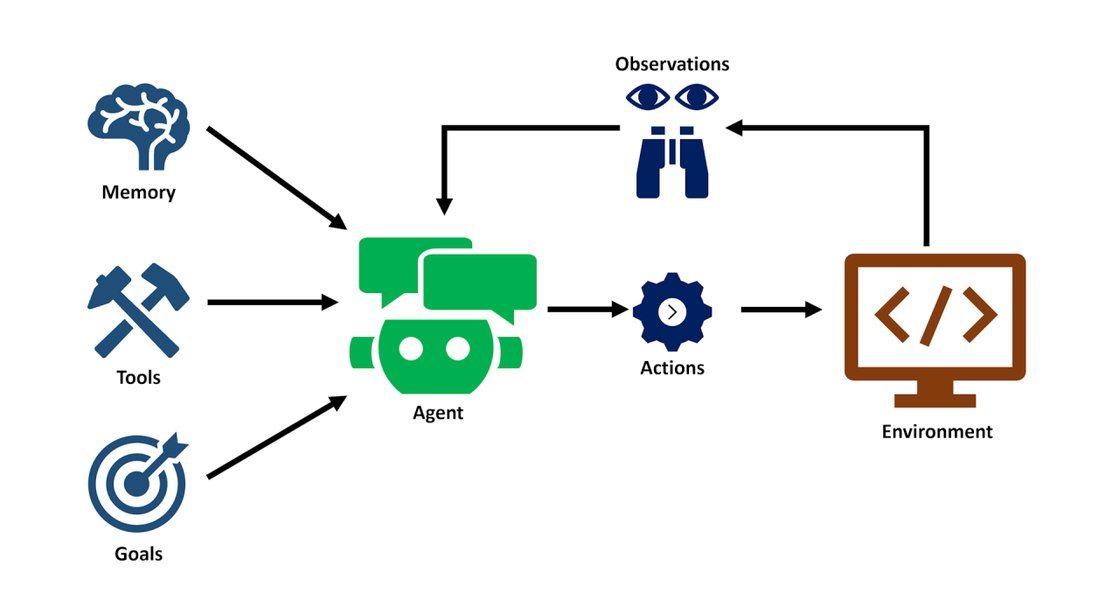
Visual representation of an Agentic AI system and its capabilities.
Practical Application and Advanced Techniques
Beyond theoretical understanding, professional and advanced generative AI automation demands hands-on experience and familiarity with deployment strategies. This includes building, fine-tuning, and managing AI models in real-world environments.
Building and Deploying ML Solutions
Gaining practical experience in constructing and deploying machine learning solutions using major cloud platforms such as Google Cloud's Vertex AI, AWS (Amazon Bedrock, Amazon SageMaker), and Microsoft Azure is critical. This involves managing large-scale data workloads, data management, pipeline automation, and continuous integration/continuous delivery (CI/CD) workflows for AI models.
MLOps for Generative AI
Understanding the unique challenges faced by MLOps teams when deploying and managing generative AI models is essential. This includes streamlining processes for monitoring, versioning, and updating these complex models effectively.
Real-world Capstone Projects
Engaging in projects that simulate real-life scenarios allows learners to creatively and effectively apply their knowledge within organizational contexts. These projects often involve developing complete generative AI solutions from conceptualization to deployment.
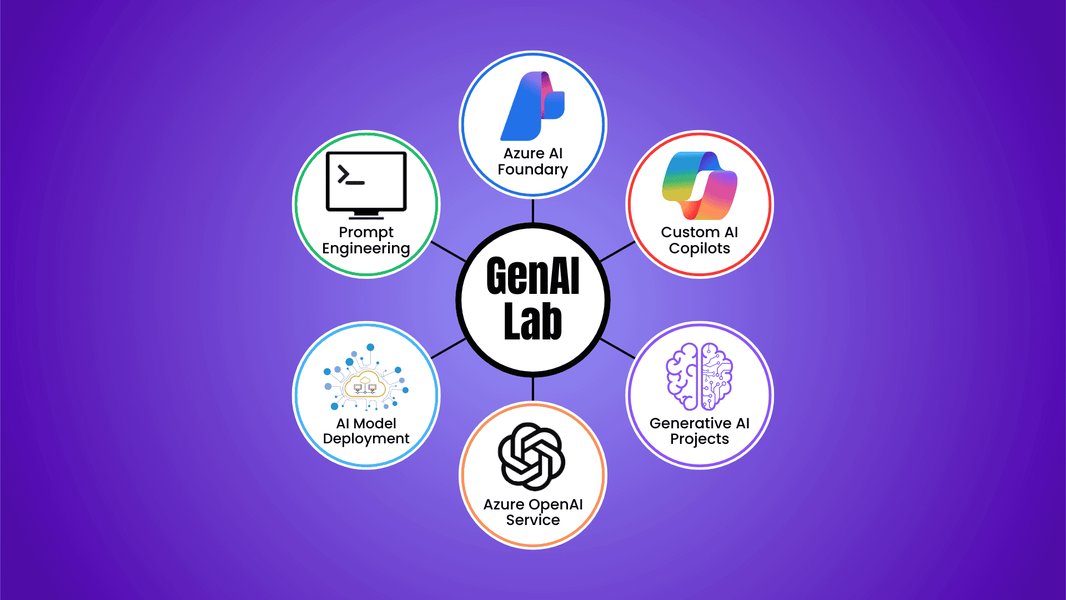
A practical lab environment for generative AI development on Azure.
Top Video Courses for Advanced Generative AI Automation
For a comprehensive, professional, and practical learning experience in generative AI automation, several video courses stand out. These programs integrate theory with hands-on application, preparing you for real-world challenges.
Leading Specializations and Courses
- Generative AI Automation Specialization by Vanderbilt University on Coursera: This specialization is designed to train professionals in using generative AI tools like ChatGPT for complex automated tasks. It offers extensive hands-on exercises and covers advanced prompt engineering and workflow automation.
- Generative AI with Large Language Models by DeepLearning.AI: Tailored for ML engineers, this course provides practical insights into training, optimizing, and deploying generative AI models. It features hands-on labs and focuses on technical skills for building effective AI solutions.
- Applied Generative AI for Digital Transformation by MIT Professional Education: This 8-week program focuses on integrating generative AI into business transformation strategies, with an emphasis on automation and efficiency. It covers theoretical foundations and practical AI tools to automate workflows.
- Advanced: Generative AI for Developers Learning Path by Google Cloud: This in-depth training path equips developers and data scientists with advanced generative AI skills, focusing on tools like Vertex AI Studio for prototyping, deployment, and management of AI-powered automation systems. It explores diffusion models, vector search, text embeddings, and MLOps for generative AI.
- Generative AI Full Course 2024 | All in One Gen AI Tutorial (YouTube): This extensive 4+ hour tutorial covers basics to advanced topics, including model tuning in Google AI Studio, prompt engineering, and hands-on sessions with tools like ChatGPT and GitHub Copilot. It includes practical demonstrations such as building an email generator and statistical analysis with ChatGPT.
- Advanced Generative AI Course by Cprime: This immersive course is designed for professionals seeking deep insights into generative AI advancements and practical applications. It balances foundational and advanced concepts with real-life scenario-based exercises.
Evaluating Learning Paths: A Radar Chart Analysis
Choosing the right learning path is crucial. The following radar chart provides an opinionated analysis of key aspects across different types of generative AI automation learning resources, helping you visualize their strengths based on professional and practical needs.
Key Concepts in Advanced Generative AI Automation
The mindmap below illustrates the interconnectedness of key concepts crucial for mastering advanced generative AI automation systems, from foundational principles to practical deployment and ethical considerations.
Video Spotlight: Generative AI Automation from Beginner to Advanced
To provide a hands-on perspective on AI automation, the video "Master AI Automation in 2025: Beginner to Advanced Step-by-Step" offers a practical guide. It delves into the initial steps of AI automation, demonstrating how to build robust automation systems. This video is highly relevant as it bridges the gap from foundational understanding to advanced implementation, offering valuable insights into common tools and strategies used in the field.
A comprehensive guide to mastering AI automation from a beginner to an advanced level.
This video aligns with the practical emphasis required for advanced learning. It often covers specific tools and platforms like n8n or Make.com, which are crucial for implementing real-world automation workflows. Understanding how to integrate generative AI models with these platforms allows for creating intelligent, automated processes, from data extraction and analysis to content generation and workflow orchestration. The video likely breaks down complex topics into digestible steps, suitable for professionals seeking actionable knowledge.
Comparing Advanced Learning Resources
The following table summarizes key aspects of various professional and advanced generative AI automation learning resources, highlighting their focus and suitability for different learning preferences.
| Resource Category | Primary Focus | Key Features for Advanced Learners | Practicality Level | Certification/Recognition |
|---|---|---|---|---|
| University Specializations (e.g., Coursera) | Comprehensive skill development in GenAI automation | Extensive hands-on projects, prompt engineering, workflow automation | High | Digital Certificates |
| Cloud Provider Learning Paths (e.g., Google Cloud, AWS, Azure) | Platform-specific GenAI deployment & MLOps | In-depth labs, diffusion models, vector search, responsible AI | Very High | Vendor-specific Certifications |
| DeepLearning.AI Courses | Technical training in LLMs & model optimization | Fine-tuning generative models, building AI agents, practical applications | High | Course Certificates |
| MIT Professional Education Programs | Strategic integration of GenAI for digital transformation | Theoretical foundations, practical AI tools, business case studies | Medium to High | Professional Certificates |
| Comprehensive YouTube Tutorials | Broad overview, specific tool demonstrations | Hands-on demos of tools (ChatGPT, GitHub Copilot), app building | Medium | No formal certification |
Frequently Asked Questions (FAQ)
What are the prerequisites for advanced generative AI automation courses?
How important is hands-on experience in learning generative AI automation?
Can I learn advanced generative AI automation for free?
What are the career opportunities after mastering generative AI automation?
Conclusion
Mastering advanced generative AI automation systems requires a strategic approach to learning, prioritizing comprehensive video courses that blend robust theoretical understanding with extensive practical application. The leading educational resources, often provided by esteemed universities and major cloud platforms, emphasize hands-on projects, MLOps, and ethical considerations. By engaging with these high-quality programs, you can develop the expertise needed to design, deploy, and manage sophisticated AI-driven automation solutions, positioning yourself at the forefront of digital innovation and problem-solving.
Recommended Further Exploration
- How to build AI agents for business automation?
- Advanced MLOps strategies for generative AI deployment?
- Ethical considerations in generative AI development and automation?
- Practical applications of large language models in enterprise automation?
Referenced Search Results
 aws.amazon.com