
Unlocking Innovation: The Power of Advanced Integrated Design in Prototype Engineering
Discover how cutting-edge methodologies and collaborative strategies are revolutionizing product development.
Key Insights into Integrated Prototype Engineering
- Holistic Integration: Advanced methods weave together diverse engineering disciplines—mechanical, electrical, software, and materials science—to create comprehensive and functional prototypes.
- Digital-Physical Synergy: Seamlessly blending virtual design (CAD/CAM, simulation) with physical fabrication (3D printing, CNC machining) accelerates iteration and refinement, reducing risks and costs.
- User-Centric Iteration: A continuous cycle of designing, testing, and refining prototypes with user feedback ensures that final products truly meet market needs and deliver superior experiences.
Advanced integrated design methods in prototype engineering represent a sophisticated evolution of traditional product development, moving beyond isolated models to embrace a holistic, interconnected approach. These methods prioritize the seamless combination of digital, physical, and interdisciplinary elements to accelerate innovation, reduce costs, and enhance product quality. By fostering rapid feedback loops, user-centered refinement, and efficient validation, this approach transforms ideas into tangible, testable representations of potential products before full-scale production.
The core of integrated prototype engineering lies in its ability to combine diverse design and engineering disciplines. This ensures that prototypes effectively embody complex design hypotheses, allowing for thorough testing and validation of functionality, performance, and user experience. From initial conceptualization to final validation, these methods emphasize collaboration, technological leverage, and optimized design efficiency, driving the creation of more effective and efficient designs that meet intricate market requirements.
The Foundational Pillars of Integrated Design Methods
Integrated design methods are built upon several foundational pillars that collectively enhance the prototyping process. These pillars ensure that all aspects of a product's lifecycle are considered from the earliest stages, leading to more robust and successful outcomes.
Multidisciplinary Collaboration: A Synergy of Expertise
A cornerstone of advanced integrated design is multidisciplinary collaboration. This involves a holistic evaluation and balancing of contributions from various engineering disciplines, including structural, electrical, mechanical, and software engineering, alongside human factors experts. This collaborative environment ensures that the design process is comprehensive, minimizing errors and maximizing innovation by leveraging diverse perspectives. For instance, in complex projects like hypersonic vehicles, Multidisciplinary Design, Analysis, and Optimization (MDAO) integrates fields like aerodynamics, structures, and materials to optimize performance and cost-effectiveness. This approach is particularly effective in addressing high technological and economic uncertainties.
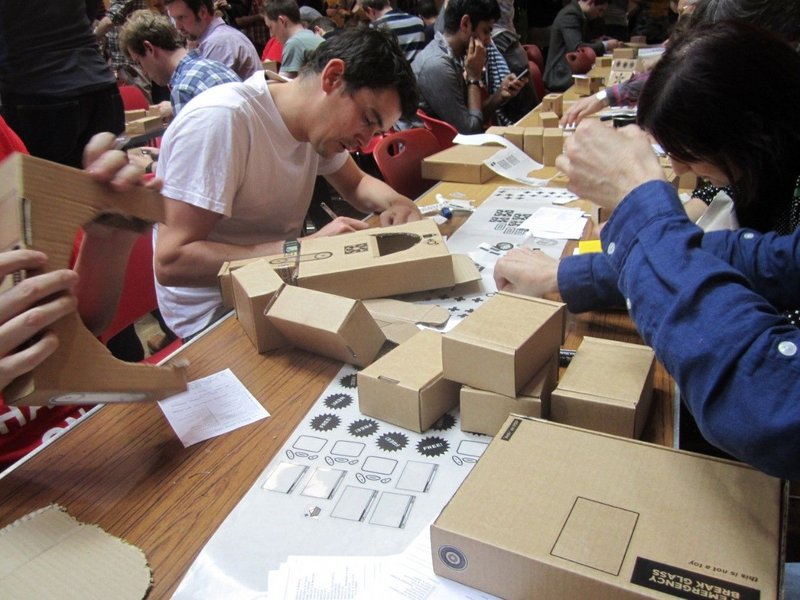
The iterative nature of prototyping in the design thinking process, emphasizing continuous refinement.
Digital-Physical Integration: Bridging the Virtual and Tangible
Modern integrated design methods emphasize a seamless flow between virtual design and physical prototyping. This digital-physical integration allows engineers to validate designs digitally before physical fabrication, significantly reducing waste and risk. Key techniques include:
- Parametric 3D CAD/CAM Design: Parametric modeling enables rapid adjustments and iterations on complex product designs, automating updates across associated parts and assemblies. Tools like Fusion 360 integrate 3D CAD/CAM capabilities, facilitating quick design revisions.
- Virtual Prototyping: Utilizing advanced simulation tools and 3D modeling, engineers can test and refine designs without the immediate need for physical models. Numerical simulation makes this approach accurate, often less expensive, and faster than building physical hardware, ensuring components function effectively and efficiently.
- Rapid Prototyping (Additive Manufacturing): Techniques such as 3D printing (including Direct Metal Laser Sintering - DMLS and polymer-based printing), CNC machining, and urethane/vacuum casting rapidly produce either visual models or functional prototypes. These methods dramatically reduce the time from concept to tangible model, from weeks to hours or days.
- Hybrid Prototypes: These prototypes combine different fabrication methods, such as 3D printed aesthetics with machined functional parts, to replicate both form and function closely.
Iterative Refinement and Feedback Loops: The Cycle of Improvement
Prototyping is inherently an iterative process. It involves continuously testing, gathering feedback from users, stakeholders, and engineers, and then refining the prototype. This iterative feedback helps prevent unnecessary design faults and improves the final product's quality. This includes:
- Reflective Physical Prototyping: Designers test hypotheses embodied in prototypes and reflect on their performance, iteratively improving the design with each cycle.
- Incremental Refinement: Prototypes are iteratively enhanced based on testing data, user feedback, and engineering validation, progressively moving closer to the final product.
- Non-Finito Prototyping: This method embraces partially finished prototypes to stimulate feedback and further creativity, rather than aiming for perfect early-stage models. This technique is particularly useful in connected product design, bridging gaps between software and hardware.
User-Centered Design: Prioritizing the Human Experience
Design thinking principles are deeply embedded in prototype engineering. This human-centered approach focuses on understanding and addressing user needs, integrating them into the design and prototyping process. Prototypes are developed to test user experience, ergonomics, and functional interaction, utilizing both low-fidelity and high-fidelity stages to gather feedback early and often. This emphasis ensures that prototypes meet actual user needs and business goals, leading to products that resonate with the target audience.
Advanced Techniques and Technologies in Action
The successful implementation of integrated design methods relies on leveraging advanced techniques and technologies that streamline and enhance the prototyping process. These tools enable engineers and designers to create, analyze, and optimize prototypes digitally, reducing development time and costs.
Advanced Prototyping Techniques
Beyond the core integration, specific advanced techniques are employed to create highly functional and precise prototypes:
- CNC Machining & 5-Axis Milling: These methods enable high-precision mechanical prototypes with complex geometries, crafting high-fidelity models from materials like metal and plastic.
- Laser and Waterjet Cutting: Offering rapid and precise cutting of prototype parts from diverse materials with minimal post-processing, these techniques are crucial for efficient fabrication.
- 3D Scanning and Reverse Engineering: Used for accurate reproduction and refinement of existing objects or complex assemblies, these technologies facilitate improvements based on real-world models.
- Embedded Digital Components: Integrating electronics, sensors, and mechatronics into prototypes allows for the simulation of real product functionality, providing a more comprehensive testing environment.
Software and Collaboration Tools
Advanced integrated design heavily relies on specialized software for data management, simulation, and collaboration. These tools facilitate efficient workflows and enhance communication among team members:
- Computer-Aided Design (CAD) and Computer-Aided Engineering (CAE): These tools enable designers to create, analyze, and optimize prototypes digitally, streamlining the development process.
- Building Information Modeling (BIM) and Virtual Design & Construction (VDC): While often associated with construction, these technologies can be adapted for prototype engineering to create detailed digital models and simulations, improving collaboration and reducing early-stage errors.
- Integrated Project Delivery (IPD): This approach promotes collaboration among all stakeholders—designers, contractors, and clients—to enhance project efficiency and quality, ensuring alignment from the project's inception.
The following video provides an excellent introduction to prototyping within the engineering design process, highlighting fundamental concepts and best practices that underpin advanced integrated methods.
The Engineering Design Process: Prototyping Explained.
Strategic Objectives and Best Practices
To maximize the effectiveness of advanced integrated design methods, clear objectives and adherence to best practices are essential. These guidelines ensure that the prototyping process is efficient, targeted, and ultimately leads to successful product innovation.
Defining Clear Prototyping Objectives
Before embarking on the prototyping phase, it is crucial to establish what specific aspects the prototype aims to test or validate. Common objectives include:
- Design Refinement: Enhancing the aesthetic and functional design based on feedback.
- Functional Testing: Validating that the product performs as intended under various conditions.
- Usability Evaluation: Assessing how users interact with the product and identifying areas for ergonomic improvement.
- Production Feasibility: Ensuring that the design can be manufactured efficiently and cost-effectively at scale.
- Cost and Time Reduction: Utilizing efficient prototyping techniques to minimize resource expenditure.
Focusing on key features and critical functionalities helps save time and resources, ensuring that efforts are directed where they provide the most value.
Embracing Concurrent Engineering
Concurrent engineering involves developing different product designs in parallel—one for prototype testing and design validation, and another for mass production. While resource-intensive, this approach can lower risks and accelerate time to market by addressing manufacturing considerations early in the design cycle. This ensures that the final product is not only functional but also manufacturable, avoiding costly redesigns later on.
Lean Principles in Prototyping
Applying Lean principles helps eliminate waste, reduce variability, and improve flow in the design process. This approach focuses on delivering value to customers while minimizing unnecessary steps and materials. By continuously refining processes and removing inefficiencies, teams can accelerate the prototyping cycle and bring products to market faster.
Rigorous Documentation and Iteration
Meticulously documenting all design decisions, test results, and iterations is vital for effective communication and progress tracking. This ensures that lessons learned from each prototype are captured and applied to subsequent iterations, facilitating continuous improvement. Iterative improvements, combined with multidisciplinary feedback, help refine prototypes until they meet all requirements.
Comparing Integrated Design Methods
To better understand the strengths and applications of different integrated design methods, a radar chart can provide a visual comparison of their emphasis on various critical aspects of prototype engineering. This chart reflects an opinionated analysis of how each method contributes to innovation, efficiency, and collaborative outcomes.
This radar chart illustrates the perceived strengths of various integrated design methods across key performance indicators. For instance, Multidisciplinary Design, Analysis, and Optimization (MDAO) excels in its structured approach to complex system optimization and technological integration. Building Information Modeling (BIM) and Virtual Design & Construction (VDC) score highly in digital simulation and collaboration, while Integrated Project Delivery (IPD) emphasizes collaborative stakeholder engagement. Lean Principles shine in process efficiency and cost reduction, and Integrated Design Engineering (IDE) focuses on hands-on, multidisciplinary learning and creativity. This visualization helps in understanding which method might be most suitable depending on the project's specific needs and priorities, demonstrating the diverse capabilities that advanced integrated design brings to prototype engineering.
The Integrated Design Mindmap: A Holistic View
To further illustrate the interconnectedness of advanced integrated design methods, the following mindmap provides a visual representation of their key components and relationships. It highlights how core concepts, methodologies, and best practices come together to form a comprehensive approach to prototype engineering.
This mindmap visualizes the comprehensive landscape of advanced integrated design methods. It shows how core concepts like design thinking and various prototyping techniques feed into key aspects such as multidisciplinary collaboration and user-centered approaches. The enabling technologies support these processes, ultimately leading to significant benefits in product development. This interconnected structure highlights the holistic nature required for successful prototype engineering in today's complex industrial landscape.
Comparative Overview of Prototyping Fidelity Levels
The choice of prototyping fidelity is a critical decision in advanced integrated design, impacting the cost, time, and type of feedback gathered. Different fidelity levels serve distinct purposes throughout the iterative development cycle, from early concept exploration to final validation.
| Fidelity Level | Description | Key Characteristics | Primary Use Case | Advantages | Limitations |
|---|---|---|---|---|---|
| Low-Fidelity Prototypes | Simple, incomplete versions of the final product, often using low-cost, readily available materials. | Quick to create, inexpensive, focuses on core concepts and user flow. Examples: paper sketches, cardboard models, wireframes. | Early conceptual exploration, gathering broad user feedback on ideas, rapid iteration of multiple concepts. | Cost-effective, very fast to produce, encourages big-picture feedback, easy to discard and iterate. | Lack of detail, limited interactivity, may not convey the full experience, difficult to test specifics. |
| Mid-Fidelity Prototypes | More detailed than low-fidelity, with some visual and functional elements, but not fully polished. | Digital mock-ups, interactive wireframes, basic digital simulations. Focus on specific interactions and user journeys. | Testing specific features, user flows, and interaction patterns, validating design choices before high investment. | Balances speed and detail, allows for more specific feedback, bridges gap between concept and detailed design. | Still lacks full visual polish, may not fully simulate complex interactions, requires more time than low-fidelity. |
| High-Fidelity Prototypes | Highly detailed and functional prototypes that closely resemble the final product, often using actual materials and manufacturing processes. | Interactive digital prototypes, pre-production physical prototypes, detailed 3D printed models. Offers a realistic user experience. | Advanced user testing, final design validation, demonstrating true feel and performance for stakeholders and investors. | Realistic user experience, allows for advanced testing of functionality and performance, minimizes surprises in production. | Time-consuming and expensive to create, harder to make radical changes, may be perceived as final product. |
| Virtual Prototypes | Exact digital designs created and tested using simulation tools, without physical fabrication in early stages. | 3D modeling, CAE simulations, virtual reality environments. Enables testing of components and system efficiency. | Early validation of complex systems, component functionality, and performance optimization before physical build. | Cost-effective for complex systems, very fast iteration cycles, allows testing of conditions difficult to replicate physically. | Requires specialized software and expertise, lacks tactile feedback, may not fully capture real-world material behaviors. |
| Hybrid Prototypes | Combinations of different techniques, such as 3D printed aesthetics with machined functional parts, or digital components embedded in physical models. | Blends advantages of various methods to achieve specific testing goals. Focuses on replicating both form and function closely. | Targeted testing of specific aspects, balancing speed and realism, ideal for complex products with integrated systems. | Leverages strengths of multiple techniques, allows for highly specific and realistic testing, flexible. | Complexity in combining methods, requires diverse skill sets and tools. |
This table illustrates the diverse spectrum of prototyping fidelity, guiding engineers and designers in selecting the most appropriate method for their specific development stage and objectives. By strategically employing these different levels, teams can optimize their resources, gather targeted feedback, and accelerate the product development lifecycle.
Frequently Asked Questions about Integrated Design in Prototype Engineering
What is the main goal of advanced integrated design methods in prototype engineering?
How does multidisciplinary collaboration enhance prototype engineering?
What role do digital and virtual tools play in integrated prototyping?
What is "Non-Finito Prototyping"?
How does user-centered design integrate into prototype engineering?
Conclusion: The Future is Integrated
Advanced integrated design methods are transforming prototype engineering into a more efficient, collaborative, and innovative discipline. By seamlessly merging multidisciplinary expertise, digital and physical tools, and iterative user-centered processes, these methods enable organizations to develop robust, refined, and user-centric products with unprecedented speed and precision. The ability to integrate diverse perspectives and technologies from concept to validation significantly reduces risks, optimizes resource allocation, and ultimately drives successful product innovation in an increasingly complex and competitive landscape. Embracing these integrated approaches is not just a best practice but a fundamental requirement for staying at the forefront of product development.
Recommended Further Exploration
- Explore the impact of artificial intelligence on advanced prototyping techniques.
- Investigate real-world case studies of integrated design in complex system development.
- Discover future trends in human-centered approaches to prototype engineering.
- Examine the challenges and solutions in multidisciplinary design optimization for prototypes.