
Unveiling the Future of Prostate Health Diagnostics: Beyond Traditional Screening
Exploring cutting-edge methods that revolutionize early detection and personalized treatment of prostate cancer.
As of June 2025, the landscape of prostate health diagnostics has undergone significant advancements, moving beyond conventional screening methods like the Prostate-Specific Antigen (PSA) test and Digital Rectal Exam (DRE). These innovative diagnostic tools offer enhanced accuracy, reduce the need for unnecessary invasive procedures, and provide more detailed insights to distinguish between aggressive and non-aggressive prostate conditions. This evolution in diagnostic capabilities is pivotal for personalized risk assessment, early detection of clinically significant cancers, and guiding tailored treatment decisions, ultimately improving patient outcomes.
Key Advances in Prostate Health Diagnostics
- MyProstateScore 2.0 (MPS2): A revolutionary urine test that analyzes 18 genes, offering superior accuracy in detecting high-grade prostate cancer and significantly reducing unnecessary biopsies.
- Multiparametric MRI (mpMRI): An advanced imaging technique that provides detailed visualization of the prostate, crucial for targeted biopsies and distinguishing clinically significant lesions.
- Prostate Health Index (PHI) & 4Kscore Test: Sophisticated blood tests that refine prostate cancer risk assessment by analyzing multiple PSA isoforms and other prostate-specific kallikreins, enhancing diagnostic precision.
The Evolution of Prostate Cancer Detection
For decades, the PSA blood test has served as the primary screening tool for prostate cancer. While effective in detecting elevated levels of PSA, a protein produced by the prostate, its limitations include high rates of false positives and false negatives. Elevated PSA can stem from various benign conditions, leading to anxiety and unnecessary biopsies. Conversely, a normal PSA doesn't guarantee the absence of cancer, potentially missing about 15% of cases. The Digital Rectal Exam (DRE), another traditional method, involves a manual examination but is not recommended as a standalone screening tool due to insufficient evidence of its benefits.
The imperative for more precise and less invasive methods has driven the development of advanced diagnostic tests. These modern approaches aim to provide a clearer picture of prostate health, distinguishing between indolent (slow-growing) cancers that may require only active surveillance and aggressive forms that demand immediate intervention.
Advanced Blood and Urine Biomarker Tests
Beyond the traditional PSA test, several advanced blood and urine tests leverage sophisticated biomarker analysis to improve diagnostic accuracy.
MyProstateScore 2.0 (MPS2): A Game Changer in Urine Diagnostics
The MyProstateScore 2.0 (MPS2) is a cutting-edge urine-based genetic test that represents a significant leap in non-invasive diagnostics. Developed by researchers at the University of Michigan and Vanderbilt University, MPS2 analyzes the expression of 18 specific genes associated with clinically significant prostate cancers. This test has shown remarkable accuracy in differentiating between aggressive and non-aggressive forms of prostate cancer. A negative MPS2 result can help many men with elevated PSA levels avoid an unnecessary biopsy, significantly reducing the associated risks and discomfort.
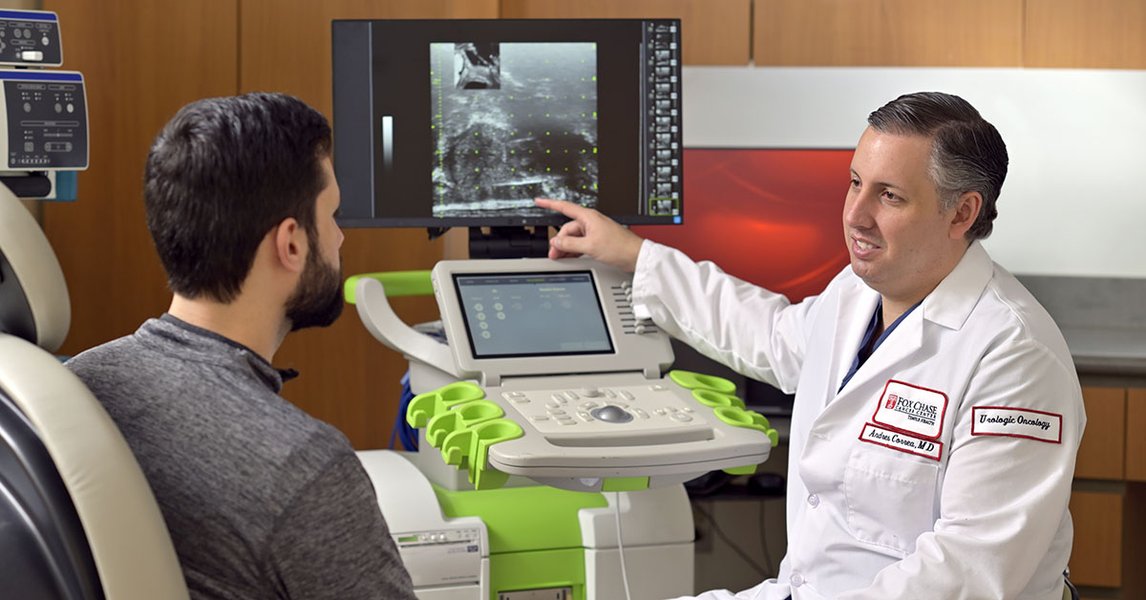
PSA Test: A foundational but evolving diagnostic tool for prostate health.
Prostate Health Index (PHI)
The Prostate Health Index (PHI) is a more accurate blood test that combines the results of total PSA, free PSA, and proPSA into a mathematical formula. This combination provides a more refined risk assessment for prostate cancer, particularly for clinically significant cancers. Approved in the United States, Europe, and Australia, PHI is valuable for men with elevated PSA levels, helping to reduce the number of unnecessary biopsies by better identifying who is less likely to have cancer.
4Kscore Test
The 4Kscore test is another advanced blood test that measures four prostate-specific kallikrein proteins, including different PSA isoforms. This test assesses the risk of aggressive prostate cancer and is often recommended after an abnormal PSA test or DRE. It provides a personalized probability of having high-grade prostate cancer, aiding in decision-making regarding further diagnostic steps.
PCA3 Test
The PCA3 (Prostate Cancer Antigen 3) test is a urine test that detects prostate-specific noncoding RNA, which is overexpressed in prostate cancer cells. While not definitive on its own, an overexpression of this gene suggests a higher likelihood of prostate cancer. It is often used in conjunction with PSA to improve predictive value.
Advanced Imaging Techniques
Sophisticated imaging technologies play a crucial role in visualizing the prostate and detecting suspicious areas that may indicate cancer, guiding subsequent biopsies, and assessing the extent of disease.
Multiparametric MRI (mpMRI)
Multiparametric Magnetic Resonance Imaging (mpMRI) of the prostate is a powerful imaging technique that provides highly detailed images of the prostate gland. It helps identify, localize, and characterize suspicious lesions, distinguishing between clinically significant cancers and benign or low-risk lesions. mpMRI is increasingly used to guide targeted biopsies, ensuring that tissue samples are taken from the most suspicious areas, thereby improving accuracy and reducing the sampling of healthy tissue.
PSMA PET Scans
Prostate-specific membrane antigen (PSMA) PET imaging is a nuclear medicine technique that offers exceptional accuracy in detecting prostate cancer anywhere in the body. PSMA PET scans are particularly useful for staging advanced disease, identifying the location and size of tumors, and determining if the cancer has spread beyond the prostate, which helps in guiding treatment strategies.
CT Scans and Bone Scans
While not as precise for initial prostate imaging, CT scans and bone scans are still utilized to identify areas where prostate cancer may have spread, particularly to lymph nodes and bones, in advanced cases.
Radar Chart: Diagnostic Accuracy and Impact of Advanced Prostate Tests
This radar chart illustrates the perceived strengths of various advanced diagnostic tests for prostate health across key attributes. Each spoke represents a critical factor in evaluating diagnostic tools, with higher values indicating greater effectiveness or benefit. The chart highlights how newer technologies like MPS2 and mpMRI offer superior diagnostic accuracy and reduce the need for invasive procedures compared to traditional methods, while blood-based tests like PHI and 4Kscore provide enhanced risk stratification. This visualization helps in understanding the comprehensive benefits each test brings to the evolving landscape of prostate cancer detection and management.
Biopsy and Genomic Testing: Definitive Diagnosis and Prognosis
While advanced blood and urine tests and imaging techniques help assess risk and identify suspicious areas, a definitive diagnosis of prostate cancer still relies on a prostate biopsy. Furthermore, once cancer is confirmed, genomic testing on tissue samples provides crucial information for treatment planning.
Prostate Biopsy
A prostate biopsy involves removing tissue samples from the prostate for microscopic examination. While it is the most accurate way to diagnose prostate cancer, traditional random biopsies can miss about 1 in 5 cases and carry risks such as bleeding and infection. Advances like MRI-guided targeted biopsies (sometimes called "Smart Biopsies") significantly improve accuracy by targeting suspicious areas identified through mpMRI.
Genomic Diagnostic Testing
After a prostate cancer diagnosis, genomic tests such as Prolaris, Oncotype DX GPS, and Decipher can be performed on the biopsy tissue. These tests analyze gene expression patterns to assess the aggressiveness of the cancer, helping clinicians and patients make informed decisions about treatment, including whether active surveillance is appropriate or if more aggressive therapies are necessary. These assays provide prognostic information beyond traditional Gleason scoring and clinical staging.
The Integrated Approach to Prostate Health
The current best practice in prostate health diagnostics involves an integrated approach, combining traditional screening with advanced biomarker tests, sophisticated imaging, and targeted biopsies. This comprehensive strategy ensures more precise detection, reduces overdiagnosis, and optimizes treatment decisions.
Mind Map: The Comprehensive Landscape of Prostate Health Diagnostics
This mind map illustrates the interconnectedness of traditional and advanced diagnostic methods for prostate health. It branches out from the central theme to detail specific tests, their mechanisms, and their benefits, highlighting how modern advancements like MPS2, mpMRI, and genomic profiling are enhancing the accuracy and personalization of prostate cancer detection and management. This visual representation helps in understanding the comprehensive approach to diagnosing prostate conditions, emphasizing precision and the reduction of unnecessary procedures.
Understanding the Diagnostic Process
The journey of prostate health diagnosis often begins with traditional screening, followed by a series of advanced tests if abnormalities are detected. This staged approach helps to minimize unnecessary invasive procedures while maximizing the chances of early and accurate detection of clinically significant cancers.
| Test Category | Specific Test | Methodology | Primary Use/Benefit | Advantages | Considerations |
|---|---|---|---|---|---|
| Urine-Based Biomarker | MyProstateScore 2.0 (MPS2) | Analyzes 18 prostate cancer-associated genes from urine sample post-DRE. | High accuracy in detecting clinically significant prostate cancer; reduces unnecessary biopsies. | Non-invasive, high negative predictive value, distinguishes aggressive vs. indolent cancers. | Newer test, integration into standard practice is ongoing. |
| Blood-Based Biomarker | Prostate Health Index (PHI) | Combines total PSA, free PSA, and proPSA into a mathematical formula. | Refines prostate cancer risk assessment, especially for clinically significant cancers, reducing biopsies. | More accurate than PSA alone, widely approved. | Still a blood test, not definitive on its own. |
| Blood-Based Biomarker | 4Kscore Test | Measures four prostate-specific kallikrein proteins. | Assesses risk of aggressive prostate cancer, aids in decision-making after abnormal PSA. | Provides a personalized probability of high-grade cancer. | Blood test, may require follow-up. |
| Imaging | Multiparametric MRI (mpMRI) | Uses powerful magnets and radio waves to create detailed images of the prostate. | Detects, localizes, and characterizes suspicious lesions; guides targeted biopsies. | Non-invasive imaging, improves biopsy accuracy, distinguishes significant cancers. | Requires specialized equipment and expertise; can be expensive. |
| Imaging | PSMA PET Scan | Nuclear medicine imaging using prostate-specific membrane antigen. | Highly accurate in detecting prostate cancer spread throughout the body for staging. | Superior for detecting metastatic disease. | Limited availability at some centers, typically for advanced cases. |
| Tissue-Based Genetic | Oncotype DX GPS, Prolaris, Decipher | Analyzes gene expression in prostate tissue from biopsy samples. | Assesses tumor aggressiveness; guides decisions on active surveillance vs. aggressive treatment. | Provides prognostic information beyond traditional pathology, personalizes treatment. | Requires a biopsy; performed after initial diagnosis. |
Table: Comprehensive Overview of Advanced Prostate Diagnostic Tests
This table provides a concise comparison of the leading advanced diagnostic tests for prostate health. It details their methodology, primary use, advantages, and considerations, offering a clear snapshot of how each test contributes to a more precise and patient-centered approach to prostate cancer detection and management. This structured overview helps in understanding the distinct roles and benefits of each advanced diagnostic tool.
Insights from Leading Experts on Prostate Cancer Screening
One of the most crucial aspects of prostate cancer screening is the ongoing debate and refinement of clinical guidelines. Experts continually evaluate the benefits and harms of various screening strategies, including the role of the PSA test in an evolving diagnostic landscape. The discussion often revolves around balancing early detection with the risks of overdiagnosis and overtreatment.
Medicine 3.0: Rethinking Prostate Cancer Screening
This video delves into the complexities of prostate cancer screening, highlighting how high-profile cases like former President Biden's can bring the PSA test into public discourse. It discusses the critical shift towards more informed and personalized screening decisions, moving away from a one-size-fits-all approach. The video emphasizes the importance of patient-doctor discussions to weigh the benefits of early detection against potential harms like overdiagnosis and unnecessary interventions, aligning with the current emphasis on precision diagnostics.
Frequently Asked Questions (FAQ)
What is the primary goal of advanced prostate diagnostic tests?
How does MyProstateScore 2.0 (MPS2) differ from the traditional PSA test?
When are advanced imaging techniques like mpMRI and PSMA PET scans typically used?
Can advanced tests completely replace the need for a prostate biopsy?
Who should consider advanced prostate diagnostic tests?
Conclusion
The field of prostate health diagnostics is undergoing a transformative period, moving towards more precise, less invasive, and highly informative testing methods. From innovative urine-based genetic tests like MyProstateScore 2.0 to advanced imaging techniques such as multiparametric MRI and PSMA PET scans, and sophisticated blood biomarkers, the ability to detect, characterize, and manage prostate conditions has significantly improved. These advancements not only enhance the accuracy of diagnosis but also play a crucial role in reducing unnecessary interventions and guiding personalized treatment strategies, ultimately leading to better health outcomes for men worldwide. The continuous integration of these cutting-edge tools into clinical practice promises a future where prostate cancer detection is more efficient, less burdensome, and tailored to individual patient needs.
Recommended Searches for Deeper Insights
- Explore the role of genomic testing in prostate cancer prognosis.
- Understand the criteria for active surveillance in low-risk prostate cancer.
- Discover future innovations in non-invasive prostate cancer detection.
- Investigate the cost-effectiveness of advanced prostate cancer diagnostics.