
Advanced Methods for Video Summarization Using NLP
In-depth Exploration of Techniques, Models, and Applications in Video Summarization
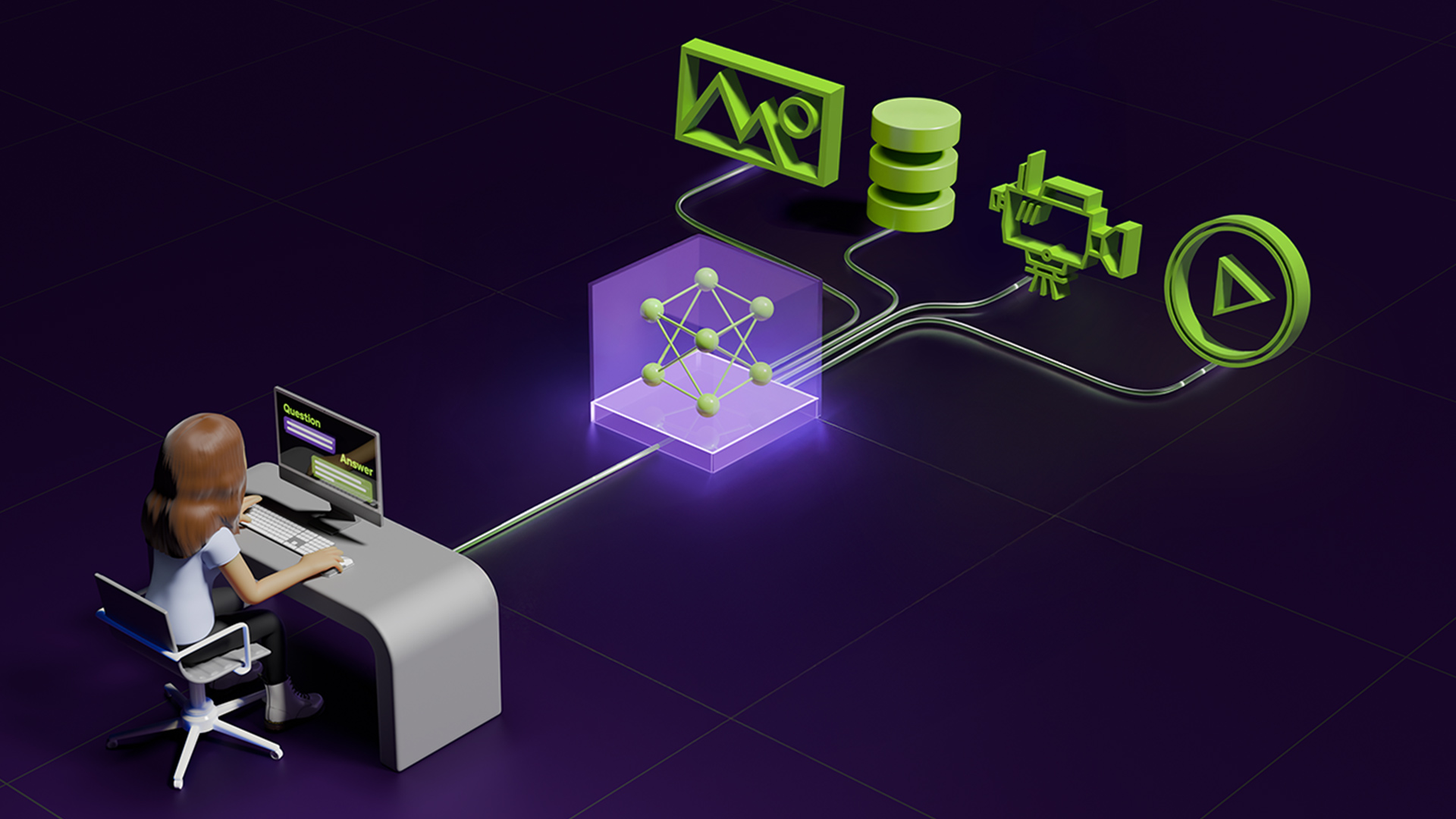
Highlights
- Integration of Extractive and Abstractive Techniques: Combining both methods to deliver concise and coherent summaries.
- Multi-Modal Data Fusion: Leveraging audio, visual, and textual data to capture the full context of video content.
- Advanced NLP Models: Utilizing state-of-the-art transformer-based models such as BERT and GPT variants to enhance summary quality.
Introduction
Video summarization using Natural Language Processing (NLP) has evolved significantly in recent years, driven by the rapid expansion of video content across various platforms. With an abundance of multimedia content, there is a growing need to create concise and informative summaries that help users quickly digest critical information. Advanced methods for video summarization combine the natural language understanding of text, sophisticated computer vision techniques, and multi-modal data analysis to achieve efficient and high-quality results.
Combining multiple modalities – audio, video, and text – plays a pivotal role in these summarization techniques. NLP-based approaches work by transcribing audio to text, analyzing visual cues from video frames, and integrating both extractive and abstractive summarization strategies. This comprehensive approach not only captures the narrative of the video but also preserves context, visuals, and dynamic information.
Key Approaches to Video Summarization Using NLP
1. Transcript-Based Summarization
One of the most fundamental steps in video summarization is the conversion of speech audio into text. Using advanced speech recognition technologies, videos are transcribed into text, which can then be analyzed by various NLP algorithms to extract key points. This process usually involves:
Speech-to-Text Conversion
The initial stage of video summarization is the accurate transcription of audio. Modern speech recognition systems employ deep learning models that convert spoken words into text, ensuring that nuances such as accents, dialects, and background noise are effectively managed. The quality of the transcription directly impacts the subsequent summarization phases.
Text Processing Techniques
Once the transcript is generated, various text processing techniques are applied. These include tokenization, stemming, lemmatization, and stop-word removal. This processed text provides the foundation for both extractive and abstractive summarization techniques.
2. Extractive Summarization
Extractive summarization focuses on identifying and selecting the most pertinent sentences or phrases from the transcript. By leveraging statistical and graph-based algorithms, key segments of the video are extracted to create a concise summary without altering the original sentences.
TF-IDF (Term Frequency-Inverse Document Frequency)
This approach assigns weights to sentences based on the frequency and importance of words. Sentences weighted higher are more likely to contain significant information related to the video's content. TF-IDF helps in succinctly identifying the critical aspects of the transcript.
TextRank and Graph-Based Algorithms
Graph-based methods such as the TextRank algorithm rank sentences by constructing a graph where nodes represent sentences and weighted edges denote mutual similarities. The sentences with the highest scores are deemed essential, ensuring that the summary captures the central details of the video.
Latent Semantic Analysis (LSA)
LSA is used to detect relationships between words and sentences by decomposing the text into a set of concepts. This method uncovers underlying structures in the transcript, enabling the identification of the most representative sentences.
3. Abstractive Summarization
Unlike extractive summarization, abstractive methods generate new sentences that capture the essence of the video content. By interpreting the meaning of the transcript, these methods provide coherent and concise summaries that may include rephrased content, creating a more natural and fluent representation.
Sequence-to-Sequence (Seq2Seq) Models
Seq2Seq models, powered by Recurrent Neural Networks (RNNs), are instrumental in generating summaries. These models encode the input text and then decode it into a shorter version. Incorporating attention mechanisms further refines the process, allowing the model to concentrate on the most significant parts of the transcript.
Transformer-Based Models
Current state-of-the-art approaches make use of transformer-based models like BERT, GPT-3, and their derivatives. These models can understand context, semantics, and the hierarchical structure of the transcript, generating highly coherent summaries that capture the essence of the original video.
Hybrid Approaches
In practice, a hybrid approach that integrates both extractive and abstractive methods often leads to the best performance. By extracting key segments with extractive methods and then refining the narrative using abstractive techniques, a more natural and informative summary is produced.
4. Multi-Modal Data Integration
Advanced video summarization is not solely reliant on textual data. By integrating multiple modalities such as visual and audio components, the resulting summaries are richer and context-aware.
Visual Analysis and Keyframe Extraction
Visual data in videos is processed by identifying keyframes that visually represent crucial moments. Techniques such as YOLO (You Only Look Once) or SSD (Single Shot MultiBox Detector) are used for real-time object detection and scene analysis. These methods select frames that depict significant actions, changes, or key visual information.
Action and Scene Recognition
Beyond single frames, advanced models analyze sequences of frames to understand actions and transitions. By recognizing patterns in movement and shifts in scenes, these models add another layer of depth to the summarization process. This is particularly important in videos where visual context is crucial, such as educational lectures, movies, and sports events.
Audio Signal Analysis
In addition to textual transcription, the audio signal is analyzed to add a layer of emotional and tonal context. Audio cues can indicate mood shifts, emphasize key moments in the video, or provide additional tracking of speaker sentiments. Combining this with visual and text-based analysis results in a holistic summary.
5. Advanced NLP Models and Techniques
The backbone of modern video summarization lies in the effective deployment of advanced NLP models. These models ensure that the summarization process can capture intricate semantic relationships and produce coherent outputs.
BERT and Its Variants
Models such as BERT (Bidirectional Encoder Representations from Transformers) have revolutionized the extraction of meaningful information from text. By understanding the context from both left and right sides of a word, BERT-based models can accurately identify the most important entities, topics, and sentiments in the transcript, ensuring that the summary remains contextually rich.
These models are often fine-tuned for summarization tasks, helping them learn the unique structure and patterns typical of video content.
Attention Mechanisms
Attention-based models further improve the efficiency of summarization by focusing on the parts of the transcript with the highest relevance. By assigning higher weights to critical sentences or phrases, these models enhance the coherence and informativeness of the final summary.
Real-Time Processing and Scalability
With the increasing volume and diversity of video content, real-time summarization is becoming a necessity. Hardware acceleration, optimization techniques, and parallel processing are employed to ensure that NLP algorithms can handle large datasets without significant delays. This is especially important in applications such as live streaming, surveillance, and online media platforms.
Applications of Video Summarization
The techniques described above have transformed how video content is processed, shared, and consumed across various industries. Below, the applications of these summarization techniques are outlined, detailing both consumer and enterprise benefits.
Educational Platforms
In online education, summarization techniques enable the creation of quick overviews for lectures and training sessions. Students can use these summaries to review key points and refresh their understanding before tests or discussions. The ability to generate summaries in multiple languages further enhances accessibility to a global audience.
Media and Entertainment
News outlets and entertainment platforms make extensive use of video summarization. For instance, summarizing news bulletins allows audiences to rapidly digest updated information, while movie trailers often utilize summarization techniques to capture the essence of a film without giving away spoilers.
Corporate and Surveillance Systems
Within the corporate realm, meetings, conferences, and training videos are frequently summarized to save time and improve content accessibility. In surveillance applications, video summaries can quickly highlight critical events from hours of footage, aiding in rapid decision-making and threat assessment.
Social Media and Marketing
With social media platforms prioritizing quick and engaging content, video summarization enables marketers to share bite-sized highlights of longer videos or live events. This increases user engagement and ensures that key information is effectively communicated even on platforms with short attention spans.
Comparative Overview: Extractive vs. Abstractive Methods
To give you a clear understanding of the differences between extractive and abstractive techniques, consider the following table that outlines the key characteristics of each method:
| Characteristic | Extractive Summarization | Abstractive Summarization |
|---|---|---|
| Method | Selects and combines key sentences from the original transcript | Generates new sentences that capture the core meaning |
| Complexity | Lower computational requirements; relies on statistical analysis | Higher computational demands; employs deep learning models |
| Fidelity to Source | High faithfulness to original text | Potential for rephrasing and natural language generation |
| Flexibility | Limited to existing phrases and sentences | More flexible in language generation and paraphrasing |
| Applications | Quick extraction of information with minimal semantic alteration | Creation of fluent and coherent summaries, often used for dynamic content |
By understanding these characteristics, developers and researchers can choose the appropriate summarization method based on the specific requirements of their applications.
Challenges and Future Directions
Despite impressive advancements in video summarization using NLP, several challenges remain that direct current research efforts and future development.
1. Handling Multi-Lingual and Dialect Variations
Creating effective summaries for videos in multiple languages requires robust NLP systems capable of understanding linguistic nuances, idioms, and dialectal variations. Future research is expected to focus on refining multi-lingual models and incorporating language-specific optimizations to enhance performance across diverse datasets.
2. Evaluating Summary Quality
Measuring the quality and coherence of generated summaries is challenging. Established metrics such as ROUGE provide a quantitative measure, but human evaluation remains essential for assessing summary readability, context retention, and relevance. The development of better evaluation metrics that capture nuances in semantics and coherence is an ongoing area of research.
3. Balancing Real-Time Performance with Accuracy
In real-time applications like live streaming and surveillance, the need for rapid processing often conflicts with the complexity of deep NLP models. Optimizing algorithms for speed without sacrificing accuracy is a critical challenge that requires innovations in model architecture and hardware utilization.
4. Integrating Multi-Modal Data Seamlessly
While integrating text, audio, and visual data enhances summary quality, developing systems that can efficiently combine these modalities remains complex. Future solutions must improve cross-modal alignment to ensure that summaries accurately reflect both spoken content and visual context.
Case Studies and Tools in Practice
In practical applications, numerous tools and libraries have emerged that encapsulate the advanced techniques described above. These solutions cater to a wide range of use cases, from educational content to media broadcasting.
Popular Tools and Libraries
A number of open-source tools facilitate the implementation of video summarization:
PyTube
PyTube is commonly used for downloading videos and extracting captions. When paired with other NLP libraries, it can aid in segmenting video content into digestible parts.
Bert Summarizer
Leveraging the power of BERT, tools like Bert Summarizer help in generating coherent summaries from video transcripts by identifying key entities and contextual cues.
Gensim and NLTK
Traditional NLP libraries such as Gensim and NLTK provide a range of summarization utilities, including statistical and graph-based algorithms, making them reliable baselines for extractive summarization.
Industries Benefitting from Video Summarization
Different industries harness the power of video summarization uniquely:
- Education: Summaries of lectures, seminars, and training videos help students quickly review content and prioritize study topics.
- Media and Entertainment: Summaries generate engaging previews for movies, TV shows, and news highlights, providing viewers with quick insights.
- Corporate Communications: Meeting summaries and conference call digests enable efficient information dissemination and save valuable time.
- Surveillance & Security: Summarized footage can help in quickly pinpointing critical events in long surveillance videos, vastly improving responsiveness.
Integration of Customization and Personalization
A notable trend in video summarization is the move towards personalized and customizable summaries. By allowing users to specify parameters such as summary length, key topic focus, or language preferences, technologies can deliver more relevant outcomes.
User-Centric Customizations
Customization features may include:
- Adjusting summary length to suit a user’s reading speed or time constraints.
- Highlighting specific topics or keywords based on the user’s interests.
- Providing summaries in the user’s preferred language, using machine translation combined with NLP summarization techniques.
- Allowing interactive elements where users can request more detailed segments on topics of interest.
Personalized Summaries Using Machine Learning
Through machine learning, models can be fine-tuned on individual user preferences and historical data, leading to effective recommendation systems. This personal approach ensures that the summarization aligns with each user’s specific needs, further enhancing the overall value offered by the summarization tool.
Architectural Framework for Advanced Video Summarization
A robust framework to implement video summarization involves multiple layers of processing, each dedicated to different tasks that reinforce one another for enhanced overall performance.
Step-by-Step Architectural Breakdown
Data Acquisition and Preprocessing
The initial stage includes acquiring raw video data, which is then preprocessed to extract audio, images, and initial transcripts. This data is segmented into manageable chunks for further processing.
Feature Extraction
Both visual and audio features are extracted. For visuals, keyframe extraction techniques and object detection algorithms are applied, while audio features are processed to detect tonal changes and speaker variations.
Multi-Modal Integration
This stage involves combining extracted features from different modalities. The integration enables a comprehensive understanding of the context and content, paving the way for accurate summarization.
NLP-Driven Summarization Layer
At the heart of the system, sophisticated NLP algorithms—both extractive and abstractive—process the integrated data to generate the final summary. Transformer models and attention mechanisms significantly enhance this process.
Post-Processing and Customization
After generating the summary, post-processing modules refine the textual output. These may include grammatical corrections, stylistic adjustments, and customization features based on user preferences.
Conclusion and Final Thoughts
Video summarization using NLP is transforming how we consume multimedia content by condensing lengthy videos into digestible, informative summaries. Advanced techniques, such as the combined use of extractive and abstractive summarization and multi-modal data integration, enable the generation of summaries that maintain high relevance, coherence, and context fidelity.
The application of cutting-edge NLP models, including transformer-based architectures and attention mechanisms, underpins the effectiveness of these techniques. The capacity to process multiple data streams – from audio and text to visual content – equips these systems to produce rich, customizable summaries that cater to diverse sectors ranging from education to corporate communications.
Despite significant progress, challenges such as multi-lingual processing, real-time scalability, and comprehensive multi-modal integration remain areas of active research. As the field evolves, further refinements in model accuracy, speed, and evaluation metrics will undoubtedly elevate the performance and utility of video summarization systems.
In summary, advanced video summarization using NLP stands at the intersection of state-of-the-art machine learning technologies and practical, user-centered applications. The synthesis of multiple modalities and the seamless interplay of descriptive text and visual information ensure that users can quickly grasp complex content. Ongoing research and innovations promise even greater improvements in delivering actionable insights, personalized content, and meaningful summaries.
References
- JETIR Paper - JETIR
- Springer Article - Springer
- IJSDR Paper - IJSDR
- Transkriptor Video Summary - Transkriptor
- ArXiv Paper - ArXiv
Recommended Searches
Last updated February 21, 2025