
Exploring the Intersection of Age and AI’s Impact on Students
An integrated review of age definitions and AI educational outcomes
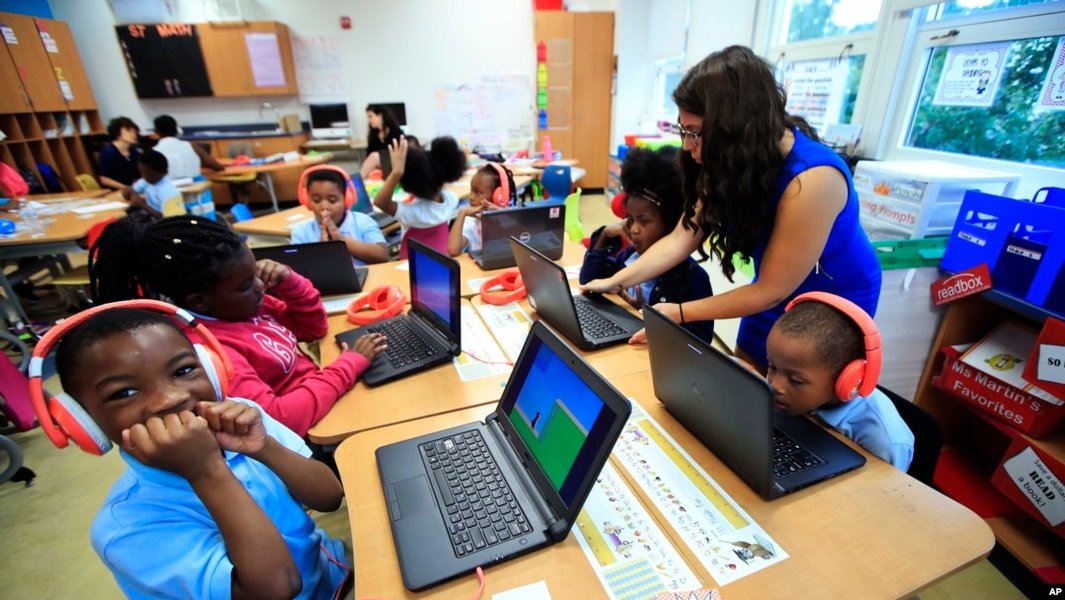
Key Insights
- Multidimensional Age Concept: Age is defined not only by chronological measures but also through psychological, functional, and academic lenses.
- AI’s Differentiated Impact: AI technologies enhance personalized learning and academic performance, while also raising ethical and behavioral challenges across different age groups.
- Holistic Educational Integration: Recognizing various age constructs is critical in tailoring AI implementation to optimize learning and address potential pitfalls.
Understanding Age: A Multifaceted Concept
Age is a multifaceted concept that extends well beyond the simple number of years since birth – the traditional measure known as chronological age. In recent literature, age is also delineated by its functional, developmental, psychological, and academic dimensions:
Chronological Age
Chronological age represents the passage of time from an individual’s birth. This is typically measured in years and is the most common standard used in legal, medical, and social contexts. Its utility is evident in determining eligibility for programs, retirement benefits, and other life benchmarks.
However, this measure has limitations since it does not inherently reflect the complexity of cognitive, social, or physical development. As highlighted in scholarly sources, such simplistic numerical age often fails to capture the nuances related to developmental milestones and individual maturation.
Developmental and Psychological Age
Beyond mere numbers, developmental age examines the physical, cognitive, and emotional progression of individuals. This perspective accounts for varying rates of maturity based on life experiences, health factors, and environmental influences. Psychological age – often referred to as mental or psychosocial age – can diverge significantly from chronological age as it encapsulates an individual’s perception of self, adaptive capacities, and social roles.
Experts refer to this as the “feeling age” or mental maturity where standardized tests, personality assessments, and observed behaviors come into play. For example, research from CEOpedia and Social Sci LibreTexts emphasizes that psychological age relates to aspects such as memory, emotional regulation, and overall wisdom that may be more indicative of an individual's true stage of life than the calendar simply implies.
Functional/Physiological and Academic Age
Functional or physiological age refers to the body's operational efficiency and is used in health diagnostics to better gauge morbidity risks as well as responses to medical treatments. This measure is particularly relevant when tailoring medical care to an individual’s specific needs.
Academic age, on the other hand, relates to the progression of academic skills and tenure in educational contexts. It can be measured either by the duration of study or the active period in research and learning. Academic age is important in evaluative frameworks for both students and scholars alike – providing insights into the relative experience and expertise of individuals in their respective fields.
Sources such as the APA Dictionary of Psychology (2023), the MDPI study (2023), and research available on platforms like ResearchGate illustrate these distinctions. Each source underscores the necessity of approaching age conceptually as a layered indicator rather than a simple chronological metric.
The Impact of Artificial Intelligence on Students
The integration of Artificial Intelligence (AI) in educational environments has profound implications for learning outcomes, pedagogical strategies, student engagement, and overall well-being. AI can offer dynamic, personalized learning experiences and support systems that are responsive to the diverse needs of students. However, its effects vary considerably based on the age group and stage of development of the learners involved.
Enhancing Personalized Learning
One of the most celebrated benefits of AI in education is its capacity to create personalized learning pathways. Adaptive learning systems powered by AI analyze individual students’ behaviors, learning styles, and achievements to tailor instructional content to their specific needs. This personalized approach is especially beneficial in addressing the heterogeneous learning paces of both younger learners and more advanced students.
Research from MDPI (2023) and eschoolnews (2024) highlights that the personalized feedback provided by AI systems can help students improve academic outcomes by bridging gaps in understanding and prompting ongoing assessment. These systems are designed to evolve based on real-time data, ensuring that the educational strategies remain robust and responsive.
Addressing Ethical and Social Concerns
Despite the clear advantages, AI’s use in education also brings forward ethical challenges and operational risks. Among teenagers, for instance, there is a concern regarding potential overreliance on AI tools which may result in academic dishonesty and diminished critical thinking skills. The ease with which AI-generated content can be accessed may encourage a shortcut mentality, where deep learning is overshadowed by convenience.
In this context, educators and policymakers are urged to integrate AI in a manner that augments traditional learning methods rather than completely replacing them. Sources such as the studies published on ResearchGate (2023) and SpringLink (2023) emphasize the need for balanced integration – one which promotes the healthy development of digital literacy and ethical practices among students.
Cognitive and Emotional Implications Across Age Groups
The influence of AI on students is also deeply connected with the age-related developmental stage of the learners involved. For younger students and teenagers, AI acts as a supplementary resource that can help to demystify challenging concepts and support creative problem-solving. However, its overuse may also hinder the organic development of human social skills, critical faculties, and emotional intelligence.
University students, who have typically matured cognitively and emotionally, benefit from AI through enhanced research capabilities, improved time management, and the ability to access around-the-clock academic support. AI-driven chatbots and virtual assistants have been shown to facilitate academic research and provide instant feedback, ultimately contributing to elevated qualitative learning experiences. Journals like those accessed via MDPI and netguru (2023) provide empirical evidence supporting these outcomes.
Moreover, these cognitive and emotional influences must be considered in tandem with the broader concept of age – that is, recognizing that the full educational benefit of AI is not solely determined by the technology itself but also by how it is tailored to meet the specific needs of diverse age groups.
Visualizing Key Comparisons
Radar Chart: Comparative Analysis
The following radar chart visually represents our analysis of various dimensions such as personalized learning, ethical considerations, academic performance, and emotional impact across different age-related constructs. Each axis is indicative of how each variable is affected by AI and age-related factors.
Mapping the Concepts: A Mindmap Overview
Below is a mindmap that encapsulates the relationships between the different formulations of age and the multifaceted impact that AI has on students. It visually links the core ideas, from the chronological anchorage of age to more dynamic aspects such as developmental, psychological, and academic influences.
Integrative Table of Key Concepts
The table below synthesizes the key ideas from recent scholarly sources regarding different aspects of age and the influence of AI on student learning outcomes, ensuring a clear comparison across multiple dimensions.
| Dimension | Description | Key Source(s) |
|---|---|---|
| Chronological Age | The literal measure of time elapsed since birth; widely used for legal and official purposes but limited for deeper educational analysis. | APA Dictionary of Psychology (2023), Merriam-Webster, Wikipedia on Academic Age |
| Developmental/Psychological Age | Reflects the cognitive, emotional, and social maturation processes; influenced by intrinsic and extrinsic factors beyond mere years. | CEOpedia (2023), Social Sci LibreTexts (2023), ResearchGate (2023) |
| Academic Age | Represents the duration and depth of academic or research experience, extending beyond the simple passage of time. | MDPI (2023), Wikipedia on Academic Age, IGI Global |
| AI in Education | Use of adaptive learning systems and AI-powered tools to personalize instruction, augment student support, while posing challenges in ethical usage and academic integrity. | eschoolnews (2024), netguru (2023), SpringerLink (2023) |
| AI and Emotional/Cognitive Impact | Highlights both the benefits for learning enhancement and potential risks for reducing human interpersonal skills and critical thinking. | ResearchGate (2023), SSRN (2024), Healio (2012) |
Additional Multimedia Resource
To further illustrate the transformative potential of AI in education, please view the selected video that examines AI’s evolving role in academic settings, emphasizing how personalized learning platforms empower students.
Frequently Asked Questions (FAQs)
What are the different dimensions of age?
How does AI enhance personalized learning?
What are the ethical challenges of AI in education?
References
- APA Dictionary of Psychology - APA
- The Impact of Artificial Intelligence on Students' Academic Performance - MDPI
- Psychological Age - CEOpedia
-
Academic Age on Wikipedia - FreedomGPT
- Impact of AI in Education - eschoolnews
- AI in Education - Netguru
Recommended Related Queries
Last updated April 1, 2025