
Community Power in the Age of Algorithms: Grassroots Transformative Justice Navigates AI
Exploring how community-led justice models engage with Artificial Intelligence to foster healing and equity beyond traditional systems.
Highlights
- Transformative Justice (TJ) offers community-driven alternatives to traditional legal systems, focusing on root causes, healing, and accountability, particularly crucial for marginalized communities.
- Artificial Intelligence presents a dual impact: It holds potential to enhance access to resources and analyze systemic issues but also risks amplifying bias and inequality if not developed and deployed equitably.
- Grassroots TJ models are adapting by leveraging AI ethically while actively working to counter algorithmic bias, demanding transparency, and centering community power in the development and governance of technology.
Understanding Transformative Justice: A Community-Centered Approach
Before exploring the intersection with Artificial Intelligence (AI), it's essential to grasp the core tenets of Transformative Justice (TJ). It represents a fundamental shift away from punitive measures and state-controlled systems towards community-led solutions.
What is Transformative Justice?
Transformative Justice is a framework and a set of practices developed primarily by and for communities often failed or harmed by traditional justice systems, including Black, Indigenous, People of Color (BIPOC), LGBTQ+ individuals, immigrants, and those impacted by state violence. Unlike retributive justice (focused on punishment) or restorative justice (often focused on repairing harm within existing structures), TJ seeks to:
- Address Root Causes: Identify and tackle the underlying conditions (like poverty, racism, sexism, trauma) that enable harm and violence to occur.
- Center Survivors: Prioritize the needs, safety, and self-determination of those who have experienced harm.
- Promote Accountability: Encourage those who have caused harm to take responsibility, understand the impact of their actions, and change their behavior, without resorting to state punishment like policing or incarceration.
- Build Community Capacity: Strengthen community connections, resources, and skills to prevent harm and respond effectively when it occurs.
- Foster Systemic Change: Work towards transforming the social, economic, and political conditions that perpetuate violence and inequality.
It operates on the principle that justice and safety are best achieved through collective action, mutual support, and addressing harm productively within the community itself.
Why Grassroots Models Matter
The "grassroots" aspect is fundamental. These models are initiated, led, and sustained by community members themselves, not imposed from the outside. This is vital because:
- Relevance: Solutions are tailored to the specific contexts, cultures, and needs of the community.
- Trust: Community-led processes can foster greater trust and participation compared to external or state systems often viewed with suspicion due to historical harm.
- Empowerment: It shifts power back to the community, enabling them to define safety and justice on their own terms.
- Sustainability: Grassroots efforts build long-term capacity within the community to address conflict and harm independently.
Organizations practicing TJ often focus on interventions like community accountability processes, healing circles, survivor support networks, and political education aimed at preventing future violence and building alternative structures for safety outside the carceral state.

Grassroots organizing empowers communities to address systemic issues, including justice.
The Dawn of the AI Era: New Frontiers for Justice
The rapid advancement and integration of Artificial Intelligence into nearly every facet of society present both unprecedented opportunities and significant challenges, particularly for transformative justice efforts within marginalized communities.
AI's Growing Influence
AI is no longer a futuristic concept; it's a present-day reality influencing decisions in finance, healthcare, employment, and increasingly, the justice system. From predictive policing algorithms to AI-powered legal research tools and risk assessment instruments used in sentencing and parole, technology is reshaping how justice is administered and perceived.
The Dual Nature of AI in Marginalized Communities
For marginalized communities already navigating systemic inequalities, AI introduces a complex dynamic:
- Potential for Positive Change: AI could potentially be harnessed to analyze vast datasets to reveal patterns of systemic discrimination, support arguments for reparative policies (like analyzing the economic impacts of historical racism), improve access to information and resources, and even facilitate communication for community-based initiatives.
- Risk of Amplified Harm: AI systems are trained on data reflecting existing societal biases. If not carefully designed and audited, AI tools can inadvertently perpetuate and even exacerbate discrimination. This is evident in biased facial recognition technology, discriminatory algorithms in hiring or loan applications, and risk assessment tools that disproportionately flag individuals from marginalized groups. The lack of diversity in AI development teams often contributes to these biased outcomes.
This duality necessitates a critical and proactive approach from grassroots transformative justice movements.
AI as a Tool for Empowerment in Grassroots TJ
Despite the risks, communities are exploring ways to leverage AI ethically to support transformative justice goals, focusing on enhancing access, efficiency, and the capacity to address systemic issues.
Enhancing Access and Efficiency
Bridging Information Gaps
AI-powered tools like chatbots can be developed to provide accessible information about legal rights, community resources, and harm-reduction strategies, helping individuals navigate complex situations without necessarily engaging with formal, often intimidating, systems.
Scaling Community Efforts
Technology can help scale certain aspects of TJ work. Virtual assistants or platforms could facilitate educational workshops on consent or conflict resolution, manage communication for support networks, or provide anonymous channels for reporting harm or seeking help, reaching more people than purely manual efforts might allow.
Streamlining Operations
AI can potentially automate administrative tasks for grassroots organizations, freeing up valuable human resources to focus on direct support, relationship-building, and facilitating complex accountability processes. Data analysis tools (used cautiously) might offer insights into community needs or patterns of harm to inform prevention strategies.
Analyzing Systemic Injustices
AI's analytical capabilities can be turned towards understanding the root causes TJ seeks to address. Researchers and community groups could potentially use AI to analyze large-scale data on housing discrimination, disparities in policing, or the long-term economic effects of systemic racism, providing evidence to support advocacy for policy change and reparations.
Weighing Potential Benefits and Risks
The integration of AI into grassroots TJ requires careful consideration. The following table outlines some key potential benefits alongside the associated risks:
| Potential Benefit | Associated Risk |
|---|---|
| Increased accessibility to information and resources | Spread of misinformation if AI is not accurate or culturally relevant; digital divide excluding those without tech access. |
| Enhanced efficiency in communication and administration | Loss of essential human connection and nuance; potential for data breaches or surveillance. |
| Data analysis for identifying systemic issues | Reinforcement of biases present in data; misuse of data for profiling or predictive policing. |
| Scaling educational and support initiatives | Impersonal interactions replacing deep relational work; technology failing in crisis situations. |
| Tool for documenting and analyzing harm patterns | Potential for re-traumatization through data collection; data used against communities by state actors. |
Navigating this requires prioritizing TJ principles – consent, accountability, community control – in every technological application.
Confronting the Risks: AI Bias and Systemic Harm
While AI offers potential benefits, the risks it poses, particularly to marginalized communities, are significant and demand proactive strategies grounded in transformative justice principles.
The Danger of Algorithmic Bias
AI systems learn from data. If that data reflects historical and ongoing societal biases (racism, sexism, classism), the AI will learn and replicate those biases, often at scale and hidden behind a veneer of technological objectivity. Examples include:
- Biased Risk Assessments: Tools like COMPAS have been shown to incorrectly flag Black defendants as higher risk than white defendants.
- Discriminatory Financial Tools: Algorithms denying loans or credit based on proxies for race or gender.
- Flawed Facial Recognition: Systems performing poorly on darker-skinned individuals and women, leading to misidentification.
This isn't just a technical glitch; it's a reflection of systemic inequality encoded into technology.
Exacerbating Existing Inequalities
By automating biased decision-making, AI can make it even harder for marginalized communities to access essential resources like housing, employment, healthcare, and financial services. It can solidify existing disparities and create new barriers, further entrenching systemic harm.
The Need for Vigilance and Accountability
Transformative justice movements must actively engage with AI, not as neutral tools, but as systems of power that require critical examination. This involves:
- Demanding transparency in how AI systems are designed and used, especially by state agencies.
- Holding developers and deployers accountable for biased outcomes.
- Advocating for regulations that protect communities from algorithmic harm.
- Developing community-led frameworks for assessing and deploying technology.
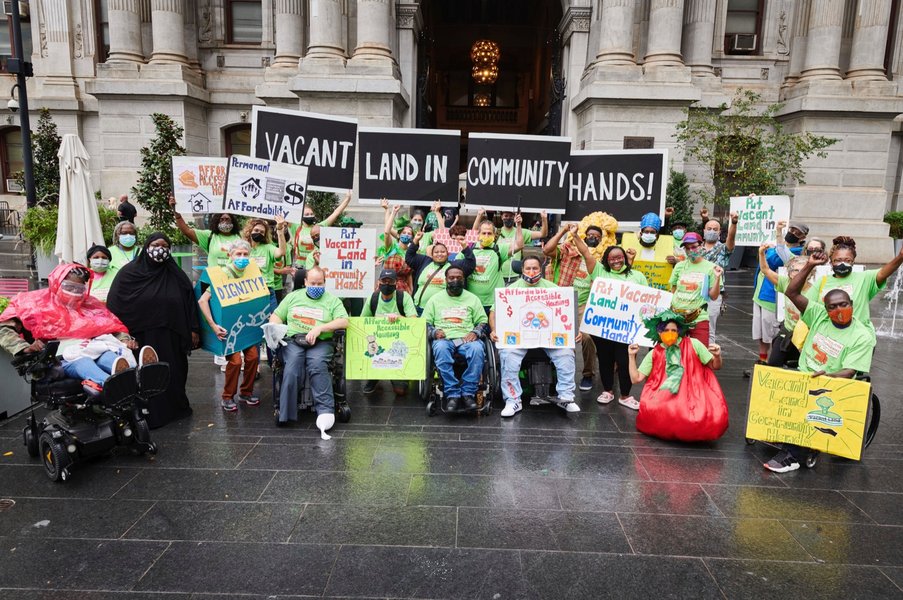
Community focus is essential in navigating the complexities of AI and justice.
Charting the Course: Principles for Ethical AI Integration
To harness AI's potential while mitigating its risks, grassroots transformative justice initiatives must establish clear principles guiding technology's role, ensuring it serves community goals of healing, accountability, and liberation.
Centering Community Power and Input
Technology impacting communities must be shaped by those communities. This means moving beyond simply being data subjects to becoming active participants and decision-makers.
Co-designing AI Tools
When AI tools are considered, they should be co-designed with direct input from the community members who will use or be affected by them, ensuring relevance, usability, and alignment with TJ values.
Community Audits and Oversight
Communities need the capacity and power to audit AI systems for bias and harmful impacts, demanding changes or rejecting technologies that don't serve their interests. Mechanisms for ongoing community oversight are crucial.
Upholding TJ Values in the Digital Realm
The core principles of transformative justice must guide AI integration. This includes adopting frameworks like the DATA principles:
- Diversity: Ensuring diverse representation in AI development teams and datasets to mitigate bias.
- Accessibility: Designing tools that are usable and accessible to everyone, regardless of technical skill or ability, and addressing the digital divide.
- Transparency: Making AI decision-making processes understandable and open to scrutiny.
- Accountability: Establishing clear lines of responsibility for AI harms and mechanisms for redress.
Furthermore, consent, privacy, self-determination, and a focus on healing and prevention must remain paramount.
Comparing Justice Approaches Through a New Lens
The integration of AI prompts a re-evaluation of different justice paradigms. This radar chart compares key dimensions of Traditional (Punitive) Justice, Grassroots Transformative Justice (without significant AI integration), and a hypothetical AI-Infused Grassroots TJ model, highlighting shifts in focus and potential impacts. The scores are illustrative, representing tendencies rather than precise measurements.
This visualization underscores how AI could potentially enhance accessibility but also introduces new risks regarding bias and potentially diluting direct community control if not implemented carefully with TJ principles at the forefront.
Visualizing the Connections: AI and Grassroots Justice Ecosystem
The relationship between AI, transformative justice, and marginalized communities is complex and interconnected. This mindmap illustrates the key elements and their interactions, highlighting the challenges and opportunities inherent in navigating this evolving landscape.
This mindmap shows how the core principles of TJ must inform the community's response to AI, guiding strategies to harness potential benefits while actively mitigating the significant risks, ensuring technology serves liberation rather than oppression.
Voices from the Movement: Understanding Transformative Justice Practices
To truly grasp the essence of transformative justice, it's helpful to hear from practitioners and understand its everyday application. The following video features insights from key figures in the movement, discussing what TJ looks like in practice beyond theoretical concepts. It provides valuable context for how these community-based approaches function and why they are critical alternatives to carceral systems, offering a foundation upon which discussions about AI integration must be built.
"Everyday Practices of Transformative Justice" featuring leading practitioners.
Understanding these ground-level practices highlights the importance of maintaining human connection, nuance, and community control – elements that must be carefully considered and protected when integrating any form of technology, including AI, into TJ work.
Frequently Asked Questions
What is Transformative Justice fundamentally about?
Transformative Justice (TJ) is a community-based approach to preventing and responding to harm, violence, and conflict. Unlike traditional systems focused on punishment (like courts and prisons), TJ seeks to address the root causes of harm, support the healing and self-determination of survivors, foster accountability in those who caused harm without relying on the state, and transform the social conditions that allow violence to occur. It's often led by grassroots efforts in marginalized communities.
How does AI bias specifically impact marginalized communities?
AI bias occurs when algorithms produce discriminatory outcomes due to flawed data or design. For marginalized communities, this can mean being unfairly targeted by predictive policing, denied loans or housing due to biased financial algorithms, facing misidentification by facial recognition technology, or receiving inaccurate risk assessments in the legal system. Because AI systems learn from existing data, they often reflect and amplify societal biases like racism, sexism, and classism, further entrenching systemic inequalities.
Can AI really support genuine justice and healing?
AI's role is complex. It's a tool, and its impact depends entirely on how it's designed, deployed, and governed. Used thoughtfully and ethically, AI could potentially support aspects of justice work by increasing access to information, helping analyze systemic issues, or streamlining certain administrative tasks for grassroots groups. However, it cannot replace the essential human elements of transformative justice: empathy, relationship-building, nuanced understanding of conflict, and community-led healing processes. Genuine justice requires prioritizing these human elements, with technology playing a strictly supportive, carefully controlled role, constantly evaluated for potential harm and bias.
How can communities ensure AI is used ethically in justice work?
Ensuring ethical AI use requires community power and vigilance. Key strategies include: demanding transparency about how AI tools work and are used; advocating for community oversight and input in the development and deployment process (co-design); developing community capacity to audit AI for bias and harm; establishing clear ethical guidelines grounded in TJ principles (like consent, accountability, anti-oppression); prioritizing data privacy and security; and always centering human relationships and community well-being above technological efficiency.
References
- How Transformative Justice Responds To Violence Without the Carceral System - TransformHarm.org
- AI and Racial Justice: Navigating the Dual Impact on Marginalized Communities - Nonprofit Quarterly
- AI Bias: Marginalized Communities At Risk - AI Competence
- Abolition means presence: transformative justice in the age of COVID-19 - ROAR Magazine
- Transformative Justice — The Digital Abolitionist
- AI for Social Justice: Empowering Underrepresented Communities - AI Empower
- Transformative Approaches to Conflict Resolution - The Commons Social Change Library
Recommended Further Exploration
Last updated April 26, 2025