
Understanding AI Capabilities in Generating Citations
Harnessing AI for Accurate and Reliable Referencing
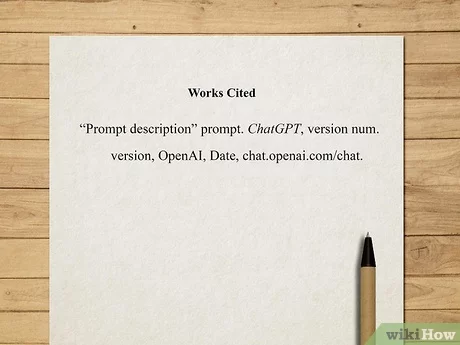
Key Takeaways
- AI can assist in generating citations across various styles, enhancing research efficiency.
- Verification is essential as AI-generated citations may sometimes be inaccurate or fabricated.
- Utilizing specialized AI tools can improve the reliability and formatting of citations.
Introduction
In the realm of academic and professional writing, citations serve as the backbone of credibility and intellectual honesty. They acknowledge the original sources of information, ideas, and data, allowing readers to verify and explore further. With the advent of artificial intelligence (AI), the process of generating citations has become more streamlined. This comprehensive guide delves into the capabilities of AI in generating citations, explores best practices, and highlights essential considerations to ensure accuracy and reliability.
Understanding Citations
Purpose of Citations
Citations play a critical role in academic and professional writing by:
- Providing credit to original authors and creators.
- Enabling readers to locate and verify sources.
- Demonstrating the depth and breadth of research conducted.
- Avoiding plagiarism by acknowledging borrowed ideas.
Common Citation Styles
Various citation styles cater to different disciplines and preferences. The most prevalent include:
- APA (American Psychological Association): Widely used in social sciences.
- MLA (Modern Language Association): Common in humanities disciplines.
- Chicago: Utilized in history and some social sciences.
AI's Role in Generating Citations
Capabilities of AI in Citation Generation
Modern AI tools are equipped to assist in generating citations across various styles, significantly reducing the time and effort required by researchers. These tools can:
- Automatically format citations according to selected styles.
- Integrate with databases to fetch accurate bibliographic information.
- Provide suggestions for in-text citations and reference lists.
Advantages of Using AI for Citations
Employing AI for citation generation offers several benefits:
- Efficiency: Rapidly generates citations, allowing writers to focus on content creation.
- Consistency: Ensures uniform formatting across all references.
- Accessibility: Simplifies the citation process for users unfamiliar with specific styles.
Best Practices for Using AI-Generated Citations
Verifying AI-Generated Citations
While AI tools can expedite citation creation, it's imperative to verify the accuracy of the generated citations. Common issues include:
- Hallucinations: Instances where AI fabricates sources that do not exist.
- Formatting Errors: Incorrect adherence to citation style guidelines.
- Incomplete Information: Missing essential details like page numbers or publication dates.
To mitigate these issues:
- Cross-check citations with original sources.
- Use multiple AI tools to compare citation outputs.
- Stay updated with the latest guidelines of citation styles.
Integrating AI Tools with Reference Managers
Reference management software, such as Zotero or EndNote, can complement AI citation tools by:
- Organizing and storing references systematically.
- Synchronizing citations across multiple documents.
- Providing additional formatting options and customization.
Challenges and Considerations
Reliability of AI-Generated Citations
The reliability of AI in citation generation is influenced by:
- Training Data: AI's knowledge is based on the data it was trained on, which may not encompass the most recent publications.
- Algorithm Limitations: AI may struggle with non-traditional sources or complex citation requirements.
- User Input: Inaccurate or incomplete prompts can lead to erroneous citations.
Users should approach AI-generated citations as facilitators, not replacements, ensuring due diligence in verification.
Ethical Implications
The use of AI in citation generation raises ethical considerations:
- Plagiarism Risks: Incorrect citations can inadvertently lead to plagiarism.
- Intellectual Property: Proper acknowledgment of original ideas is crucial.
- Transparency: Clearly indicating the use of AI tools maintains academic integrity.
Adhering to ethical guidelines ensures the responsible use of AI in academic and professional settings.
Enhancing Citation Accuracy with Specialized AI Tools
Advanced AI Citation Tools
Several specialized AI tools focus on improving citation accuracy and reliability:
- Sourcely: Identifies and highlights citation-worthy text within documents.
- CustomGPT.ai: Offers citations from multiple databases, enhancing source diversity.
- ContextCite: Traces the origins of sources used in AI-generated content.
Integrating AI with Academic Databases
Seamless integration between AI tools and academic databases can:
- Ensure access to up-to-date and credible sources.
- Facilitate automated fetching of accurate bibliographic information.
- Reduce the incidence of fabricated or non-existent citations.
Best Practices When Using AI for Citations
Choosing the Right AI Tool
Selecting an AI tool that aligns with your citation needs is crucial. Considerations include:
- Compatibility: Ensure the tool supports your preferred citation styles.
- Accuracy: Opt for tools known for reliable and precise citation generation.
- User Reviews: Leverage feedback from other users to gauge effectiveness.
Maintaining Academic Integrity
Upholding academic integrity involves:
-
Always verifying the authenticity of AI-generated citations.
-
Properly attributing all sources, including those assisted by AI.
-
Maintaining transparency about the use of AI tools in your research process.
Conclusion
AI has undeniably transformed the landscape of citation generation, offering unprecedented efficiency and convenience. However, the reliability of AI-generated citations hinges on diligent verification and ethical usage. By integrating specialized AI tools, adhering to best practices, and maintaining a commitment to academic integrity, users can harness the full potential of AI in enhancing their research and writing endeavors.
References
| Feature | APA | MLA | Chicago |
|---|---|---|---|
| Primary Use | Social Sciences | Humanities | History and some Social Sciences |
| In-Text Citation | (Author, Year) | (Author Page) | Footnotes or Endnotes |
| Reference List Title | References | Works Cited | Bibliography |
| Author Names Format | Last name, First initial. | Last name, First name. | First name Last name. |
| Date Placement | Immediately after author | Typically at the end | Varies based on style |
Last updated February 11, 2025