
The Role of AI in Shaping Consumer Decision-Making for Personal Care Products
Unveiling how artificial intelligence transforms personalization and consumer engagement in beauty and skincare
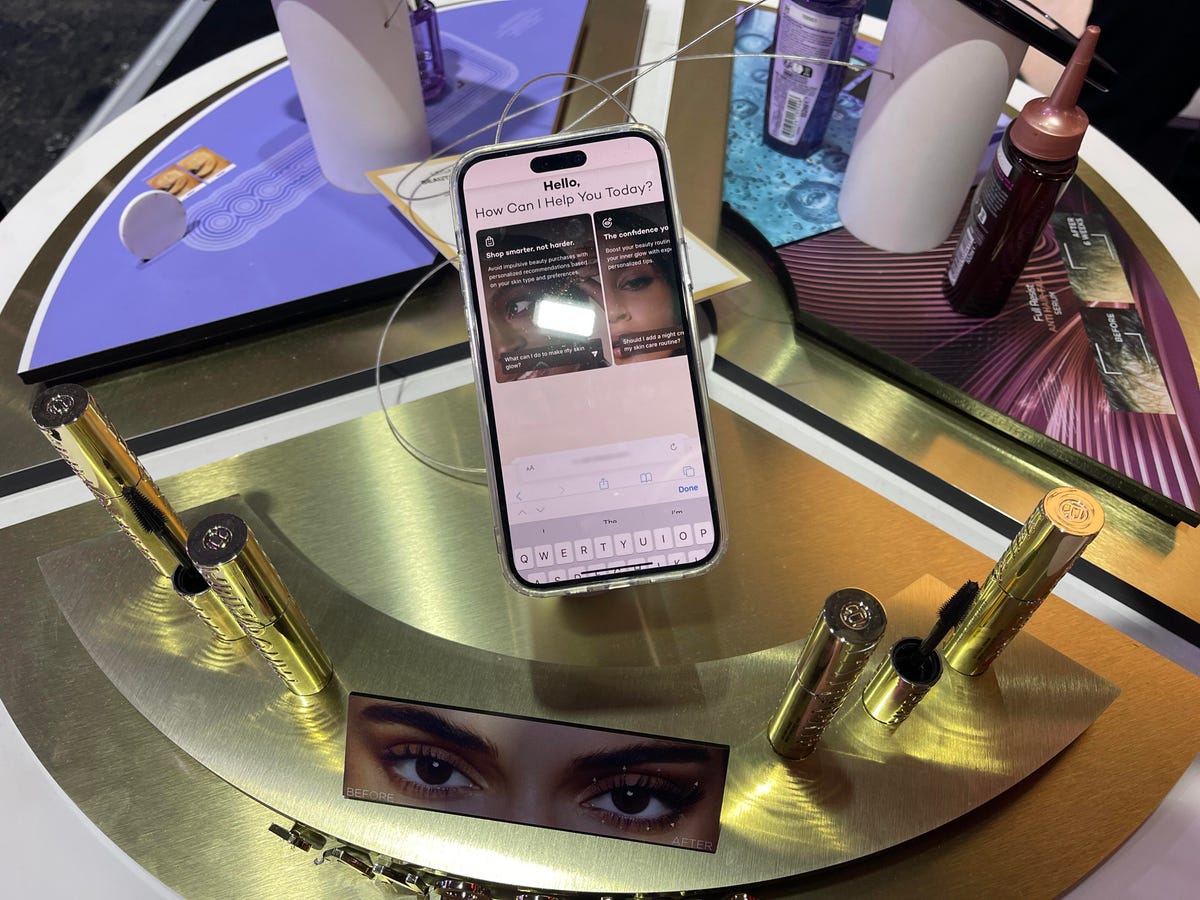
Key Insights
- Personalization and Virtual Experiences: AI drives individualized recommendations and virtual try-ons that empower consumers to make informed choices.
- Trend Forecasting and Product Development: Data analytics and machine learning predict emerging trends, influencing product innovation in the personal care industry.
- Consumer Engagement and Ethical Implications: AI enhances real-time customer service while raising important concerns about data privacy and ethical responsibilities.
Introduction
The personal care product sector is undergoing a technological renaissance, prominently influenced by Artificial Intelligence (AI). AI is reinventing consumer decision-making by introducing personalized experiences, virtual product try-ons, and insightful analytics that reveal consumer trends and preferences. This research article explores the multifaceted impact of AI on consumer behavior, with particular emphasis on innovation in personalized product recommendations, trend forecasting, and the ethical considerations arising from advanced data analytics. As AI technologies continue to evolve, their pivotal role in transforming how consumers interact with beauty and skincare products becomes increasingly evident.
Personalization and Virtual Experiences
Tailoring Experiences Through Data-Driven Insights
One of the most profound influences of AI in the personal care industry is the capacity to deliver personalized product recommendations. Advanced algorithms analyze vast amounts of data, including individual skin type, purchase history, and user preferences, to formulate suggestions that match a consumer's unique needs. AI platforms, such as those employed by innovative brands like Function of Beauty and Proven Skincare, exemplify this trend by utilizing data-driven insights to create formulations and cosmetic recommendations tailored to each user.
Virtual Try-Ons and Augmented Reality (AR) Tools
Another significant breakthrough is the development of virtual try-on experiences through AR. Consumers can now simulate makeup applications, hair colors, and even skincare effects in a digital environment before making a purchase decision. This not only enhances the consumer experience but also minimizes post-purchase dissonance by providing a realistic preview of the product on the consumer’s own face. Virtual try-on tools have been adopted widely by beauty brands looking to bridge the gap between physical product testing and online retailing.
The incorporation of virtual experiences into the decision-making process is particularly pertinent in an era where digital engagement is paramount. By leveraging smartphone cameras and sophisticated AR filters, companies enable consumers to experiment with different looks, ultimately enhancing product confidence.
Trend Forecasting and Consumer Insights
Harnessing Big Data for Predicting Consumer Preferences
AI's capacity to analyze large datasets is reshaping the way companies forecast market trends in the personal care industry. By scrutinizing data from social media platforms, product reviews, and consumer feedback, AI tools are now capable of detecting subtle shifts in consumer behavior. This predictive capability allows brands to adjust their product lines, introducing formulations that align with emerging trends such as clean beauty, eco-friendly ingredients, and microbiome-focused skincare.
Real-Time Analytics and Proactive Innovation
Real-time analytics provide actionable insights that guide strategic decisions, from the development of new product lines to targeted marketing efforts. For instance, AI has been central to the discovery of innovative ingredients, optimizing formulations not only for enhanced performance but also for sustainability. Brands using AI-driven predictive analytics can identify trends like probiotic skincare or waterless formulations well before they become mainstream, thereby positioning themselves as market leaders.
This approach to trend forecasting ensures that product development programs are flexible and immediately responsive to the ever-changing consumer landscape. By leveraging sophisticated data models, companies can transform raw data into predictive insights that shape future product designs.
Consumer Engagement and Ethical Considerations
Enhancing User Experience Through AI-Powered Interaction
Another transformative aspect of AI in the personal care industry is the improvement in consumer engagement. AI-powered chatbots and virtual assistants now offer round-the-clock support, providing immediate responses and personalized advice that reshape the traditional customer service model. Through real-time interactions, these systems assist consumers in selecting products that best match their skin and lifestyle needs. The result is an engaging and frictionless shopping experience that drives customer satisfaction and brand loyalty.
Balancing Personalization With Ethical Concerns
Despite the significant benefits, the integration of AI also surfaces several ethical challenges. A key concern is data privacy. As companies rely on detailed consumer data to personalize product recommendations, it becomes crucial to maintain transparency regarding data collection and usage practices. Consumers are increasingly cognizant about their digital footprints and demand that brands uphold stringent data protection standards.
There is also the issue of algorithmic fairness. As algorithms are designed to optimize the decision-making process, they must be regularly audited for biases that can affect marginalized groups or skew product recommendations. The importance of ethical AI practices in ensuring consumer trust cannot be overstated. Brands must balance the enhancement of decision-making with the protection of consumer autonomy, maintaining transparency and accountability in how AI systems are employed.
AI in Product Development and Innovation
Driving New Formulations Through Data Analysis
Beyond mere personalization, AI is fundamentally altering the way new personal care products are developed. By processing complex data sets on chemical interactions and consumer feedback, AI assists researchers and product developers in discovering novel ingredients that meet consumer demands for efficacy and environmental safety. This method of leveraging AI not only speeds up product development but also informs safer and more sustainable formulations.
Examples of AI-Driven Product Development
Some brands have already embraced AI-driven product development:
- Proven Skincare: Uses an AI system called “The Skin Genome Project” to analyze thousands of ingredients and millions of consumer reviews, creating personalized skincare solutions.
- Function of Beauty: Applies AI to assess customer data and deliver custom hair and skincare products, effectively targeting individual needs.
These applications illustrate how AI not only enhances the consumer experience with tailored recommendations but also contributes to innovation by paving the way for entirely new product categories in the personal care industry.
Data-Driven Decision Making & Comprehensive Analysis
Integrating Multiple Analytical Dimensions
The comprehensive approach to consumer decision-making in the personal care sector involves several layers:
| Aspect | AI Functionality | Consumer Benefit |
|---|---|---|
| Personalization | Data analysis to recommend products based on individual traits | Enhanced product matching and customer satisfaction |
| Virtual Try-Ons | AR integrations for real-time product testing | Reduced risk of dissatisfaction and improved engagement |
| Predictive Analytics | Trend monitoring and forecasting through big data | Proactive product development and trend alignment |
| Consumer Service | AI-driven chatbots and virtual assistants | Smooth and interactive shopping experiences |
| Ethical & Transparent Practices | Auditing algorithms and secure data management | Maintained consumer trust and compliance |
The table above summarizes how AI addresses different aspects of consumer decision-making. Each layer of functionality—from personalized product recommendations and virtual try-ons to robust analytics and ethical considerations—contributes to a more informed, efficient, and satisfying consumer experience.
Ethical Considerations and Future Directions
Safeguarding Data and Ensuring Fairness
As AI continues to reshape the consumer landscape, ethical considerations must remain at the forefront. With the pervasive use of consumer data for personalization, ensuring data privacy is critical. Ethical AI practices require transparency on how data is collected, stored, and used to enable consumers to trust the systems that guide their purchasing decisions.
Balancing Algorithmic Insights and Consumer Autonomy
AI algorithms must be designed not only to enhance decision-making but also to respect consumer autonomy. This balance involves maintaining clear boundaries between algorithmic assistance and independent consumer choice. Regulators and industry bodies are increasingly advocating for guidelines and audits to prevent potential biases and ensure that AI supports rather than usurps human decision-making.
Looking ahead, the evolution of AI in the beauty and personal care sector is set to accelerate with advancements in machine learning, improved AR capabilities, and deeper integration of real-time analytics. These techniques will further refine how products are recommended, how trends are identified, and how ethical standards are maintained as AI becomes more embedded in the daily consumer experience.
Implications for Brands and Consumers
Transforming the Business Paradigm
For brands, the integration of AI is not merely a technological upgrade but a strategic shift that redefines market dynamics. By leveraging AI, companies can significantly enhance customer engagement methods, optimize their product development processes, and align more closely with consumer needs. The transition towards hyper-personalization allows brands to build stronger relationships with their customers and even cultivate long-term loyalty.
Case Studies in Effective AI Adoption
Numerous case studies have demonstrated the concrete benefits of adopting AI in personal care:
- Proven Skincare and Function of Beauty: Their AI-driven algorithms provide custom skincare and haircare solutions based on intricate analyses of consumer data.
- Brands Utilizing Virtual Try-Ons: Companies that have invested in AR-driven virtual experiences report higher conversion rates and reduced product returns, bolstering consumer confidence in online purchases.
These examples underline the transformative potential of AI not only as a tool for consumer empowerment but also as a strategic asset that drives efficiency, optimizes product pipelines, and reinforces brand reputation.
References
- AI in Beauty and Personal Care - Novus Insights
- The Beauty of AI - CosmeticsDesign
- Next Level Personalization in Personal Care - DKSH
- Leveraging AI for Consumer Insights - AIPalette
- AI's Impact on Consumer Behavior - Forbes
Recommended Related Queries
Last updated March 19, 2025