
Unlock Your Earnings: Launching a Profitable AI Course in 2025
Your complete guide to AI course ideas, strategic pricing, and effective sales funnels for maximum impact.
Key Insights for Your AI Course Venture
- Diverse Course Opportunities: Focus on practical applications like Generative AI for business, AI Product Management, industry-specific solutions (Fintech, HealthTech), or foundational AI for non-technical roles.
- Strategic Pricing Tiers: Offer a range from free introductory content to attract leads, mid-range courses ($200-$1000+) for comprehensive learning, and premium certifications or bootcamps ($2000-$5000+).
- Automated Sales Funnels: Implement a multi-stage funnel (Awareness, Interest, Consideration, Decision) leveraging AI tools for personalization, lead nurturing via email sequences, and targeted offers to maximize conversions.
Exploring Viable AI Course Topics for 2025
The demand for AI knowledge is booming across all sectors. Positioning your course effectively requires identifying high-demand areas where learners seek practical, applicable skills. Here are several promising avenues:
1. Foundational AI Concepts
Demystifying AI for Everyone
Many professionals and beginners need a solid understanding of AI basics without diving deep into complex coding. Courses can cover:
- Introduction to Artificial Intelligence and Machine Learning (ML).
- Core concepts like neural networks, supervised vs. unsupervised learning, and Natural Language Processing (NLP).
- Basic data science principles and data-driven decision-making using AI.
- Python fundamentals specifically tailored for AI applications.
- Target Audience: Beginners, students, non-technical professionals aiming to understand AI's impact on their roles.
2. Specialized AI Tools and Technologies
Mastering Practical AI Implementation
Focus on teaching specific, in-demand AI tools and their applications:
- Generative AI Applications: Using tools like ChatGPT, Midjourney, DALL·E for content creation, marketing copy, design, and business process automation. Courses could cover prompt engineering or building simple generative AI applications.
- AI for Business Processes: Teaching AI tools for pricing optimization (like AI-driven resilient pricing strategies), sales funnel automation, customer service chatbots, or cloud cost management.
- AI Platforms and Frameworks: Courses on using specific platforms like Google AI Platform, AWS SageMaker, or libraries like TensorFlow or PyTorch (potentially geared towards a more technical audience).
- AI Course Creation Tools: Teaching educators or creators how to leverage AI tools (like Heights AI or Kajabi AI) to build and market their own courses.
- Target Audience: Marketers, content creators, business owners, educators, developers seeking specific tool proficiency.

Leveraging AI tools can significantly enhance the creation of interactive learning materials.
3. AI Product Management and Strategy
Building the Future with AI Products
With AI becoming integral to product development, dedicated courses are highly valuable:
- Integrating AI into product workflows and roadmaps.
- Developing and validating AI product ideas (ideation, MVPs).
- Writing AI-specific Product Requirement Documents (PRDs).
- Managing AI development teams and projects.
- Understanding AI ethics and responsible AI implementation in products.
- Go-to-market strategies and pricing models for AI SaaS products.
- Target Audience: Product Managers, aspiring PMs, entrepreneurs, tech leaders.
4. AI for Specific Industries
Tailoring AI Solutions for Niche Markets
Develop courses demonstrating AI's application within particular sectors:
- Fintech: AI for fraud detection, algorithmic trading, credit scoring, cost analysis.
- Healthcare (HealthTech): AI for diagnostics support, drug discovery, personalized medicine, patient monitoring.
- eCommerce: AI for personalized recommendations, dynamic pricing, fake review detection, chatbot customer service.
- Marketing & Sales: AI for lead generation, customer segmentation, personalized advertising, sales forecasting, funnel automation.
- Real Estate: AI for property valuation, market trend analysis, virtual property tours.
- Cybersecurity: AI for threat detection, anomaly detection, automated security responses.
- Education (eLearning): AI for personalized learning paths, automated grading, AI-enhanced course creation.
- Target Audience: Professionals within these industries seeking to leverage AI for competitive advantage or efficiency.
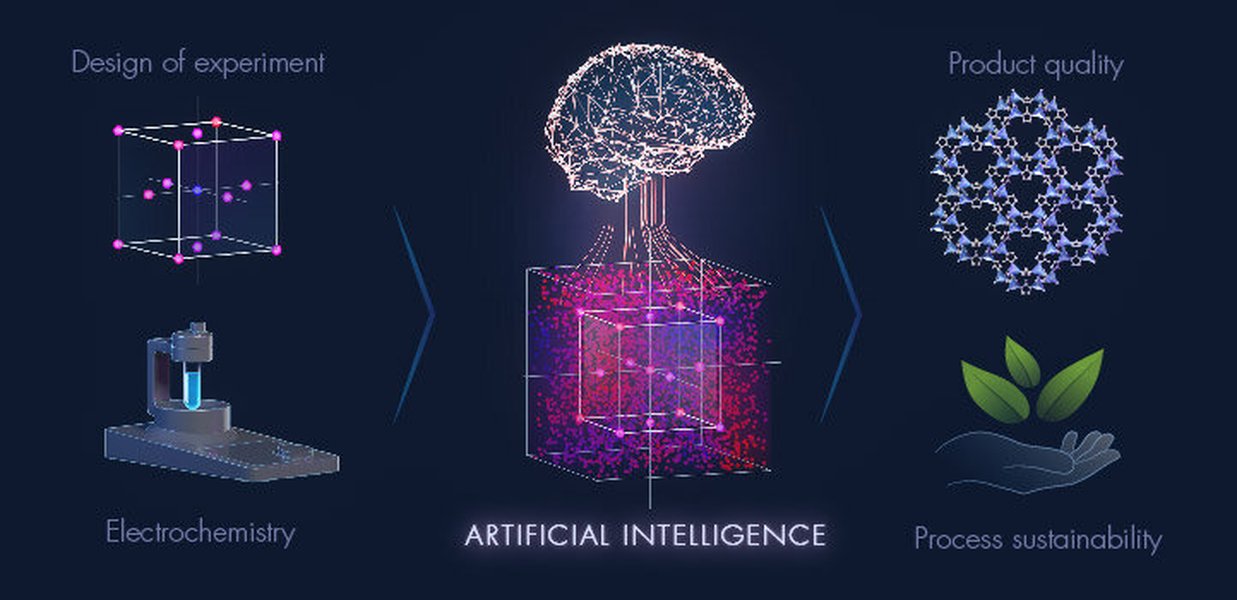
AI and machine learning are transforming fields like materials science, enabling cleaner manufacturing processes.
5. Ethical AI and Responsible Implementation
Navigating the Complexities of AI Governance
As AI adoption grows, so does the need for understanding its ethical implications:
- Identifying and mitigating bias in AI algorithms.
- Principles of fairness, transparency, and accountability in AI systems.
- Developing governance frameworks for AI deployment.
- Understanding the societal impact of AI technologies.
- Target Audience: Business leaders, policymakers, AI developers, compliance officers.
Visualizing AI Course Potential
To help conceptualize the landscape of potential AI courses, the following chart assesses different course types based on several key factors. These assessments are based on current market trends and perceived potential, not precise data.
This chart suggests that while specialized AI tool courses (like Generative AI) have high demand and profit potential, they also face higher competition and require significant content effort. Foundational and Ethical AI courses might have slightly lower demand but potentially less competition and lower technical barriers to entry for creation.
Structuring Your AI Course Offering
A mindmap can help visualize the core components involved in planning and launching your AI course business.
(GenAI, Pricing AI)"] id1c["AI Product Management"] id1d["Industry-Specific AI
(Fintech, Health, eCommerce)"] id1e["Ethical AI"] id2["Pricing Strategy"] id2a["Free / Lead Magnet"] id2b["Low-Tier ($50-$200)"] id2c["Mid-Tier ($200-$1000+)"] id2d["High-Tier / Premium ($2000-$5000+)"] id2e["Subscription / Tiered Access"] id3["Sales Funnel"] id3a["Top (TOFU): Awareness"] id3a1["Free Content (Webinars, Guides)"] id3a2["Social Media & SEO"] id3a3["Paid Ads"] id3a4["Lead Magnets"] id3b["Middle (MOFU): Nurturing"] id3b1["Email Sequences"] id3b2["Case Studies / Testimonials"] id3b3["Q&A / Sample Lessons"] id3b4["AI Chatbots"] id3c["Bottom (BOFU): Conversion"] id3c1["Sales Page / Course Offer"] id3c2["Discounts / Bonuses"] id3c3["Payment Plans"] id3c4["Guarantees"] id3d["Post-Purchase: Retention"] id3d1["Community / Forum"] id3d2["Upsells (Advanced Courses)"] id3d3["Feedback & Support"] id3d4["AI Learner Analytics"] id4["Key Considerations"] id4a["Target Audience Definition"] id4b["Platform Selection (LMS)"] id4c["Content Quality & Practicality"] id4d["Marketing & Promotion"] id4e["Utilizing AI in Course/Funnel"]
This mindmap outlines the interconnected elements: defining your course niche, setting appropriate prices, building a step-by-step sales funnel, and considering essential operational factors.
Determining Your Course Price Point
Pricing your AI course requires balancing perceived value, market rates, course depth, and your target audience. Based on current offerings in 2025, consider these tiers:
Pricing Tiers Explained
- Free or Low-Cost (Under $100): Often used as lead magnets or introductory offers. Ideal for basic concepts or tool overviews. Many platforms host free generative AI courses to attract learners.
- Mid-Range ($200 - $1,000+): This is common for comprehensive, self-paced courses covering specific skills like AI product management fundamentals or generative AI applications. Examples include nanodegrees priced monthly (e.g., $399/month) or full courses in the $500-$800 range.
- High-End / Premium ($2,000 - $5,000+): Reserved for intensive bootcamps, certification programs, cohort-based courses with live instruction, personalized feedback, career support, or corporate training packages. AI Product Management certifications can reach $2,495 or even higher for premium tiers.
- Subscription/Tiered Models: Similar to SaaS pricing, offering basic access for a lower monthly fee (e.g., $15-$30/month) with premium tiers unlocking more content, features, or support. This works well for continuously updated content or access to AI tools.
Factors Influencing Price
- Course Depth and Length: Longer, more in-depth courses command higher prices.
- Target Audience: Enterprise or executive training justifies higher prices than beginner courses.
- Included Features: Live sessions, coaching, certifications, community access, hands-on projects add value.
- Instructor Expertise and Reputation: Established experts can charge premium rates.
- Market Competition: Research competitor pricing, but focus on your unique value proposition.
Consider starting with mid-range pricing and potentially offering introductory discounts or tiered options to test the market.
Building an Effective Sales Funnel
A well-structured sales funnel guides potential customers from initial awareness to becoming enrolled students. Leveraging AI within the funnel can enhance personalization and efficiency.
The Stages of an AI Course Sales Funnel
1. Top of Funnel (TOFU): Awareness & Lead Generation
- Goal: Attract potential learners.
- Tactics:
- Offer valuable free content: Blog posts, webinars on AI trends, downloadable guides (e.g., "AI Tools Checklist"), free mini-courses, or course previews.
- Use SEO to target relevant keywords (e.g., "learn generative AI," "AI product management course").
- Run targeted social media or search engine ads.
- Create compelling landing pages offering lead magnets in exchange for email sign-ups.
- Use AI content generation tools to scale content creation.
2. Middle of Funnel (MOFU): Nurturing & Engagement
- Goal: Build trust and demonstrate course value.
- Tactics:
- Automated email sequences educating leads about AI benefits and course outcomes.
- Share case studies, student testimonials, or success stories (e.g., how businesses optimized pricing with AI learned in the course).
- Host live Q&A sessions, webinars diving deeper into course topics, or offer sample lessons.
- Use AI chatbots to answer frequently asked questions and guide prospects.
- Offer "tripwire" products – low-cost mini-courses ($9-$47) to convert leads into initial buyers.
3. Bottom of Funnel (BOFU): Conversion
- Goal: Encourage enrollment.
- Tactics:
- Present the full course offer on a dedicated sales page with clear value propositions, curriculum details, instructor bio, and pricing.
- Offer limited-time discounts, early bird pricing, or special bonuses (e.g., coaching call, extra templates).
- Provide payment plan options to reduce financial barriers.
- Use AI-driven personalization to tailor offers based on lead behavior or expressed interests.
- Include risk reducers like money-back guarantees or certificates of completion.
- Implement clear calls-to-action (CTAs).
4. Post-Purchase: Retention & Upsell
- Goal: Foster community, encourage completion, and promote further learning.
- Tactics:
- Build an engaged student community (forum, private group).
- Offer excellent student support and course updates.
- Promote advanced courses, workshops, or one-on-one coaching as upsells.
- Gather feedback and testimonials for future marketing.
- Use AI to analyze learner progress and suggest relevant next steps or supplementary materials.
Automating parts of this funnel using email marketing platforms and potentially AI-powered CRM or sales tools can significantly streamline the process.
Exploring AI Product Ideas
Understanding the landscape of potential AI products can inspire your course content. Many successful digital products can be created efficiently using AI tools, forming the basis of practical, project-based courses. This video explores several ideas:
This video discusses six digital product ideas achievable with AI, relevant for course creators seeking practical project inspiration.
The video highlights how AI can accelerate the creation of digital products like ebooks, templates, or even simple tools, which aligns perfectly with teaching practical AI application skills. You could structure course modules around guiding students to create similar products using AI, providing them with tangible outcomes and potential income streams, thus increasing your course's value proposition.
Summary Table: AI Course Categories
This table summarizes the key AI course categories discussed, highlighting potential target audiences and common topics:
| Course Category | Primary Target Audience | Example Topics | Key Focus |
|---|---|---|---|
| Foundational AI Concepts | Beginners, Non-Technical Professionals, Students | Intro to ML, Neural Networks Basics, AI Terminology, Data Concepts | Understanding AI principles and impact |
| Specialized AI Tools & Tech | Marketers, Creators, Developers, Business Users | Generative AI (ChatGPT, Midjourney), AI Pricing Tools, AI for Automation, Specific AI Platforms | Practical tool proficiency and application |
| AI Product Management | Product Managers, Entrepreneurs, Tech Leaders | AI Strategy, AI Roadmapping, Writing AI PRDs, Managing AI Teams, AI Ethics in Products | Building and managing AI-powered products |
| AI for Specific Industries | Industry Professionals (Finance, Health, eCommerce, etc.) | AI in Fintech, AI Diagnostics Support, AI for eCommerce Personalization, AI Marketing Automation | Applying AI to solve industry-specific challenges |
| Ethical AI & Responsibility | Leaders, Developers, Policymakers, Compliance Officers | AI Bias Mitigation, Fairness & Transparency, AI Governance Frameworks, Societal Impact | Ensuring responsible AI development and deployment |
Frequently Asked Questions (FAQ)
What kind of AI skills are most in demand for courses?
Practical application skills are highly sought after. This includes using generative AI tools for business tasks (content creation, automation), AI for data analysis and decision-making, AI product management principles, implementing AI in specific industries (like marketing or finance), and understanding AI ethics and responsible use. Courses focused on hands-on projects often have higher perceived value.
How long should an AI course typically be?
Course length varies greatly depending on the topic and depth. Short introductory courses or mini-courses might be 1-5 hours. Comprehensive specialization courses often range from 10-40+ hours of content, potentially spread over several weeks or months (especially for nanodegrees or bootcamps). Focus on delivering clear value and achieving the stated learning outcomes rather than a specific hour count.
Do I need to be a coder or data scientist to create an AI course?
Not necessarily. While technical expertise is needed for deep-dive coding or algorithm courses, many valuable AI courses focus on strategy, application, ethics, product management, or using no-code/low-code AI tools. You can teach how to *use* AI effectively in business or creative fields without needing advanced programming skills yourself. Focus on your area of expertise where AI intersects.
How can I validate my AI course idea before creating it?
Validate your idea by researching market demand (keyword search volume, competitor analysis), surveying your target audience, running a small pilot program or workshop, offering a pre-sale with an outline, or building a landing page to gauge interest via sign-ups. Engaging with potential students in online communities (like LinkedIn groups or relevant forums) can also provide valuable feedback.
Recommended Further Exploration
- How can AI tools specifically assist in creating and marketing online courses?
- What are the pros and cons of different pricing strategies (subscription vs. one-time fee) for AI courses?
- Can you provide examples of successful curriculums for AI product management courses?
- What are the specific steps to build an automated sales funnel using AI for an educational product?
References
Last updated May 4, 2025