
Research Proposal: Evaluating the Impact of AI-Driven Cybersecurity Measures on System Security Performance in People’s Bank Branches, Anuradhapura District
A Comprehensive Study on Enhancing Cybersecurity through Artificial Intelligence
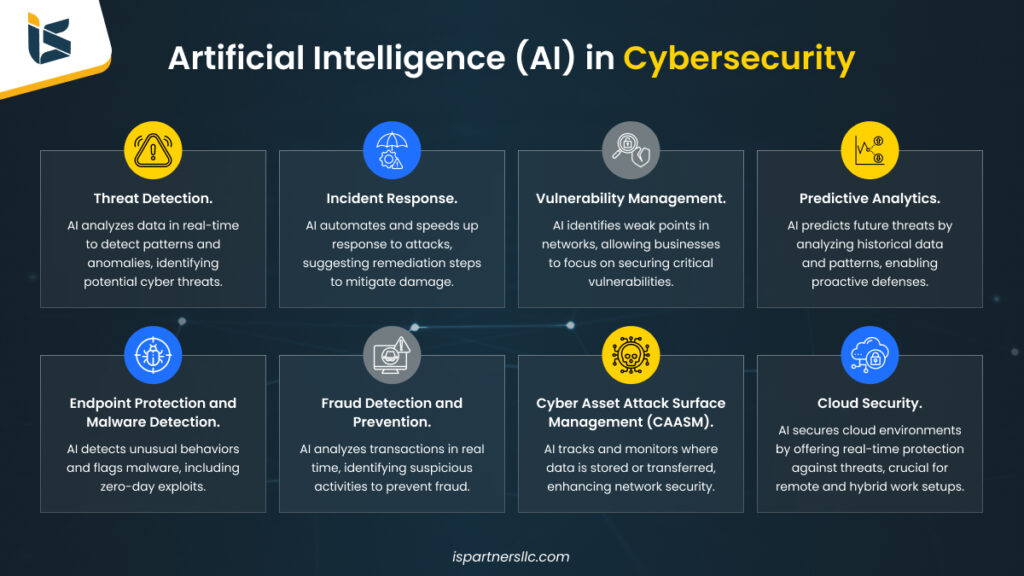
Key Takeaways
- AI Integration: Implementation of AI-driven technologies significantly enhances the detection and response capabilities against cyber threats.
- Employee Training: Regular and specialized cybersecurity training for employees is crucial in maximizing the effectiveness of AI measures.
- Resource Allocation: Adequate investment in cybersecurity infrastructure and resources directly correlates with improved system security performance.
1. Introduction & Background
The rapid advancement of artificial intelligence (AI) has revolutionized various sectors, with cybersecurity being a notable beneficiary. In the banking sector, particularly within regional branches such as those of People’s Bank in the Anuradhapura District, the integration of AI-driven cybersecurity measures is pivotal in safeguarding sensitive financial data and maintaining customer trust. This research proposal aims to evaluate the impact of AI-driven cybersecurity measures on the system security performance of People’s Bank branches in Anuradhapura District.
2. Statement of the Problem
As cyber threats become increasingly sophisticated, traditional cybersecurity measures may fall short in providing adequate protection. People’s Bank branches in Anuradhapura District are seeking to enhance their security frameworks through AI-driven solutions. However, the effectiveness of these measures, when combined with other factors such as employee training and resource allocation, remains underexplored. This study addresses this gap by evaluating how AI-driven cybersecurity measures impact system security performance.
3. Research Objectives
- To assess the impact of AI integration on system security performance.
- To determine how cybersecurity policies influence system security.
- To evaluate the role of employee training in enhancing cybersecurity measures.
- To analyze the effect of resource allocation on overall system security performance.
4. Variables and Research Questions
4.1 Variables
Dependent Variable:
System Security Performance
Independent Variables:
- AI Implementation Level
- Employee Cybersecurity Training
- Frequency of Security Audits
- Investment in Cybersecurity Infrastructure
4.2 Research Questions
Dependent Variable - System Security Performance:
- How does the implementation of AI-driven cybersecurity measures affect the frequency of security breaches in People’s Bank branches?
- What is the correlation between AI-driven cybersecurity measures and the downtime experienced due to security incidents?
- How do AI-driven cybersecurity measures influence the response time to security threats in the bank's systems?
- What is the impact of AI-driven cybersecurity measures on the overall security posture of People’s Bank branches?
Independent Variable 1 - AI Implementation Level:
- To what extent have AI-driven cybersecurity measures been implemented across People’s Bank branches in Anuradhapura District?
- How does the level of AI implementation correlate with the perceived effectiveness of cybersecurity measures?
- What challenges have been encountered in implementing AI-driven cybersecurity measures?
- How does the level of AI implementation affect the bank's ability to adapt to new cybersecurity threats?
Independent Variable 2 - Employee Cybersecurity Training:
- How frequently do employees at People’s Bank receive cybersecurity training?
- What is the impact of regular cybersecurity training on employees' ability to recognize and respond to security threats?
- How does the quality of cybersecurity training influence the overall security awareness within the bank?
- What types of cybersecurity training are most effective in enhancing system security performance?
Independent Variable 3 - Frequency of Security Audits:
- How often are security audits conducted at People’s Bank branches?
- What is the relationship between the frequency of security audits and the detection of security vulnerabilities?
- How do regular security audits influence the bank's proactive approach to cybersecurity?
- What improvements in system security performance can be attributed to more frequent security audits?
Independent Variable 4 - Investment in Cybersecurity Infrastructure:
- What level of investment has People’s Bank made in cybersecurity infrastructure over the past year?
- How does the investment in cybersecurity infrastructure correlate with the effectiveness of AI-driven cybersecurity measures?
- What specific cybersecurity technologies have been invested in, and how have they impacted system security performance?
- How does the bank's investment in cybersecurity infrastructure compare to industry standards?
5. Research Methodology
5.1 Research Philosophy
This study adopts a positivist philosophy, emphasizing objective measurement and the testing of hypotheses using quantitative data. This approach facilitates the identification of patterns and relationships between AI-driven cybersecurity measures and system security performance.
5.2 Research Approach
A deductive approach will be employed, starting with the hypothesis that AI-driven cybersecurity measures positively impact system security performance. This will be followed by data collection and analysis to test the validity of this hypothesis.
5.3 Research Strategy
The research will utilize a survey-based cross-sectional strategy, collecting data from employees and IT staff across People’s Bank branches in the Anuradhapura District.
5.4 Research Choice
A mono-method quantitative research design will be adopted, using structured questionnaires as the primary data collection tool to ensure consistency and ease of analysis.
5.5 Time Frame
The research will be conducted over a six-month period, structured as follows:
- Month 1: Literature review and questionnaire design
- Month 2: Pilot testing and finalizing the questionnaire
- Months 3-4: Data collection
- Month 5: Data analysis
- Month 6: Reporting results
6. Data Collection Procedures and Methods
6.1 Type of Data
The study will collect quantitative data, primarily numerical measurements derived from survey responses related to system security performance and AI implementation.
6.2 Data Collection Method
Structured questionnaires will be administered both online and in paper-based formats to ensure accessibility and high response rates.
6.3 Data Collection and Analysis Tools
- Data Collection: Google Forms for online surveys and manual entry for paper-based responses.
- Data Analysis: SPSS software will be used for statistical analysis, including descriptive statistics, correlation analysis, and regression analysis.
6.4 Questionnaire Structure
The questionnaire will be divided into three sections:
-
Demographics: Collecting background information of the respondents.
-
AI Implementation Details: Questions related to the extent and nature of AI integration in cybersecurity measures.
-
System Security Performance Metrics: Assessing the effectiveness of AI-driven measures on security performance.
7. Data Storage and Security
All collected data will be stored securely on encrypted servers, with access restricted to the research team only. Data will be anonymized to protect participant confidentiality and comply with data protection regulations.
8. Target Population and Sampling
8.1 Target Population
The target population includes all employees and IT staff at People’s Bank branches in the Anuradhapura District who are directly involved in or knowledgeable about cybersecurity measures and system performance.
8.2 Sampling Strategy
A stratified random sampling strategy will be employed to ensure representation across different branches and roles within the bank.
8.3 Sample Size
Aiming for a sample size of 300 respondents, the study will include a diverse group of participants to enhance the generalizability of the findings.
8.4 Selection of Participants
Participants will be selected based on their roles within the bank, focusing on those with at least one year of experience in the IT or security departments to ensure informed responses.
9. Reliability, Validity, and Generalizability
9.1 Reliability
Reliability will be ensured through the use of standardized and pilot-tested questionnaires, with Cronbach’s alpha calculated to assess internal consistency.
9.2 Validity
Content validity will be achieved by aligning questionnaire items with the study’s objectives and obtaining expert reviews. Construct validity will be evaluated using factor analysis techniques.
9.3 Generalizability
The use of stratified random sampling and a sufficient sample size will facilitate the generalization of findings to similar banking environments within comparable districts.
10. Ethical Considerations
10.1 Informed Consent
All participants will receive clear information about the research purpose, procedures, potential risks, and benefits. Informed consent will be obtained prior to participation.
10.2 Confidentiality
Participants’ identities will be kept confidential by anonymizing responses. Data will be stored securely to prevent unauthorized access.
10.3 Voluntary Participation
Participation will be entirely voluntary, with participants having the right to withdraw at any time without any repercussions.
10.4 Data Protection
The study will adhere to relevant data protection laws, ensuring that all data handling practices comply with regulatory standards.
11. Conclusion
This research proposal outlines a comprehensive study aimed at evaluating the impact of AI-driven cybersecurity measures on system security performance within People’s Bank branches in the Anuradhapura District. By employing a robust quantitative methodology and focusing on critical variables such as AI implementation, employee training, security audits, and resource allocation, the study seeks to generate actionable insights that can enhance cybersecurity frameworks and contribute to the overall security posture of the banking sector.
12. References
Last updated February 11, 2025