
Revolutionize Your Training Programs: The Rise of AI-Powered Training Systems
Unlock the potential of AI to transform your training initiatives and empower your workforce with intelligent, adaptive learning experiences.
Key Highlights of AI-Driven Training Systems
- Personalized Learning Paths: AI algorithms analyze individual learner data to create customized training experiences, maximizing knowledge retention and skill development.
- Automated Content Creation: AI can generate training materials, quizzes, and assessments, significantly reducing the time and resources required to develop engaging content.
- Intelligent Feedback and Support: AI-powered chatbots and virtual assistants provide instant support and personalized feedback to learners, enhancing their learning journey.
The Role of AI in Modern Training Programs
AI is revolutionizing the way training programs are designed, delivered, and evaluated. By leveraging AI technologies, training professionals can create more engaging, effective, and personalized learning experiences. AI-driven training systems analyze learner data, automate content creation, and provide intelligent support, leading to improved knowledge retention, skill development, and overall training outcomes.
How AI is Transforming the Training Landscape
Artificial intelligence (AI) is rapidly changing the landscape of corporate training, offering innovative solutions to enhance the learning experience and improve employee performance. AI-powered training systems are becoming increasingly popular due to their ability to personalize learning paths, automate content creation, and provide intelligent feedback. These advancements enable organizations to deliver more effective and efficient training programs that cater to the unique needs of each learner.
The AI Agent Training Instructor: A New Era of Training
An AI agent training instructor leverages AI technologies to automate and enhance various aspects of the training process. This includes:
- Personalized Learning: Adapting the training content and pace to match the individual learner's needs and skill level.
- Automated Content Creation: Generating training materials, quizzes, and assessments using AI algorithms.
- Intelligent Feedback: Providing instant feedback and guidance to learners through AI-powered chatbots and virtual assistants.
- Performance Analysis: Tracking learner progress and identifying areas for improvement using AI analytics.
By automating these tasks, AI agent training instructors can free up human trainers to focus on more strategic and creative aspects of training, such as mentoring, coaching, and curriculum development.
Building a Comprehensive AI-Powered Training System
Creating an effective AI-driven training system involves several key steps. These include identifying training needs, selecting appropriate AI technologies, designing personalized learning paths, developing engaging content, and continuously evaluating and improving the system.
Identifying Training Needs and Objectives
The first step in building an AI-powered training system is to identify the specific training needs and objectives of the organization. This involves conducting a thorough needs analysis to determine the skills and knowledge gaps that need to be addressed. Once the training needs have been identified, clear and measurable learning objectives should be established to guide the design and development of the training program.
Selecting the Right AI Technologies
A variety of AI technologies can be used to enhance training programs, including machine learning, natural language processing, and computer vision. The choice of AI technologies will depend on the specific training needs and objectives. For example, machine learning can be used to personalize learning paths and provide intelligent feedback, while natural language processing can be used to automate content creation and provide virtual assistant support.
Designing Personalized Learning Paths
One of the key benefits of AI-powered training systems is their ability to personalize learning paths for each individual learner. By analyzing learner data, such as their skills, knowledge, and learning preferences, AI algorithms can create customized training experiences that are tailored to their specific needs. This ensures that learners are able to focus on the areas where they need the most improvement, leading to more efficient and effective learning outcomes.
Developing Engaging and Interactive Content
Engaging content is crucial for effective training. AI can assist in generating various types of content, including:
- Interactive Simulations: AI can create realistic simulations that allow learners to practice their skills in a safe and controlled environment.
- Gamified Learning Modules: AI can incorporate game-like elements into training modules to increase learner engagement and motivation.
- Adaptive Assessments: AI can generate assessments that adapt to the learner's skill level, providing a more accurate measure of their knowledge and understanding.
Continuous Evaluation and Improvement
The final step in building an AI-powered training system is to continuously evaluate and improve the system based on learner feedback and performance data. This involves tracking learner progress, identifying areas for improvement, and making adjustments to the training content and delivery methods as needed. By continuously evaluating and improving the system, organizations can ensure that their training programs remain effective and relevant over time.
Practical Applications of AI in Training
AI-Powered Content Creation
AI can automate the creation of training materials, saving time and resources. This includes generating text, images, and even videos for training modules. AI can also personalize content based on the learner's role, skill level, and learning style.
AI-Driven Personalized Learning
AI algorithms can analyze learner data to identify knowledge gaps and tailor training content accordingly. This ensures that learners focus on the areas where they need the most improvement. Personalized learning paths can significantly improve knowledge retention and skill development.
AI-Enabled Virtual Assistants and Chatbots
AI-powered virtual assistants and chatbots can provide instant support to learners, answering questions and resolving issues in real-time. This reduces the burden on human trainers and ensures that learners receive the help they need when they need it.
AI-Based Performance Analysis and Feedback
AI can track learner progress and identify areas for improvement. This data can be used to provide personalized feedback to learners and to adjust the training program as needed. AI-based performance analysis can help organizations to measure the effectiveness of their training programs and to identify areas for improvement.
Examples of AI Training Platforms
Several platforms offer AI-driven training solutions, enabling businesses to implement these technologies effectively. Here's a look at some of them:
| Platform Name | Key Features | Benefits |
|---|---|---|
| Microsoft Learn | Personalized learning paths, interactive modules, skill challenges | Comprehensive AI skill development, role-based learning, Microsoft product integration |
| NVIDIA Deep Learning Institute (DLI) | Hands-on workshops, expert instruction, industry-recognized certification | Specialized AI and data science training, focus on NVIDIA technologies, career advancement |
| NobleProg | Instructor-led courses, customized training programs, on-site or remote delivery | Practical AI implementation, real-world problem-solving, flexible learning options |
| ZhongAn AI Training Assistant | Scenario-based human-machine interaction, intelligent dialogue training | Improved communication skills, enhanced customer service, realistic training simulations |
This table illustrates the diverse range of AI training platforms available, highlighting their features and benefits. Choosing the right platform depends on your specific training needs and objectives.
Visualizing the Impact of AI in Education and Training
AI is transforming education and training by enabling personalized learning, automating administrative tasks, and providing data-driven insights. The images below illustrate various applications of AI in educational settings, from AI-powered tutoring systems to AI-driven curriculum development.

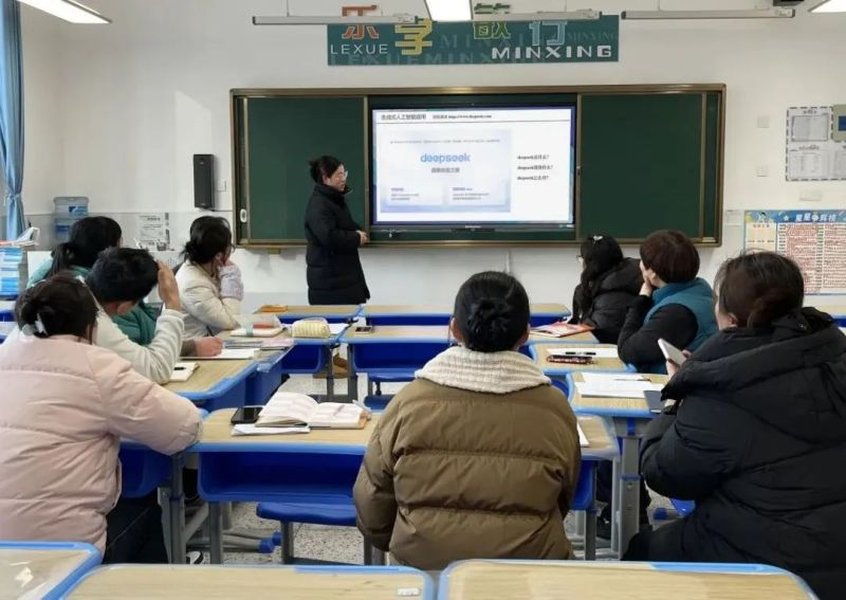

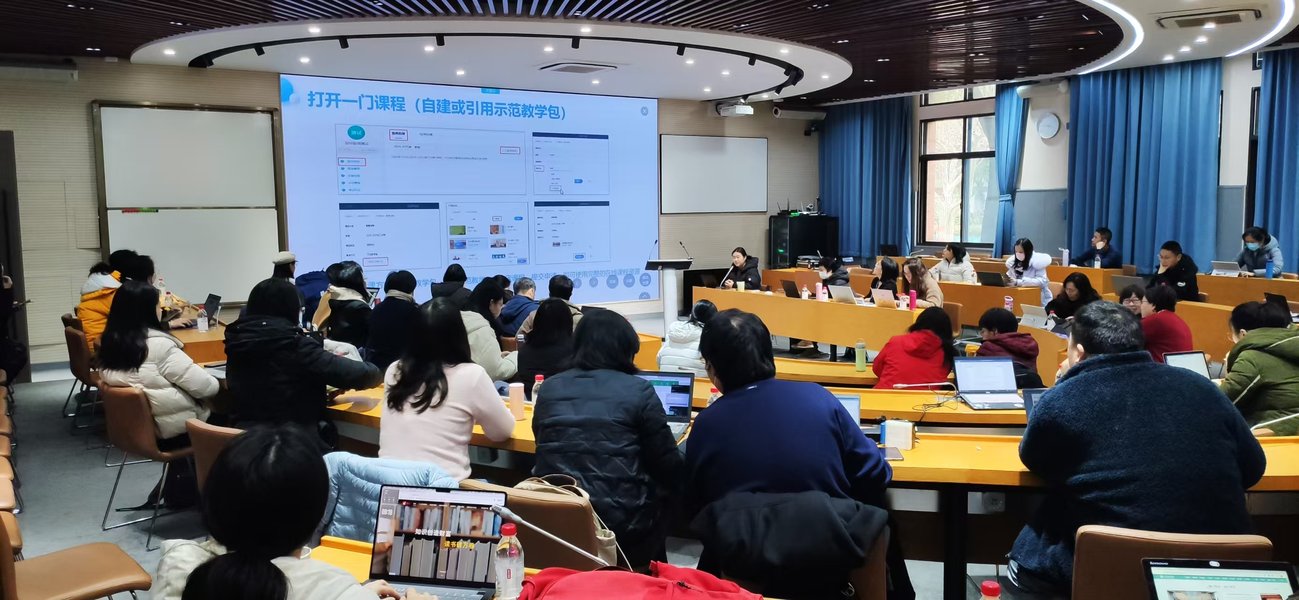
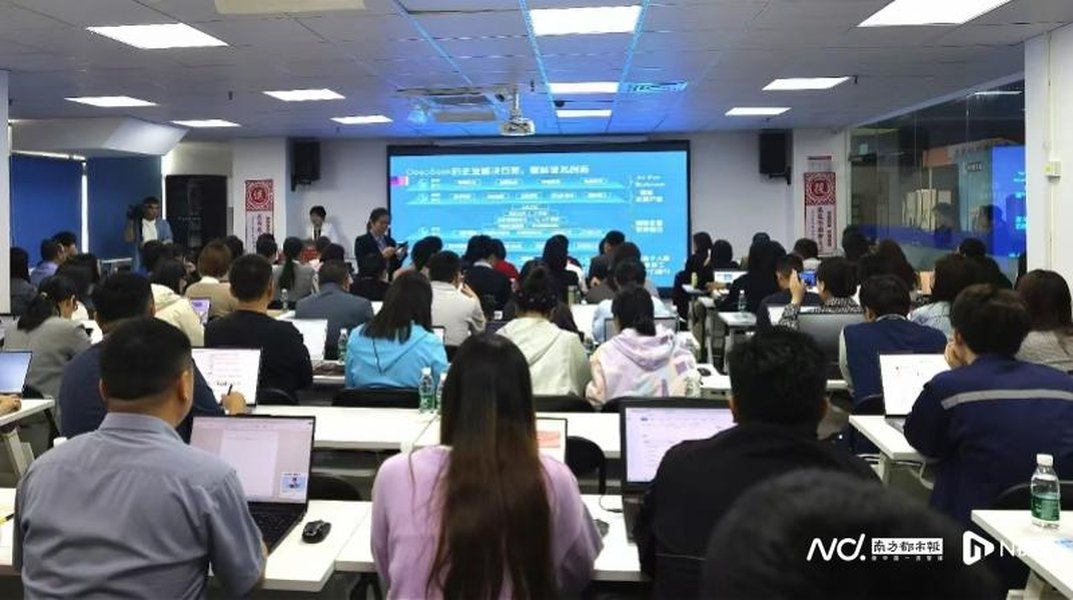
These images collectively showcase how AI is being integrated into various educational environments to enhance learning experiences, streamline administrative processes, and empower both educators and learners. AI's ability to personalize instruction, automate tasks, and provide data-driven insights makes it a valuable tool for improving educational outcomes and preparing students for the future.
Deep Dive: Leveraging AI for Personalized Training with Microsoft Copilot Studio
This video explores how to build custom GPT assistants using Microsoft Copilot Studio, a low-code platform that allows you to create AI-powered chatbots and virtual assistants. This is highly relevant because it demonstrates a practical application of AI in creating personalized and interactive training experiences. By leveraging Copilot Studio, you can develop AI agents that can guide learners through training materials, answer their questions, and provide personalized feedback, ultimately enhancing their learning journey.
Challenges and Considerations
While AI offers significant benefits for training, there are also challenges to consider. These include:
- Data Privacy and Security: Protecting learner data is crucial. Organizations must implement appropriate security measures to ensure that learner data is not compromised.
- Ethical Considerations: AI algorithms can be biased, leading to unfair or discriminatory training outcomes. Organizations must ensure that their AI algorithms are fair and unbiased.
- Implementation Costs: Implementing AI-powered training systems can be expensive. Organizations must carefully consider the costs and benefits before investing in AI training technologies.
FAQ: Frequently Asked Questions
References
Last updated April 10, 2025