
Exploring the World of AI Image Generation
Unlocking Creativity with Text-to-Image Models in 2025
As an AI assistant, I don't directly "generate" images myself in the same way a dedicated AI image generation tool does. My function is to process and synthesize information to answer your questions. However, I can certainly tell you all about AI image generation and the tools available in 2025 that can create visuals from text descriptions!
The field of AI image generation has seen rapid advancements, allowing users to create stunning and unique visuals with just a few words. These tools utilize sophisticated machine learning models trained on vast datasets of images and text to interpret prompts and produce corresponding images. Whether you're an artist looking for inspiration, a marketer needing custom graphics, or simply curious about the possibilities, AI image generators offer exciting avenues for creativity.
Key Highlights of AI Image Generation in 2025
- Cutting-edge Models: In 2025, models like DALL-E 3, GPT-4o, Midjourney, and Stable Diffusion are at the forefront, offering impressive capabilities in interpreting complex prompts and generating high-quality images.
- Increased Accessibility: Many platforms are making AI image generation more user-friendly, with intuitive interfaces and integrations into existing design tools like Canva and Microsoft Designer. Free options are also available, allowing wider access to this technology.
- Evolving Capabilities: AI image generators are getting better at handling challenging aspects like rendering accurate text within images and producing photorealistic results, although some quirks with details like hands and teeth can still occur.
Understanding AI Image Generation
AI image generation works by using machine learning models, often based on architectures like Generative Adversarial Networks (GANs) and transformers. These models have been trained on massive datasets containing pairs of images and their corresponding text descriptions. When you provide a text prompt, the AI analyzes the words and concepts to generate a new image that aligns with your description.
Think of it like teaching a computer to understand the relationship between language and visuals. By seeing countless examples, the AI learns to associate specific words and phrases with certain visual characteristics, styles, and compositions. When given a new prompt, it uses this learned knowledge to construct a novel image pixel by pixel.
The Power of Prompts
The text prompt is crucial for guiding the AI's output. A well-crafted prompt is specific and descriptive, providing details about the subject, style, mood, and any other elements you want to include. Experimenting with different phrasing and keywords can significantly impact the generated image. Some platforms also allow for "image prompts," where you can provide a reference image to influence the style or composition of the generated output.
For example, instead of just "a cat," a more descriptive prompt like "an oil painting of a fluffy orange cat sitting on a windowsill, with soft sunlight streaming through the glass" will likely produce a more specific and artistic result.
Leading AI Image Generators in 2025
The landscape of AI image generators is constantly evolving, with new tools and updates emerging regularly. Here are some of the most prominent and highly-regarded AI image generators available in 2025:
DALL-E 3 by OpenAI
DALL-E 3 is widely recognized for its ability to understand and accurately follow complex and lengthy prompts. Integrated with ChatGPT, it offers a conversational approach to image generation, allowing users to refine their requests iteratively. It excels at rendering text within images, a common challenge for many other models.
DALL-E 3 is accessible through ChatGPT Plus subscriptions and also via Microsoft Designer and Bing Chat, making it available to a broad audience.
Midjourney
Midjourney is renowned for producing highly artistic and aesthetically pleasing images, often with a distinct visual style. While traditionally accessed through Discord, it is gradually transitioning to its own web platform, offering more direct access to users. Midjourney is a popular choice for artists and those seeking creative inspiration.
Stable Diffusion
Stable Diffusion is an open-source model that offers a high degree of customization and control. It serves as the foundation for many other AI image generation tools and platforms. Its open-source nature allows developers to build upon it and create specialized applications. Stable Diffusion is known for its flexibility, although it may require more technical understanding for advanced use.
GPT-4o Image Generation
OpenAI's GPT-4o model includes enhanced image generation capabilities that are significantly improved over previous iterations. Leveraging the model's understanding of language and context, GPT-4o can generate images that align closely with detailed prompts and demonstrate a better grasp of human characteristics and scenes.
Adobe Firefly
Integrated within Adobe's Creative Cloud suite, Adobe Firefly is designed with creative professionals in mind. It offers features like Generative Fill for adding or removing objects and the ability to generate images with a focus on commercial use and copyright safety. Firefly's integration with other Adobe tools makes it a powerful option for designers.
Canva's AI Image Generator
Canva, a popular graphic design platform, offers its own AI image generator, integrating models like DALL-E and Imagen. This makes AI image generation easily accessible within the design workflow, allowing users to create visuals directly within their Canva projects.
Leonardo AI
Leonardo AI is gaining popularity for its user-friendly interface and comprehensive free plan. It provides ample generation credits and various customization options, making it a great choice for beginners and those on a budget. Leonardo AI focuses on providing tools for creatives to generate high-quality images quickly.
Other Notable Generators
Several other AI image generators are available, each with its unique strengths. These include:
-
ImageFX by Google: Known for its experimental features and focus on text effects.
-
Microsoft Designer's Image Creator: Utilizes DALL-E 3 and is freely available.
-
Craiyon: A free and easy-to-use option for generating AI art without requiring a login.
-
DeepAI: Offers a straightforward text-to-image generator.
-
Meta AI: Accessible across Meta platforms like Facebook and Instagram, offering simple image generation.
Comparing AI Image Generators
Choosing the best AI image generator depends on your specific needs and preferences. Consider factors like ease of use, output quality, available features, and pricing.
| AI Image Generator | Key Strengths | Accessibility | Considerations |
|---|---|---|---|
| DALL-E 3 | Complex prompt understanding, text rendering, conversational interface | ChatGPT Plus, Microsoft Designer, Bing Chat | Subscription required for full access |
| Midjourney | Artistic quality, aesthetic appeal | Discord (transitioning to web) | Can have a learning curve for prompting |
| Stable Diffusion | Customization, open-source, flexibility | Various platforms and interfaces | Can be more complex for beginners |
| GPT-4o | Improved image generation within a multimodal model | Integrated within GPT-4o access | Availability depends on GPT-4o access |
| Adobe Firefly | Integration with Adobe Creative Cloud, generative fill, commercial use focus | Adobe Creative Cloud | Primarily for Adobe users |
| Canva's AI Image Generator | Integration with design workflow, ease of use | Canva platform | Usage limits on free plan |
| Leonardo AI | User-friendly interface, generous free plan, customization options | Web platform | Paid plans for full feature set |
This table provides a high-level comparison to help you navigate the options available in 2025.
Examples of AI Generated Images
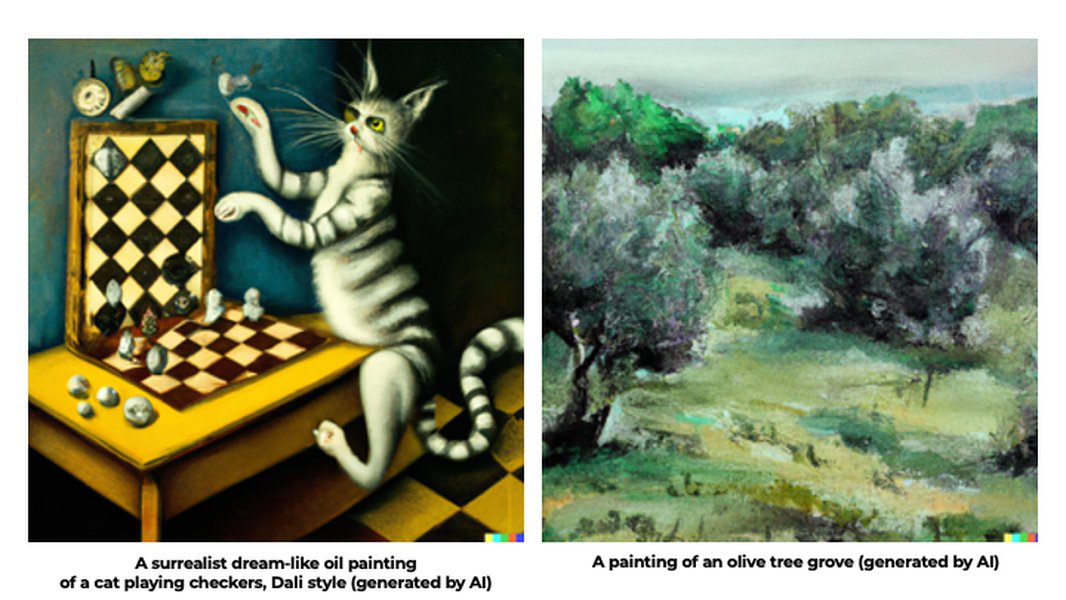
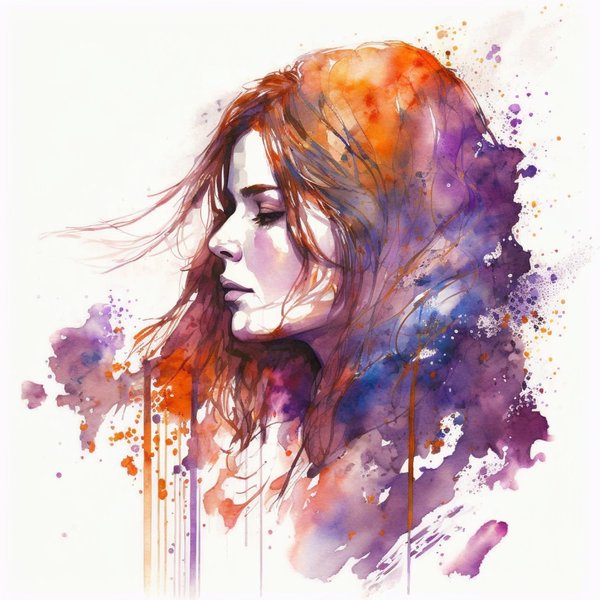
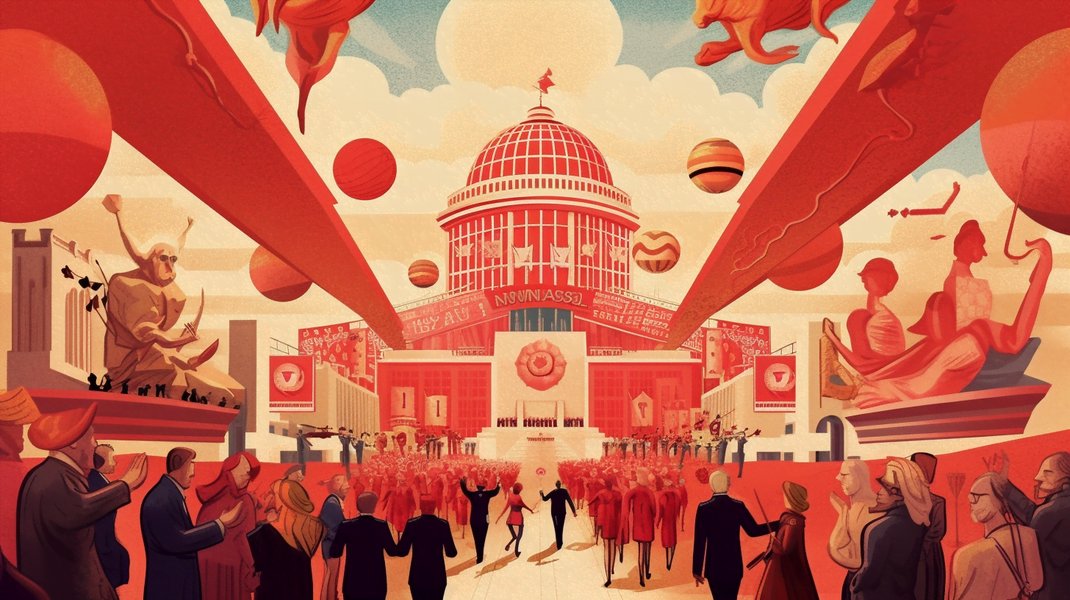
AI image generators can create a wide variety of visuals, from realistic photos to imaginative artwork. Here are a few examples illustrating the diverse outputs possible:
AI-generated landscape

AI-generated content example
Eerie AI generated art
AI political propaganda illustration
Exploring AI Image Generation Further
To get a better sense of how different AI image generators perform and to see them in action, watching comparison videos can be very helpful. This video provides a comparison of several free AI image generators:
This video showcases the outputs from different free AI image generation tools, allowing you to visually compare their styles and capabilities based on the same prompts.
Future of AI Image Generation
The field of AI image generation is rapidly evolving. We can expect to see continued improvements in the realism and detail of generated images, better understanding of complex prompts, and more sophisticated editing and customization tools. The integration of AI image generation into various creative workflows is also likely to expand, making it an even more integral part of content creation.
Frequently Asked Questions
What is the best AI image generator?
The "best" AI image generator depends on your needs. DALL-E 3 is excellent for prompt understanding and text rendering, Midjourney for artistic style, and Stable Diffusion for customization. Many free options like Craiyon and Leonardo AI are also available and capable.
Are AI generated images free to use?
The usage rights for AI-generated images vary depending on the platform and your subscription plan. Some platforms offer free usage with certain limitations, while others require paid subscriptions for full commercial rights. Always check the terms of service of the specific tool you are using.
Can AI image generators create realistic photos?
Yes, many advanced AI image generators in 2025 are capable of producing highly realistic images, though sometimes they may still have subtle imperfections, particularly with complex details like hands and faces.
How do AI image generators work?
AI image generators use machine learning models trained on vast datasets of images and text. They interpret text prompts and generate new images based on the patterns and relationships learned during training.
References
Last updated May 8, 2025