
The Impact of AI on the Industrial Sector
Exploring transformative AI applications in modern industry
Key Highlights
- Enhanced Operational Efficiency: AI drives predictive maintenance, streamlines supply chains, and optimizes production processes.
- Advanced Automation and Quality Control: Through robotics, digital twins, and real-time quality monitoring, AI is revolutionizing manufacturing.
- Innovation and Sustainability: AI not only fosters innovative product design and generative design techniques but also contributes to sustainable practices.
Transforming Manufacturing Efficiency
The integration of artificial intelligence in the industrial sector has accelerated the evolution of manufacturing processes. AI technologies, powered by machine learning and advanced analytics, enable companies to achieve higher efficiency, reduce costs, and maintain consistent product quality. Through enhanced data analysis, manufacturers can leverage both structured and unstructured data to drive improvements across a wide array of operational areas.
Predictive Maintenance
Reducing Downtime and Enhancing Equipment Lifespan
Predictive maintenance is one of the most direct benefits of AI adoption in industry. By analyzing sensor data and historical maintenance records, AI algorithms can predict equipment failures before they happen. This proactive approach minimizes unexpected downtime, reduces repair costs, and extends the lifespan of machinery. For instance, solutions such as those offered by companies like Augury use AI-based insights to schedule maintenance when it is most effective, ensuring continuous production operations.
Supply Chain Optimization
Streamlining Logistics and Demand Forecasting
AI significantly enhances the capabilities of supply chain management. With the ability to process and analyze vast datasets, AI systems accurately forecast demand, optimize inventory levels, and identify potential bottlenecks in logistics. This results in improved overall supply chain performance, even under volatile market conditions, and less reliance on human oversight. The use of dynamic, autonomous planning further enhances supply chain robustness.
Quality Control
Ensuring Consistency and Reducing Waste
Quality control has been revolutionized by AI as well. Advanced computer vision techniques and machine learning algorithms can monitor production lines in real-time, detecting defects or deviations from quality standards immediately. This capability not only ensures that products meet high-quality benchmarks consistently but also significantly reduces waste resulting from manufacturing errors.
Advances in Automation and Digital Technologies
Robotics and Automation
Enhancing Precision and Worker Safety
AI-driven robotics are central to the evolution of modern factories. Collaborative robots, or cobots, work alongside human operators, handling repetitive, dangerous, or ergonomically challenging tasks. This not only improves precision and speed in manufacturing but also enhances workplace safety. As automation technology progresses, the integration of smart sensors and real-time analytics enables robots to adapt to varying production conditions, reinforcing the flexibility of modern assembly lines.
Digital Twins and Simulation
Creating Virtual Replicas for Real-Time Optimization
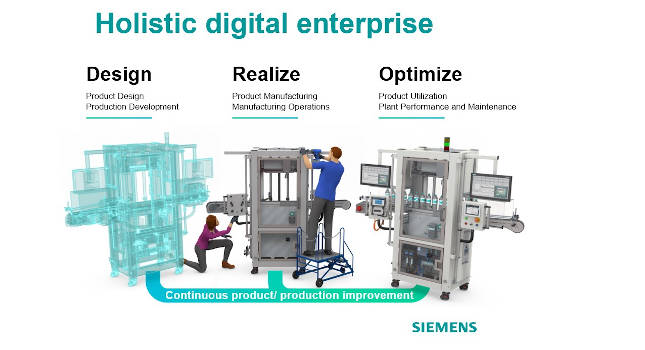
A powerful application of AI in the industrial sector is the creation of digital twins – virtual duplicates of physical systems, processes, or entire factories. These digital replicas facilitate real-time monitoring and optimization without the risk or expense associated with testing on the physical asset. Through simulation, engineers can analyze potential performance scenarios, troubleshoot issues, and refine processes. Digital twins thereby play a crucial role in enhancing efficiency and reducing energy consumption.
Generative Design and Innovation
Accelerating Product Development through AI
AI-based generative design tools are reshaping how products are developed. These tools mimic the human design process by exploring a multitude of design alternatives based on specified performance criteria and constraints. Instead of manually iterating through potential designs, engineers can leverage AI to rapidly prototype and optimize products. This method not only expedites the product development cycle but also identifies cost-effective materials and designs, thus reducing engineering hours and production costs.
Economic Potential, Sustainability, and Workforce Considerations
Economic Impact and Competitive Advantage
Driving Cost Reductions and Market Leadership
The economic impact of AI in industry cannot be overstated. Companies deploying AI solutions can achieve considerable competitive advantages by reducing operational costs and improving production efficiency. Research indicates that AI could add trillions of dollars to the global economy through innovations like generative design and optimized manufacturing processes. However, these economic benefits require that organizations clearly align their AI strategies with overarching business objectives, ensuring targeted and measurable outcomes.
Sustainability Through AI Innovation
Reducing Environmental Footprints
Sustainability is increasingly becoming a critical focus in industrial operations. AI fosters environmental sustainability by optimizing energy consumption, reducing machinery inefficiencies, and minimizing waste. Smart manufacturing systems powered by AI can adjust operational parameters in real time to lower energy usage without compromising productivity. Additionally, advanced AI systems facilitate effective recycling and materials management within industrial processes, contributing to a greener, more resource-efficient future.
Workforce Adaptation and Skills Enhancement
Meeting the Demands of Advanced Technologies
The rapid integration of AI in industrial settings presents both challenges and opportunities for the workforce. On one hand, automation may reduce the need for certain routine tasks; on the other hand, it creates a demand for specialized skills in data analytics, machine learning, and system integration. Companies must therefore invest in comprehensive training programs that equip employees with the necessary expertise to collaborate effectively with AI systems. Emphasizing human-centered AI solutions can empower workers, fostering a culture of continuous learning and innovation.
Comparative Analysis of AI Applications in Industry
AI Impact Overview Table
| AI Application | Core Benefits | Example Use Cases |
|---|---|---|
| Predictive Maintenance | Minimized downtime, reduced repair costs, extended machinery lifespan | Analyzing sensor data to anticipate equipment failures |
| Supply Chain Optimization | Streamlined logistics, effective demand forecasting, inventory management | Real-time data analytics for inventory control |
| Quality Control | Early defect detection, waste reduction, quality consistency | Computer vision to monitor assembly lines |
| Robotics and Automation | Increased precision, improved worker safety, operational speed | Collaborative robots (cobots) on assembly lines |
| Digital Twins | Real-time process optimization, cost-effective simulations | Virtual modeling of manufacturing processes |
| Generative Design | Rapid prototyping, cost reductions, innovative product creation | Design optimization in product development |
References
- AI in Manufacturing - SAP
- Harnessing AI in Manufacturing - Appinventiv
- Revolutionizing Manufacturing with AI - IBM
- 10 AI Use Cases in Manufacturing - TechTarget
- Understanding AI in Manufacturing - ARM
Recommended Further Queries
Last updated March 11, 2025