
Exploring the Influence of Artificial Intelligence on Academic Performance
Unveiling the transformative impact of AI on senior high school students' learning experiences.
Key Highlights
- Personalized Learning: AI can tailor educational content and pace to suit individual student needs, enhancing comprehension and engagement.
- Immediate Feedback: AI provides instant and detailed feedback, allowing students to identify and address their weaknesses promptly.
- Enhanced Efficiency: AI streamlines administrative tasks, freeing up teachers to focus on direct student interaction and personalized support.
The Growing Role of AI in Education
Artificial intelligence (AI) is rapidly transforming various sectors, and education is no exception. The integration of AI in schools is becoming increasingly prevalent, with a significant number of students already utilizing AI tools in their studies. This shift necessitates a thorough examination of AI's influence on academic performance, particularly among senior high school students who are at a critical juncture in their educational journey.
 AI is revolutionizing education by enhancing personalized learning experiences and automating administrative tasks.
Why Focus on Senior High School Students?
Senior high school is a pivotal period where students prepare for higher education or enter the workforce. Their academic performance during these years significantly impacts their future opportunities. Understanding how AI affects their learning outcomes is crucial for educators, policymakers, and students themselves. AI tools offer the potential to personalize learning, provide immediate feedback, and enhance engagement. However, they also pose challenges such as over-reliance, diminished critical thinking, and ethical concerns.
Benefits of AI in Academic Performance
AI offers several potential benefits that can positively influence the academic performance of senior high school students.
Personalized Learning Experiences
One of the most significant advantages of AI is its ability to personalize learning. AI-powered tools can analyze student performance data to identify individual strengths and weaknesses, tailoring educational content and pace accordingly. This personalized approach ensures that students receive targeted support, addressing their specific needs and enhancing comprehension.
Personalized education can provide a more inclusive and equitable learning experience by tailoring instruction to the specific needs, backgrounds, and cultural contexts of students. It allows educators to recognize and appreciate the unique strengths and perspectives that underrepresented minority students bring to the table. AI-assisted personalized education also offers an effective solution to help bridge the achievement gap.
Immediate and Detailed Feedback
AI systems can provide instantaneous and detailed feedback on student work, enabling them to see their strengths and weaknesses promptly. This immediate feedback loop enhances understanding and learning outcomes, helping teachers focus on areas that require more attention in future lessons. AI's capacity to provide tailored guidance and exercises based on student performance is transforming the way feedback is delivered in educational settings.
Enhanced Engagement and Motivation
AI can make learning more interactive and engaging through gamified content and adaptive learning platforms. Programs like Kahoot! and Minecraft: Education Edition are examples of how AI can be used to create immersive learning experiences that capture students' attention and foster a deeper interest in the subject matter. By immersing students in interactive learning experiences, AI tools like ChatGPT hold the promise to make a meaningful impact on academic performance.
Support for Students with Learning Differences
Educators are increasingly using AI to support students with "learning differences." AI tools can provide customized support and resources tailored to the specific needs of these students, promoting a more inclusive and equitable learning environment.
Potential Drawbacks and Challenges
While AI offers numerous benefits, it also presents several potential drawbacks and challenges that must be carefully considered.
Over-Reliance and Diminished Critical Thinking
One of the primary concerns is the potential for students to become overly reliant on AI tools, leading to a decline in critical thinking and problem-solving skills. When students accept AI-generated recommendations without question, it can reduce their ability to perform independent analysis and interpretation, thereby compromising the development of essential research and writing skills. Over time, overreliance on generative AI tools for academic tasks, instead of critical thinking and mental exertion, may damage memory retention.
Ethical Concerns and Bias
AI systems learn from their sources, which means they can inherit biases, misinformation, and problematic content from the original material. It is essential to address these ethical concerns to ensure fair and unbiased learning experiences for all students.
Reduced Human Interaction and Social Skills
The use of AI could diminish a significant portion of human interaction in the learning process, potentially resulting in a loss of social skills and teamwork abilities. Students may become more isolated and less adept at real-world social interactions, which are critical to their overall social well-being and development.
Data Privacy and Security Risks
The collection and use of student data by AI systems raise concerns about data privacy and security. It is crucial to implement robust safeguards to protect student information and prevent unauthorized access or misuse.
Areas to Focus on When Using AI in Education
To maximize the benefits of AI while mitigating its potential drawbacks, educators and policymakers should focus on several key areas:
Promoting AI Literacy
It is essential to educate students about AI, its capabilities, and its limitations. This includes teaching them how to use AI tools effectively and responsibly, as well as how to critically evaluate AI-generated content. A new course offered by the Florida Virtual School aims to build students' understanding of math and AI concepts.
Encouraging Critical Thinking
Educators should emphasize the importance of critical thinking and problem-solving skills, even when using AI tools. Students should be encouraged to question AI-generated content, verify its accuracy, and develop their own independent analysis and interpretation skills.
Providing Teacher Training and Support
Teachers need adequate training and support to effectively integrate AI tools into their teaching practices. This includes learning how to use AI to personalize learning, provide feedback, and enhance student engagement. Effective deployment of AI in educational settings necessitates comprehensive implementation strategies and faculty training.
Addressing Equity and Access
Efforts should be made to ensure that all students have equitable access to AI tools and resources, regardless of their socioeconomic background or geographic location. This requires addressing the digital divide and providing the necessary infrastructure and support to underserved communities.
Table: Benefits and Challenges of AI in Education
This table summarizes the benefits and challenges of AI in education, providing a balanced overview of its potential impact on student academic performance.
| Benefits | Challenges |
|---|---|
| Personalized learning experiences | Over-reliance and diminished critical thinking |
| Immediate and detailed feedback | Ethical concerns and bias |
| Enhanced engagement and motivation | Reduced human interaction and social skills |
| Support for students with learning differences | Data privacy and security risks |
YouTube Video: The Impact of AI Technology on High School Education
This video explores how AI technology is influencing education, addressing concerns from high school educators, and detailing how artificial intelligence can bolster student learning. It provides a comprehensive overview of the current state and future possibilities of AI in high school education, making it an invaluable resource for understanding its impact.
Conclusion
The influence of AI on the academic performance of senior high school students is a complex and multifaceted issue. While AI offers tremendous potential to enhance learning experiences and improve outcomes, it also poses significant challenges that must be addressed proactively. By promoting AI literacy, encouraging critical thinking, providing teacher training, and addressing equity concerns, we can harness the power of AI to create a more effective, engaging, and equitable education system for all students.
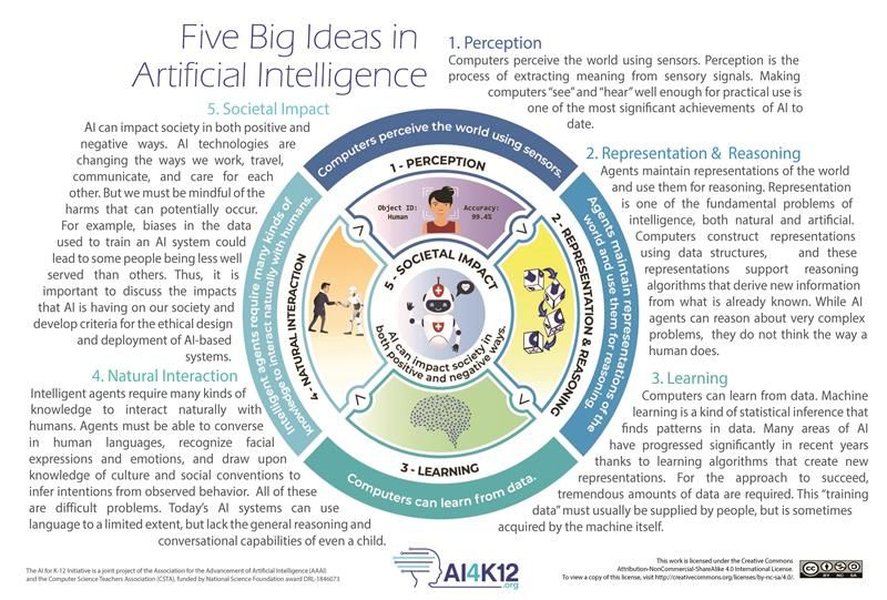 NSF has invested in AI research projects to support, reimagine, and transform learning and teaching with emerging technologies, aiming for more equitable, inclusive, and accessible education.
FAQ
How can AI personalize learning for high school students?
AI can analyze student performance data to identify strengths and weaknesses, tailoring educational content and pace to suit individual needs. This personalized approach ensures that students receive targeted support, addressing their specific learning gaps.
What are the potential risks of using AI in education?
Potential risks include over-reliance on AI, diminished critical thinking skills, ethical concerns related to bias and misinformation, reduced human interaction, and data privacy and security risks.
How can teachers effectively integrate AI into their classrooms?
Teachers can effectively integrate AI by receiving adequate training and support, promoting AI literacy among students, encouraging critical thinking, and addressing equity and access concerns. Comprehensive implementation strategies are crucial.
What is AI literacy, and why is it important?
AI literacy involves understanding AI's capabilities and limitations, using AI tools responsibly, and critically evaluating AI-generated content. It is crucial for students to navigate the AI-driven world effectively.
How can schools ensure equitable access to AI tools for all students?
Schools can ensure equitable access by addressing the digital divide, providing necessary infrastructure and support to underserved communities, and implementing policies that promote inclusivity and fairness.
References
Last updated April 17, 2025