
Workflow for AI-Powered Metabolite Prediction
An In-Depth Exploration of Data, Models, and Applications in Metabolomics
Key Insights
- Holistic Data Integration: Combining genomic, proteomic, and metabolomic data to ensure comprehensive biological insights.
- Data Quality and Feature Extraction: The criticality of preprocessing to produce clean, high-quality data and relevant features.
- Advanced Modeling and Validation: Utilizing modern machine learning and deep learning techniques with rigorous evaluation strategies.
Workflow Overview
AI-powered metabolite prediction leverages sophisticated computational tools to predict and interpret metabolomic profiles from biological samples. This process is central in identifying biomarkers, understanding metabolic pathways, and unraveling complex biological networks. The following sections provide a detailed step-by-step exploration of the workflow, starting from data collection through to validation and real-world applications.
Data Collection
Types of Data Used
The foundational step in any AI-based metabolite prediction workflow is data collection. High-quality datasets are required to ensure accurate predictions and comprehensive biological insights. The main forms of data include:
- Genomic Data: This entails sequencing information about genes, genetic variations, and potential gene expression changes that can affect metabolic processes.
- Proteomic Data: Information about protein abundance, expression levels, and modifications. Proteomic data help depict the active biochemical processes within a cell.
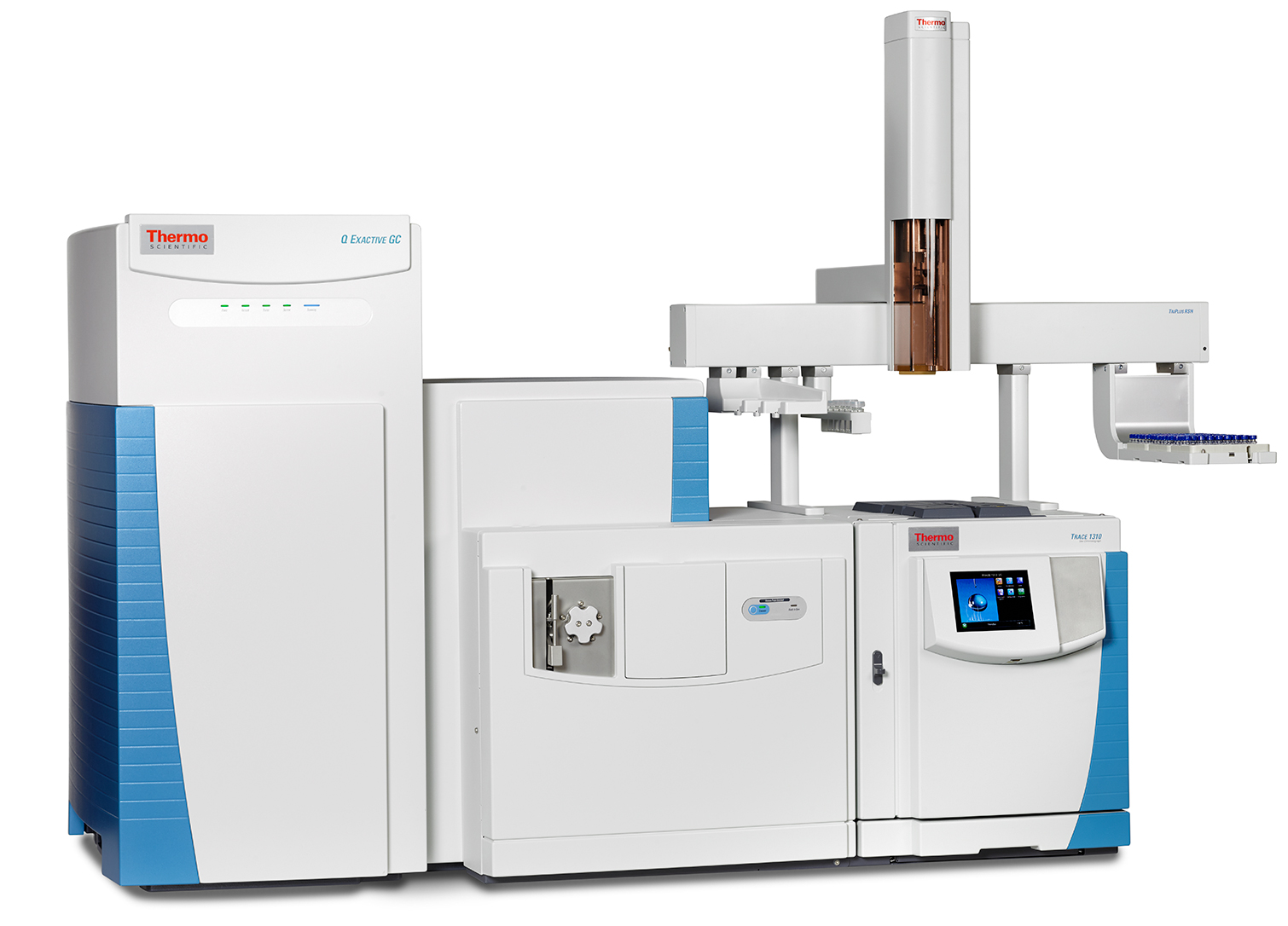
- Metabolomic Data: Data acquired from techniques like mass spectrometry or nuclear magnetic resonance (NMR), which quantify small molecule metabolites. This data directly represents the metabolic state and outputs of biological systems.
Integrating these multiple layers of biological data not only furthers our understanding of metabolic networks but also enhances the AI models' predictive capabilities by offering a multi-faceted view of the biological system.
Preprocessing and Feature Extraction
Importance of Clean, High-Quality Data
With the complexities inherent in biological datasets, preprocessing becomes a critical step. Raw data inevitably include noise, missing values, and variability arising from different experimental conditions. Clean, high-quality data lead to better model training and more reliable predictions.
- Data Cleaning: Involves removing or rectifying inconsistencies, handling missing values, and filtering out noisy data that might adversely affect model performance.
- Normalization: Responsible for scaling data to a common reference, compensating for experimental variability. This step stabilizes model input, ensuring that variations in data collection do not skew results.
- Feature Extraction: Methods such as Principal Component Analysis (PCA) or specialized machine learning algorithms are used to extract the most informative features. These techniques help transform raw data into a format wherein key characteristics relevant for metabolite prediction are highlighted.
By ensuring that data is clean and rich in features, researchers can harness the full power of AI models. This not only optimizes the learning process but also significantly improves the interpretability and robustness of the model's output.
AI Model Training
Algorithms and Techniques for Model Training
AI model training is at the heart of the metabolite prediction workflow. Various algorithms are employed to learn complex patterns and relationships from the input data. The aim is to construct a model capable of generalizing well to new, unseen data.
Some of the most frequently used algorithms and techniques include:
- Machine Learning Algorithms: Methods such as Random Forest, Support Vector Machines (SVM), and regular Neural Networks have proven effective at mapping the relationships between genomic, proteomic, and metabolomic data. These models are often used for tasks like feature selection, classification, and regression within the context of metabolite prediction.
- Deep Learning Techniques: Deep learning approaches, including Convolutional Neural Networks (CNNs) and Recurrent Neural Networks (RNNs), are utilized for their ability to extract hierarchical features from complex datasets. These architectures are particularly adept at processing high-dimensional data, such as spectra from mass spectrometry.
- Graph Convolutional Neural Networks (GCNNs): Specialized deep learning networks designed for structured data, such as molecular structures. GCNNs effectively capture the relational and spatial patterns present in molecular data, thereby improving predictions of metabolic pathways.
- Automated Machine Learning (AutoML): AI-driven methods that automate the selection of models and hyperparameter tuning also play a pivotal role. AutoML simplifies the model training process and optimizes overall performance by systematically exploring various algorithm combinations.
In practice, the model training phase also includes partitioning the data into training, testing, and validation sets, with methods like k-fold cross-validation used to assess model performance and mitigate overfitting.
AI Model Training Workflow Table
| Step | Description | Techniques/Tools |
|---|---|---|
| Data Partitioning | Splitting data into training, validation, and test sets. | Random Sampling, Stratified Sampling |
| Algorithm Selection | Choosing the appropriate machine learning/deep learning models. | Random Forest, SVM, CNNs, RNNs, GCNNs, AutoML |
| Training | Feeding the dataset to the model to learn patterns and extract features. | Gradient Descent, Backpropagation |
| Hyperparameter Tuning | Optimizing the performance by adjusting model parameters. | Grid Search, Bayesian Optimization |
| Validation | Using cross-validation to verify model performance. | K-fold Cross-Validation, Nested Cross-Validation |
Validation and Accuracy Assessment
Metrics and Methods for Model Evaluation
Once the AI model is trained, evaluating its performance becomes essential. Validation gauges the capability of the model to predict metabolites accurately in unseen datasets. This is achieved through both quantitative and qualitative analysis.
- Cross-Validation Techniques: Methods like k-fold cross-validation and nested cross-validation are widely used. These methods partition the dataset into multiple segments and train the model repeatedly, ensuring consistency and mitigating overfitting.
- Performance Metrics: Various metrics are employed to assess model efficiency:
- Accuracy: The ratio of correct predictions out of total predictions.
- Precision: The fraction of relevant instances among the retrieved instances.
- Recall: The ability of the model to identify all relevant cases within the dataset.
- F1 Score: The harmonic mean of precision and recall, providing a balance between both.
- Area Under the ROC Curve (AUC): Measures the overall performance of the model in distinguishing between classes.
This step is vital in ensuring the generalizability and robustness of the prediction model. High performance in validation tests instills confidence in the model’s ability to process and analyze new datasets effectively.
Case Studies and Practical Examples
Real-World Applications and Research Examples
Case studies and applications serve as compelling evidence of the practical value of AI-powered metabolite prediction workflows. Researchers have applied these techniques in multiple contexts to enhance our understanding of complex diseases and to identify potential biomarkers.
- Disease Biomarker Identification: Several studies have utilized AI-driven metabolite prediction to unearth biomarkers for conditions such as cancer and diabetes. By analyzing the metabolomic profiles from patient samples, these models successfully pinpoint altered metabolic states linked with disease onset and progression.
- Multi-Omics Integration: An integrated approach combining genomic, proteomic, and metabolomic data provides a comprehensive insight into cellular processes. AI models amalgamate these diverse data types to simulate metabolic networks and elucidate critical biological interactions.
- In Silico Spectral Libraries: In many cases, AI methods have been pivotal in generating extensive spectral libraries. These libraries enhance metabolite identification by improving spectral matching, paving the way for more precise predictions of molecular structures and metabolic pathways.
To illustrate the workflow, consider a case study where researchers collected multi-omics data from a cohort of patients. The dataset underwent rigorous preprocessing to remove experimental biases, and feature extraction techniques highlighted key spectral and molecular characteristics. Subsequently, a deep learning model was trained using Graph Convolutional Neural Networks, and its performance was thoroughly validated using k-fold cross-validation. The result was a highly reliable predictive tool that accurately identified metabolic alterations associated with the targeted disease, ultimately leading to improved diagnostic and therapeutic strategies.
Advanced Considerations and Future Directions
As AI continues to evolve, the methodologies for metabolite prediction are becoming increasingly sophisticated. Some of the advanced considerations include:
- Integration of Multi-Omics: Future workflows may incorporate even more types of biological data such as epigenomic and transcriptomic data. Such comprehensive data integration can provide a finer resolution of metabolic processes.
- Real-Time Data Processing: With enhancements in hardware and cloud computing, real-time processing of large-scale datasets becomes feasible. This would allow for prompt and dynamic updates in predictive modeling, especially useful in clinical diagnostics.
- Explainability in AI Models: As models become more complex, interpreting their decisions remains a challenge. Incorporating explainable AI approaches will help ensure transparency and improve trust in AI-powered decisions.
- Scalability and Automation: Automated workflows using AutoML and advanced pipeline integration will streamline metabolite prediction workflows further, making these approaches accessible to a broader range of research laboratories.
These advanced directions are not only set to improve model performance and usability but also empower researchers to explore biological complexities in a more effective, integrated manner.
References
-
ScienceDirect - AI Metabolite Prediction Research
-
PMC - AI/ML-driven Untargeted Metabolomics
- Frontiers in Genetics - Machine Learning in Metabolomics
- Oxford Academic - AI in Metabolite Prediction
- Nature - Advances in AI-powered Metabolomics
Recommended Further Exploration
Last updated March 10, 2025