
Workflow for AI-Powered Metabolite Prediction
A comprehensive guide on integrating multi-omics data, preprocessing, model training, validation, and case studies
Key Highlights
- Data Integration: Multimodal data, including genomic, proteomic, and metabolomic sources, is essential for accurate predictions.
- Preprocessing Excellence: Rigorous cleaning, feature extraction, and dimensionality reduction are vital for quality input data.
- Comprehensive Validation: Evaluation through cross-validation and diverse metrics ensures models are robust and applicable.
Introduction
AI-powered metabolite prediction represents a confluence of advanced data acquisition, sophisticated machine learning (ML) methods, and rigorous validation procedures aimed at understanding and forecasting metabolic behavior in biological systems. This workflow integrates diverse data types such as genomic, proteomic, and metabolomic profiles, leveraging innovative computational techniques to predict metabolite patterns, facilitate drug development, and enhance personalized medicine.
The holistic approach, central to AI-powered workflows, begins with comprehensive data collection and continues through preprocessing, model training, validation, and eventual real-world application via case studies. Each phase is indispensable, ensuring that predictions not only capture the intrinsic complexity of metabolic networks but also remain robust and clinically meaningful.
1. Data Collection
Multimodal Data Integration
The initial phase in the workflow involves collecting data from multiple sources to capture a holistic picture of biological processes. Essential types of data include:
Genomic Data
Genomic data comprises DNA sequences, including information on genes responsible for encoding various enzymes and regulatory proteins. This type of data provides insight into the genetic blueprint that influences metabolic pathways and can reveal genetic variations that predispose organisms to distinct metabolic profiles.
Proteomic Data
Proteomic data involves the comprehensive analysis of proteins, their abundance, post-translational modifications, and interactions. Proteins act as catalysts in metabolic reactions, and their levels can have a direct impact on the production and degradation of metabolites. This information is critical for evaluating the functional state of biological systems.
Metabolomic Data
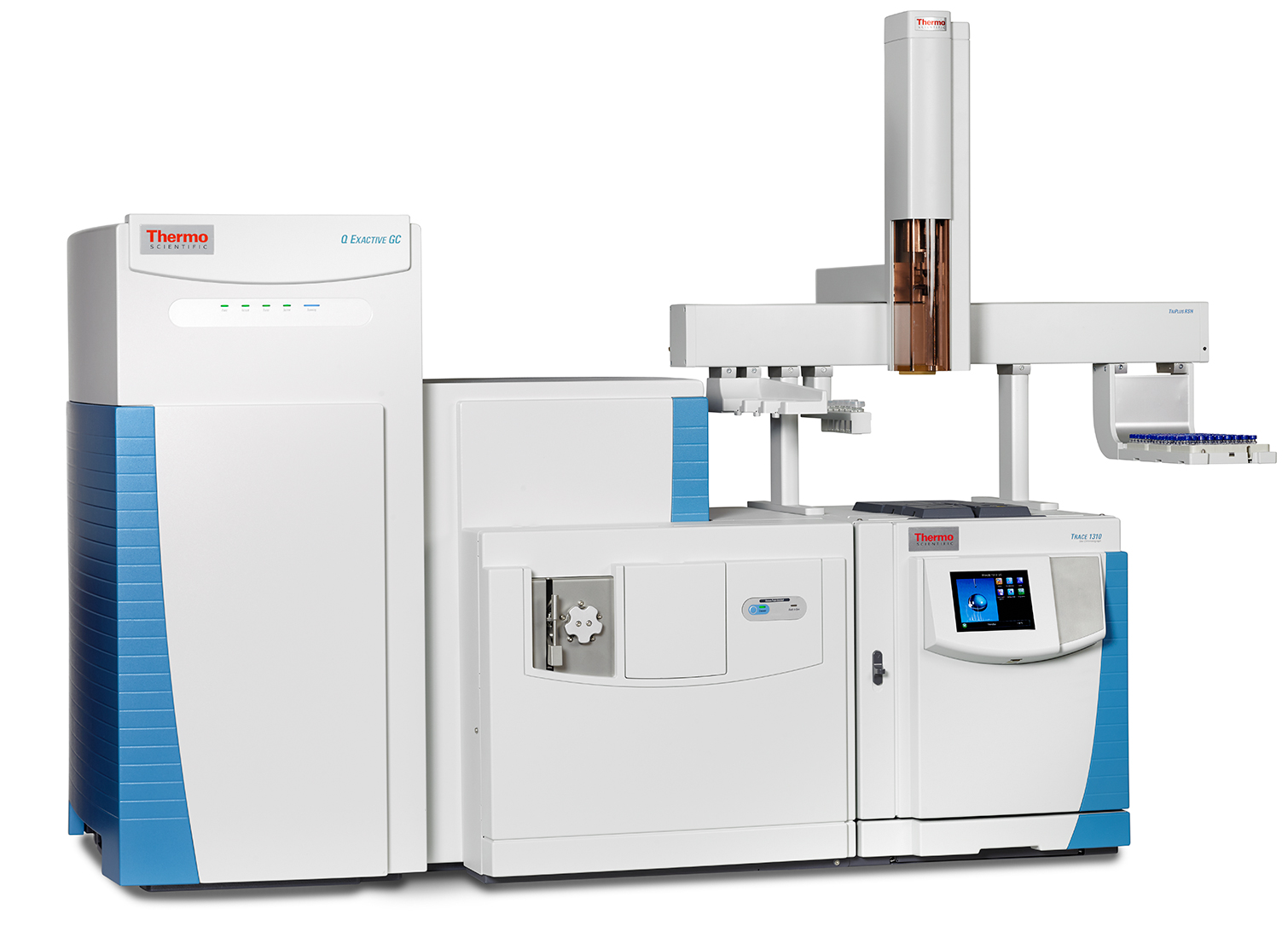
Metabolomic data directly measures the small-molecule metabolites present in cells, tissues, or organisms. Techniques such as mass spectrometry (MS) and nuclear magnetic resonance (NMR) spectroscopy are commonly employed here. This data is pivotal as it directly reflects the current cellular state, providing a snapshot of the metabolic flux under various physiological or pathological conditions.
Collecting these datasets usually occurs from various sources, including public repositories, in-house experimental datasets, and high-throughput screenings. The process requires careful planning to ensure that the data is representative of diverse conditions and biological systems.
2. Preprocessing and Feature Extraction
Ensuring Data Quality and Relevance
Once the data is collected, preprocessing is the critical next step. This phase is vital to cleanse the data and ensure that only high-quality, reliable data feeds into the AI models. The main components include:
Data Cleaning and Standardization
Preprocessing involves removing noise, detecting and handling outliers, filling or discarding missing values, and standardizing across different datasets to achieve consistency. Techniques such as autoscaling are applied to ensure that data from disparate sources (e.g., gene expression vs. metabolite levels) have comparable scales.
Feature Extraction
Feature extraction focuses on identifying the most informative elements from the datasets. In the context of multi-omics data, this often involves creating feature matrices where each row may represent a particular sample and each column a specific feature such as metabolite concentration, gene expression level, or protein abundance. Advanced techniques like Principal Component Analysis (PCA) or t-distributed Stochastic Neighbor Embedding (t-SNE) are routinely used to reduce dimensionality while preserving critical variance in the data.
Dimensionality Reduction
Given the high-dimensional nature of omics datasets, reducing the complexity without losing key information is essential. Dimensionality reduction techniques help in removing correlated or non-informative features and allow AI models to operate more efficiently. This also aids in visualizing high-dimensional data by compressing the information into a lower-dimensional space.
The integrity of the entire prediction workflow relies on this rigorous preprocessing stage, as any shortcomings here can significantly impact downstream model training.
3. AI Model Training
Advanced Algorithms and Techniques
The backbone of metabolite prediction is the training of AI models that can decipher complex patterns within multi-omics data. Several types of algorithms are employed, combining traditional supervised machine learning methods with advanced deep learning techniques.
Supervised Learning
Supervised learning algorithms such as Random Forests, Support Vector Machines (SVMs), and Gradient Boosting machines are widely used due to their robustness in handling labeled datasets. These models learn from historical data where the output (metabolite levels) is already known and then predict outcomes on new data.
Deep Learning Methods
For more complex pattern recognition within large-scale datasets, deep learning models, including deep neural networks and Convolutional Neural Networks (CNNs), are increasingly adopted. These methods are particularly adept at handling non-linear relationships and can capture intricate details that are challenging for traditional algorithms. In some workflows, Recurrent Neural Networks (RNNs) and Transformer models are also utilized to analyze time-series data or sequential relationships in metabolite profiles.
Multi-Omics Integration
A critical aspect of model training is the integration of multiple data layers. Multi-modal deep learning architectures are designed to process genomic, proteomic, and metabolomic data concurrently. This integrative approach allows the model to understand the interactions between different biological elements, leading to more accurate predictions. Moreover, techniques like transfer learning, where models pre-trained on extensive datasets are fine-tuned for specific tasks, can further enhance performance.
Training Techniques and Strategies
The training process incorporates several best practices including:
- Cross-Validation: Dividing the data into training, validation, and testing subsets ensures that the model is not overfitted to a specific dataset and remains robust across diverse conditions.
- Hyperparameter Tuning: Adjusting parameters such as learning rates, the architecture depth, and the number of nodes in neural networks enhances predictive performance.
- Error Minimization: Iterative training cycles that involve detailed error analysis and recalibration of models to address misclassifications.
Overall, the training phase is iterative and may require multiple refinements to achieve the desired accuracy and reliability in predictions.
4. Validation and Accuracy Assessment
Rigorous Model Evaluation
Following model training, validating its performance is critical to ensure predictions are accurate and generalizable. This phase employs various metrics and validation strategies to assess whether the model meets the required standards.
Evaluation Metrics
Several evaluation metrics are used depending on whether the prediction task is classification (e.g., predicting the presence of specific metabolites) or regression (e.g., predicting exact concentrations). Common metrics include:
- Accuracy: The proportion of correct predictions over the total predictions made.
- Precision and Recall: Metrics that measure the number of true positive predictions relative to false positives and false negatives, respectively.
- F1 Score: A harmonic mean of precision and recall, giving a balanced measure of the two.
- Area Under the ROC Curve (AUC-ROC): Evaluating the trade-off between sensitivity and specificity, particularly in binary classification tasks.
- Mean Squared Error (MSE) and R²: Used for regression tasks, representing prediction error and explained variance respectively.
Validation Strategies
The most common strategies for model validation include:
- Cross-Validation: K-fold cross-validation divides the dataset into k subsets to validate the model’s performance on different portions of data.
- Hold-Out Testing: A reserved portion of data that is kept completely independent of the training process to test the model’s generalizability.
- External Validation: Using data from separate studies or clinical sources to confirm that the model performs reliably across different experimental conditions.
These strategies help in fine-tuning the model, ensuring that it not only performs accurately on training data but also remains robust when faced with new, unseen cases.
5. Case Studies and Applications
Real-World Implementations
Case studies are integral for demonstrating the practical applications of AI-powered metabolite prediction workflows. Such real-world examples illustrate how integrated multi-omics data and advanced AI techniques are employed in various fields including healthcare, agriculture, and biotechnology.
Example 1: Microbial Metabolite Prediction
In studies focusing on microbial communities, AI models are being used to predict the production of novel bioactive compounds. Researchers have integrated genomic data from microorganisms with metabolomic profiles to uncover potential metabolites that may have therapeutic applications. This approach enables the rapid identification of promising compounds without relying on traditional, time-intensive experimental methods.
Example 2: Cancer Metabolism Analysis
In oncology, AI techniques have been deployed to predict metabolic reprogramming in cancer cells. By integrating proteomic and metabolomic data, models have been able to identify unique metabolic signatures associated with specific tumor types. Such predictive insights help in developing targeted therapies that disrupt cancer-specific metabolic pathways, thereby personalizing treatment approaches.
Example 3: Drug Discovery and Toxicity Prediction
AI platforms are also making transformative contributions to drug development. By analyzing mass spectrometry data alongside chemical structure information, predictive models can assess metabolic pathways for new pharmaceutical compounds. This early-stage screening minimizes the likelihood of drug failure by predicting potential metabolic liabilities and off-target effects, streamlining the drug development process.
Example 4: Agricultural Applications
Another promising application lies in agriculture, where AI models are used to predict plant metabolite profiles under various stress conditions. By correlating gene expression data with metabolite phenotyping, researchers can develop crops that are better adapted to environmental challenges. Such predictive frameworks contribute significantly to crop improvement strategies that aim for higher yield and stress resistance.
6. Workflow Summary Table
The table below summarizes the key stages involved in the workflow for AI-powered metabolite prediction:
| Workflow Stage | Description | Main Techniques |
|---|---|---|
| Data Collection | Gathering genomics, proteomics, and metabolomics data from various sources. | Mass spectrometry, NMR, public repositories |
| Preprocessing & Feature Extraction | Cleansing, normalizing, and extracting meaningful features from raw datasets. | Data cleaning, PCA, scaling, t-SNE |
| AI Model Training | Training machine learning and deep learning models on processed data. | SVM, Random Forest, Neural Networks, CNNs, RNNs |
| Validation & Accuracy Assessment | Evaluating model performance to ensure reliable predictions. | Cross-validation, Accuracy, ROC-AUC, MSE |
| Practical Applications | Implementing case studies for real-world simulations. | Cancer metabolism analysis, microbial metabolite prediction, drug toxicity screening |
Conclusion
The workflow for AI-powered metabolite prediction is an intricate yet highly effective framework that integrates multi-omics data acquisition, rigorous data preprocessing, advanced AI model training, and comprehensive validation methodologies. This systematic approach ensures that the resulting models are capable of capturing the complexity inherent in biological systems. By combining genomic, proteomic, and metabolomic data, these AI systems provide a multifaceted view of cellular dynamics, enabling researchers and clinicians to predict metabolic outcomes more accurately.
The detailed preprocessing phase ensures that the data fed into the models is of the highest quality, thereby enhancing model robustness and reliability. Advanced AI algorithms including both traditional supervised methods and innovative deep learning architectures are deployed to capture non-linear relationships and subtle interactions among various biological elements. Furthermore, extensive validation measures confirm that the predictive models are generalizable and resilient to variations in unseen data.
Real-world applications, demonstrated through case studies in drug development, cancer metabolism, microbial metabolite prediction, and agricultural research, highlight the transformative impact that AI-powered workflows can have. Looking forward, the continuous refinement of these models and integration of additional computational strategies will further enhance their predictive capabilities, making them indispensable tools in precision medicine and beyond.
References
-
Applications of machine learning in metabolomics - NCBI
- PeakDecoder enables machine learning-based metabolite prediction - Nature
- An end-to-end deep learning method for mass spectrometry data - Nature
-
Scientific overview on AI-powered metabolite prediction - ScienceDirect
- Machine Learning and AI in Metabolomics - Omics Tutorials
Recommended Queries for Further Exploration
Last updated February 20, 2025